
Artistic architectural photography
Artistic architectural photography is my way of creating a dialogue between buildings and the imagination. Façades, monuments, houses and contemporary structures become the elements of my Imaginary Planets. As a Belgian artist-photographer, I transform perspectives, lines and volumes to offer a different interpretation of these places. From Brussels’ heritage to the silhouettes of Antwerp, Paris or Mont Saint-Michel, I invite you to discover architecture that we recognise, but view in a new light.
53 artworks
-
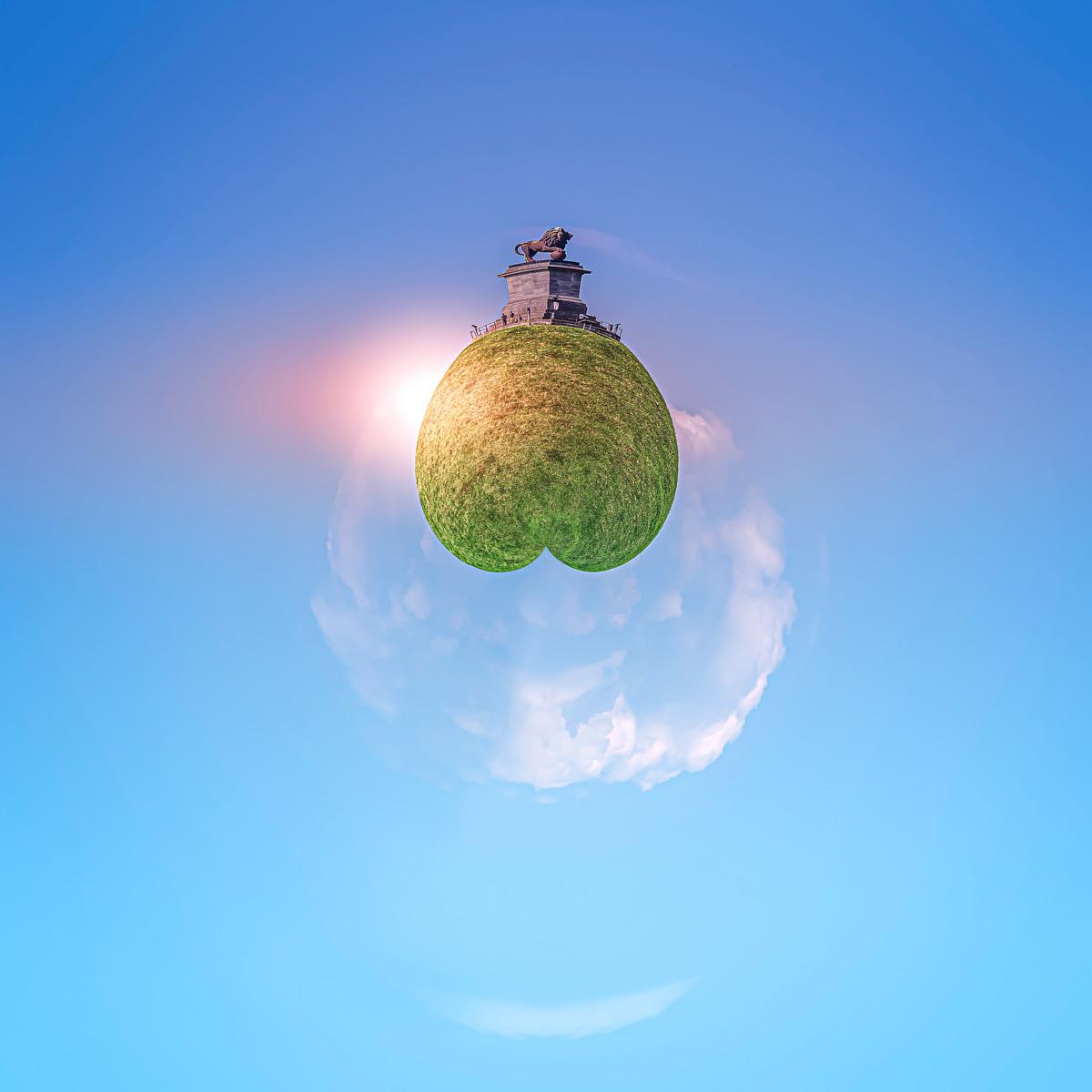
My Heart
-
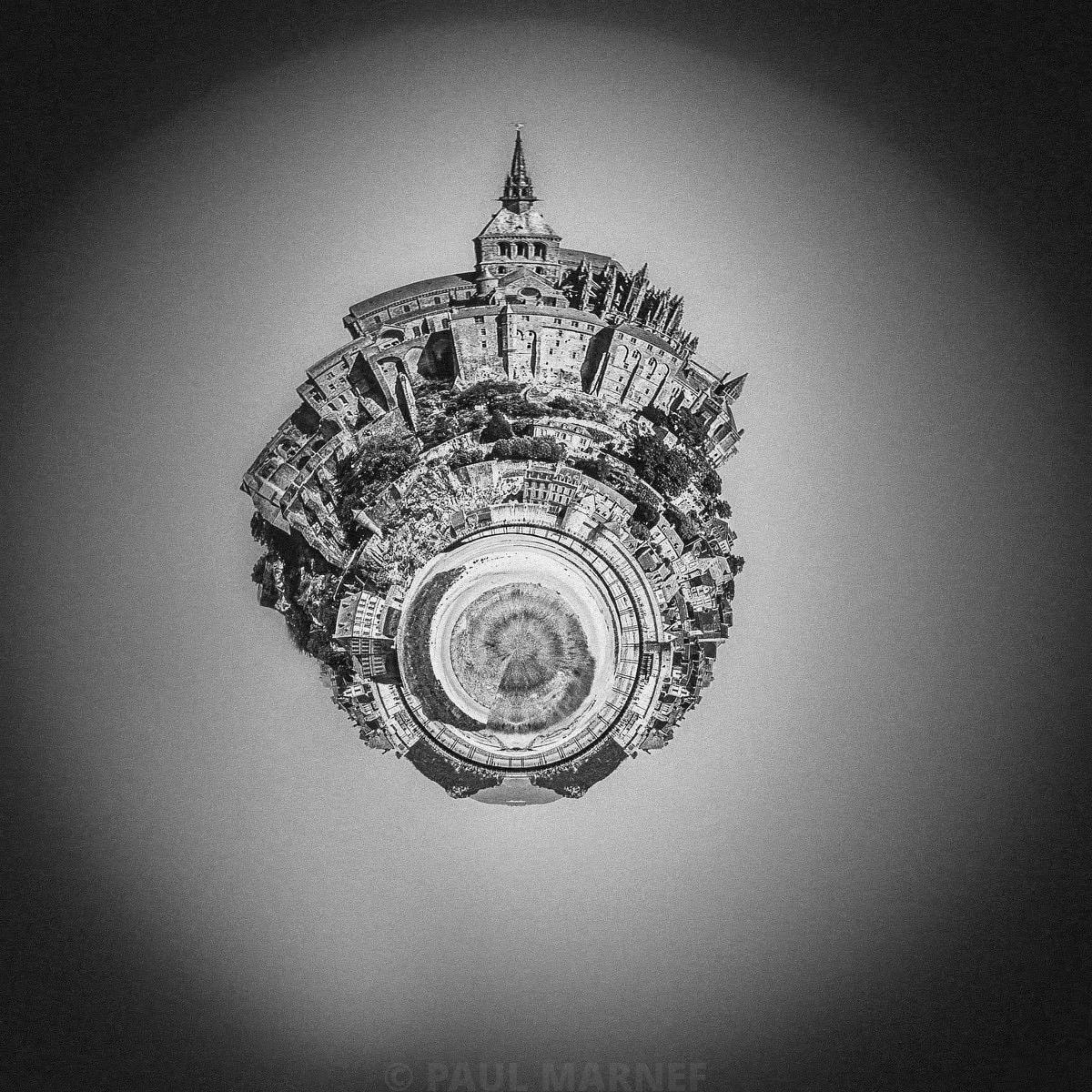
The Eye of the Mount
-
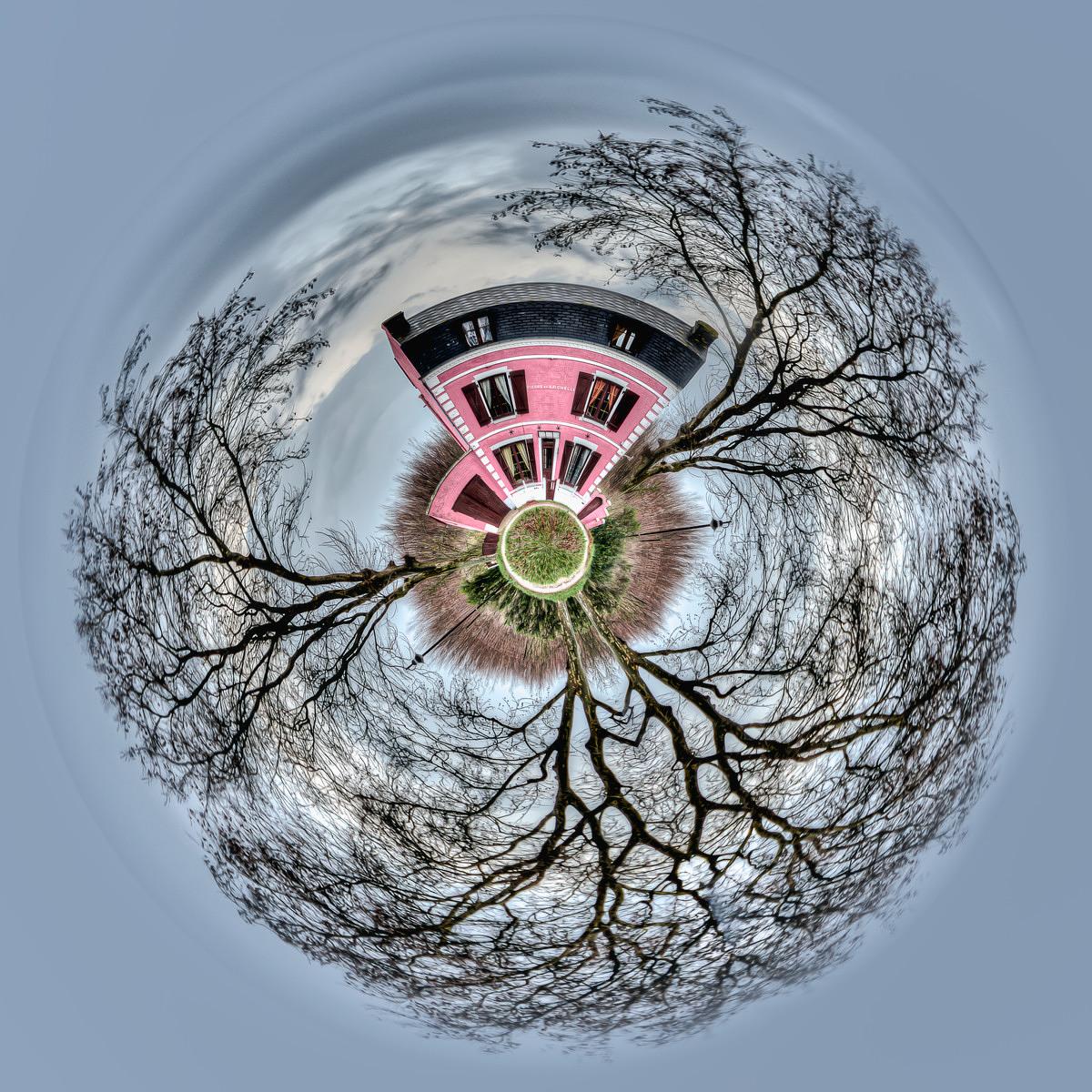
The Pink House
-
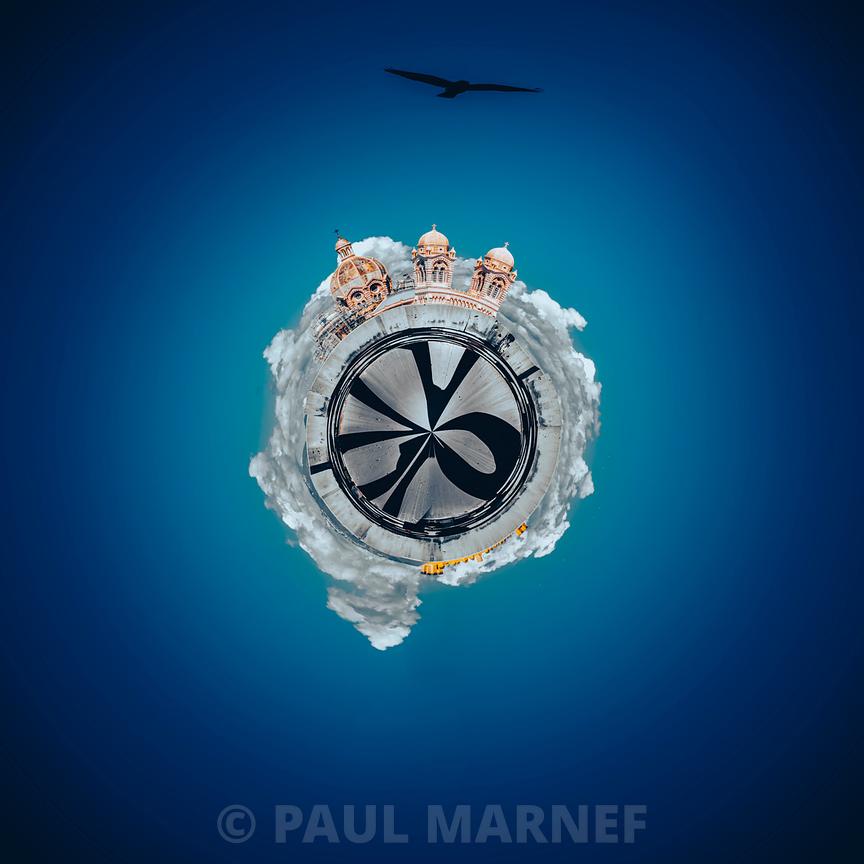
La Major Under the Wing
-
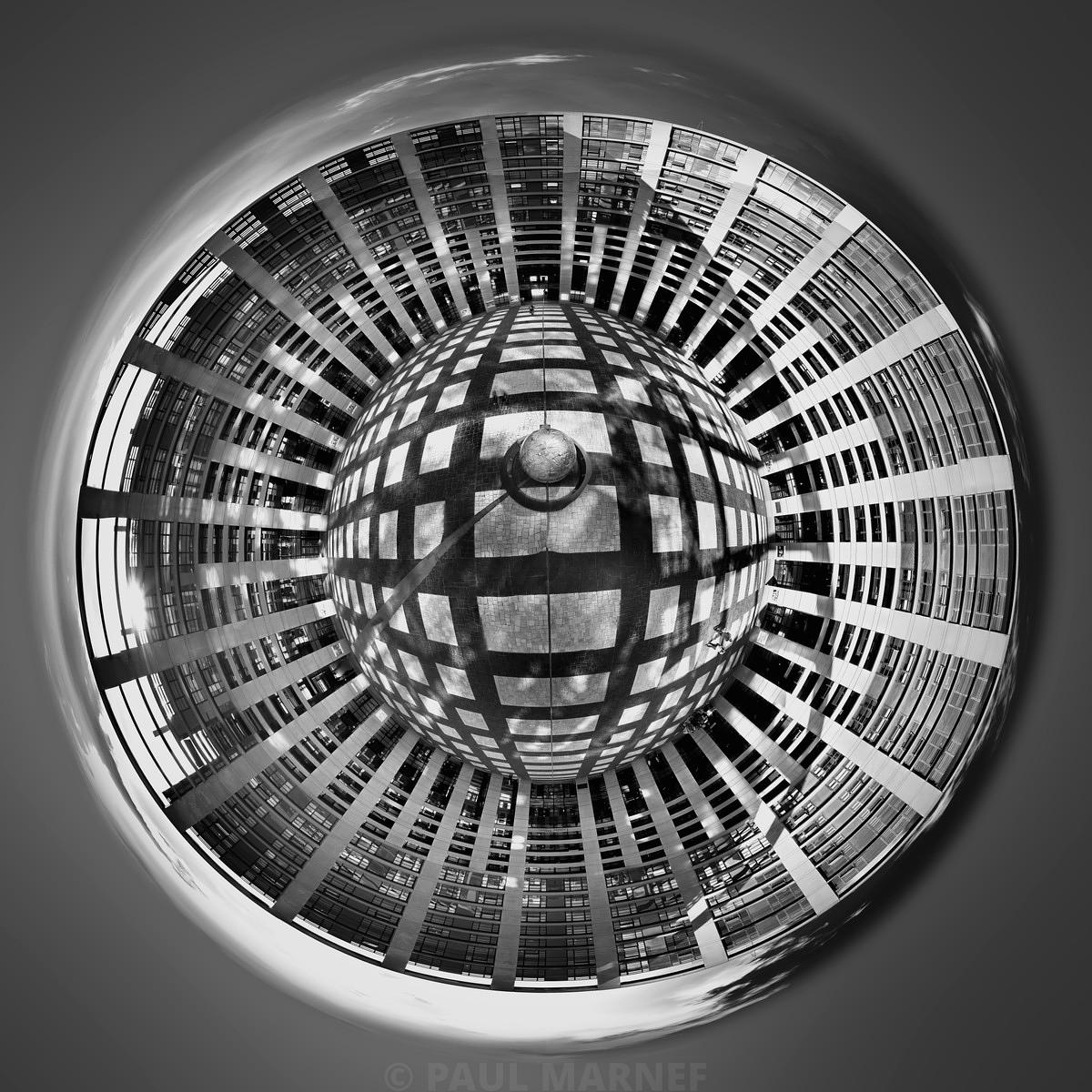
Institutional labyrinth
-
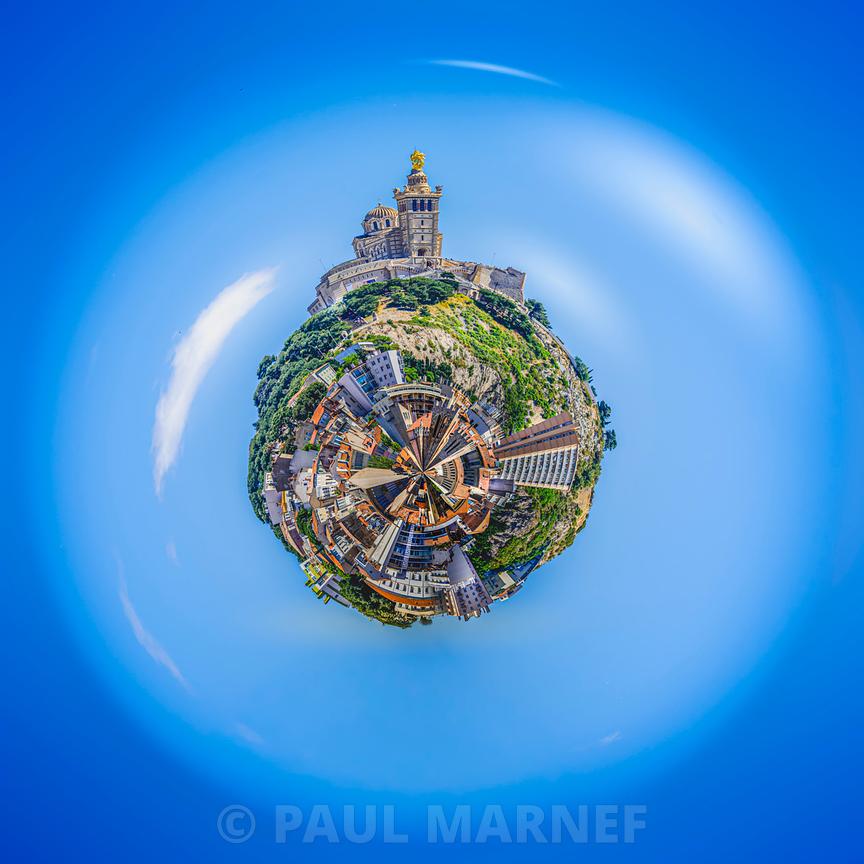
Our Lady of the Guard
-
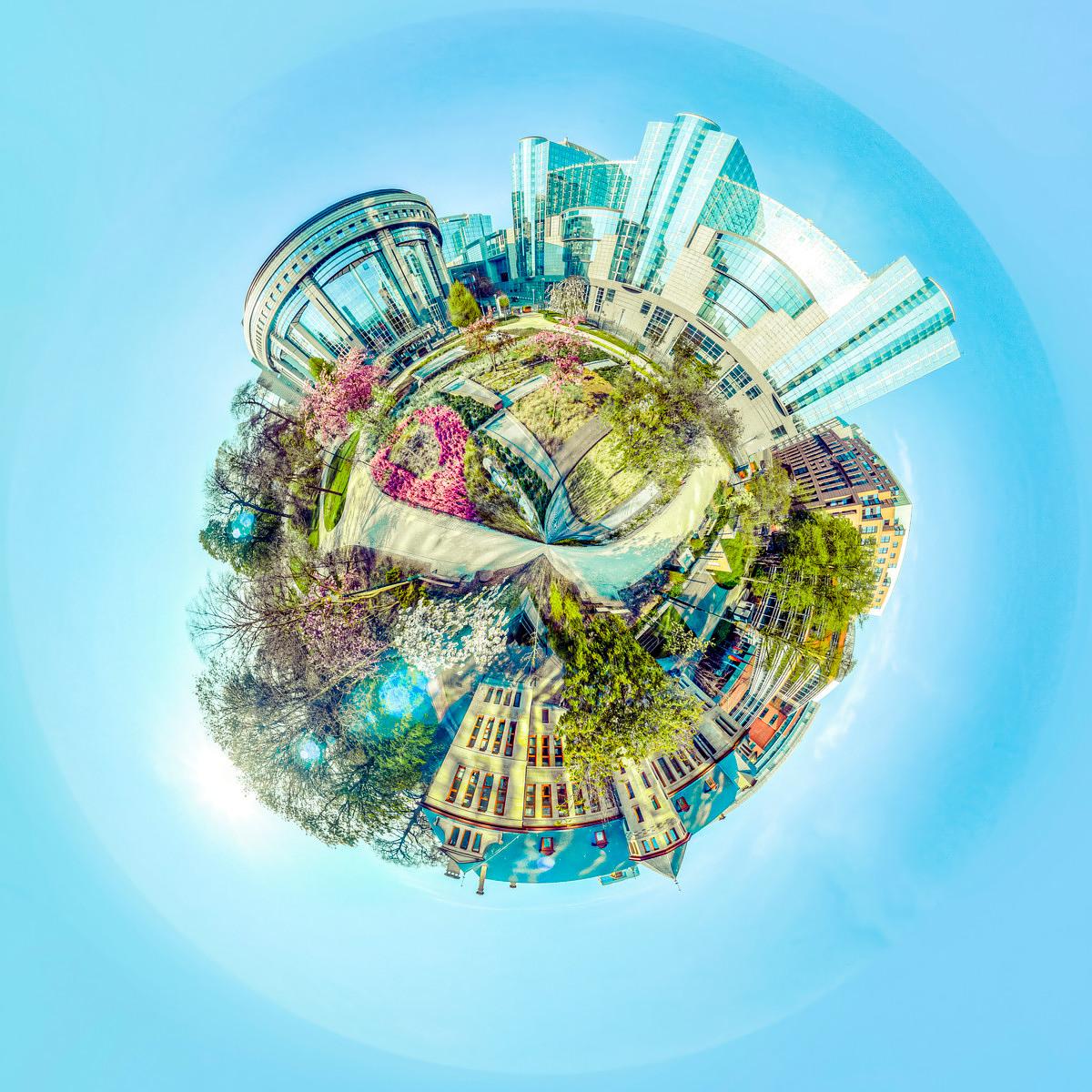
The Garden of Europe
-
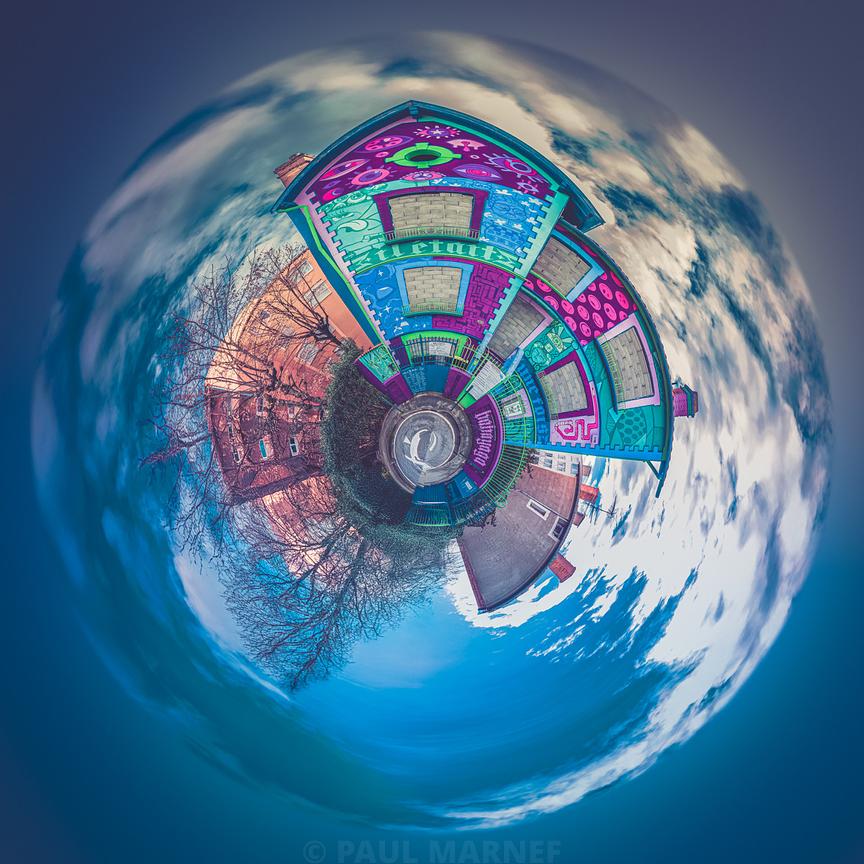
Babayaga
-
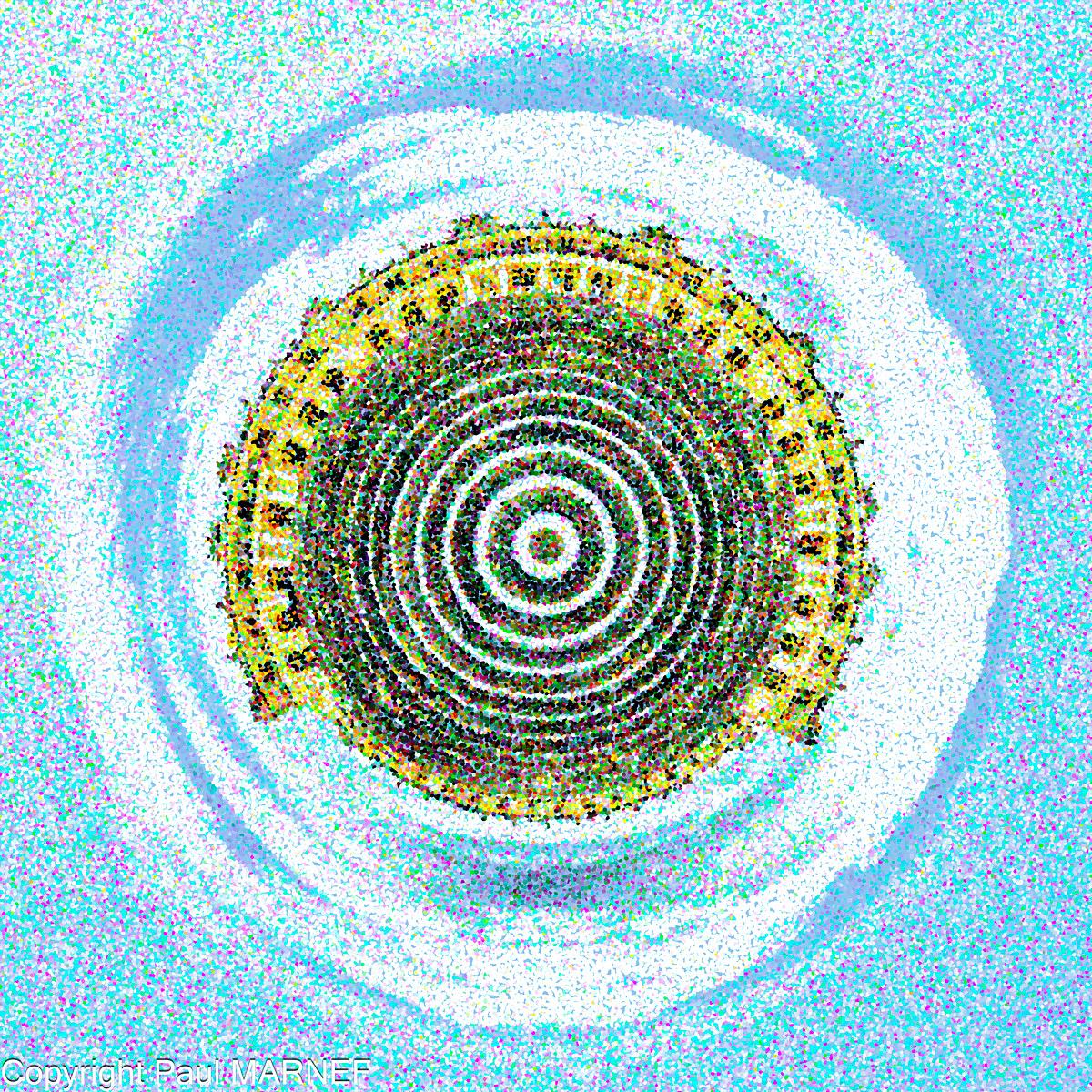
Palace of Versailles
-
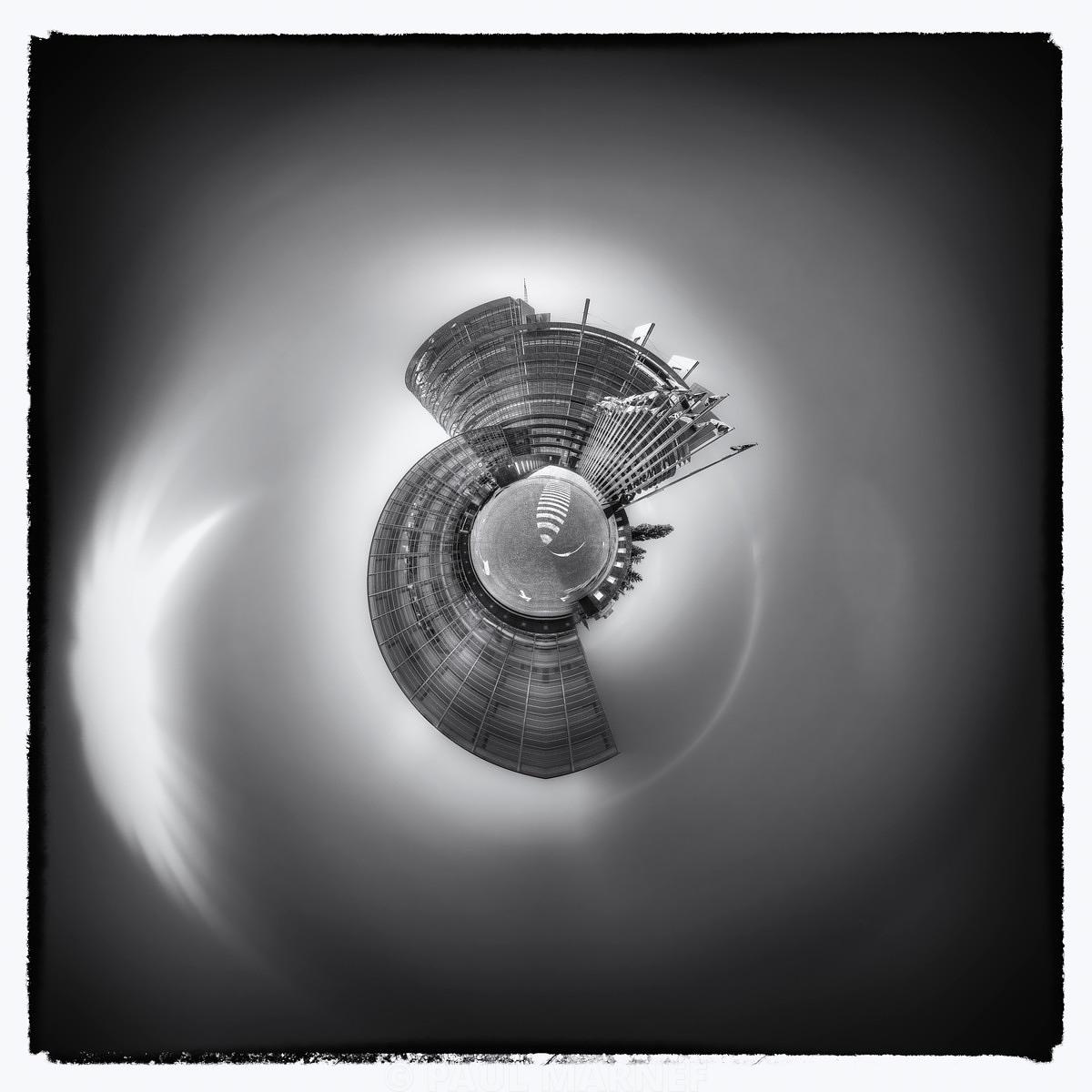
The Voices of Harmony, Sometimes
-
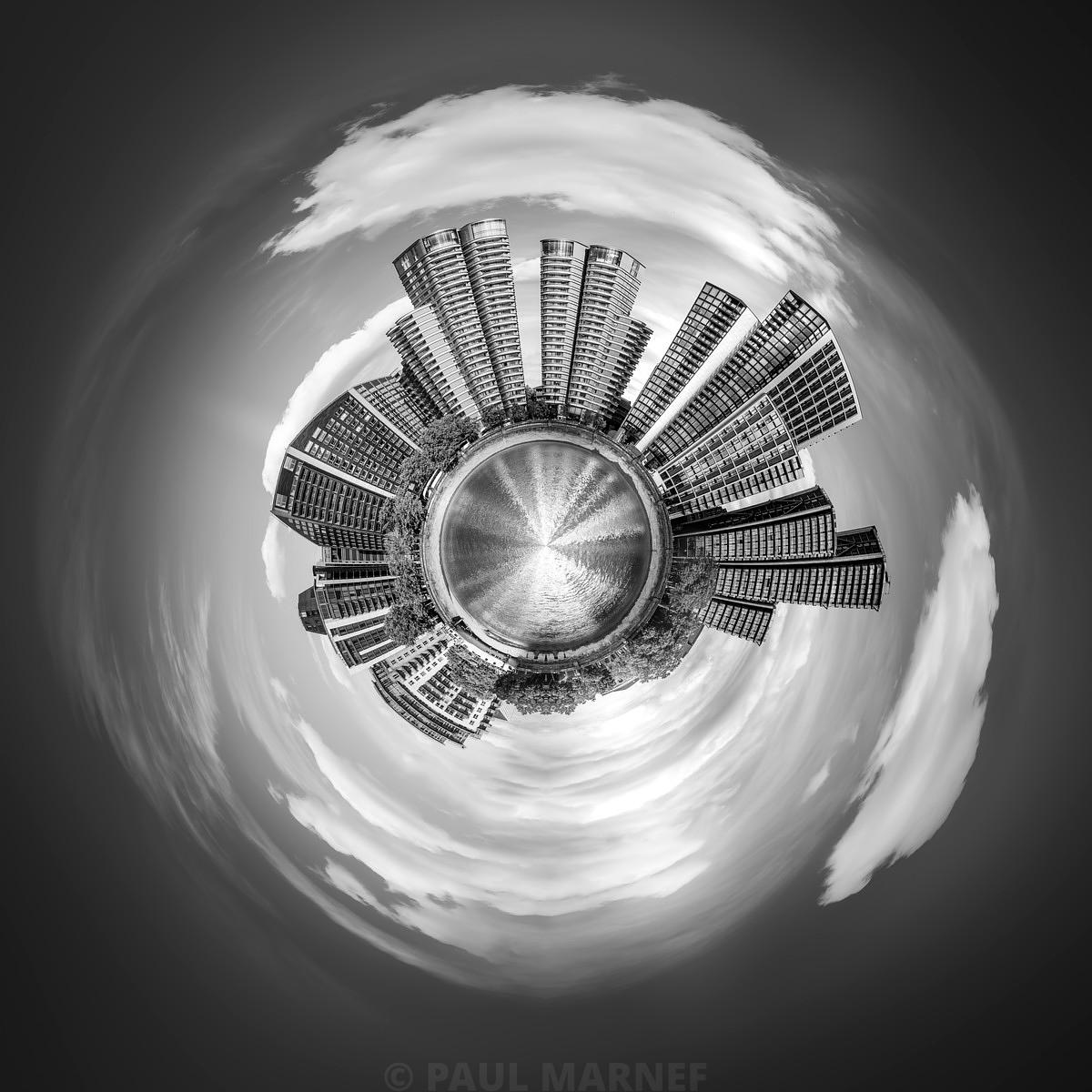
The Eye of the City
-
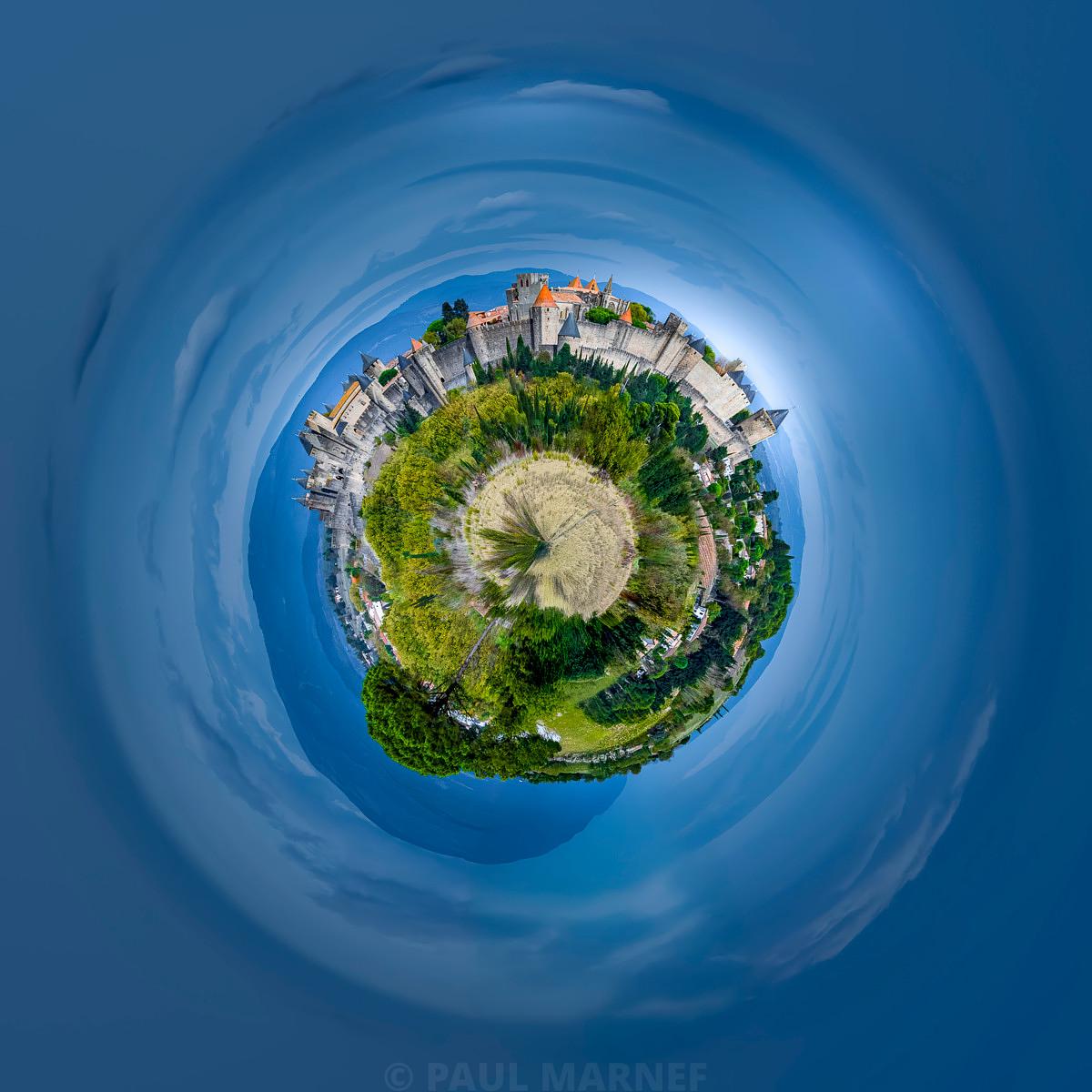
Eternal Carcassonne
-
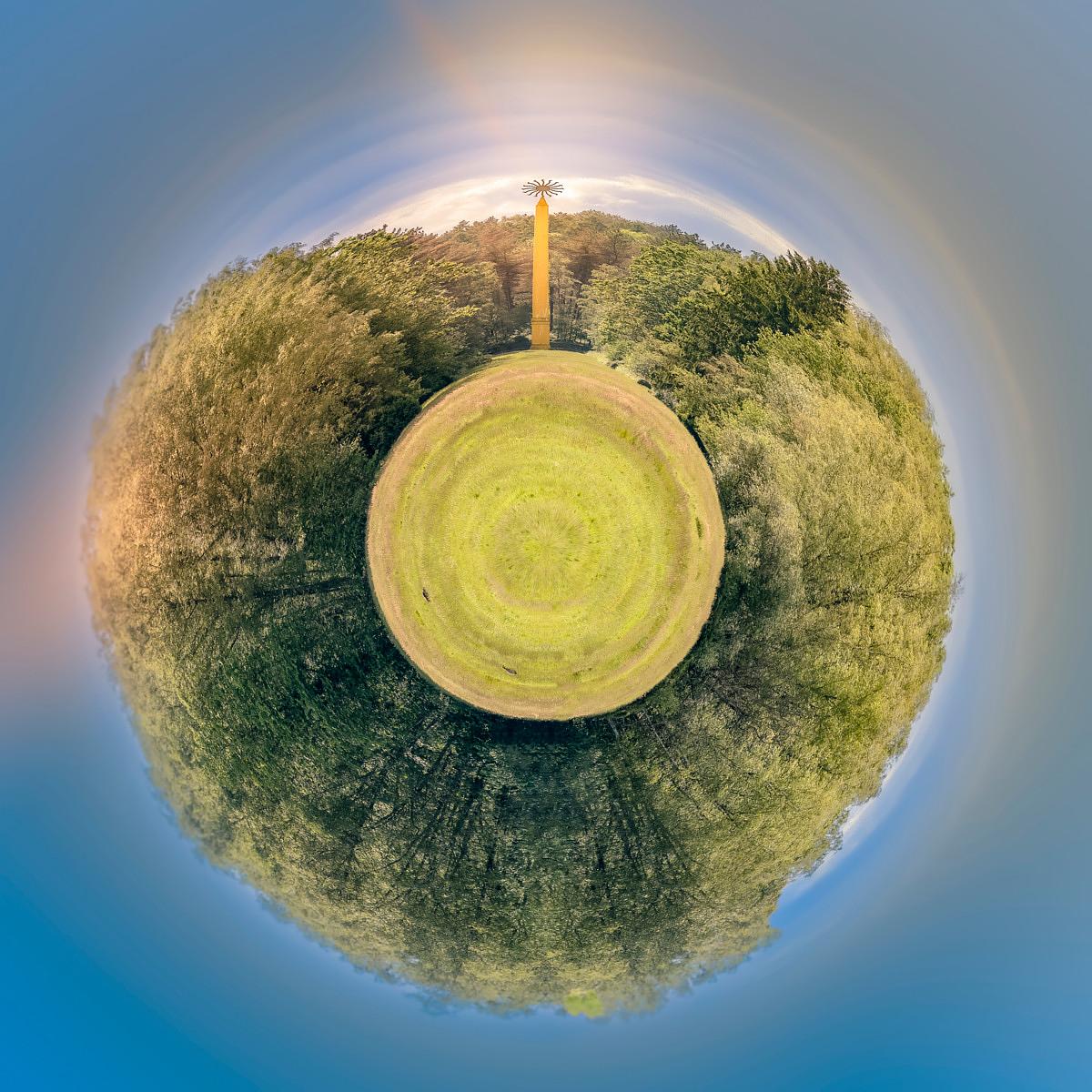
Guardian of Time
-
The Geometric Eye
-
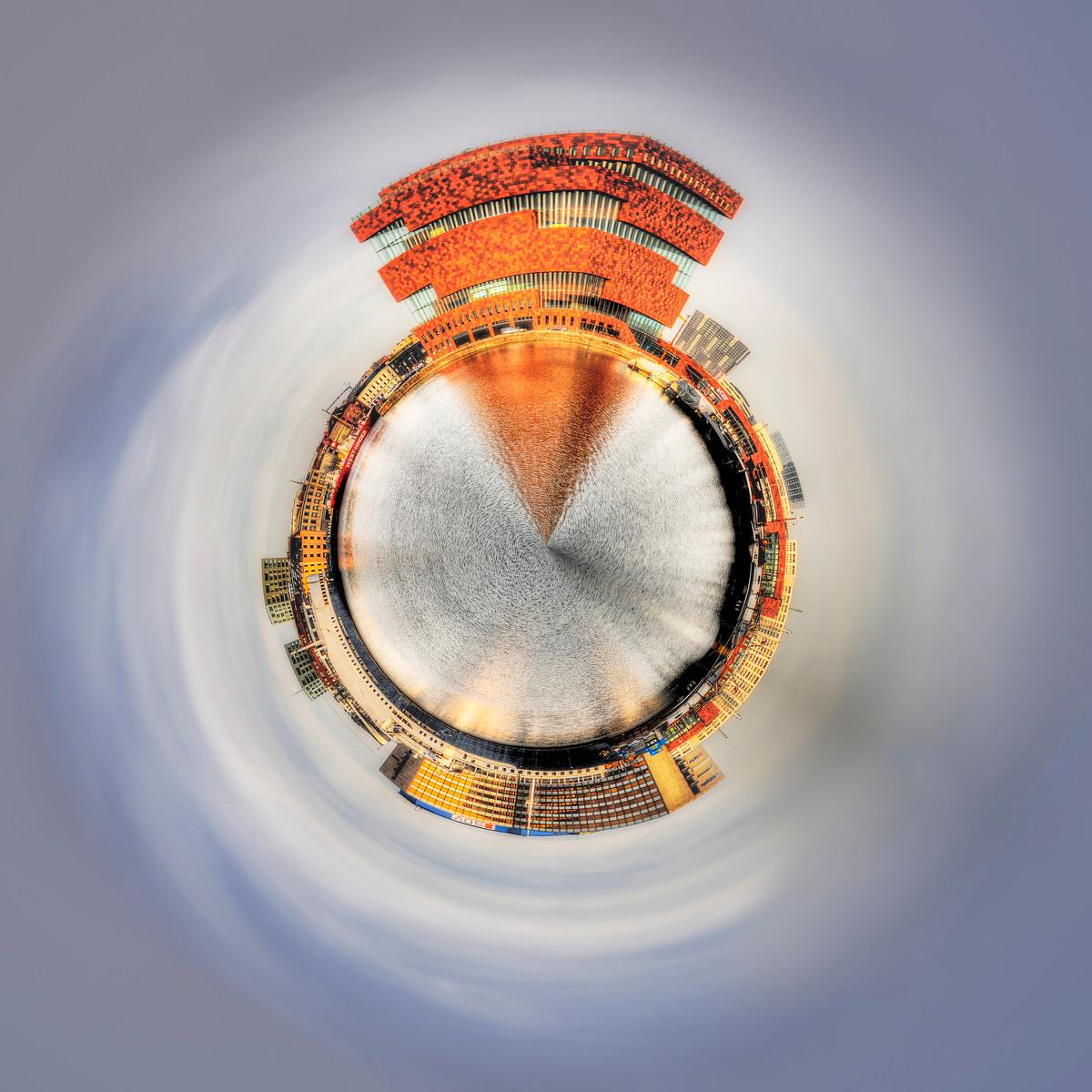
MAS Forever
-
The Column
-
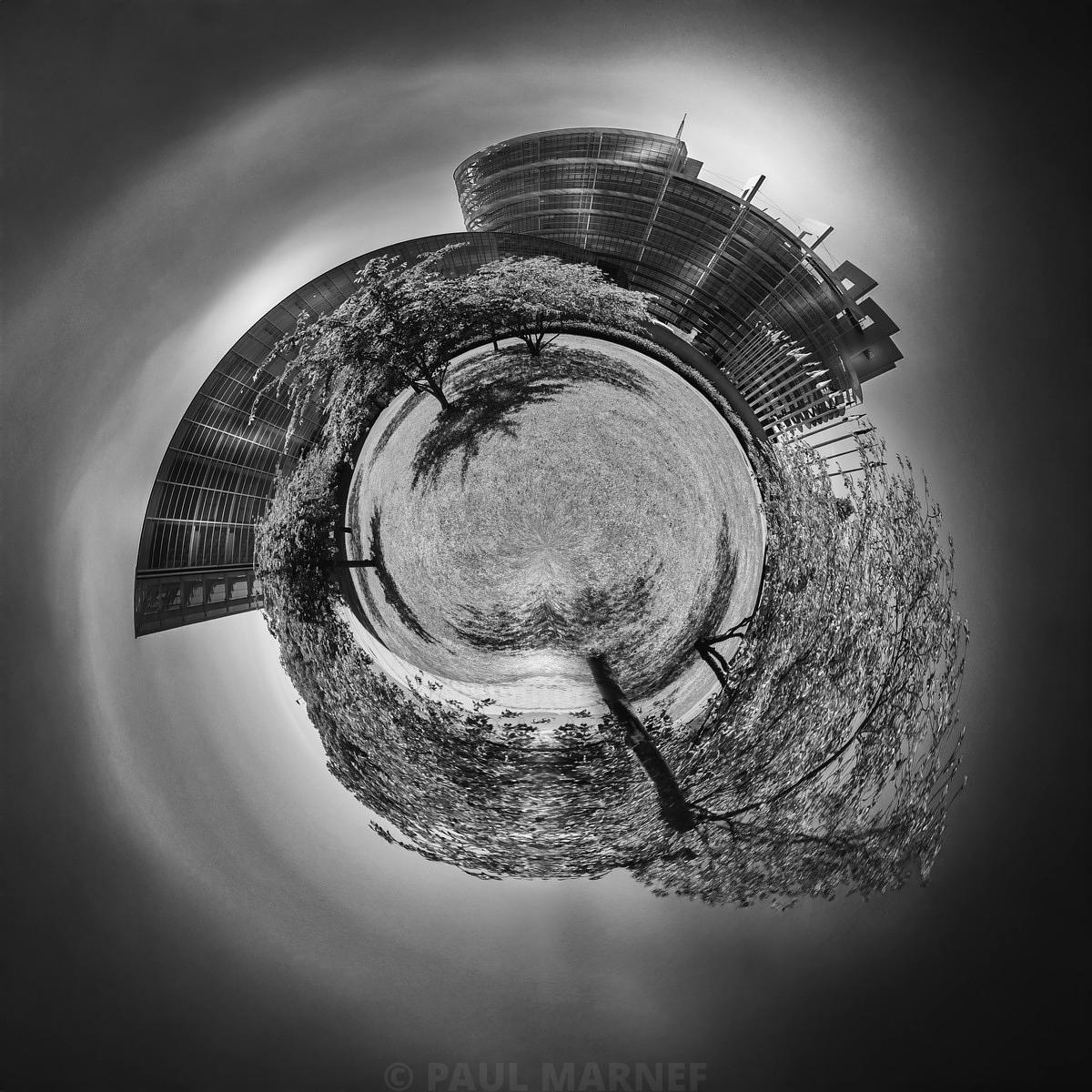
The Gravity of Europe
-
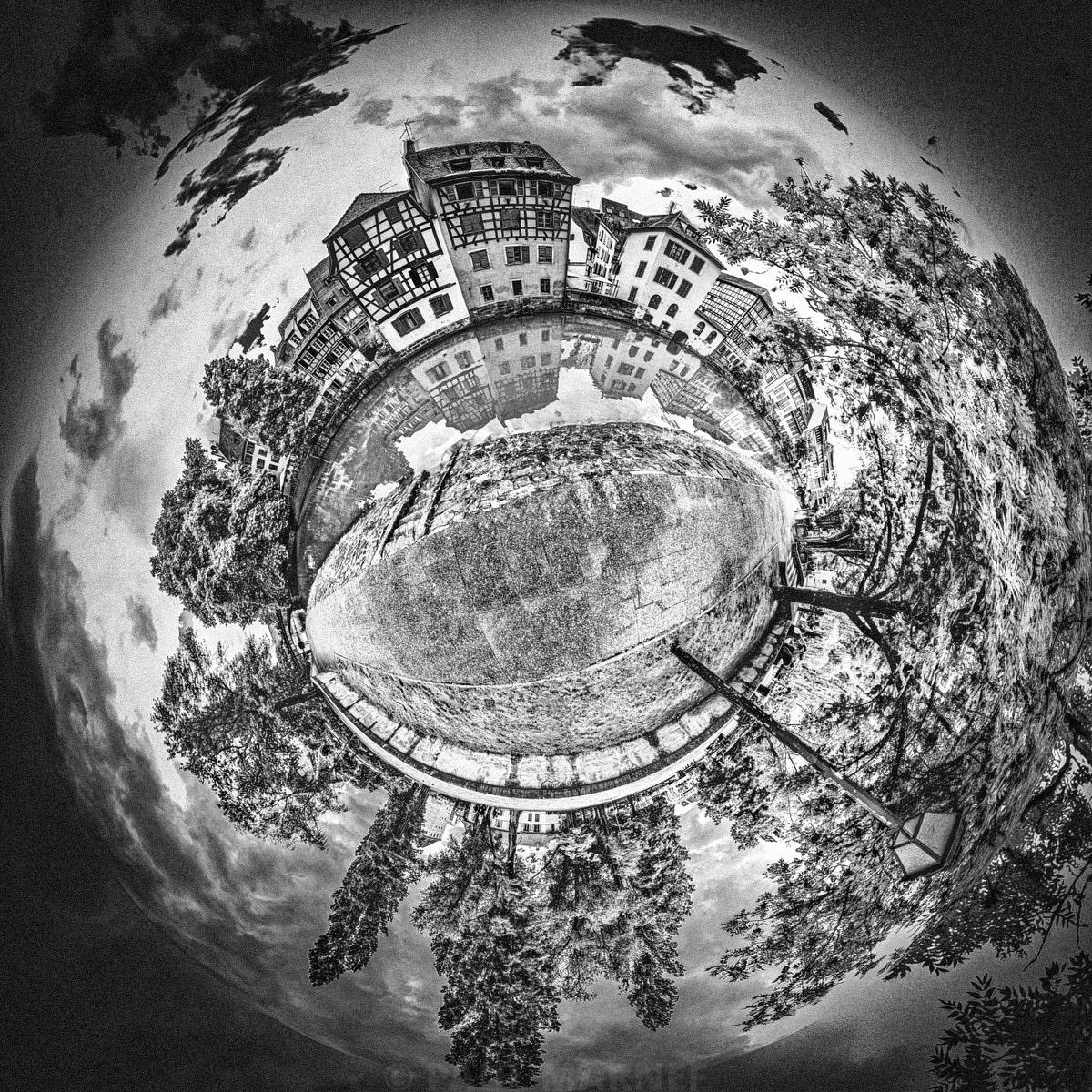
Petite France
-
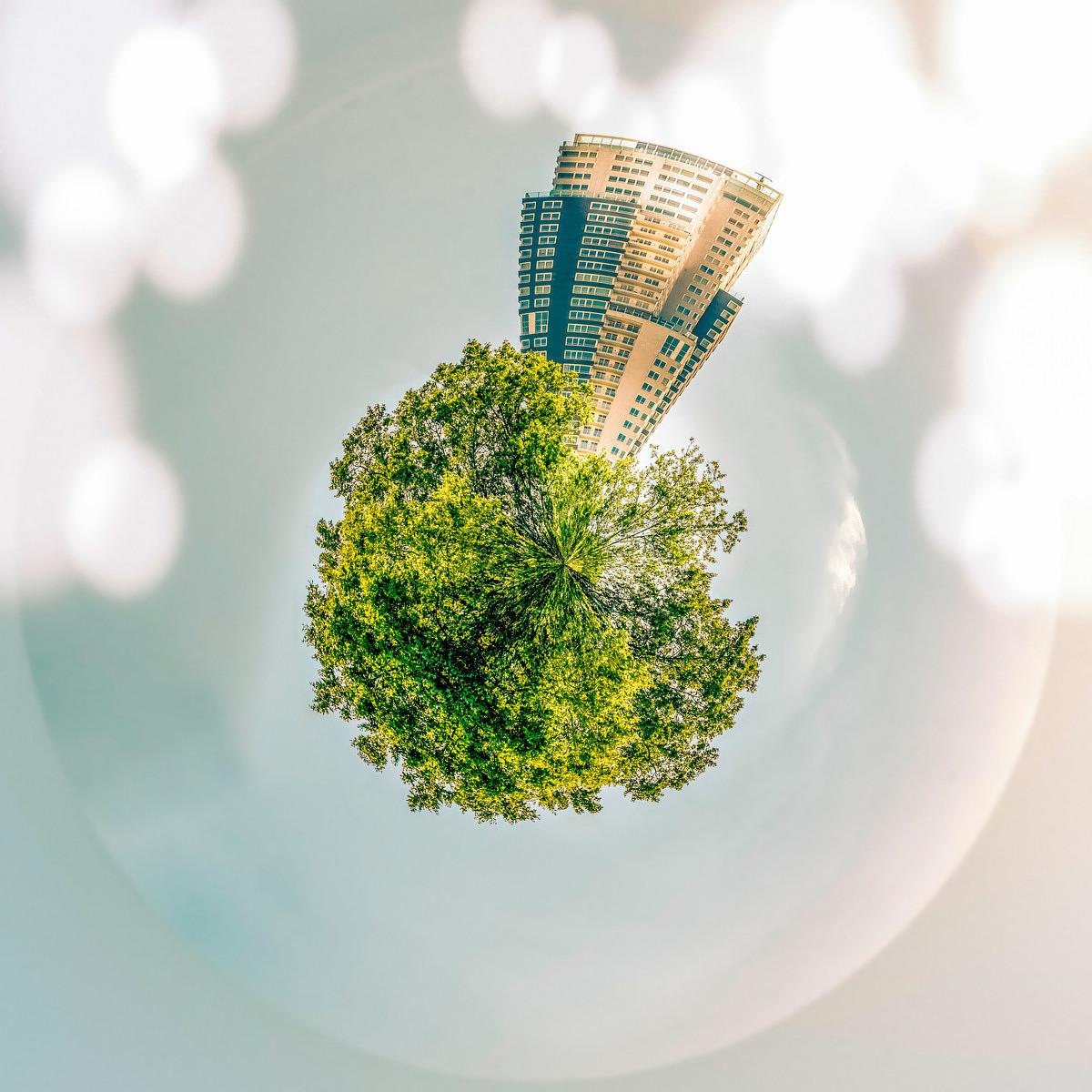
Lonely building
-
The European Island
-
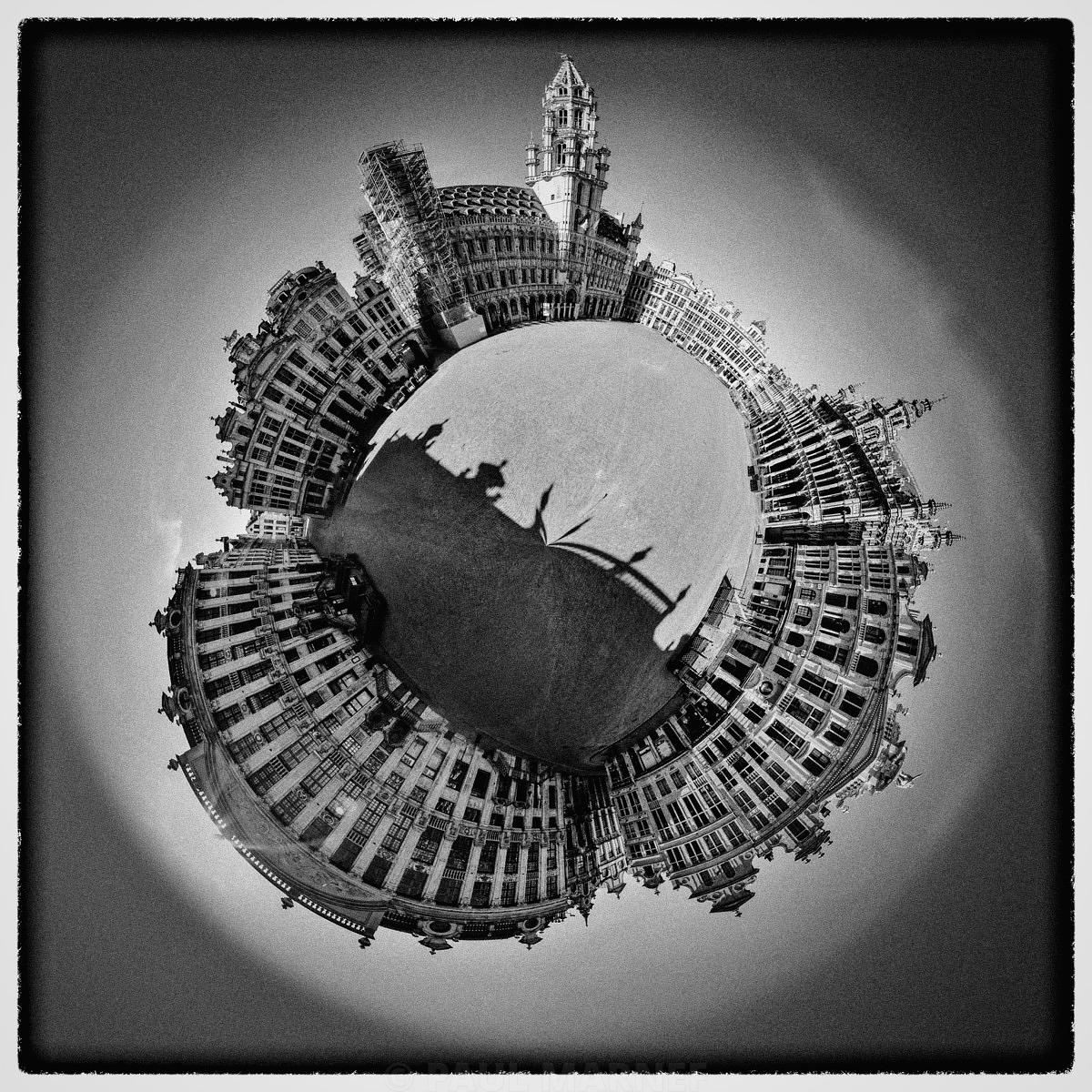
Grand-Place, Great Silence
-
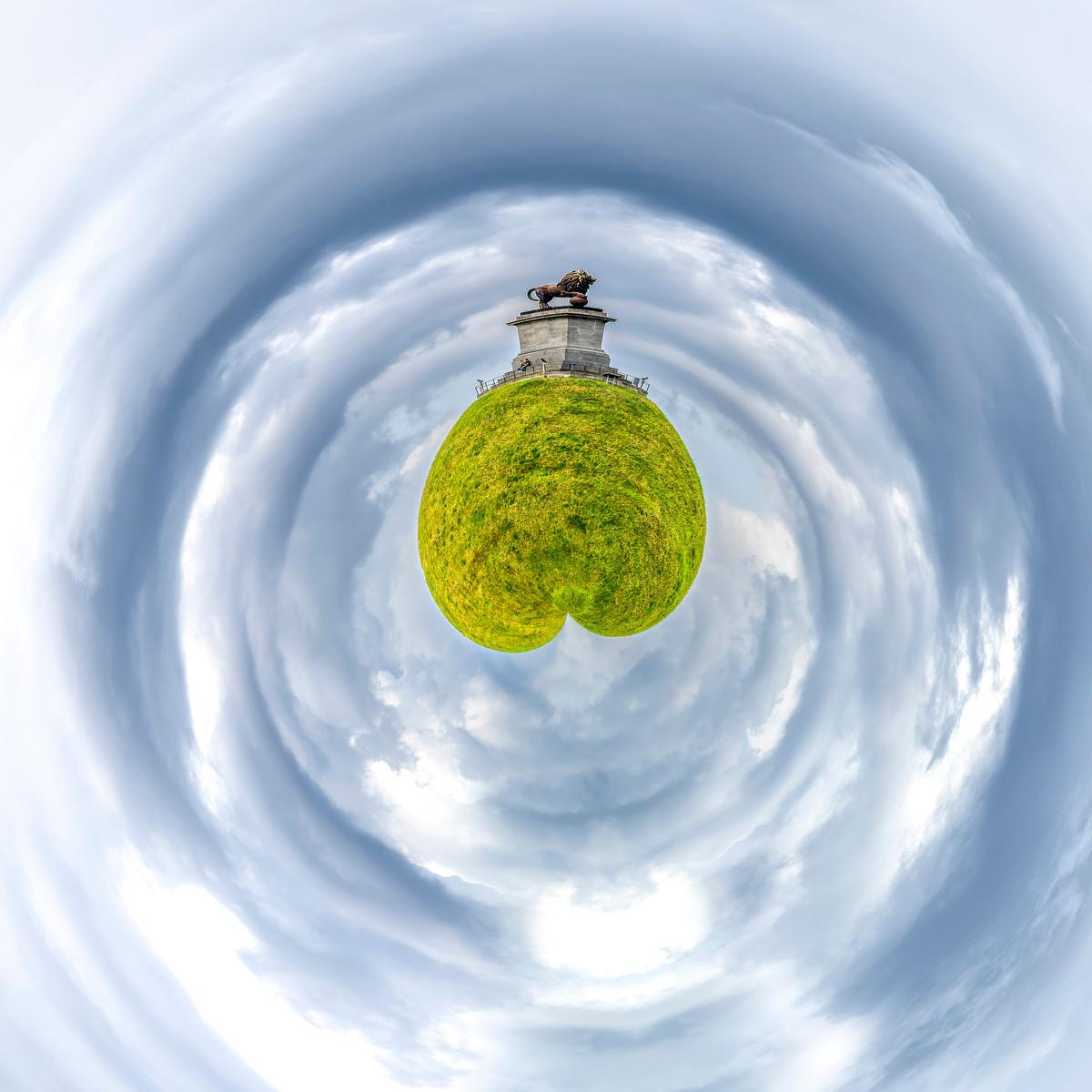
Watching the Field
-
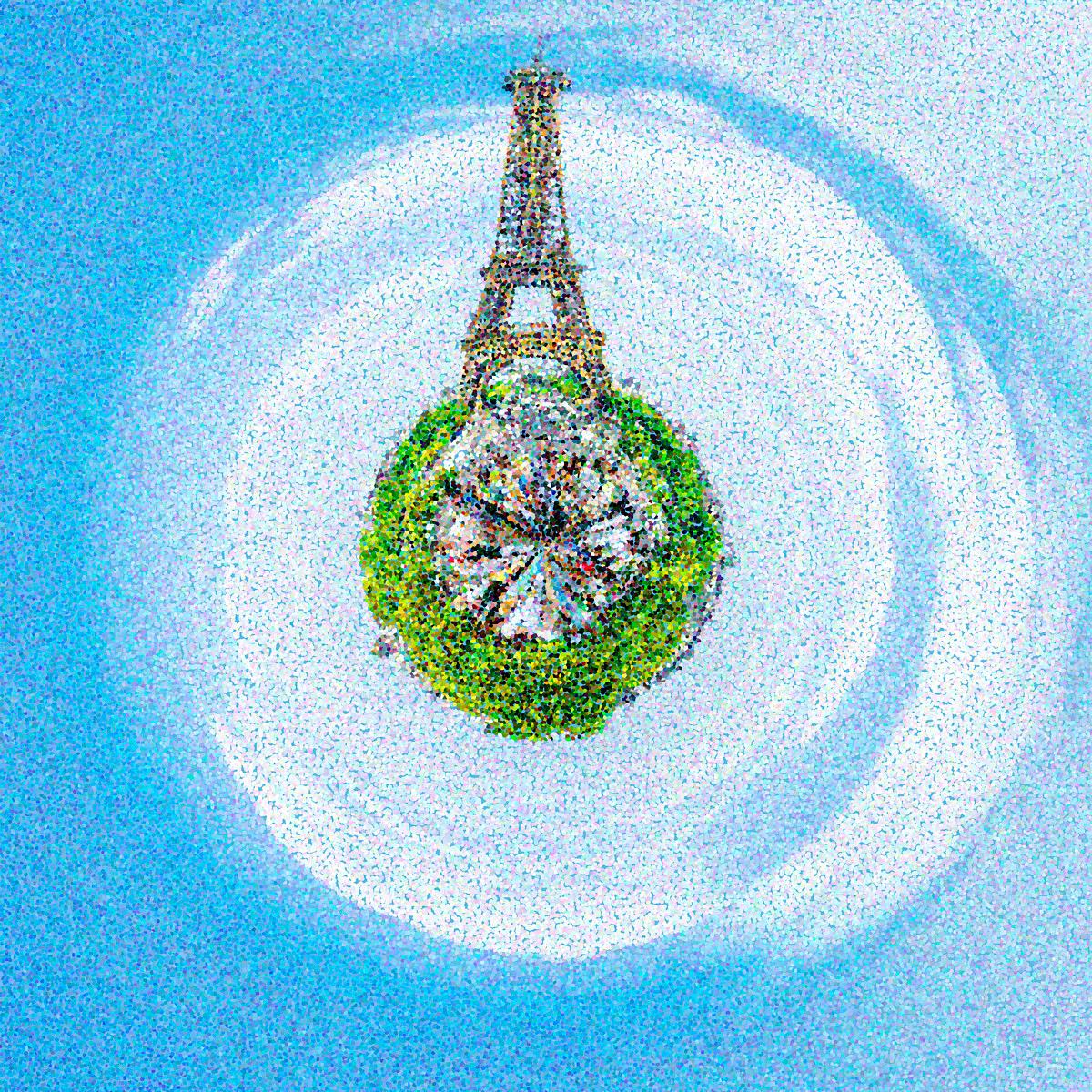
Parisian Whirlwind
-
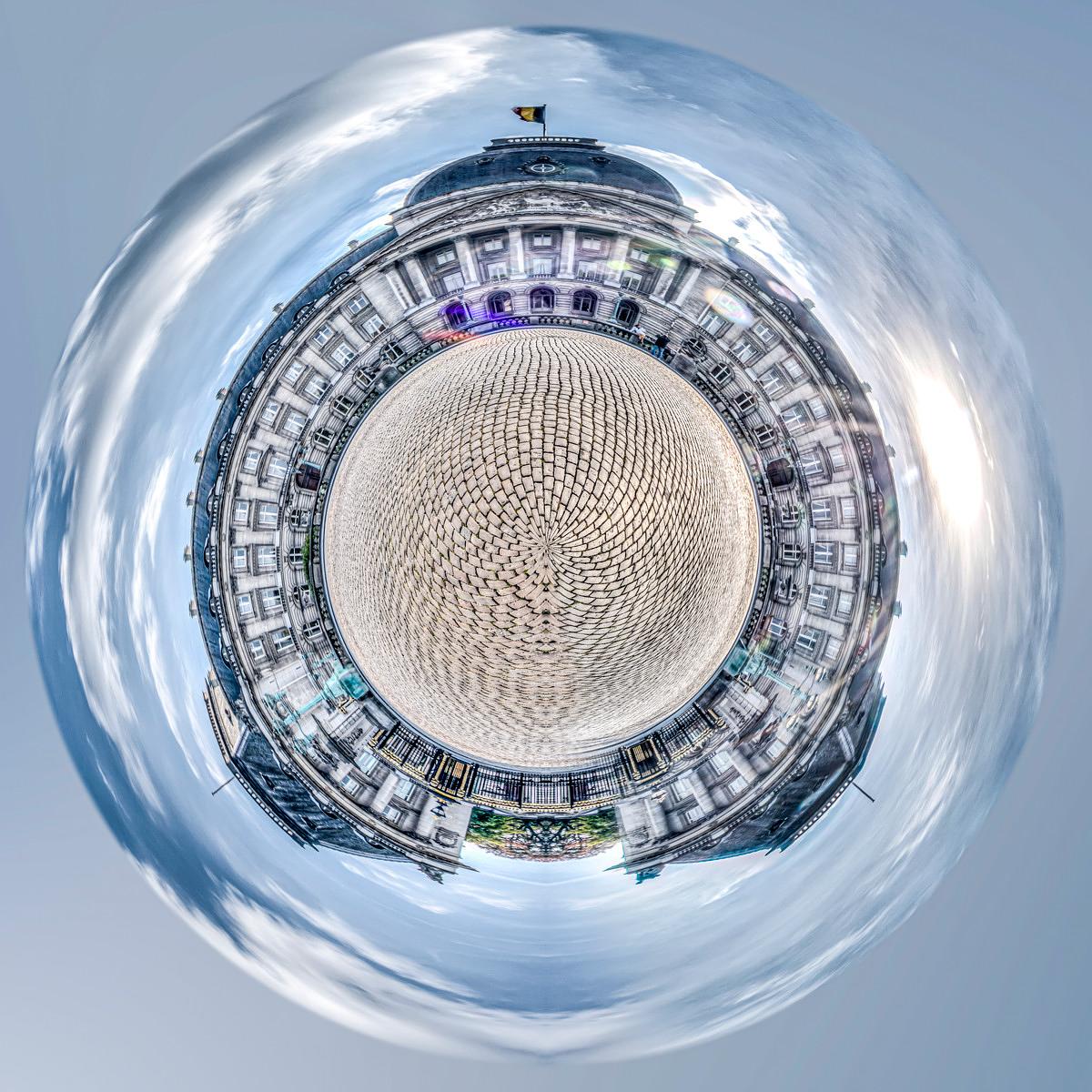
The Heart of the Monarchy
-
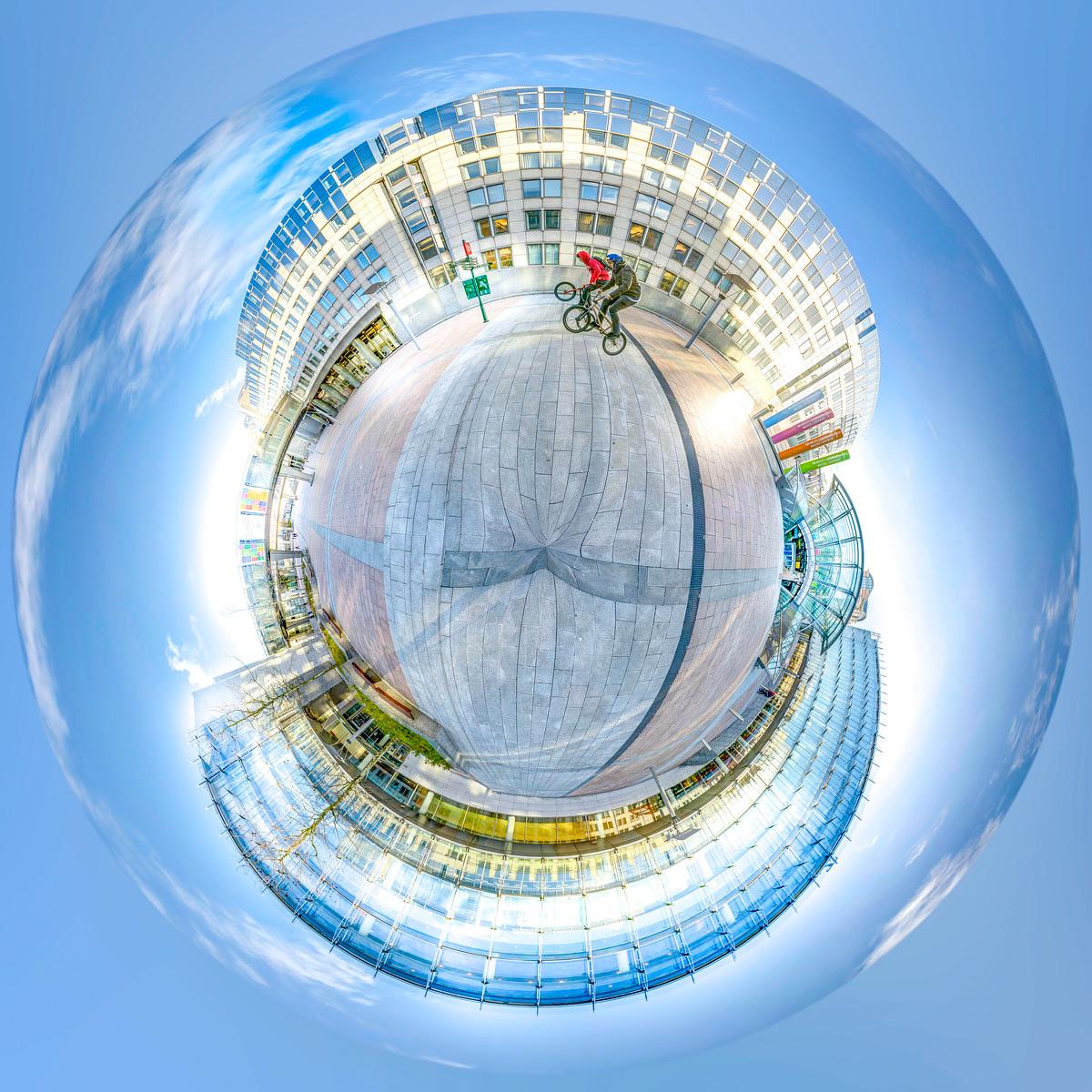
The Spirit of Adventure
-
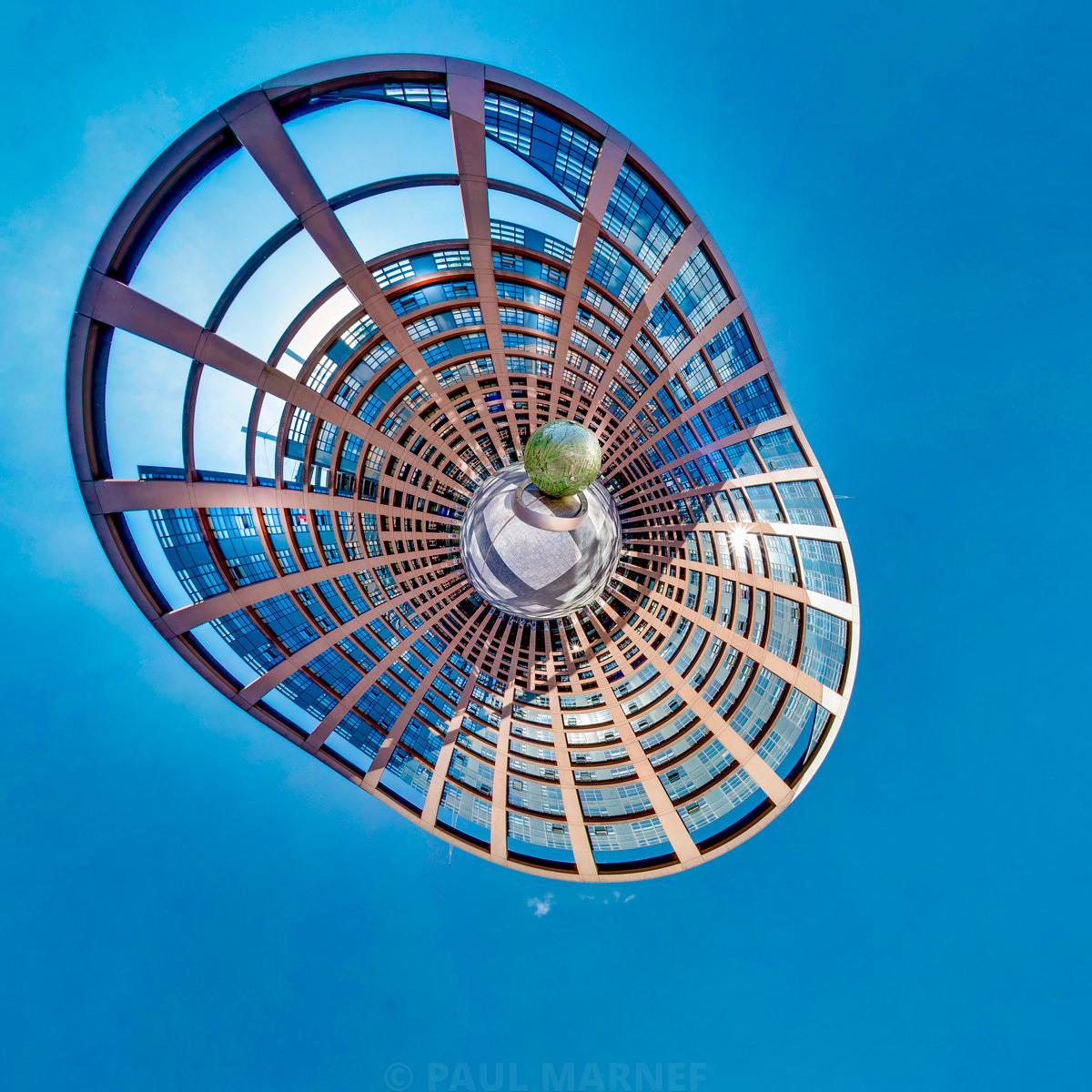
Balance of Forces
-
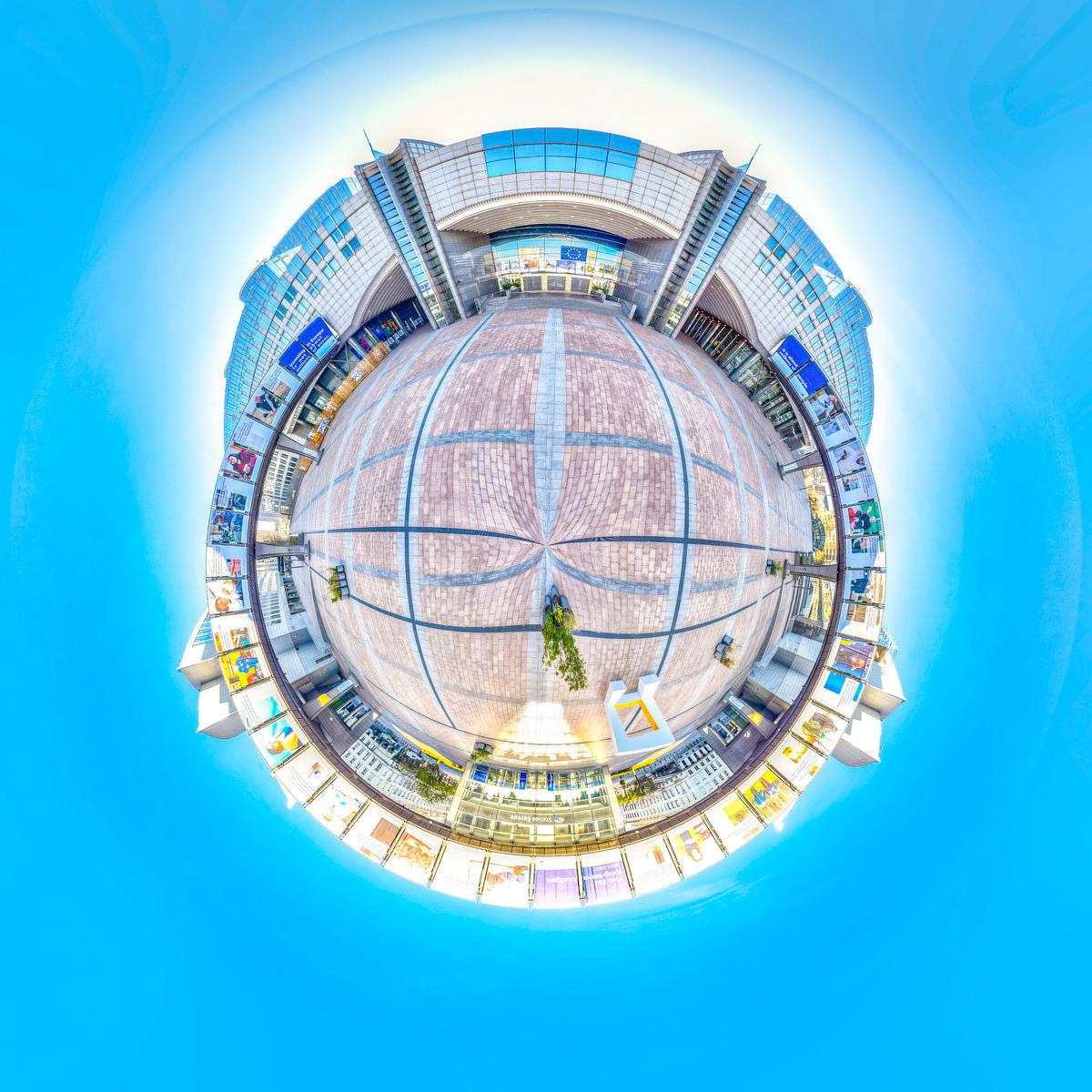
At the Centre of Debates
-
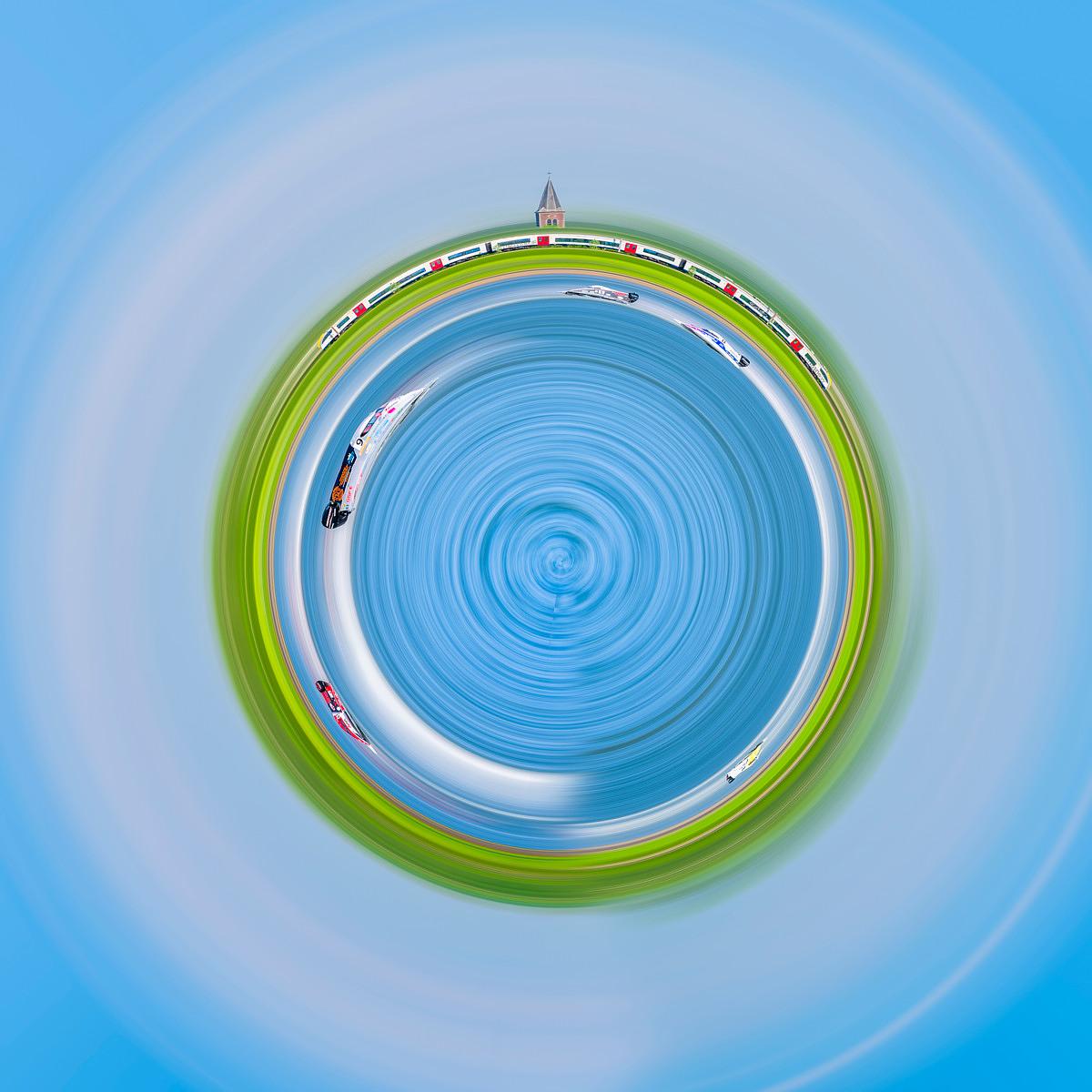
Speed Village
-
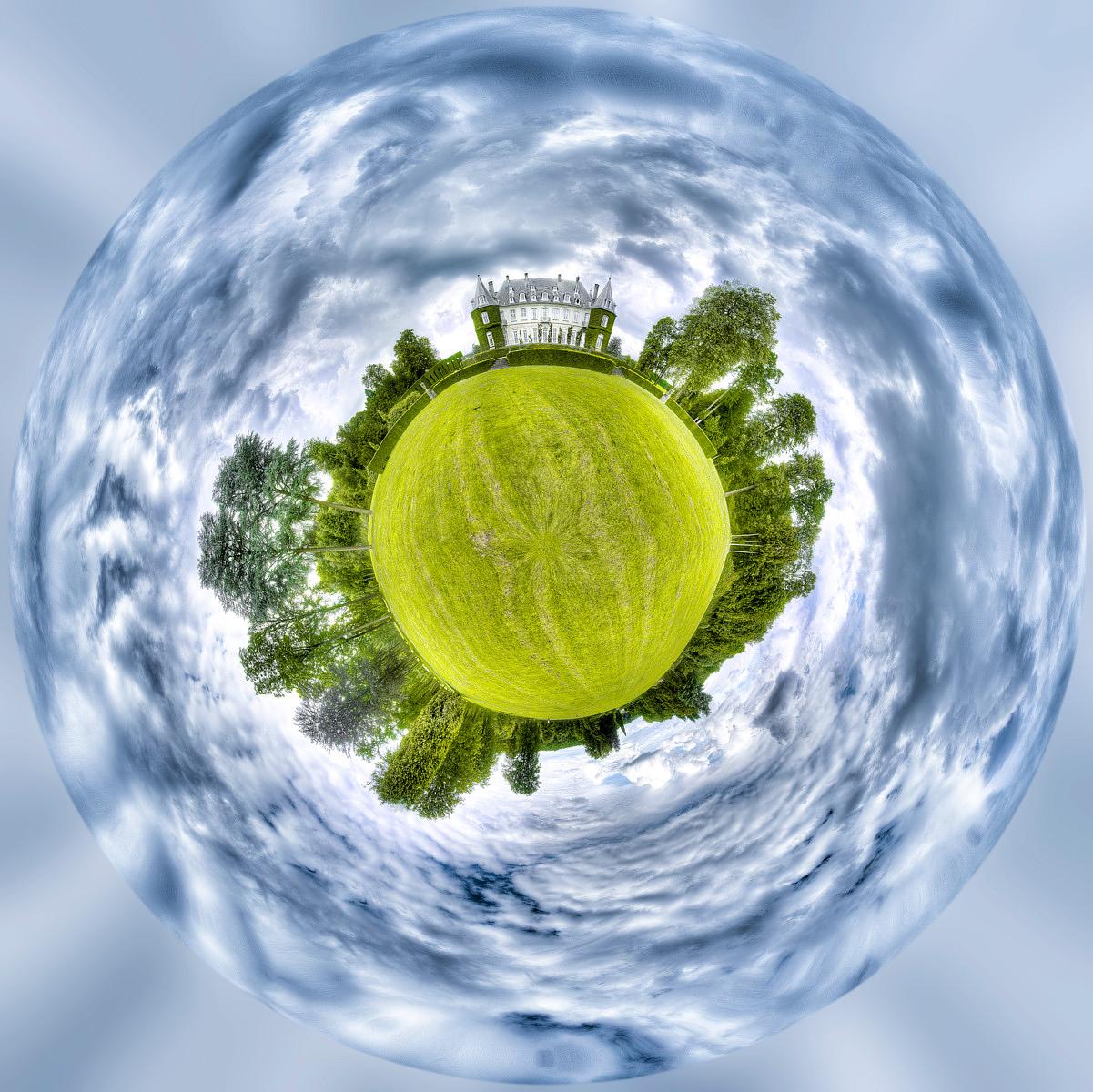
The Castle
-
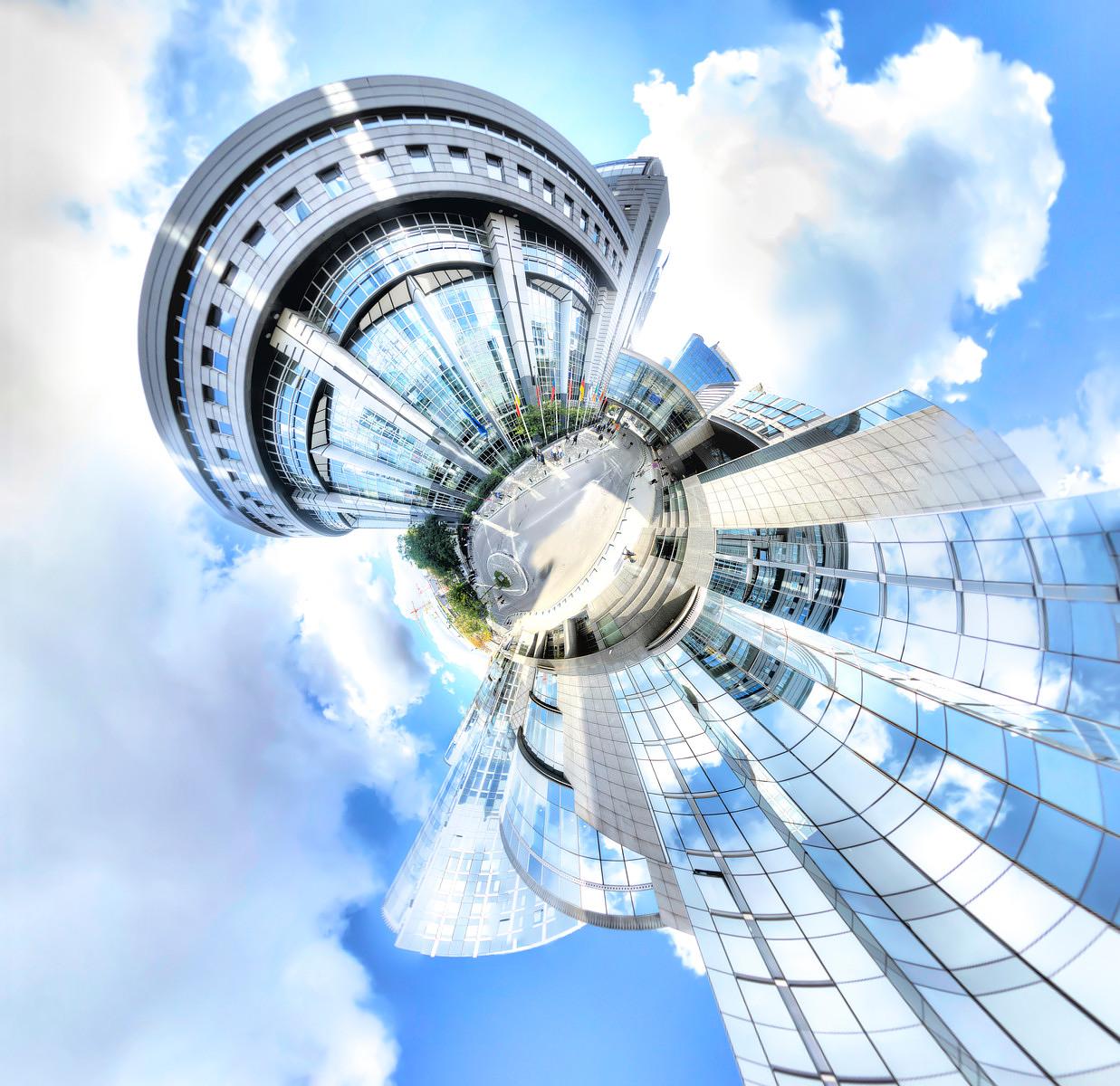
The Union in Perspective
-
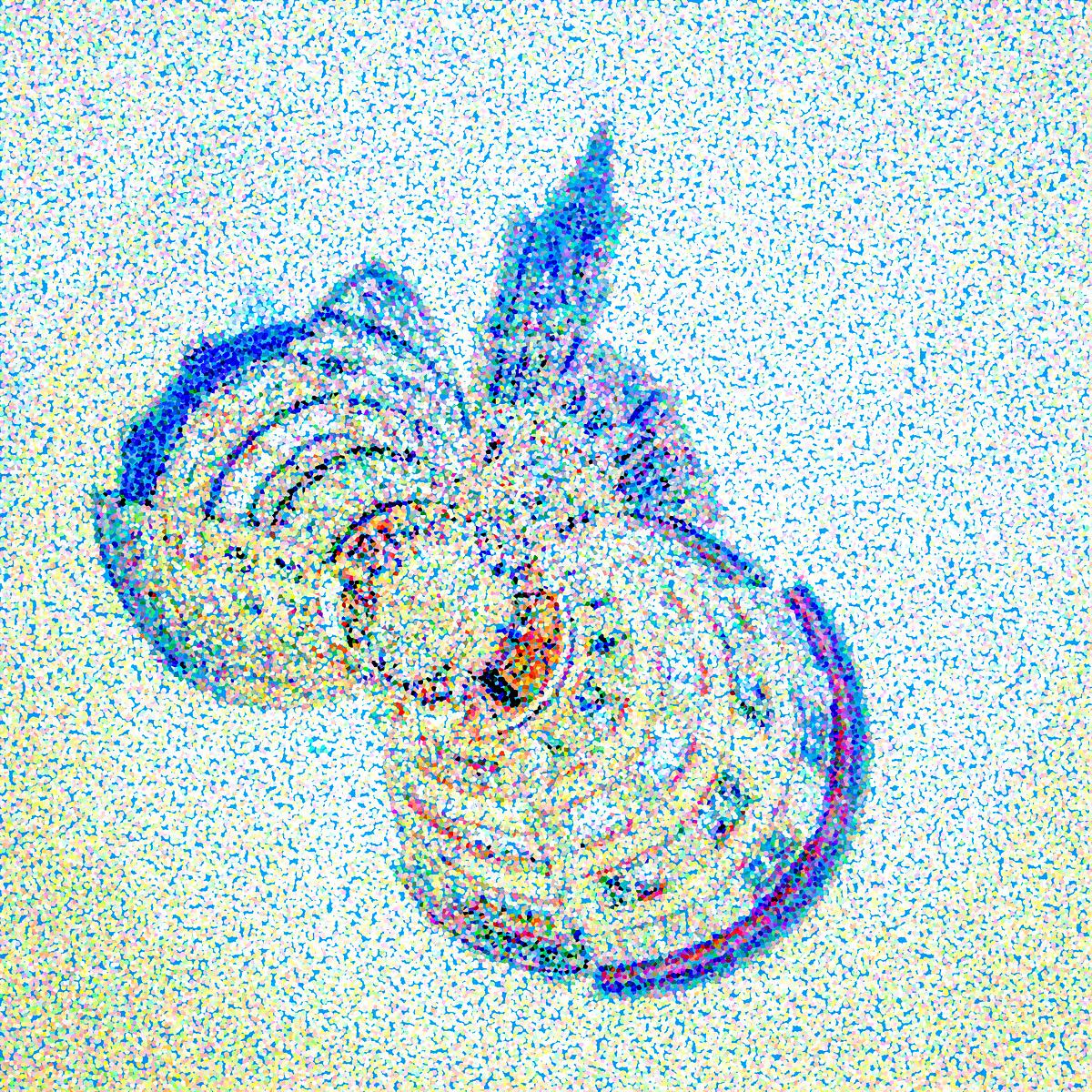
Spirals of the Cathedral
-
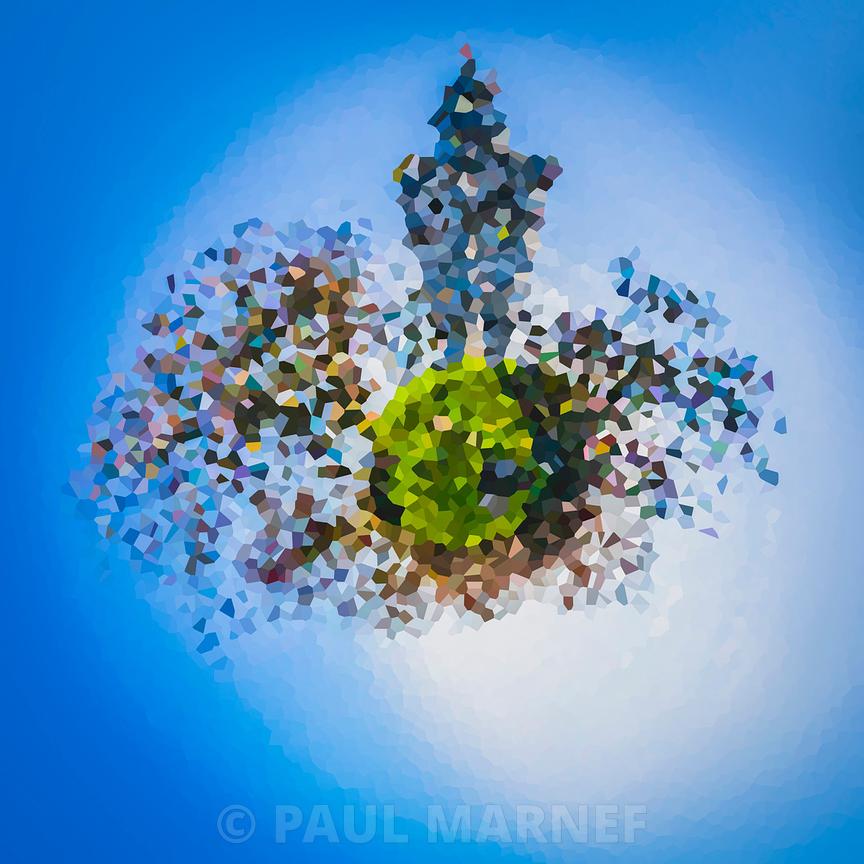
The Belfry
-
Alsatian Sphere
-
The Village
-
Paris
-
Guardian of the Invalides
-
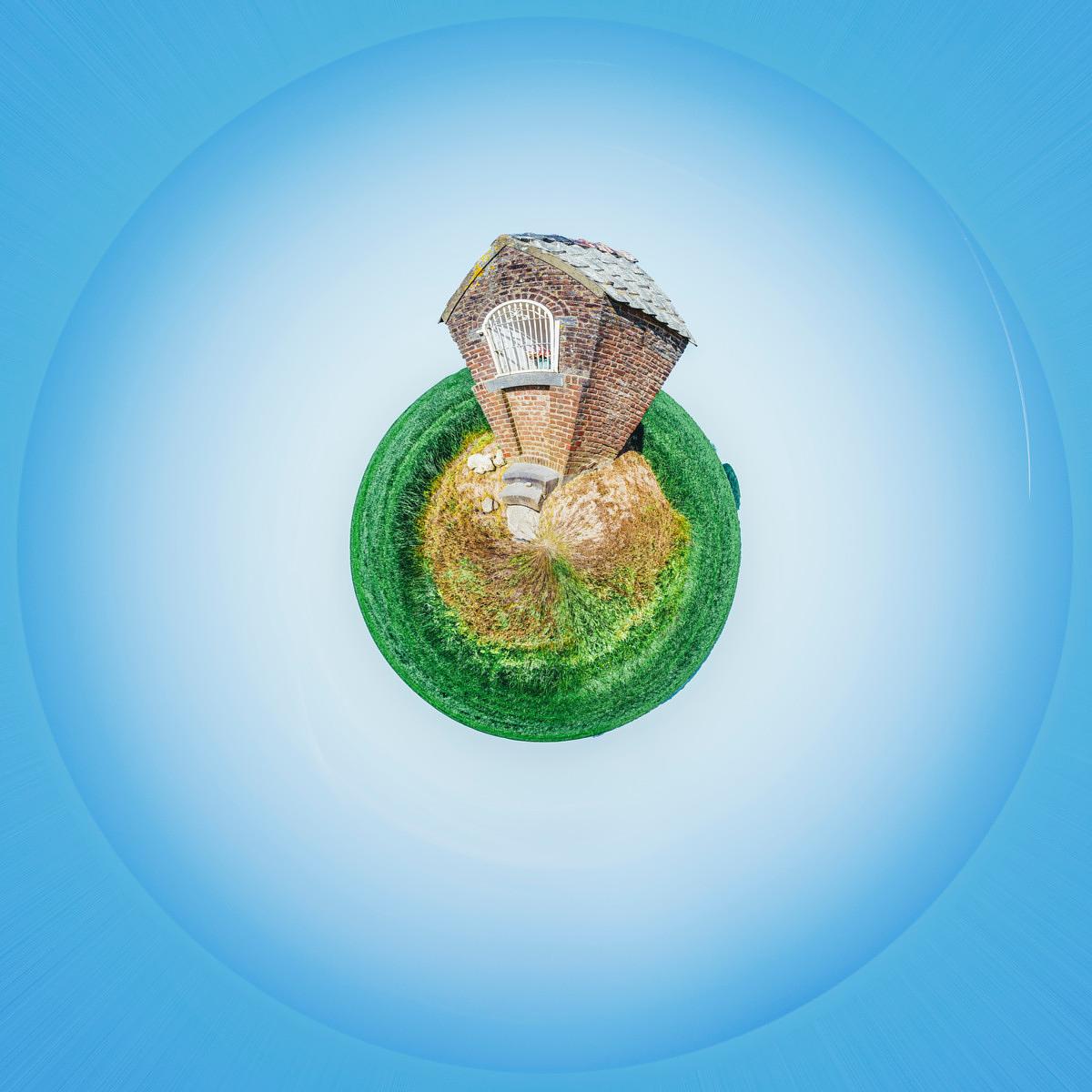
Alone!
-
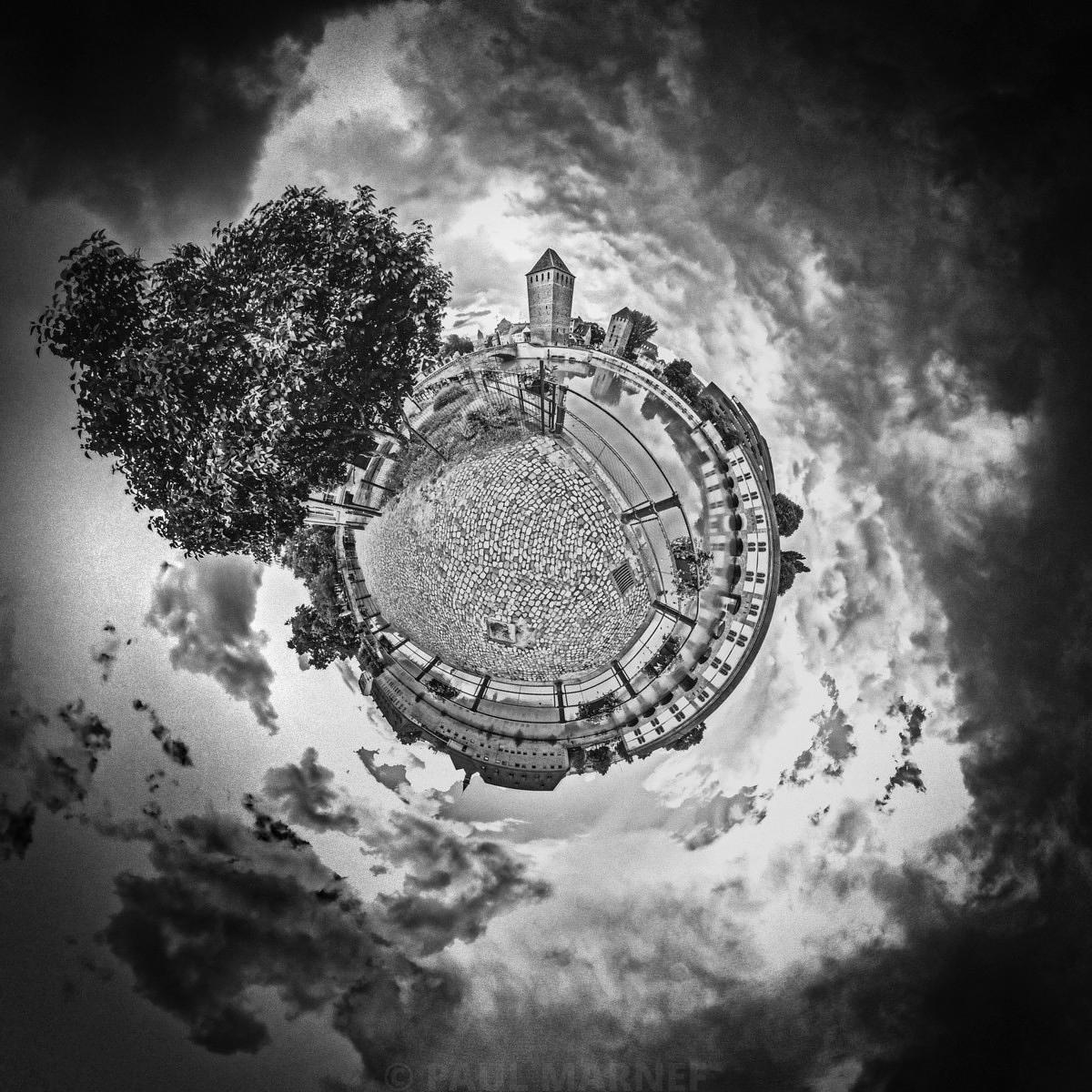
Monochrome Alsatian Sphere
-
Paris, The Tower
-
Green Strasbourg
-
Breath of Architecture
-
The Eye of the Union
-
The House
-
EurOrbit
-
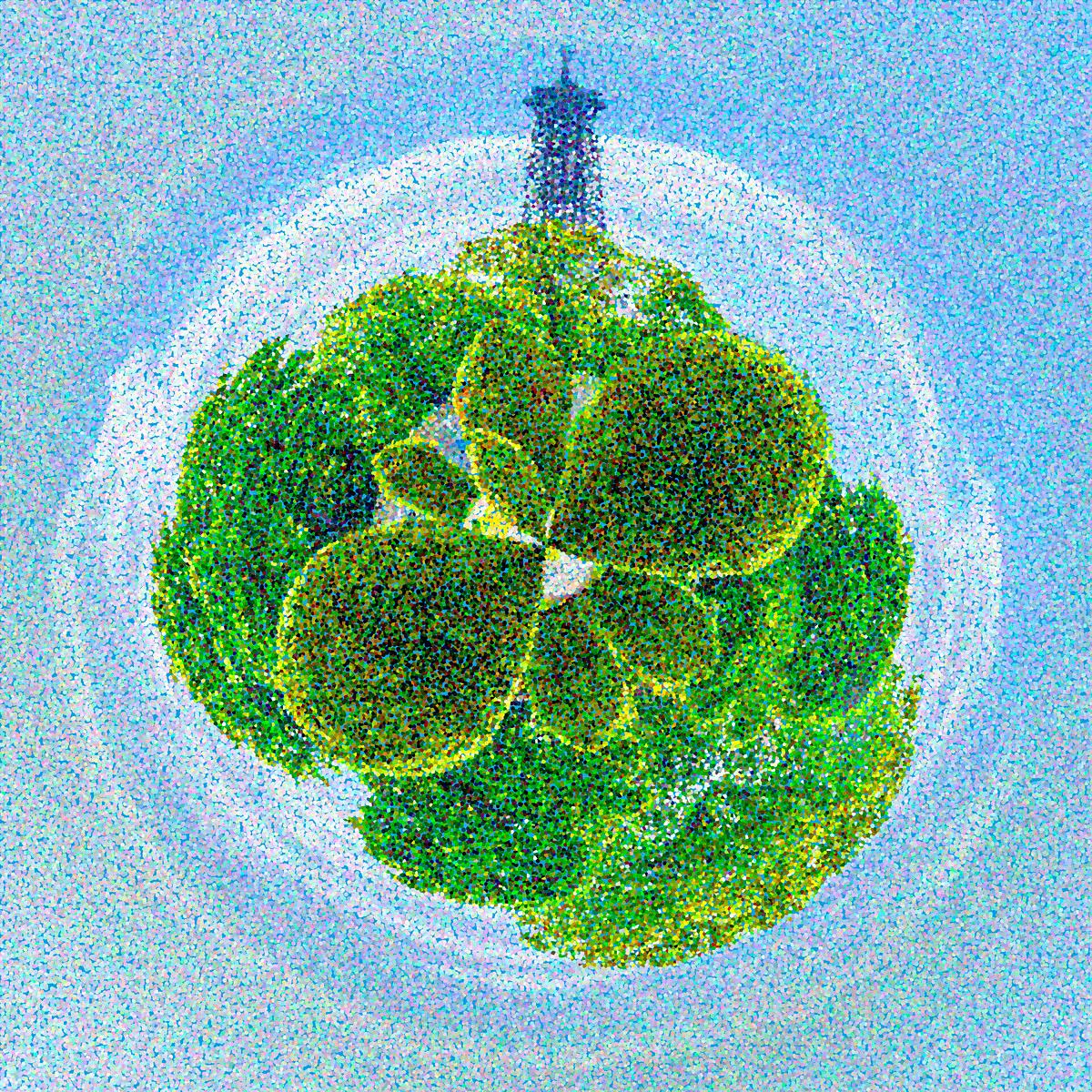
The Tower Case
-
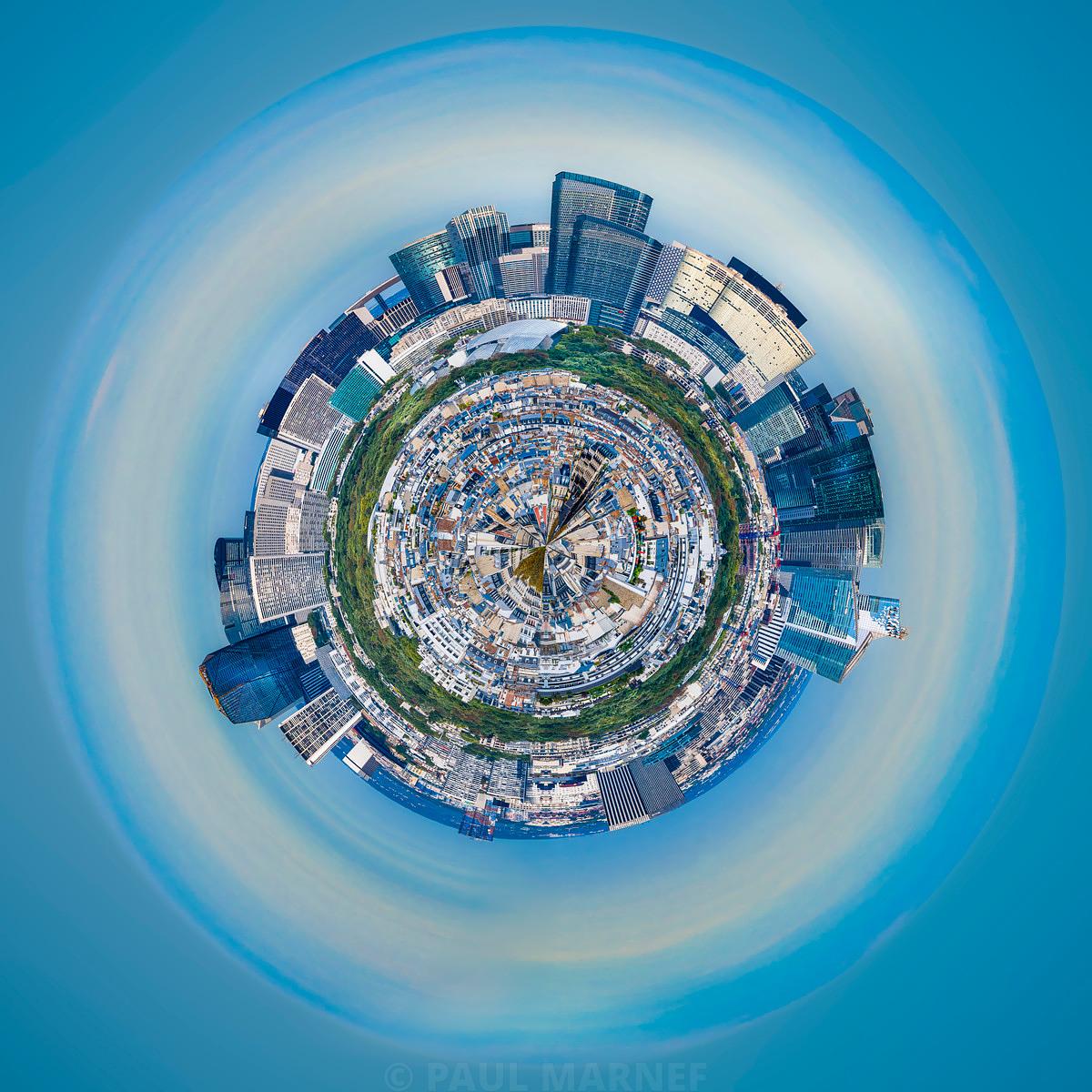
Where is the Arche?
-
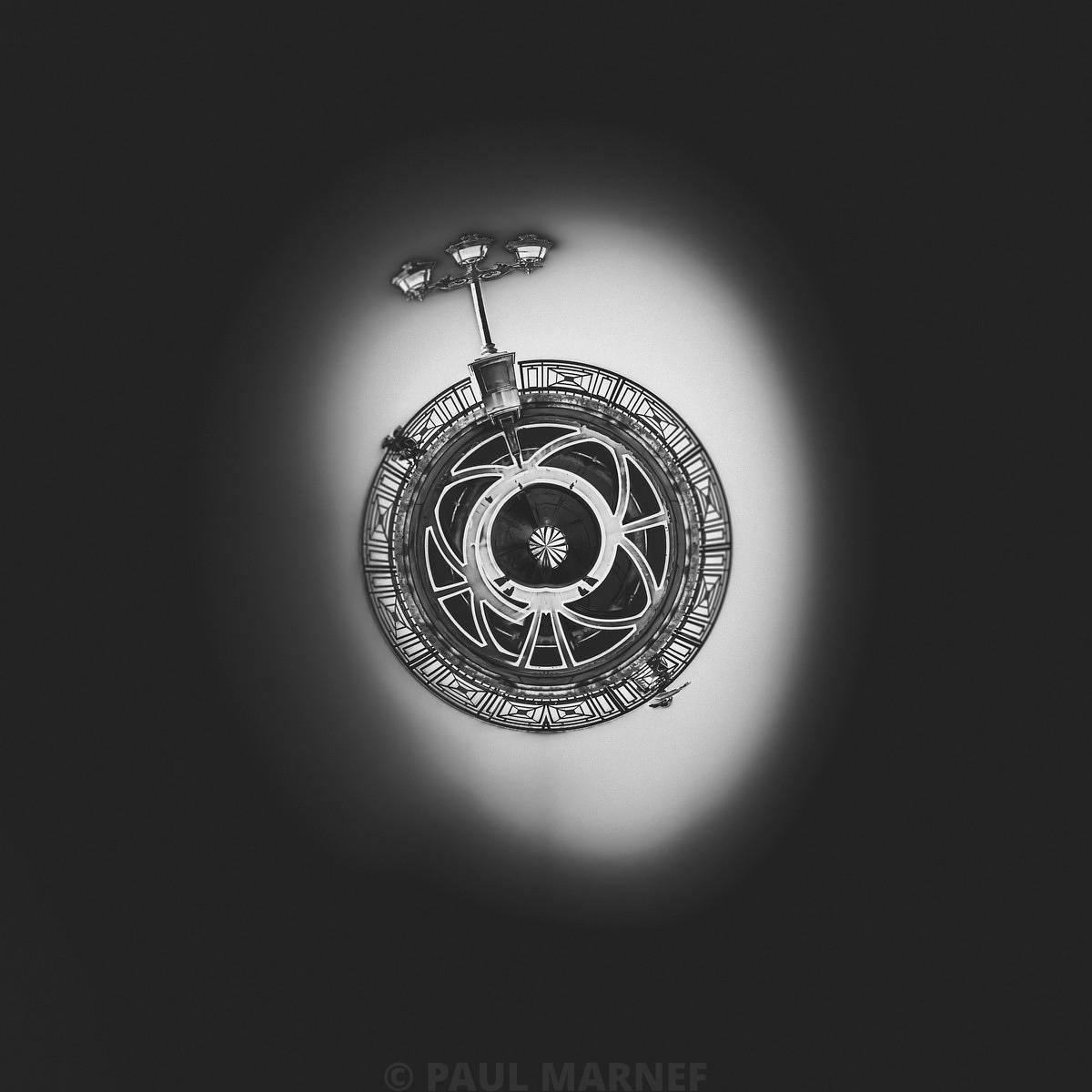
Reflection of Steel
-
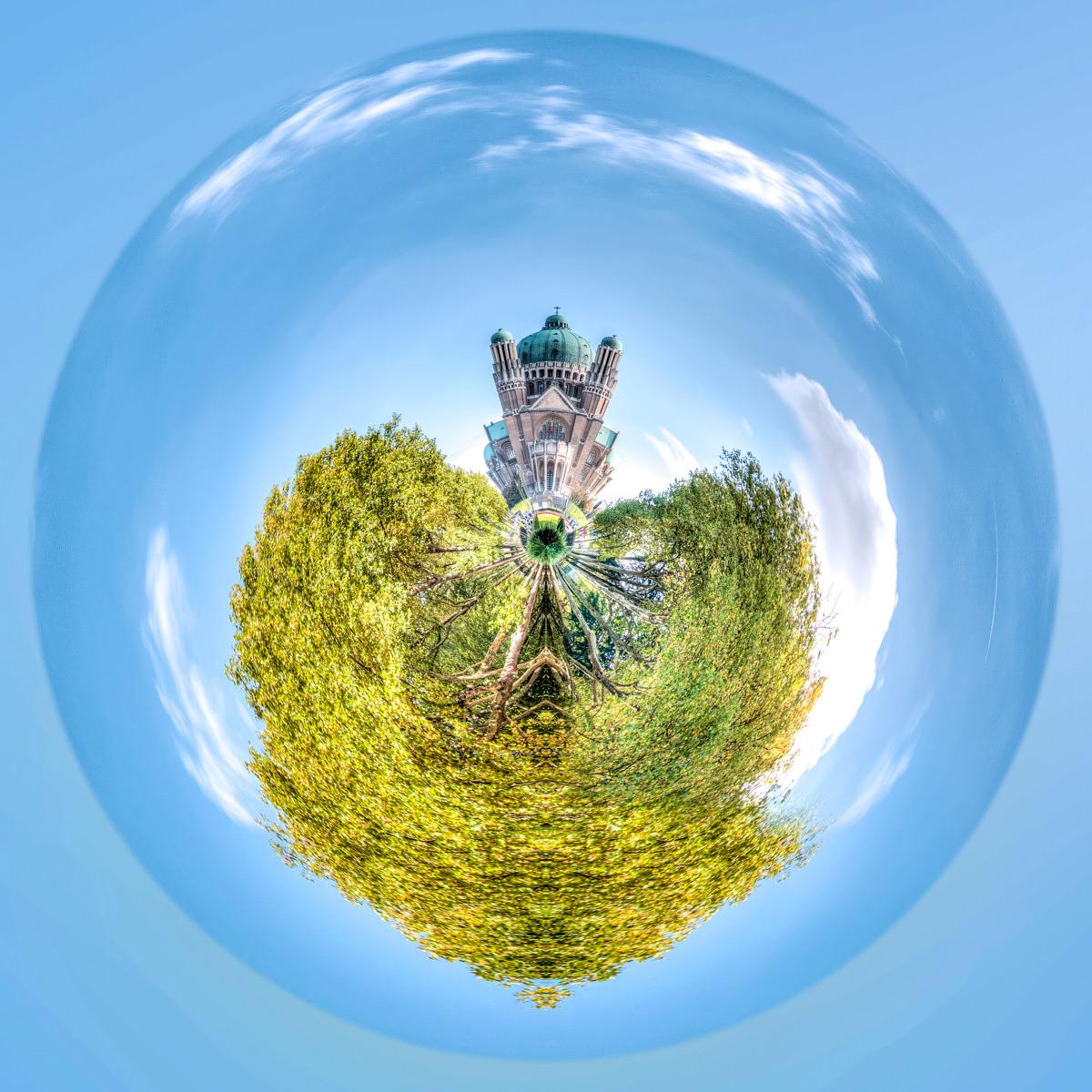
Heart of Basilica
-
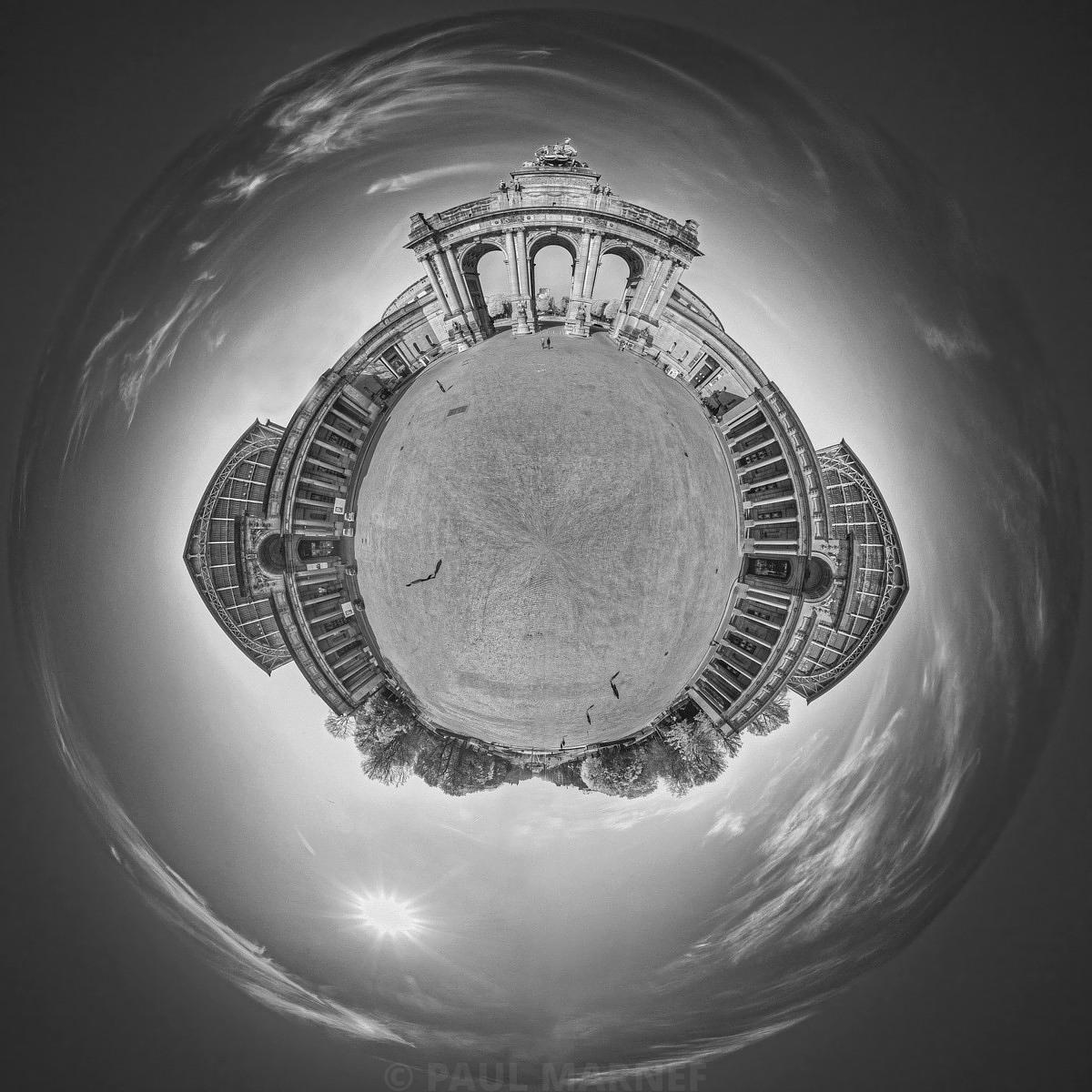
Cinquantenaire Planet
-
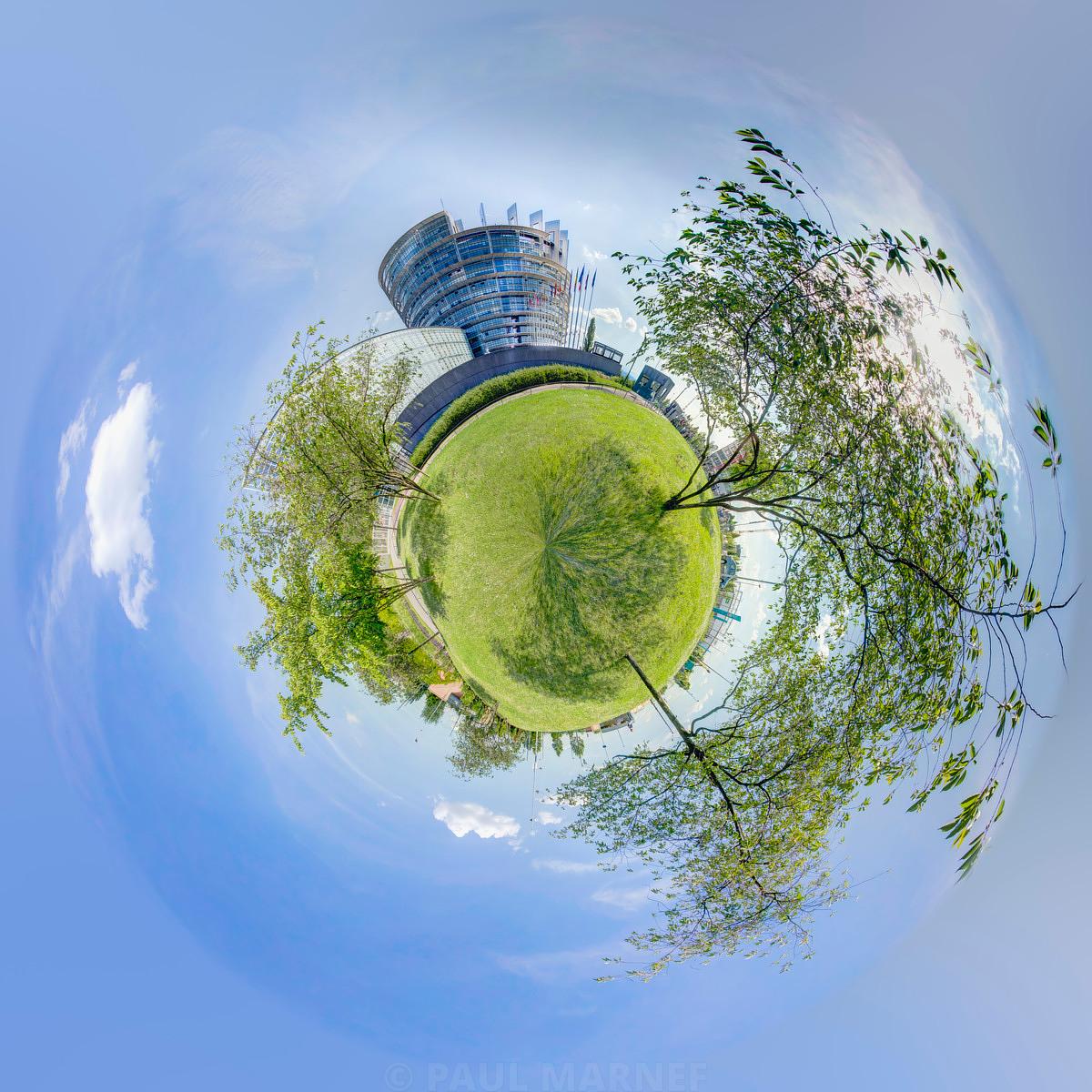
The DisUnited Voices Planet
Architectural photography: from real places to Imaginary Planets
A façade is not merely a surface. Its windows, openings, reliefs and proportions lend rhythm to the building. A tower, a dome or a cluster of roofs trace a silhouette against the sky. It is these relationships between architectural forms and their surroundings that inspire my photographs. I love how a familiar building can still surprise us when the image shifts our points of reference.
In this gallery, architectural heritage stands alongside contemporary structures. The Abbey of Mont Saint-Michel, the dome of Les Invalides, the façades of the Grand-Place in Brussels and the MAS museum in Antwerp do not tell the same story. Yet they provide a common thread for my creative work: lines, volumes, textures and a presence within the landscape. I take their reality as my starting point to compose a personal photographic work.
Transforming them into tiny planets alters the usual perspective. Urban space can close in around a centre, façades can curve, and buildings can take on a different scale. I do not seek to replace the architect’s perspective nor to produce a documentary record of the monument. What interests me is the transition from the moment the photograph is taken to an image in which the real and the imaginary remain in dialogue.
Monuments and heritage: looking at the details of architecture
Photographing a monument means encountering a structure, but also the traces of a place. Stone, roofs, windows and façade elements can capture the attention just as much as the building as a whole. In a transformed composition, an architectural detail sometimes takes on a new role: what once discreetly accompanied the visitor’s journey becomes a focal point for the gaze.
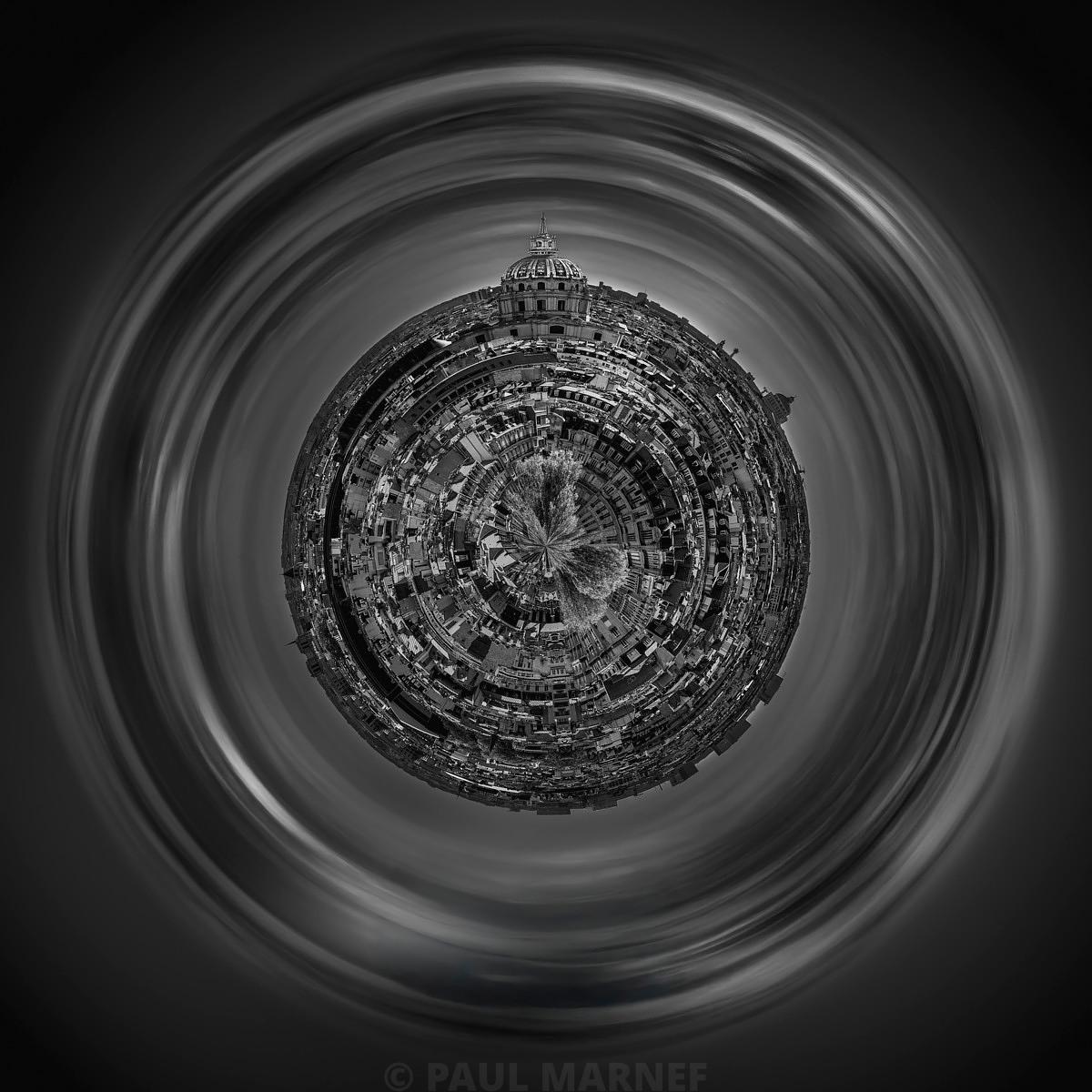
In The Eye of the Mount, the Abbey of Mont Saint-Michel rises from a surreal black-and-white landscape. Its silhouette remains distinct while the space around it is rearranged. In Guardian of the Invalides, the Parisian dome also becomes a landmark within a reimagined geography. These photographs invite us to recognise our heritage while being open to stepping away from our usual ways of interpreting it.
Architecture in Belgium: Brussels and Antwerp in my photographs
Belgium naturally finds its place in my journey as a photographic artist. In Grand-Place, Great Silence, the façades of Brussels’ Grand-Place are revealed in a surrealist black-and-white vision. The public space becomes a composition whose contours, repetitions and the relationship between the buildings and the empty space of the square can be traced.
MAS Forever offers a spherical view of the MAS museum in Antwerp, bathed in golden light. The presence of this contemporary architecture provides a different starting point from that of an ancient monument. I like to bring these encounters together without confining my work to a single era, architectural style or city. My Belgian perspective also informs works created elsewhere.
Perspectives, light and black and white in the composition
Verticals, diagonals and vanishing lines shape the perception of an architectural photograph. The circular transformation shifts this balance: the eye follows a curve, returns to a centre or lingers on a volume. The proportions are no longer those of a stroll down the street. This freedom of composition is part of my artistic approach, whilst maintaining a connection with the elements being photographed.
Light plays a part in this interpretation. It highlights a surface, emphasises a relief or brings out a reflection. Colour can lend presence to a façade, as in The Pink House. Black and white allows for a different focus on contrasts and structures. In Reflection of Steel, reflections and architectural forms compose an industrial landscape suspended within a surrealist sphere.
In Spirals of the Cathedral, architecture meets Pointillism and movement. A single family of subjects can thus give rise to very different images. I invite you to move from one to the other to observe how the photographic treatment, the rhythm and the space allowed for detail alter the effect.
In artistic architectural photography, the framing itself is a choice: to show the entire building, to isolate a façade, or to bring several elements together within the same image. The viewpoint alters the relationships between the foreground, the building and the background. A frontal view highlights a sense of organisation; an oblique view lends greater significance to diagonals and depth. Observing these differences helps us understand that the same architectural subject can yield very different photographs.
A low-angle shot emphasises the presence of a structure; a high-angle view allows one to discover its relationship with the rooftops and the surrounding space. This vocabulary describes possible interpretations, not a formula applied to all my works. In my Imaginary Planets, the transformation of the panorama adds another dimension: the image guides the viewer’s gaze between several orientations, rather than fixing it on a single perspective.
I also attach importance to the relationship between solids and voids. Walls, openings and the built structure interact with the sky or the space of the square. The geometry of a façade, the repetition of windows and variations in materials provide a foundation for the photographic composition. A photograph can make these relationships very evident without claiming to explain the architect’s entire vision.
The difference between documentary photography and my approach lies in this freedom of interpretation. An image intended to describe a building precisely seeks different outcomes to a creative work in which proportions and space are reinvented. For my part, I hope that architectural photography remains a sensory encounter with the place: a balance of forms, light and atmosphere that one can continue to explore.
The print then allows us to view the details of the image in a different light. Surfaces, contrasts and the transitions between architectural elements fall into place within the whole. I invite you to look closely at the photograph, then to take a step back: what we perceive in a pattern or texture is not always what we retain from the composition as a whole.
Choosing an architectural photograph and continuing the tour
A work might capture your attention because it depicts a city you love, a familiar monument or a building whose forms move you. It may also speak to you even if you are unfamiliar with the location. Beyond its sentimental value, look at how the lines, textures and contrasts make up the image. Your relationship with an art photograph is also built through this gradual discovery.
The thumbnails open the artwork pages, where you can find the available information and access printing options. To continue your journey, the ‘Urban’ theme explores the city and its spaces more broadly; the ‘Light’ theme follows shadows, reflections and contrasts. If you’d like to choose a photograph for your home, I’d be delighted to discuss the artwork and the format with you.