
Pointillism
Through photographic Pointillism, I continue my artistic explorations by playing with the fragmentation of the image and the vibration of colours. Cities, architecture and their familiar lines are transformed into compositions where a multitude of dots, shades and lights invite the eye to journey between detail and the bigger picture.
Drawing on my original photographs, I seek to create a dialogue between the precision of the image and a more pictorial sensibility. Outlines blur, textures come to life and places are reinvented in an atmosphere that at times resembles painting. It is another way of moving beyond the mere representation of reality and opening up new perspectives for my Imaginary Planets.
20 artworks
-
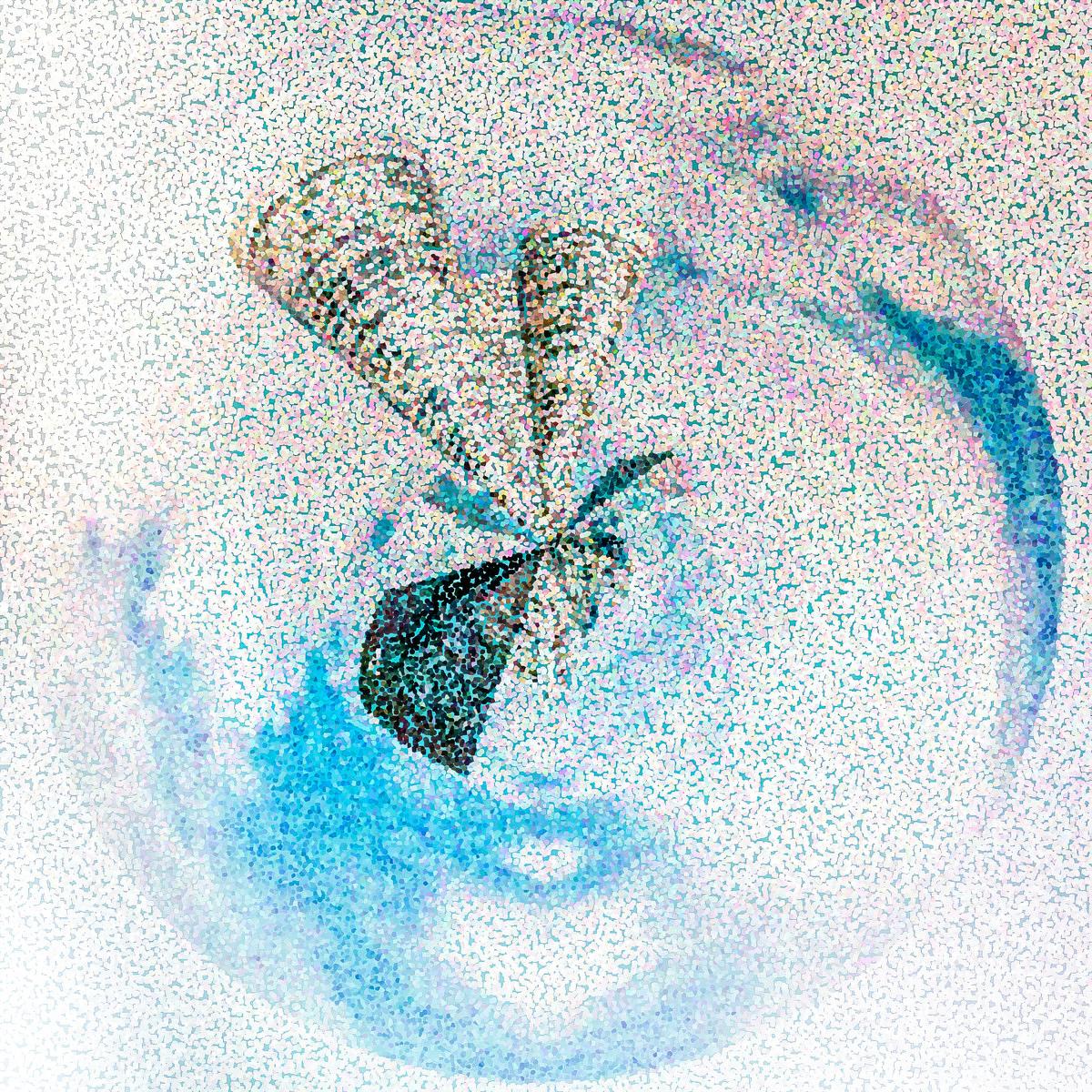
Breath of Architecture
-
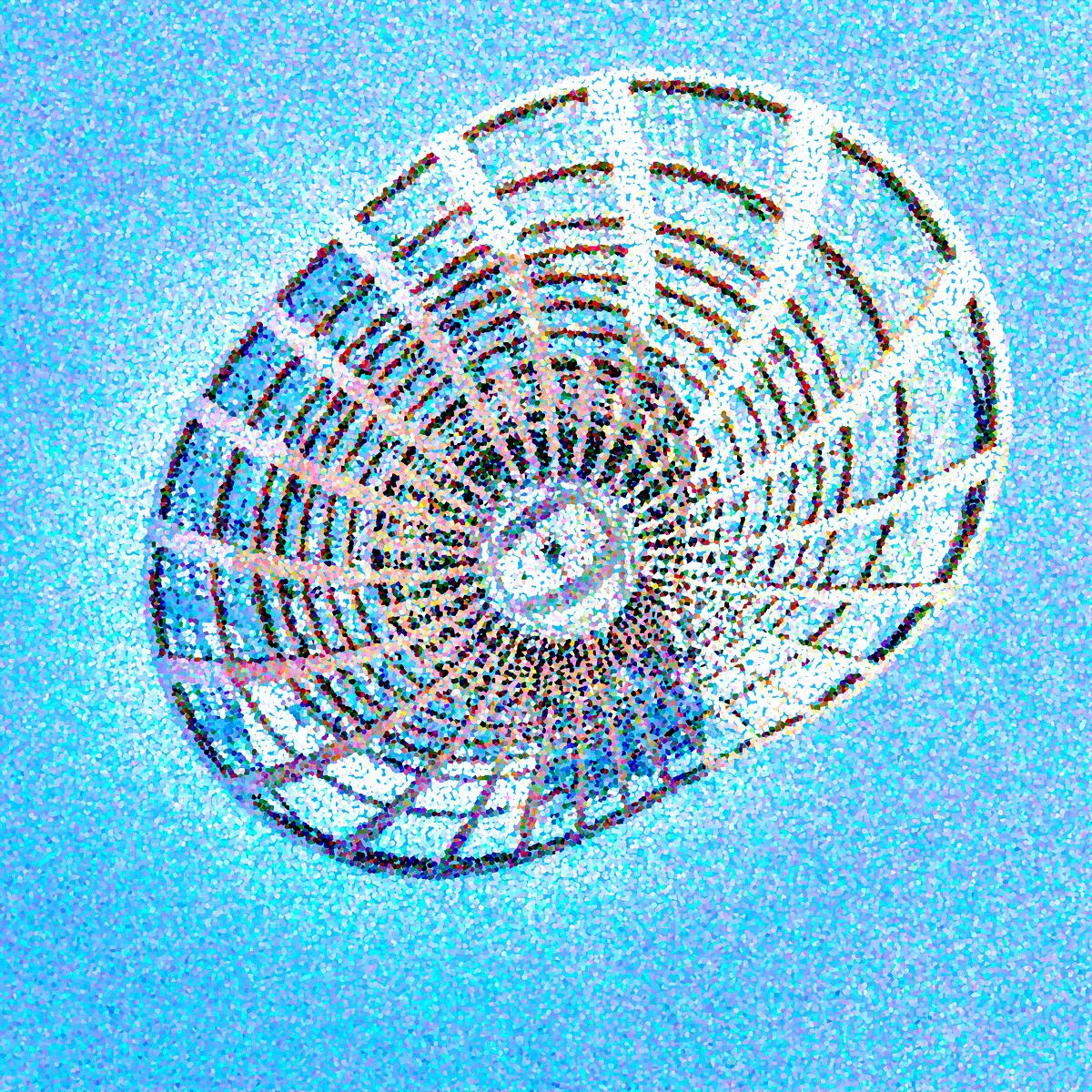
The Geometric Eye
-
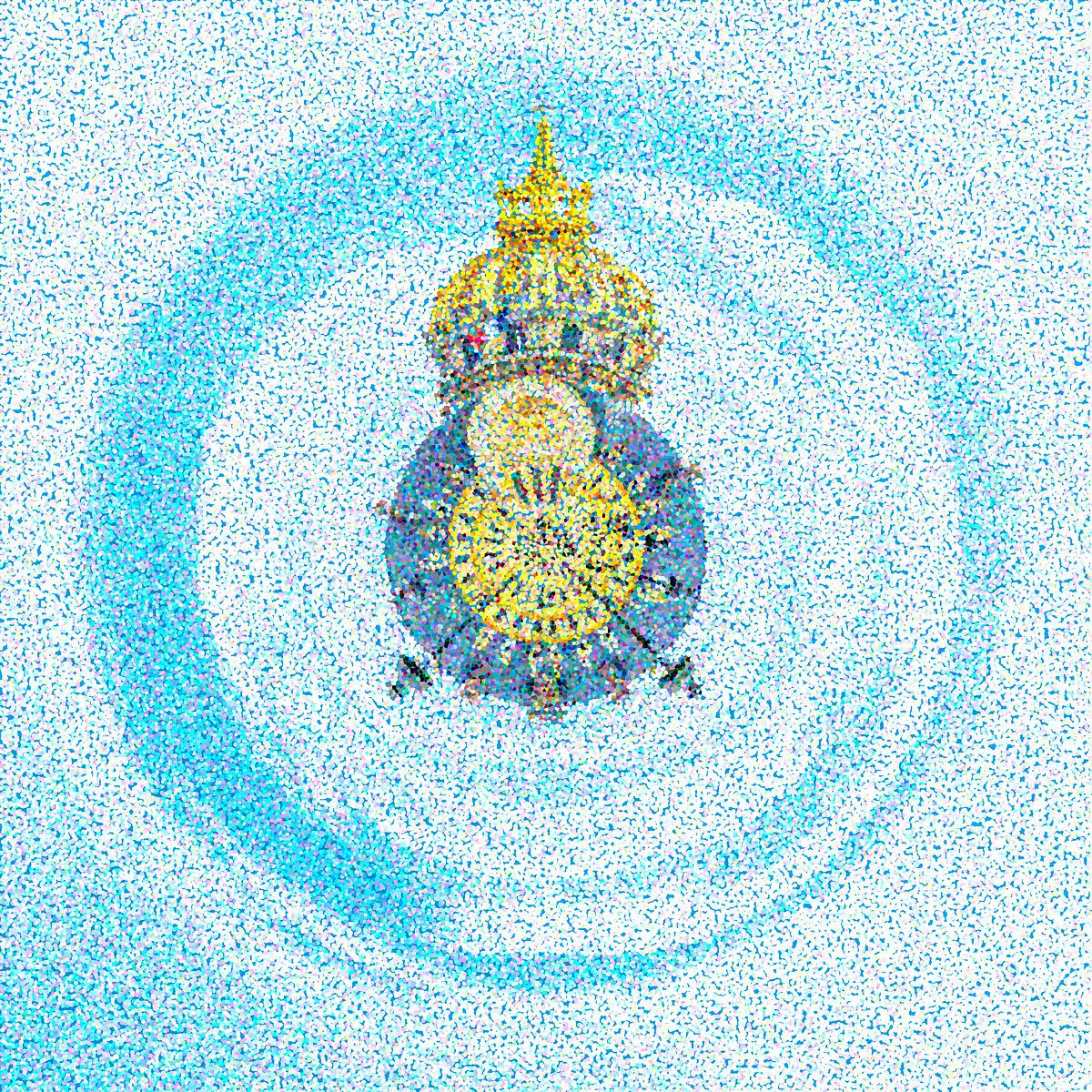
Golden
-
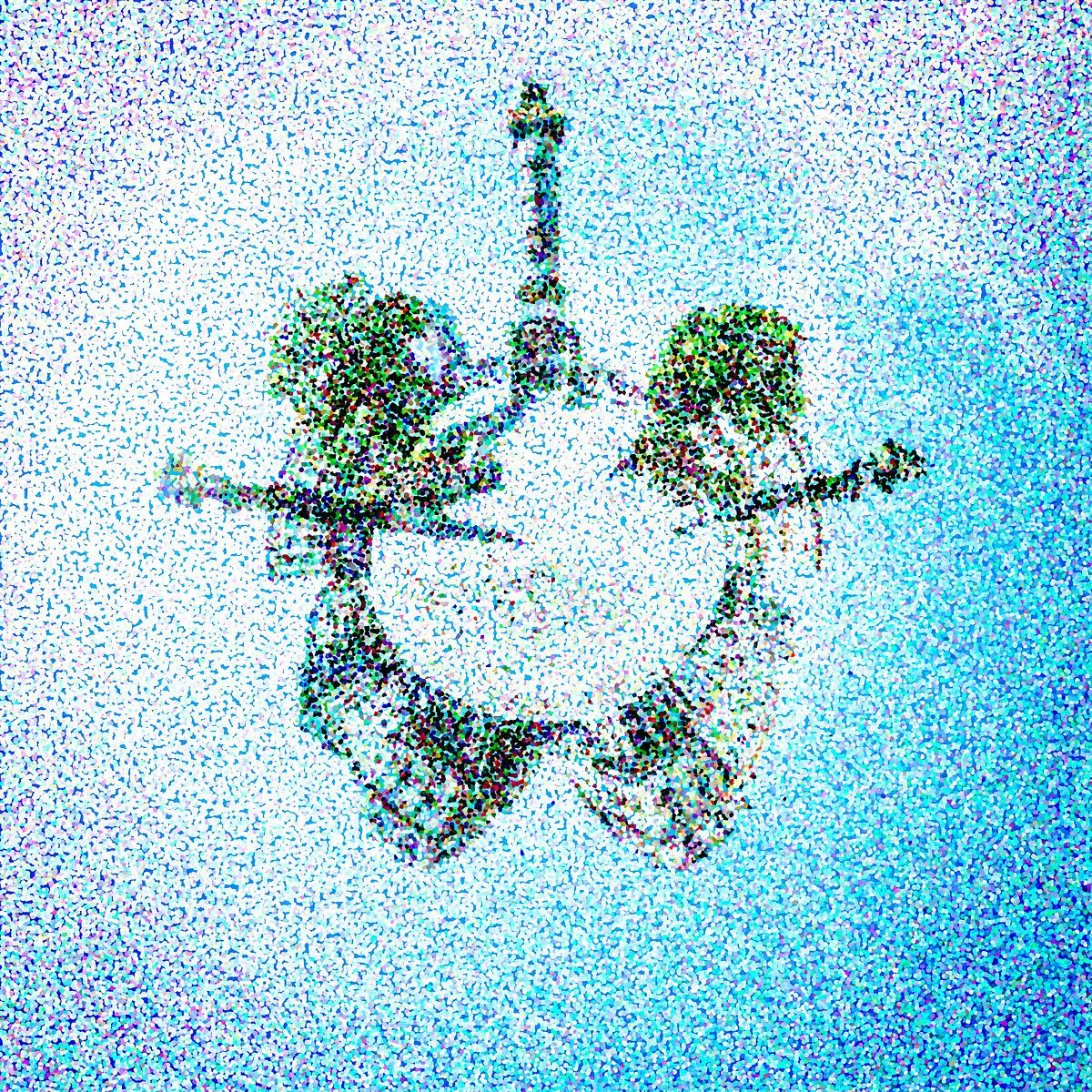
The Column
-
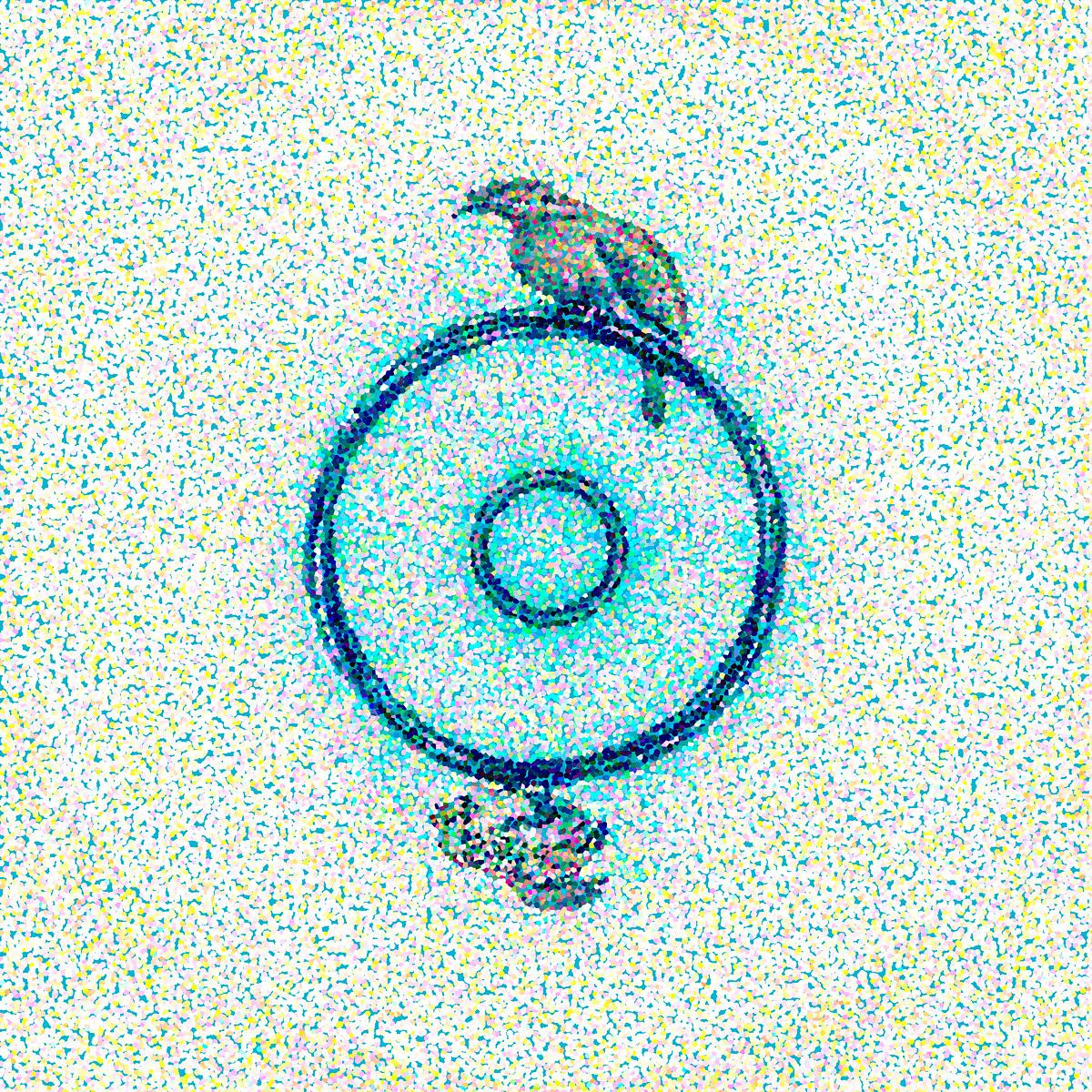
Strange Bird
-
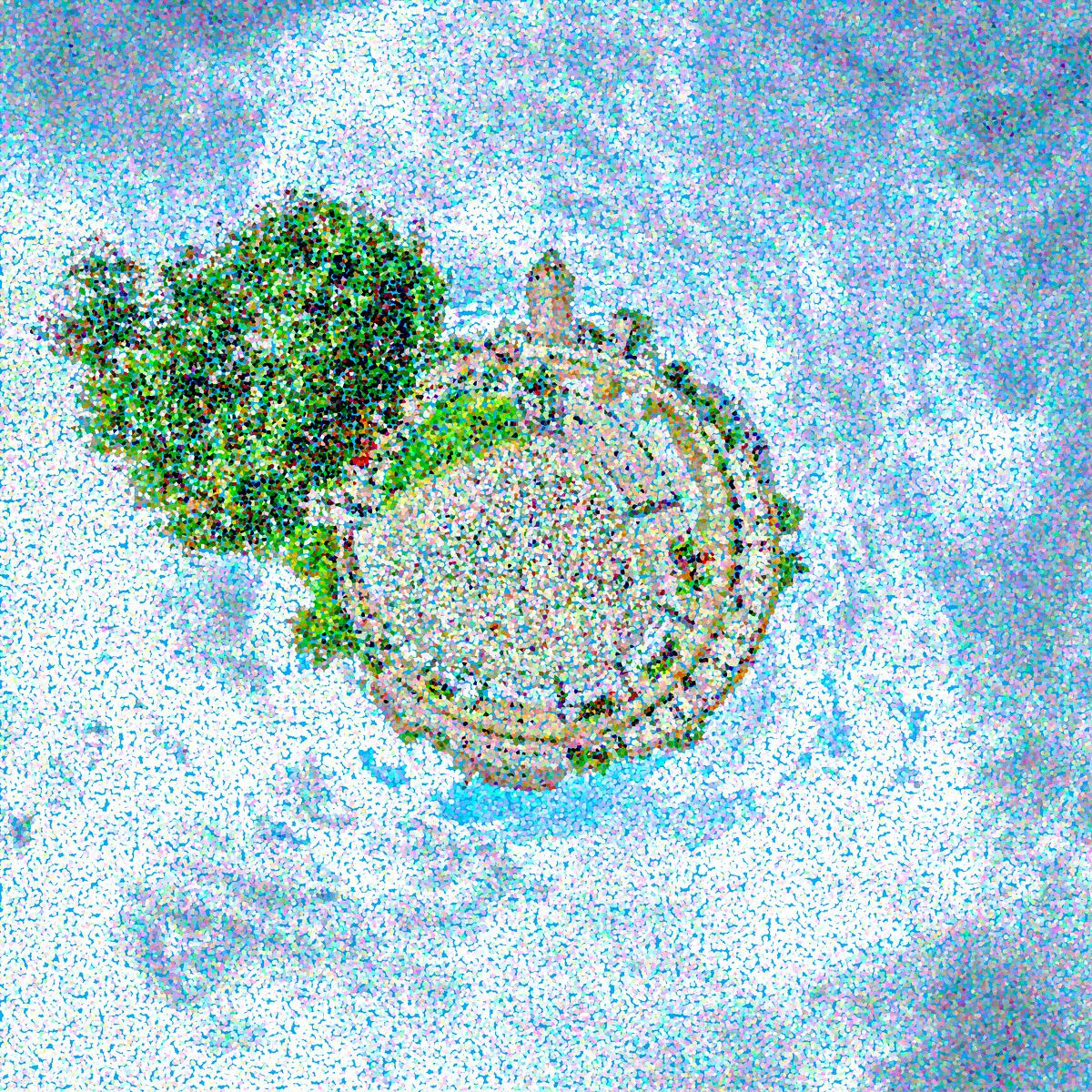
Alsatian Sphere
-
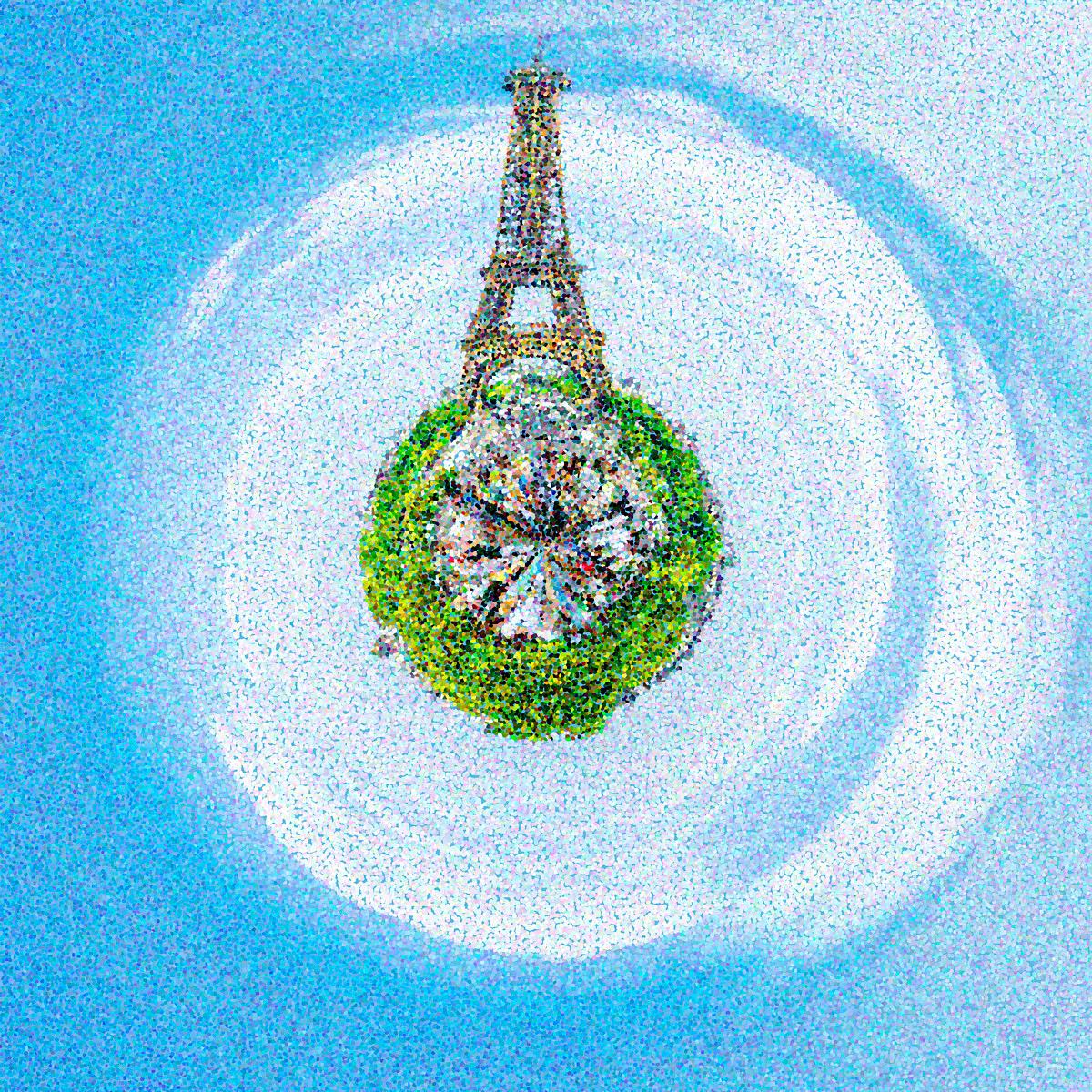
Parisian Whirlwind
-
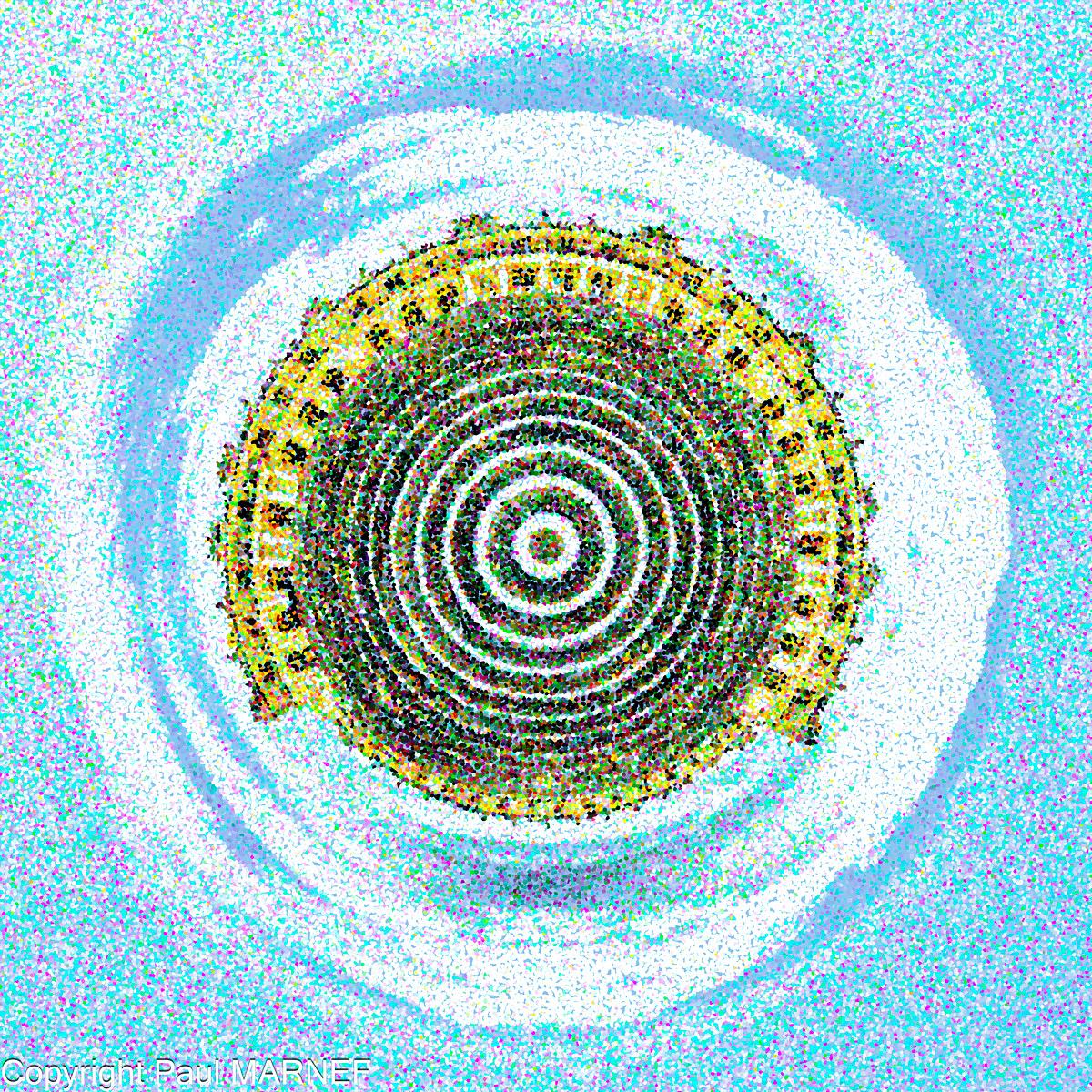
Palace of Versailles
-
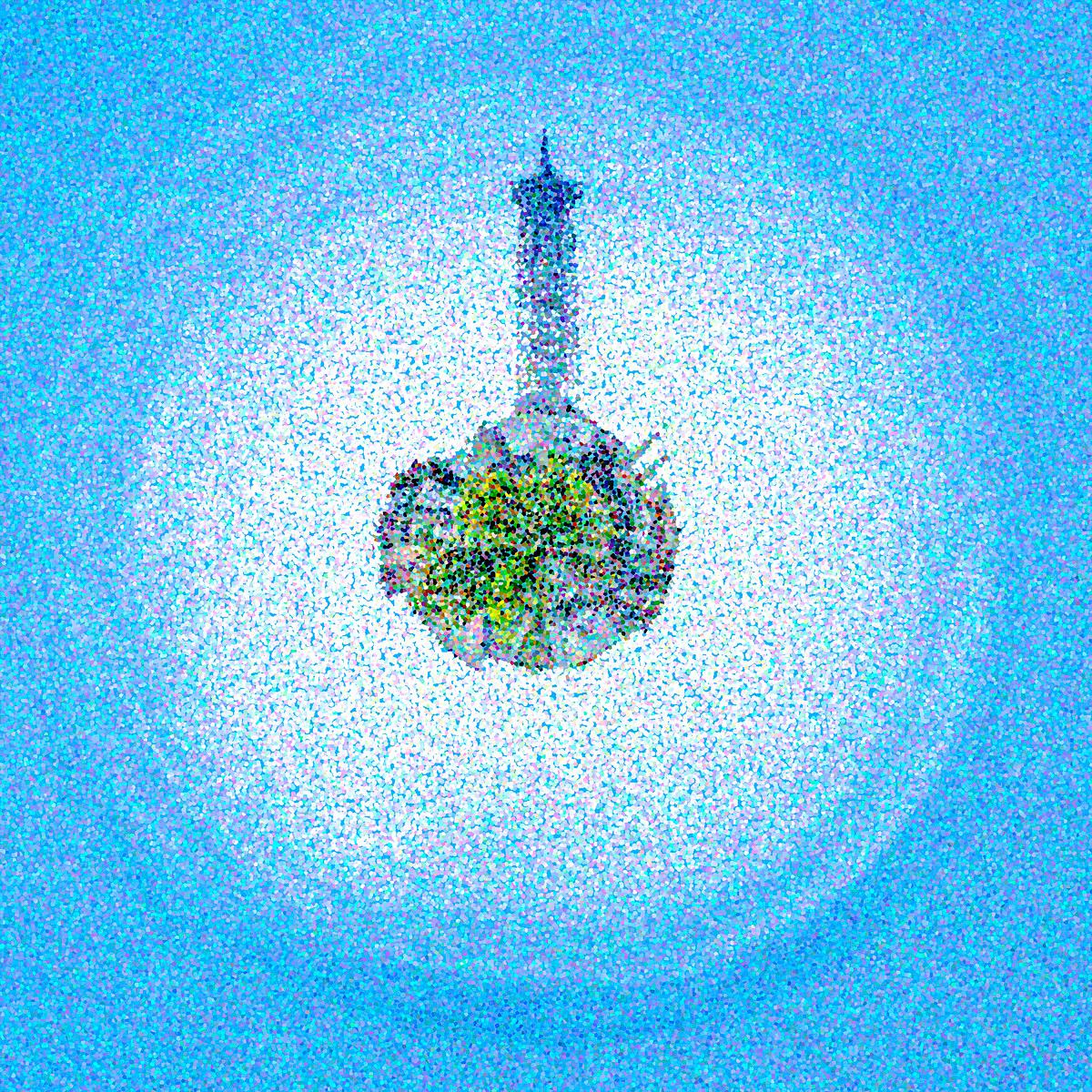
Paris
-
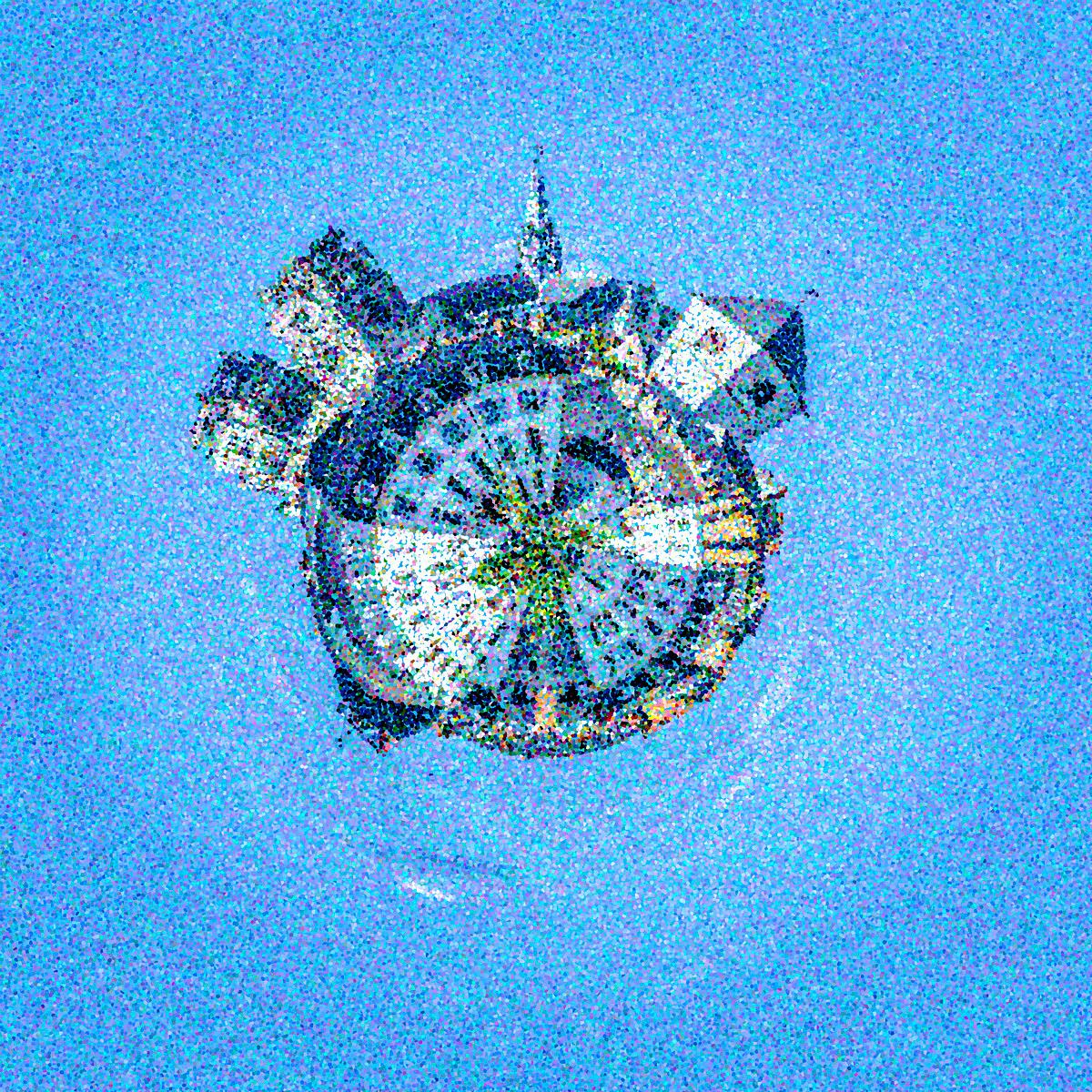
Liberation
-
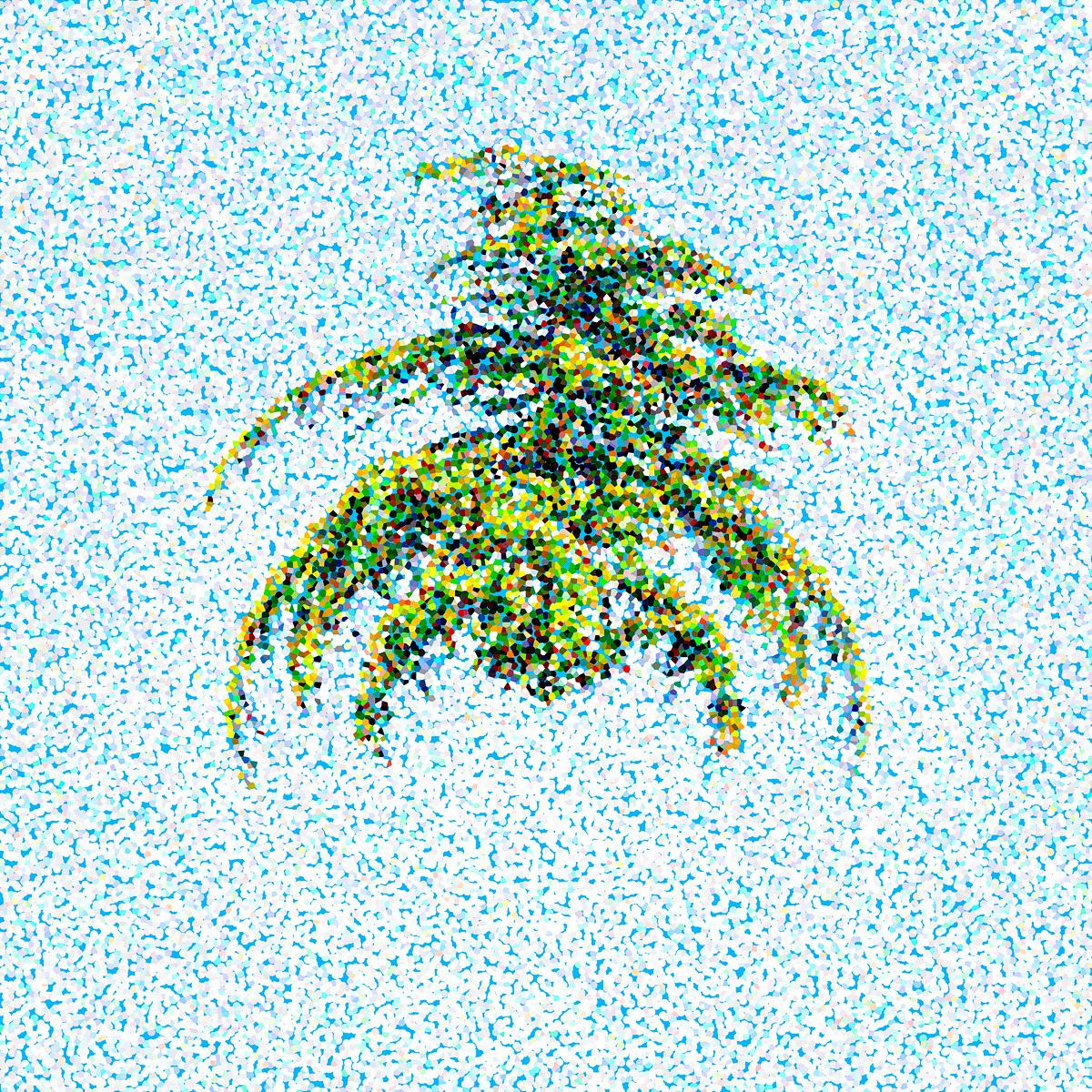
The Hanging Tree
-
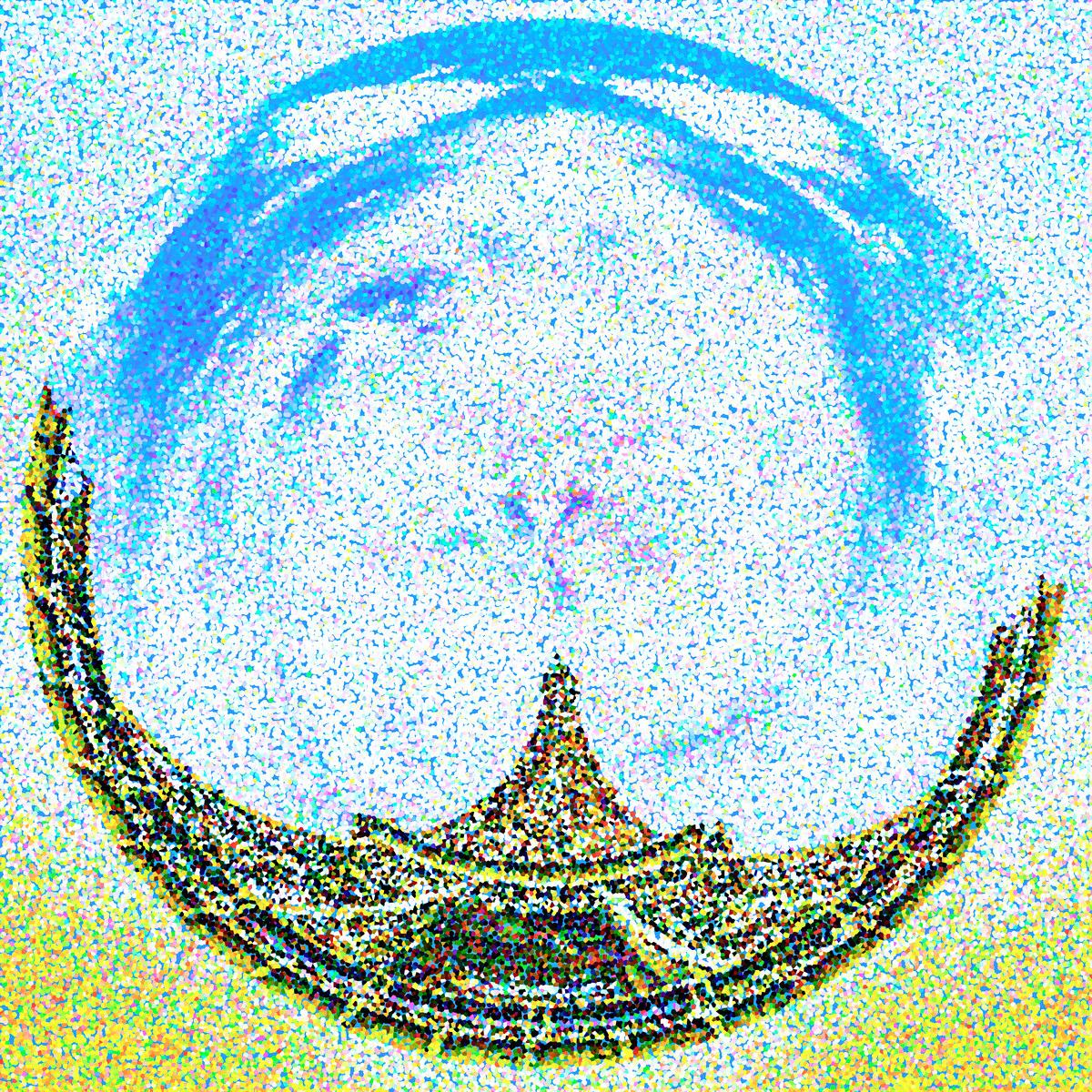
Paris, The Tower
-
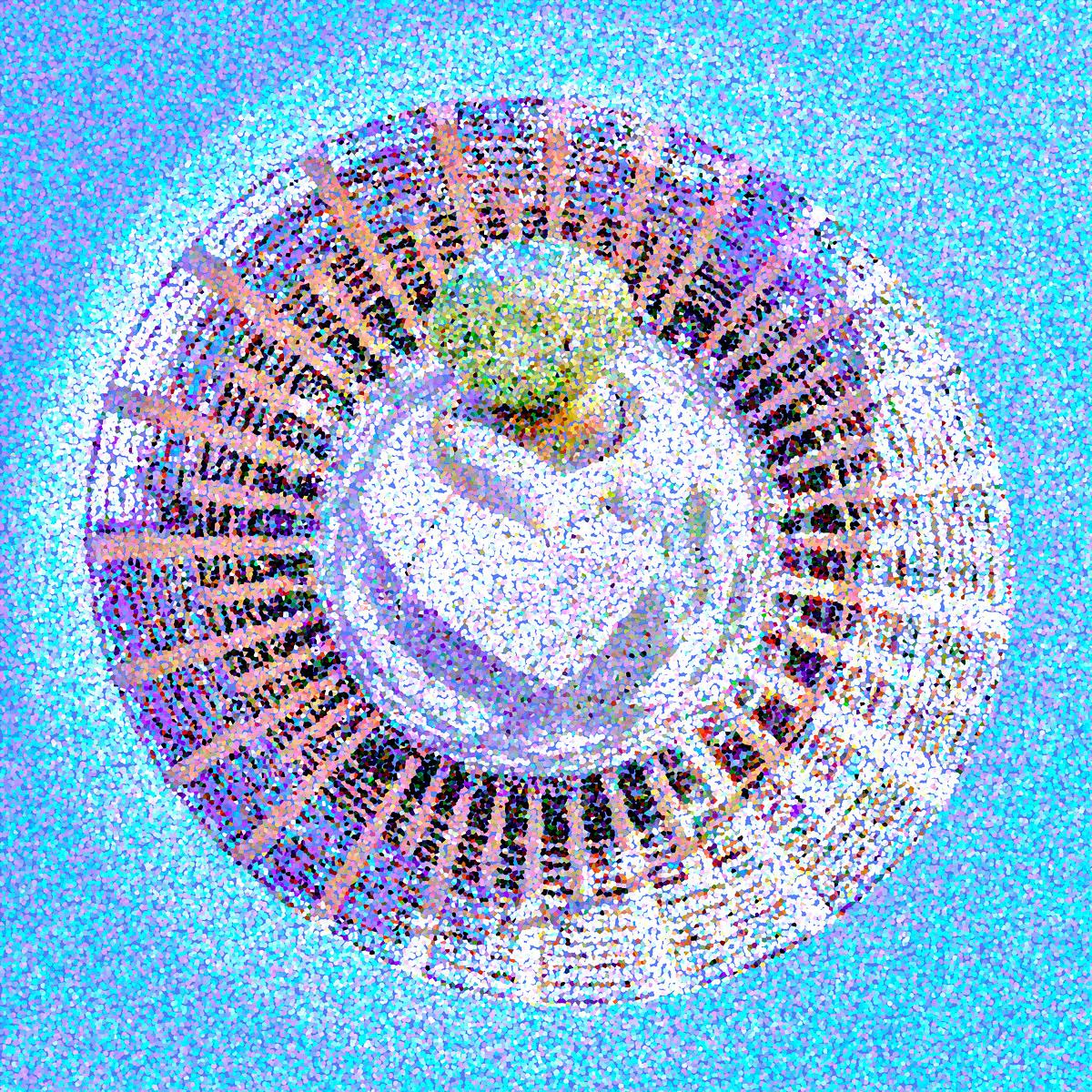
The Eye of the Union
-
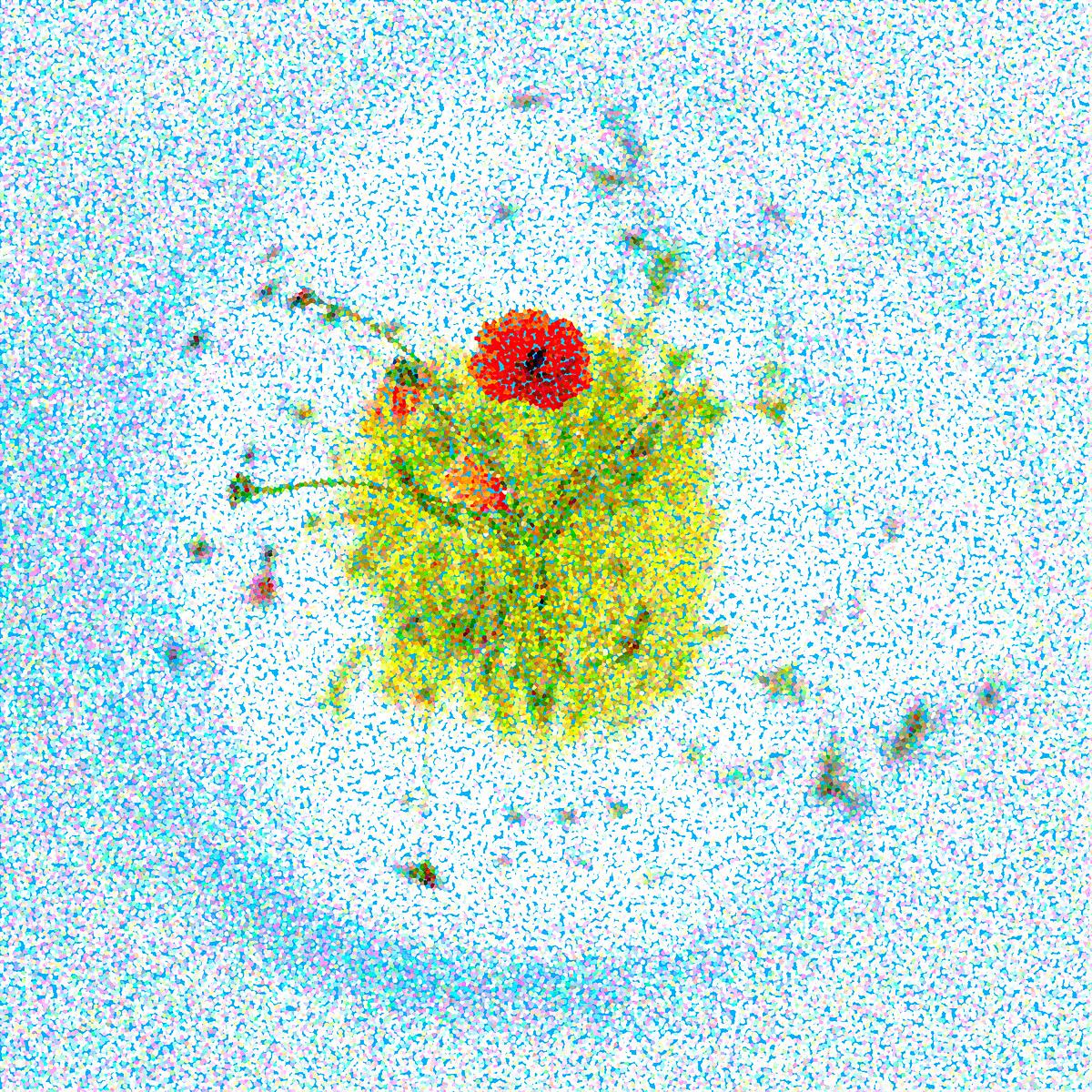
A Little Red
-
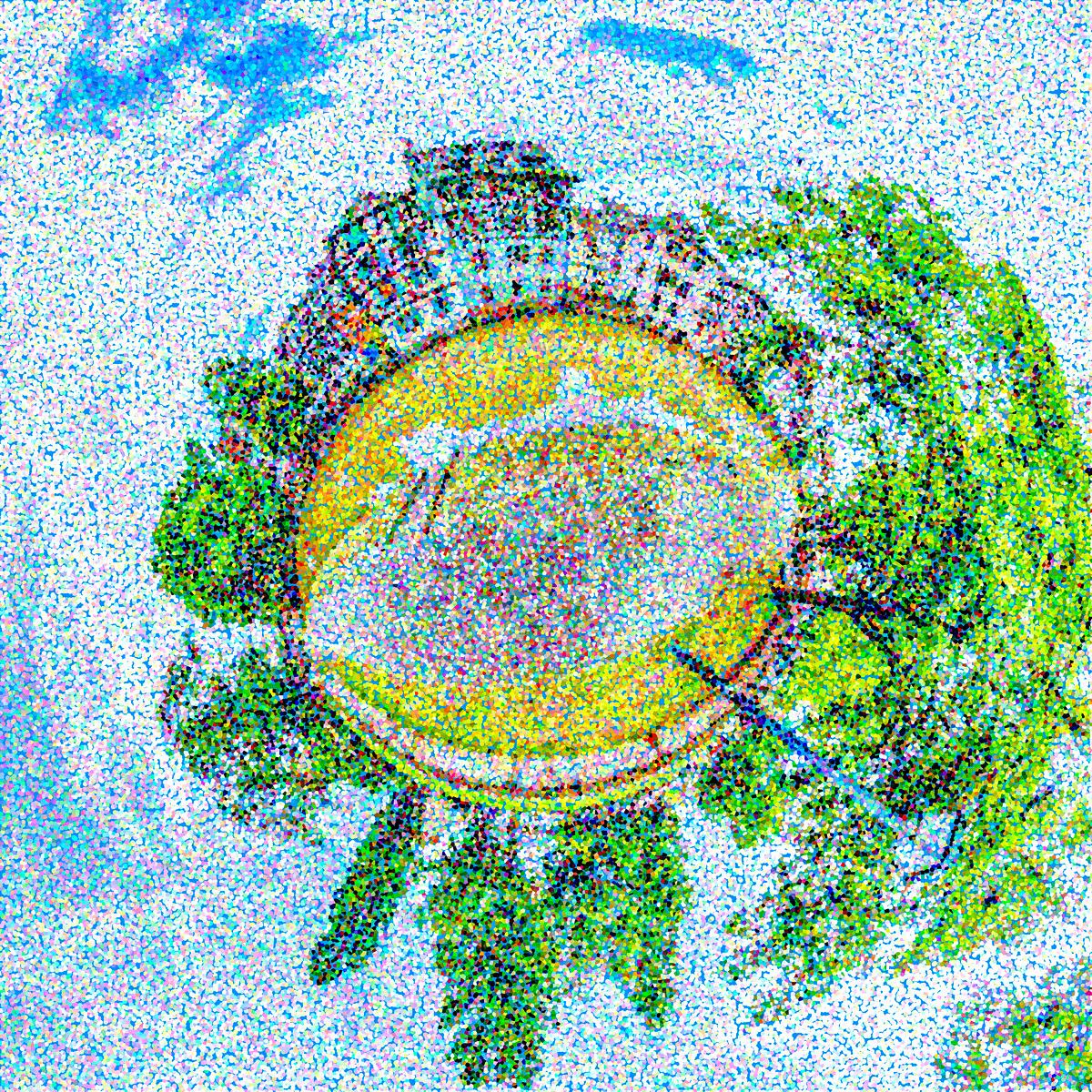
Green Strasbourg
-
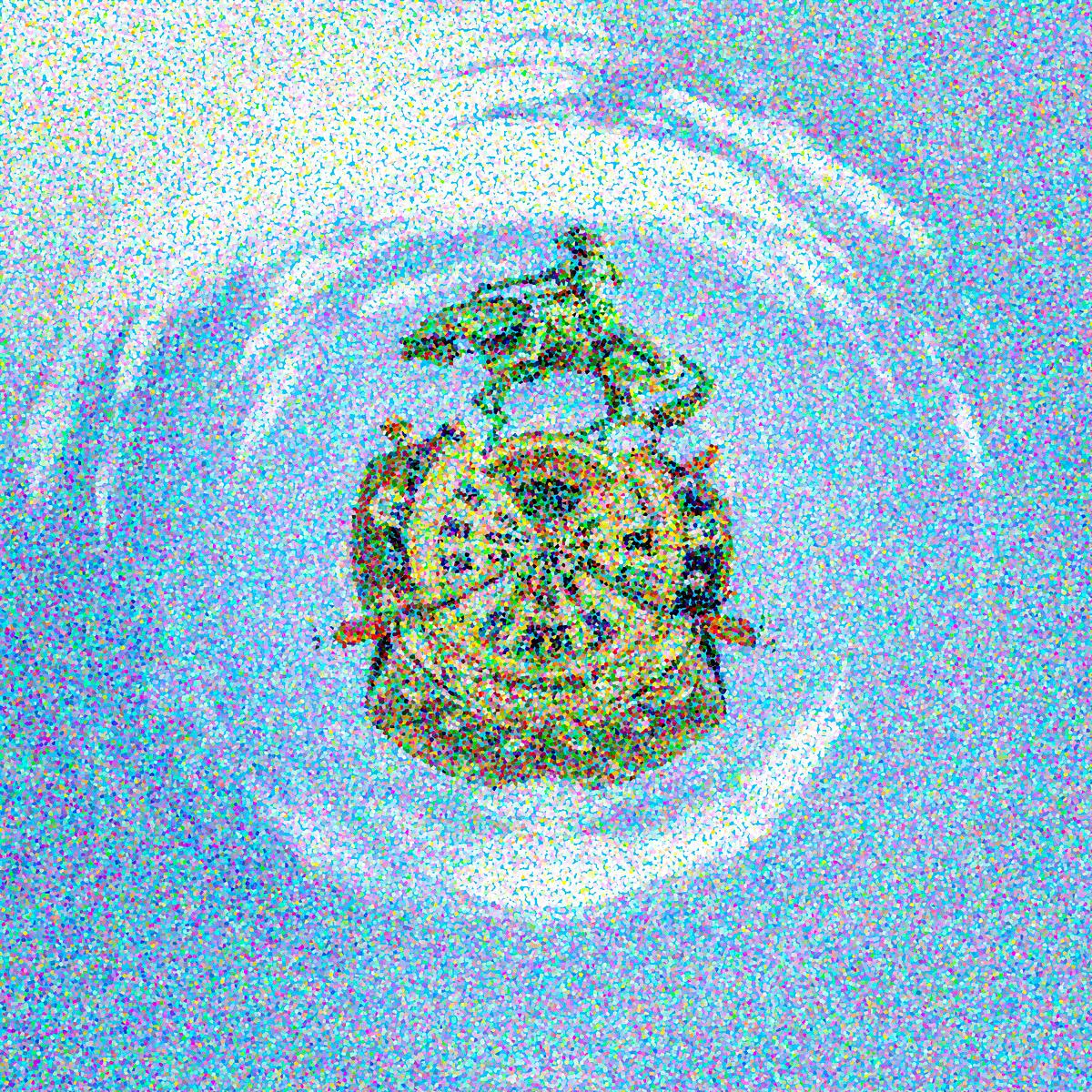
To Jeanne
-
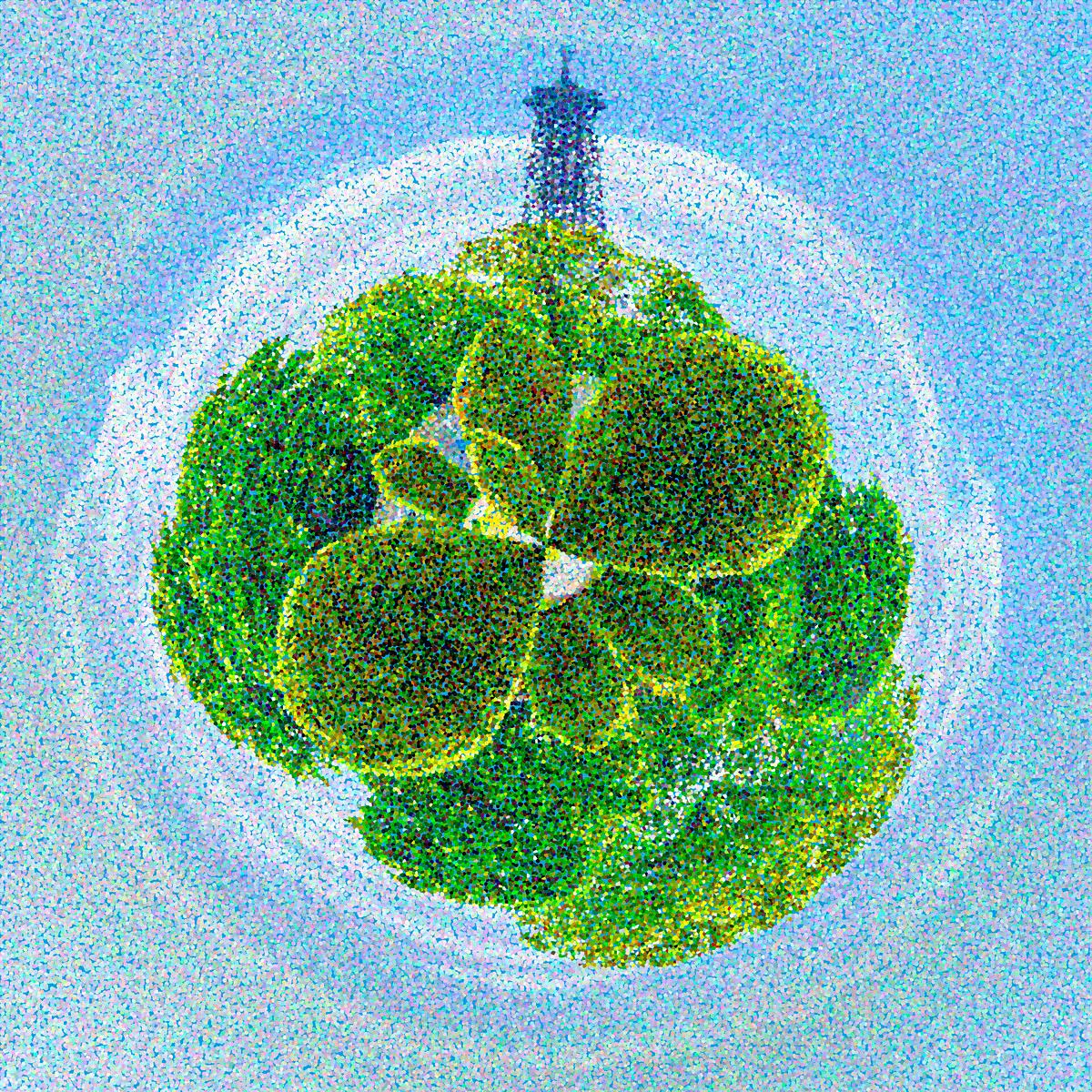
The Tower Case
-
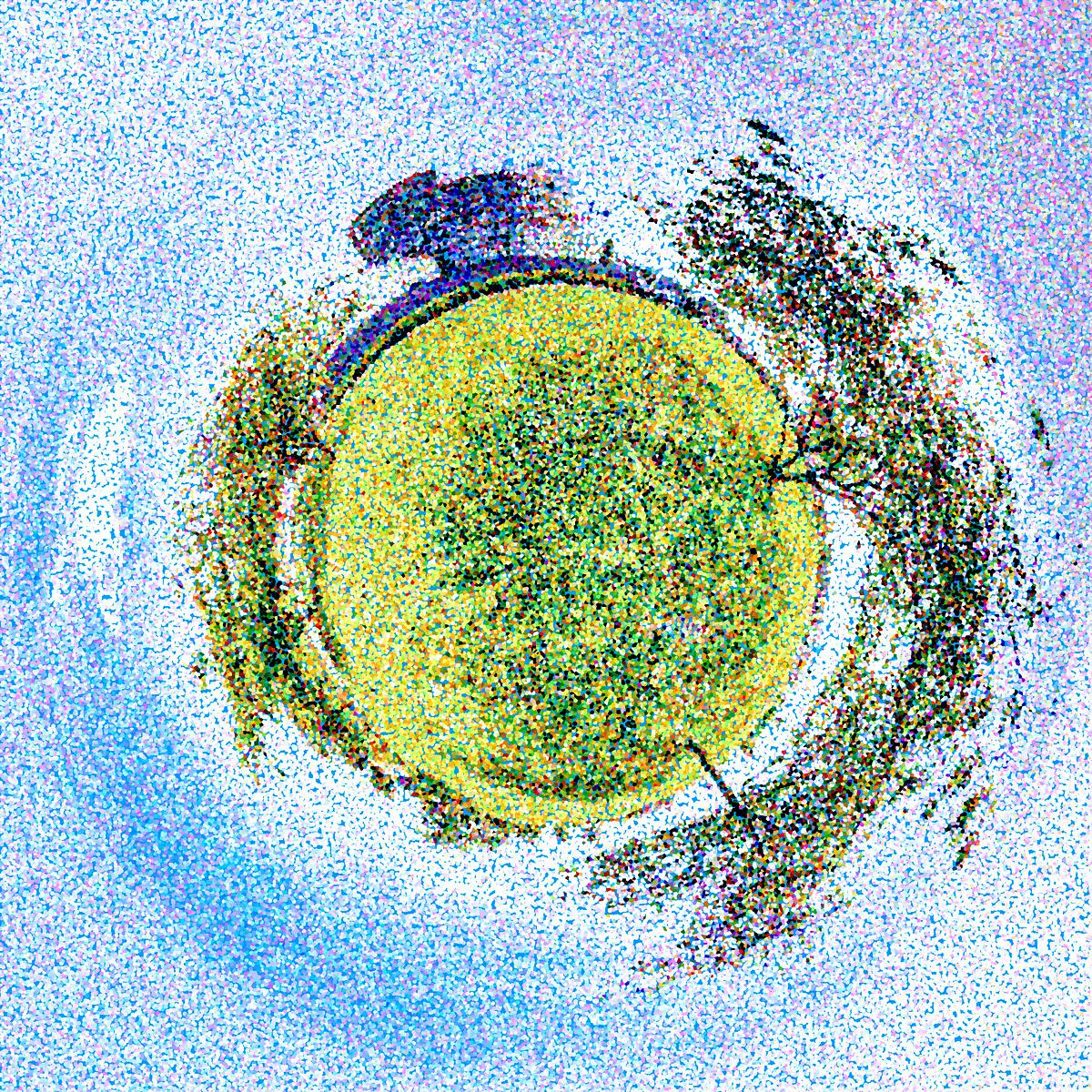
The European Island
-
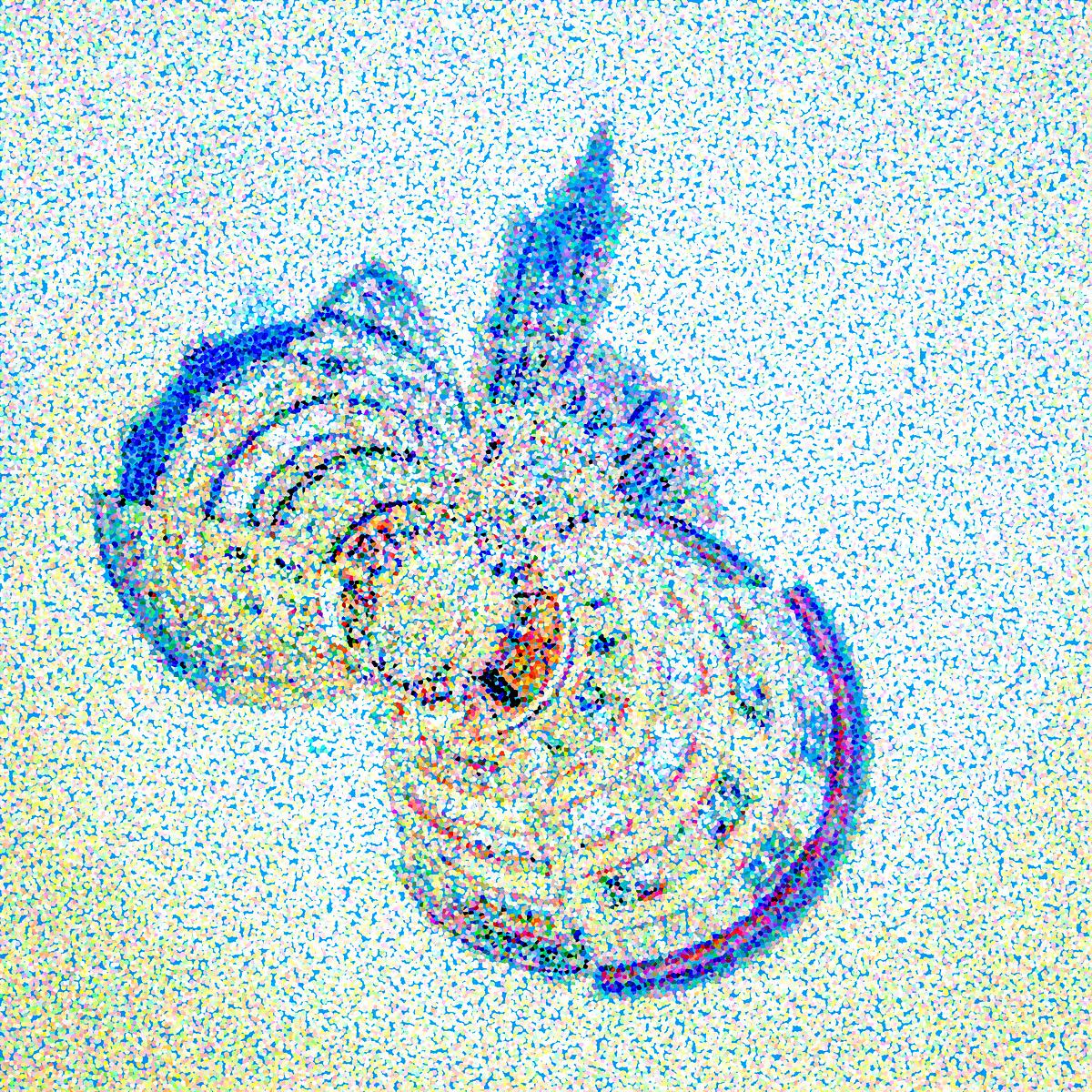
Spirals of the Cathedral
-
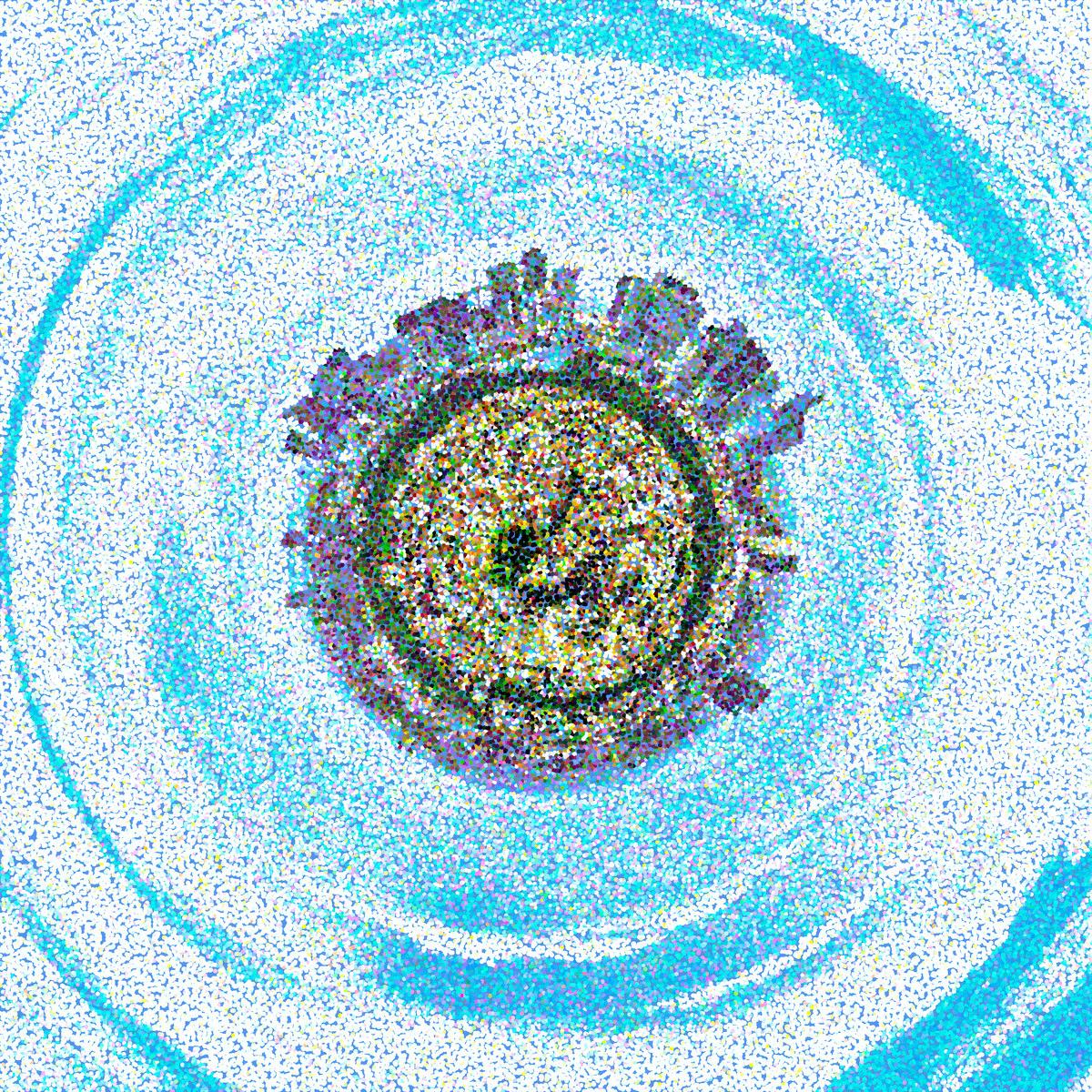
Metropolitan Planet
Contemporary Photographic Pointillism in My Work
My contemporary photographic pointillism begins with original photographs to explore a more pictorial approach. Dots, nuances and contours reshape the way we read a city or a building. The subject may still be recognisable, yet this recognition shares the stage with the vibration of colour and the visual texture of the image.
I am interested in this transition between photographic precision and a freer perception. A detail may seem to dissolve as one draws nearer, only to regain its form when viewed as part of the whole. This relationship between fragment and composition allows me to extend the Imaginary Planets series with a different sensibility.
Pointillism here refers to a style of rendering the photographic image. I do not paint these works dot by dot on a canvas: I work from my photographs to transform the surfaces and contours into a more fragmented presence. The photograph retains its subject, but the perception of its forms becomes less continuous.
This approach is central to my practice as a Belgian fine-art photographer. The photograph first captures an architectural scene, an urban landscape or another fragment of reality. The visual transformation then unfolds during the creative process. The dots and nuances lend texture to the composition; their relationship to the whole matters more than a mere decorative effect applied to the image.
Letting the lines of architecture breathe
In Breath of Architecture, the tiny planet and Pointillism come together in a composition of airy lines and fluid structure. The building becomes a poetic form to be explored. The eye can follow a direction, return to a detail, then rediscover the balance of the whole.
Cities and their buildings thus provide a starting point for a personal exploration. I do not seek merely to show their outward appearance. I work with the relationship between lines, colour and light to bring out a different kind of presence. Architecture remains the starting point; the work offers a different experience of the place.
In Breath of Architecture, structure and airy lines serve as reference points for the eye. Photographic Pointillism creates a dialogue between them and a more fluid, poetic form. The ‘tiny planet’ retains a sense of organisation, but its contours invite an interpretation that goes beyond simply identifying a building or recognising a place.
I am also drawn to cities and architecture for their rhythms: the repetition of lines, relationships of proportion and contrasts between surfaces. Working with dots allows me to offer an artistic interpretation of these elements. An urban photograph thus becomes a composition in which the subject and the visual material respond to one another, without being reduced to a documentary view.
From detail to the whole: another way of looking
I invite you to alternate between two viewing distances. One lets you trace the dots and their shifts of colour; the other gathers these elements into a single image. You need not settle on a single way of looking. The pleasure often arises from this transition, as the subject transforms before your eyes without the work itself changing.
This approach differs from Crystalline Planets series, whose fragments are more reminiscent of shards of mosaic. Both form part of my body of artistic photography. Pointillism develops its own rhythm within this work, straddling the memory of reality and an openness to the imagination.
To view these art photographs, you can alternate between two viewing distances. From a distance, the masses of colour and the overall form create a first impression. Up close, the dots, the contours and the subtle variations in hue capture the attention. This shift in perception contributes to the life of the image and to the freedom afforded to the viewer.
The information sheet for each work allows you to enlarge the photograph and view the details as well as the available print options. Pointillism and Crystalline Planets share a quest for fragmentation, yet their styles remain distinct: the vibration of dots on the one hand, and the presence of shards and facets on the other. Comparing them helps to better situate this series within my artistic journey.
Colour between the dots and the forms
In a pointillist photograph, colour functions on several levels. A subtle shift may remain almost imperceptible in one detail yet contribute to the overall atmosphere. The dots enter into dialogue with one another and lend a new density to the surfaces they describe.
The eye gathers these fragments to rebuild a form while staying attuned to their subtle nuances. A building can thus retain its principal lines while appearing lighter or more fluid. The colour palette and contrasts all contribute to this interpretation. What interests me is the relationship between the precision of the original subject and the freedom of its photographic rendering, when colour becomes a means of reconstructing the image’s space.
A pictorial reading that remains photographic
The term ‘pictorial’ can describe the impression one feels when viewing these works: a vibrant surface, softer contours or a colourful texture. This impression accompanies a creation whose origins remain photographic. The interplay between these two perceptions is part of what makes pointillism so compelling in my practice.
One can recognise an urban structure, then find oneself drawn in by the dots and visual rhythms. The work does not require the viewer to choose a single way of looking at it. It offers a transition between the subject and its transformation. This exploration ties in with my Imaginary Planets series, each instalment of which explores a different way of shifting the reference points of reality whilst retaining traces of the original photograph.