
Welcome to the blog of Paul Marnef, a Belgian fine art photographer and creator of the Imaginary Planets series. This space is dedicated to contemporary fine art photography, behind the scenes of my work, fine art finishes, exhibitions, and practical advice for art lovers, collectors and image enthusiasts.
Through my articles, I share my vision of fine art photography, my approach to tiny planets, my thoughts on limited-edition prints, choosing formats, framing, interior design with photographic artworks, and the importance of the materials used to present a photograph.
This blog is also a way of extending the world of my creations. Each work often begins with a real place – a landscape, a tree, a beach, a city, a flower or a particular light – before being transformed into a circular, poetic and imaginary world. I also tell the stories, inspirations and emotions behind my photographs.
Whether you want to buy a fine art photograph, understand the different fine art finishes, discover new works in my online gallery or simply enter my visual world, this blog guides you through a singular artistic approach, between photography, imagination and a contemporary vision.
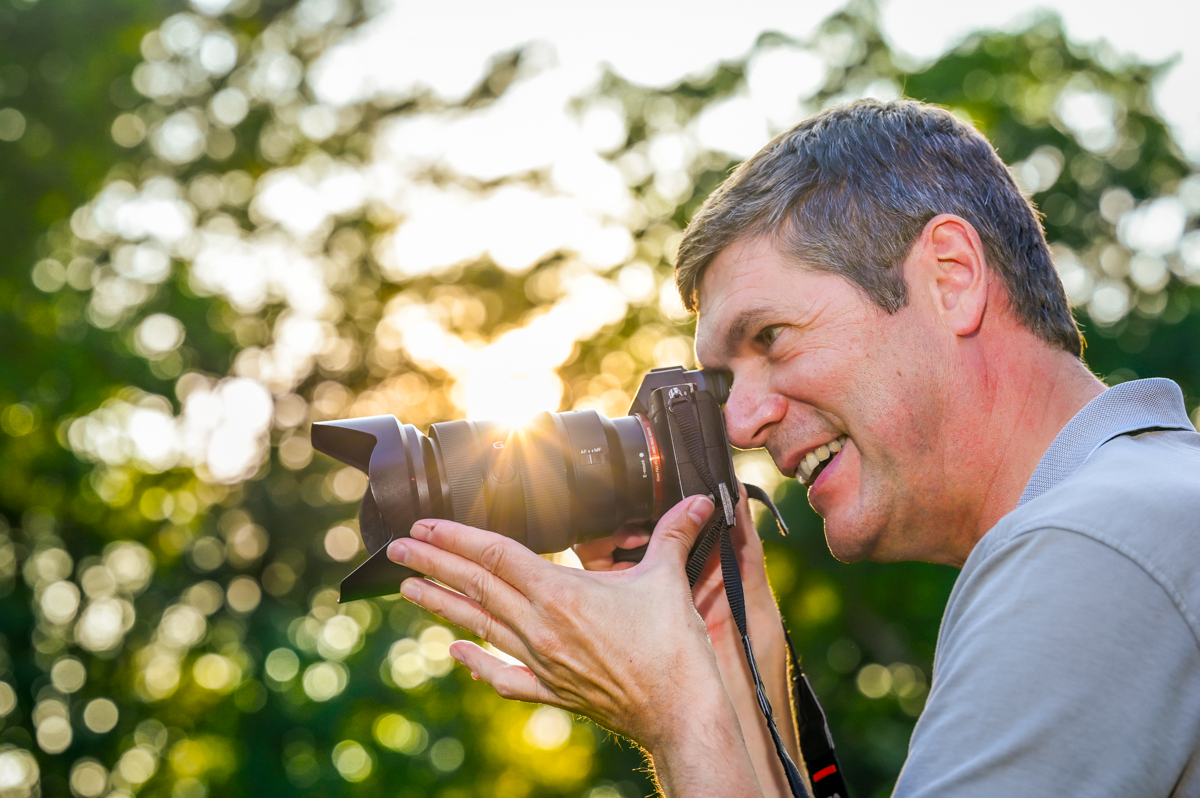
Advice, behind the scenes and reflections on fine art photography
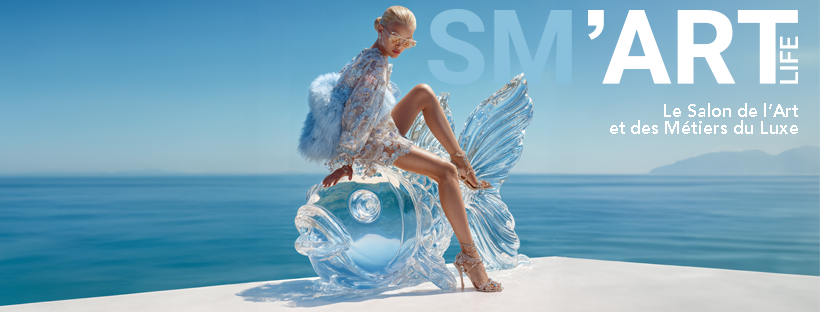
SM’ART Life Aix-en-Provence 2026: exhibiting with TargetArt
A major event for contemporary art in Aix-en-Provence This archive details my announced participation in SM’ART Life, in Aix-en-Provence, from 29 April to 3…
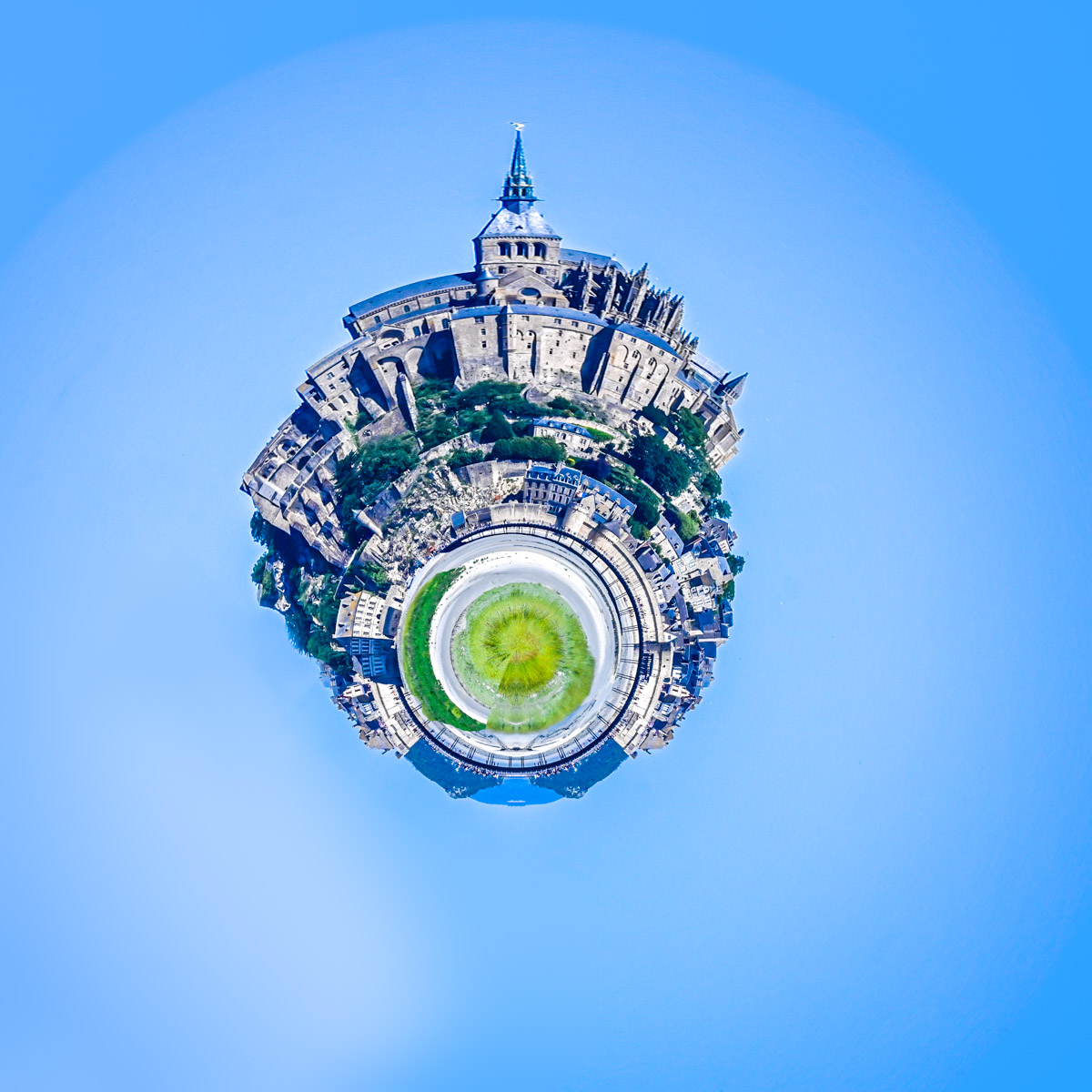
Travel mini planets: turning a place into a photographic memory
A ‘mini travel planet’ offers a different way of looking at a place: the monument remains recognisable, but the space folds in on itself…

Art3f Paris and Luxembourg 2023: exhibiting my mini planets
PAUL MARNEF EXHIBITS AT THE ART3F CONTEMPORARY ART FAIR Dear art-loving friends, This article archives the announcement of my art3f exhibitions in Luxembourg, from…
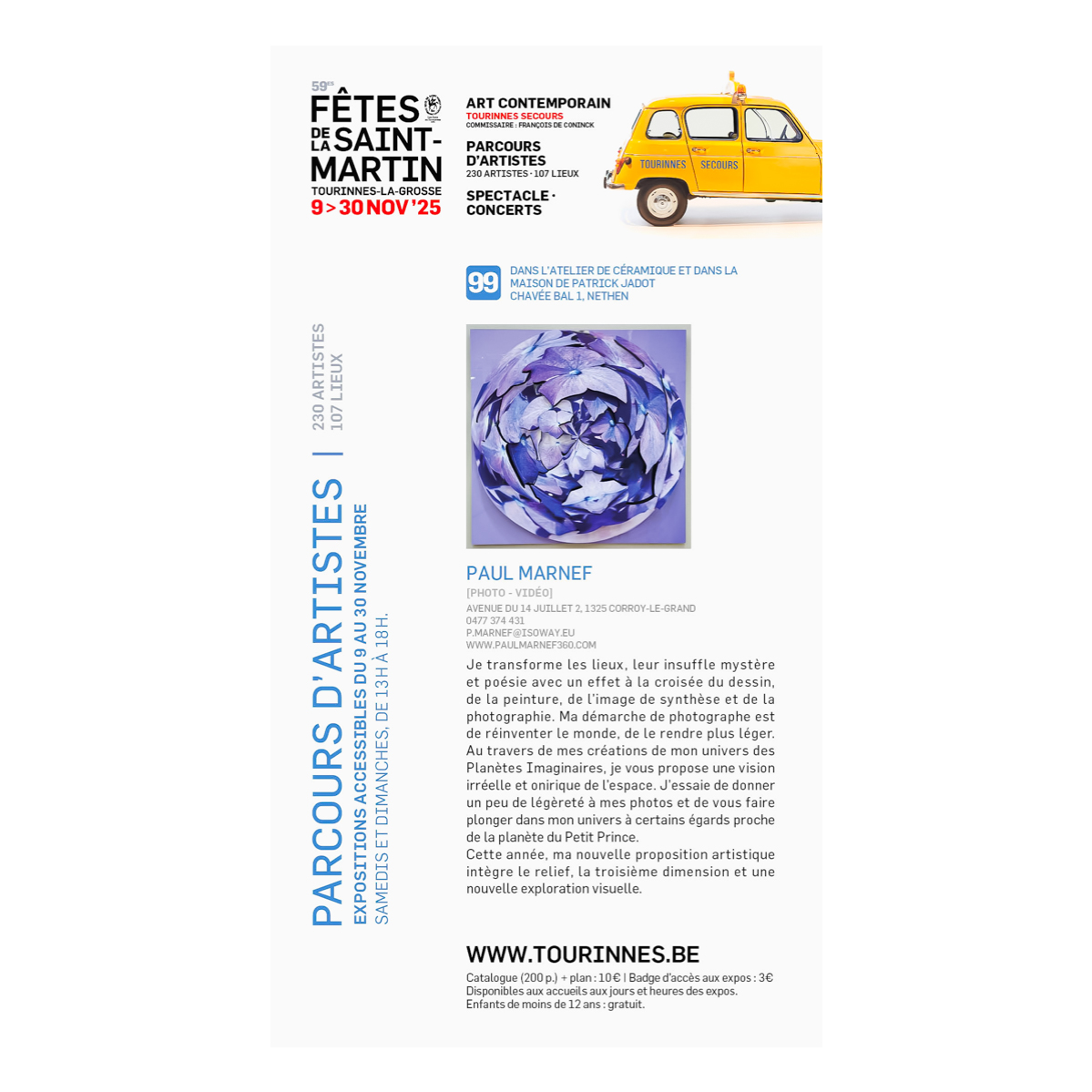
Fêtes de la Saint-Martin 2025: my new works in Nethen
For the 2025 Saint-Martin Festival, I have prepared a selection of Imaginary Planets, paying particular attention to black and white and the finishes. This…
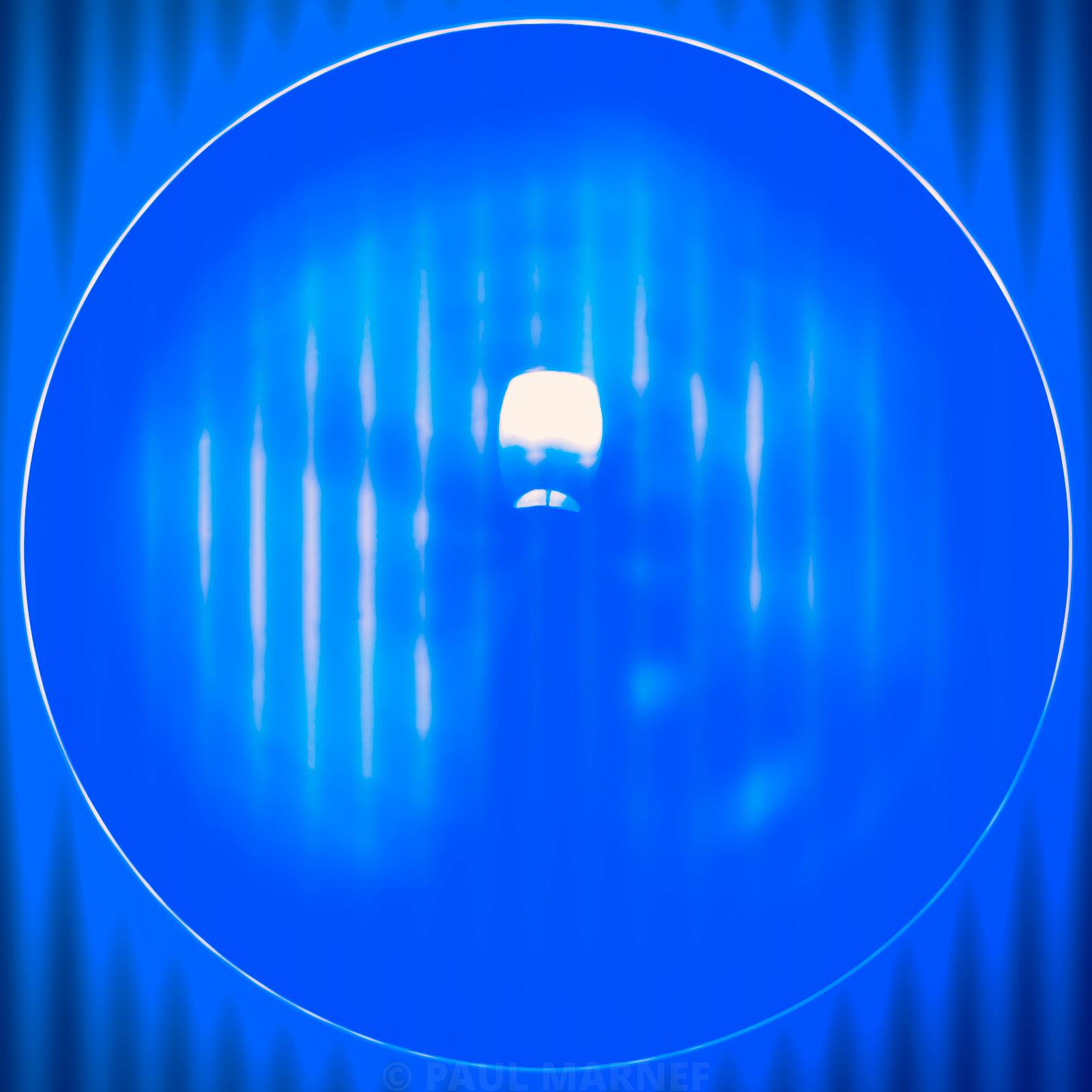
Fine art photograph sizes by room: living rooms, hallways and offices
The size of each fine art photograph should be chosen by considering the wall, the furniture and the viewing distance. As a fine art…
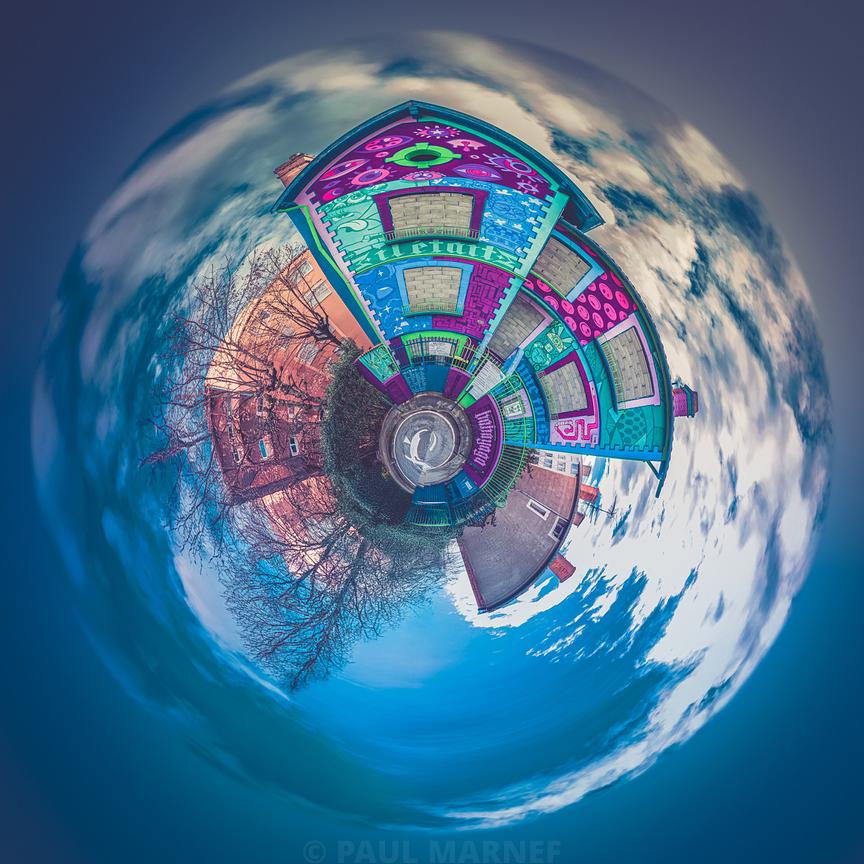
Buying art online: 10 checks before ordering
Buying a work of art online requires a few practical checks: who created it, which print you will receive, how it will be presented…
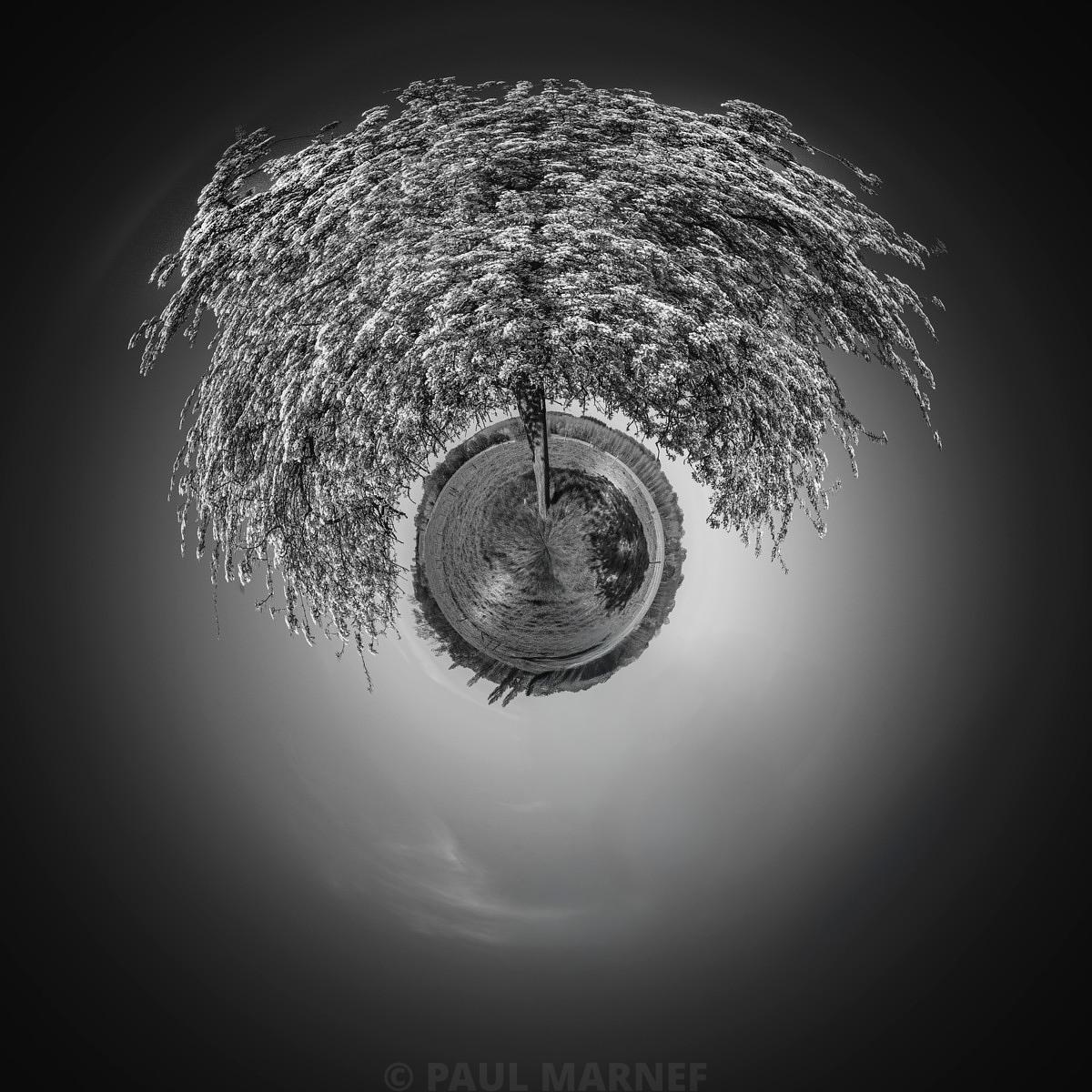
A collector’s guide to fine art photography: choosing and caring for prints
Collecting fine art photography is, above all, about choosing works that move us, challenge us or invite us to see the world in a…
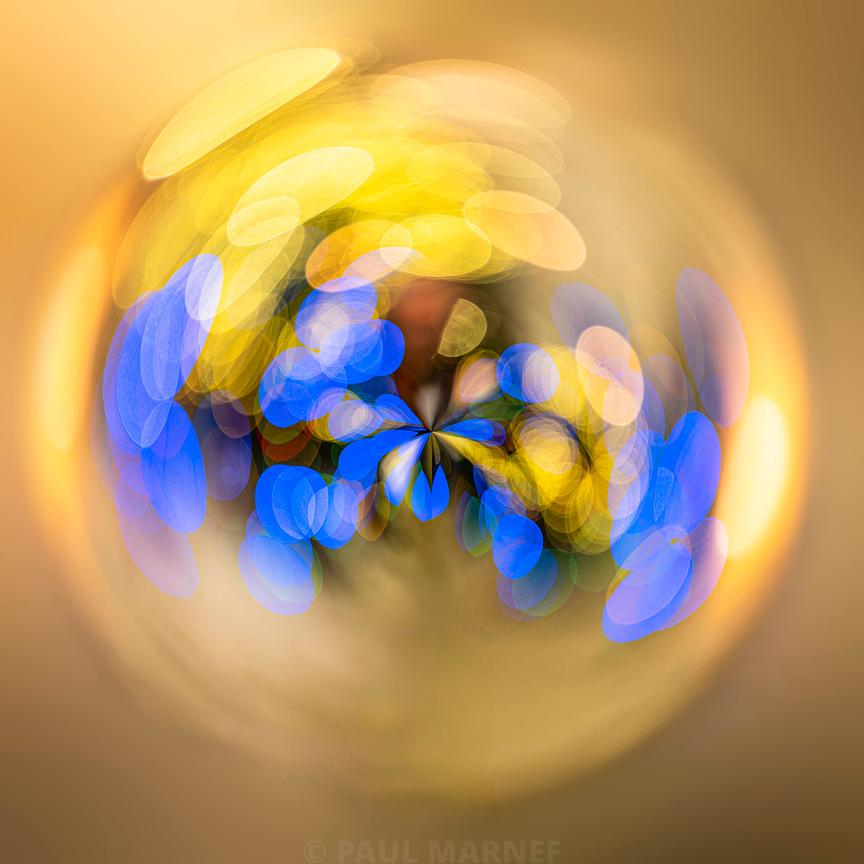
Certificates of authenticity for fine art photographs: essential details
A certificate of authenticity for a fine art photograph documents the print and links it to its creator. It complements the signature and numbering,…
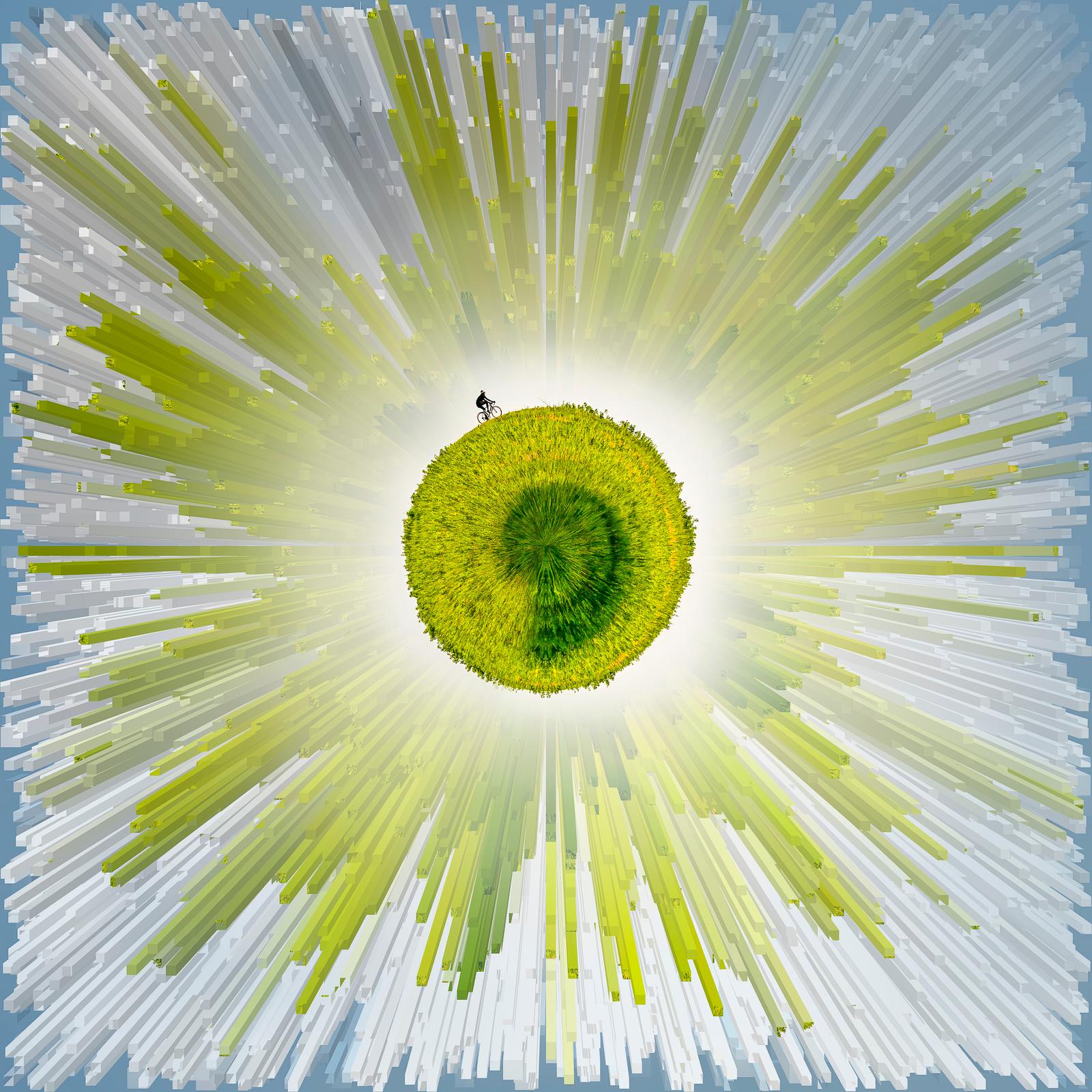
Contemporary fine art photography: transforming reality and opening the gaze
What can a contemporary fine art photograph help us to see differently? In my Imaginary Planets, I take a real place as my starting…
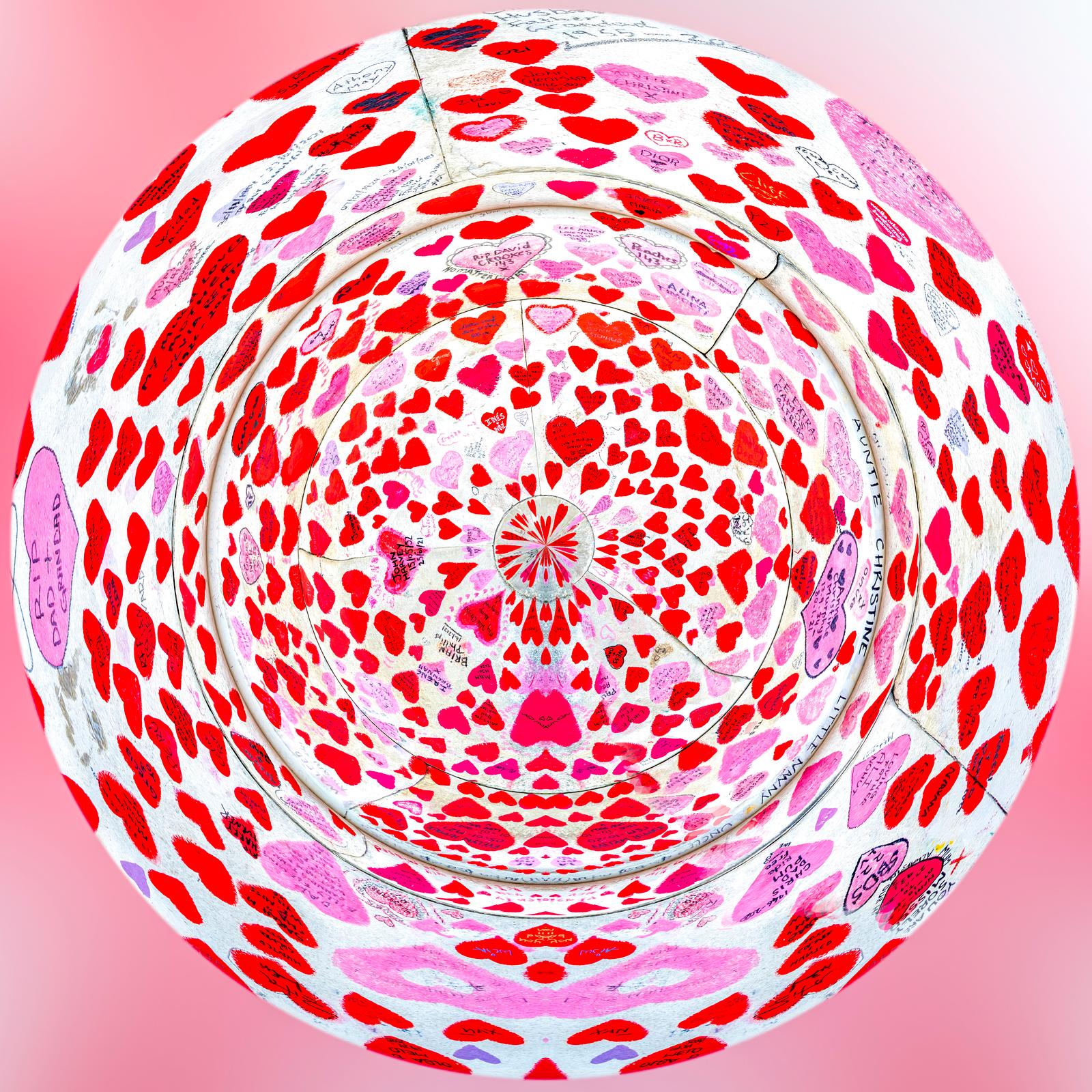
Awagami fine art paper: texture and nuance for my prints
I am drawn to Awagami fine art paper for its texture and the way it creates a dialogue between the fibres and the image.…
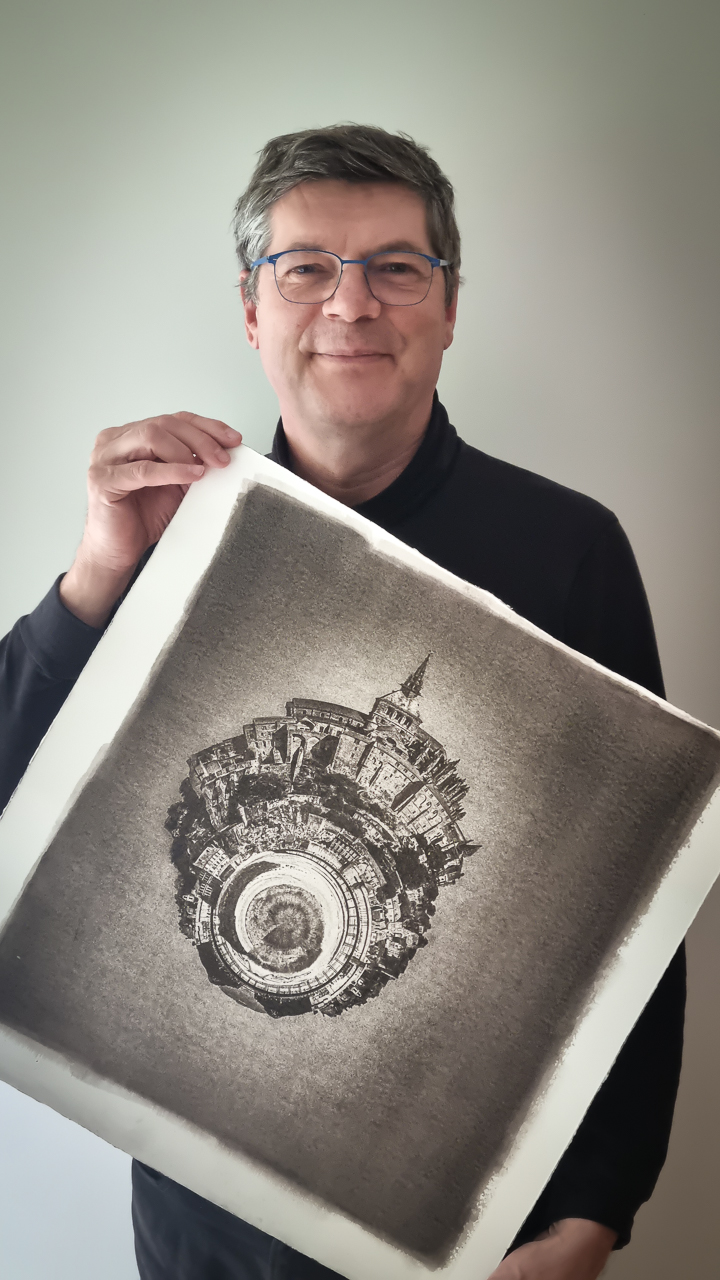
My first ZeroChrome-SbQ print: photography, pigment and light
There are moments when an image transcends the confines of a digital file, a screen or a conventional print to become something else: a…
L’Esprit de l’Art in Paris: my Imaginary Planets with TargetArt in 2025
‘L'Esprit de l'Art’ exhibition by TargetArt This article retains the details of my announced participation in L’Esprit de l’Art, organised by TargetArt from 4…
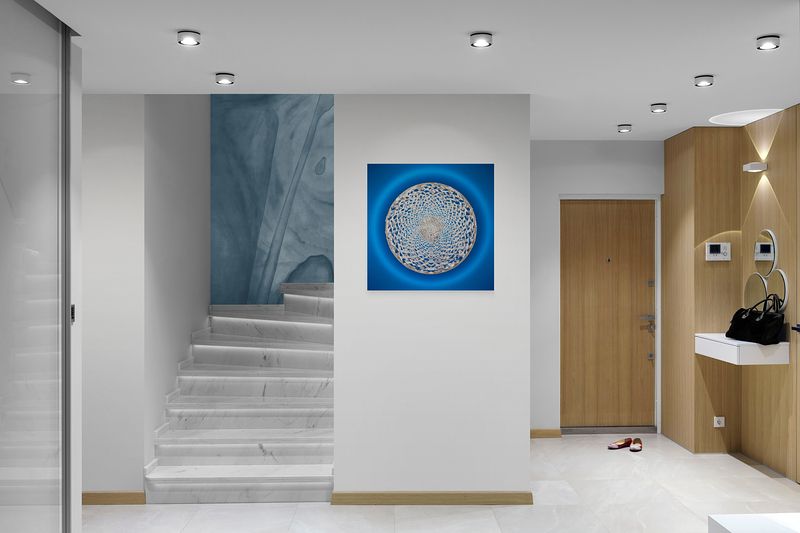
Hanging a fine art photograph: placement, light and harmony
To hang a fine art photograph in your home, you need to give it a place where it remains legible, prominent and in dialogue…
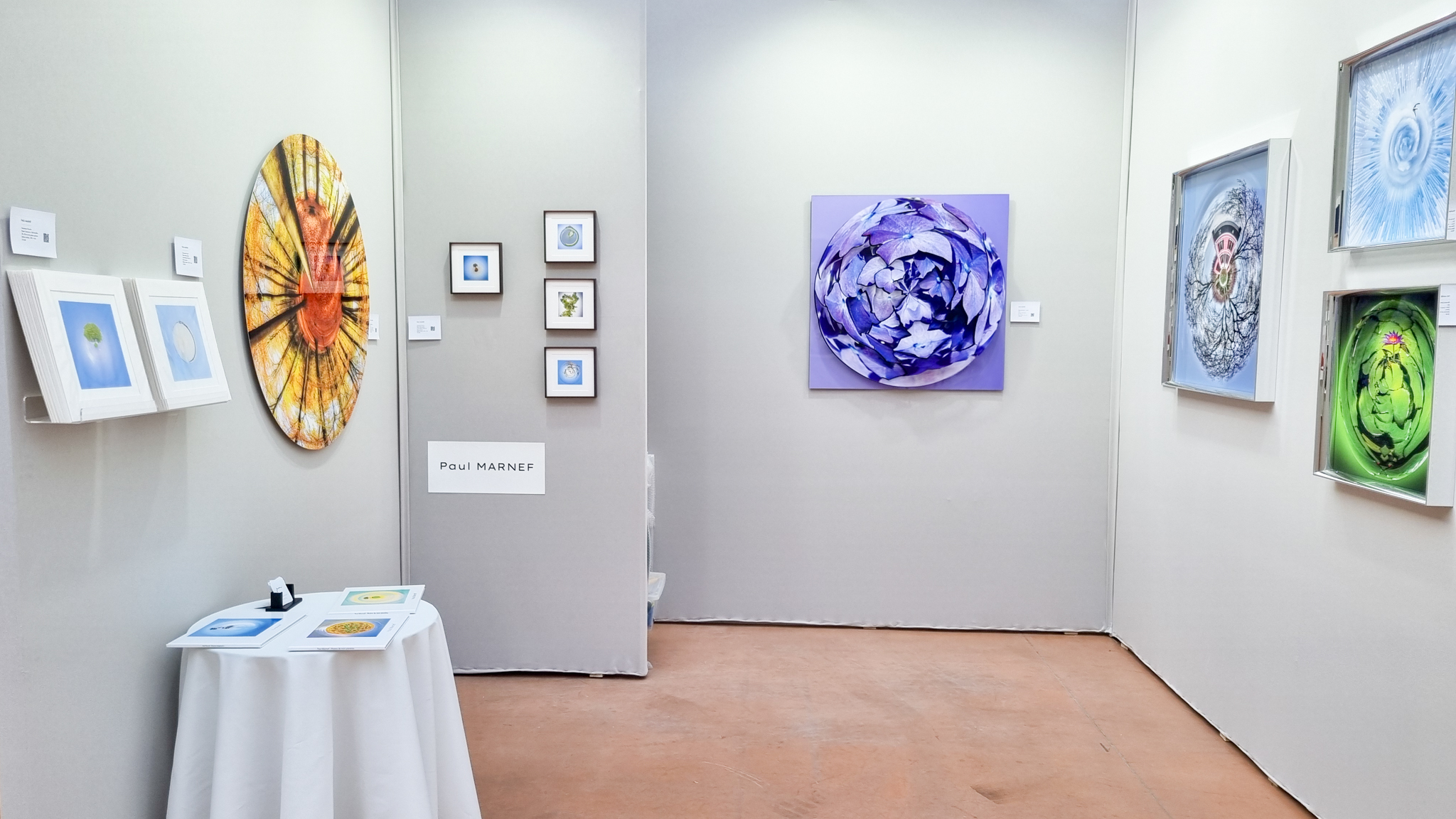
Art Capital at the Grand Palais: my experience as a fine art photographer
Paul Marnef, a Belgian fine art photographer, presents his limited-edition fine art prints Presenting my Imaginary Planets at Art Capital, at the Grand Palais…
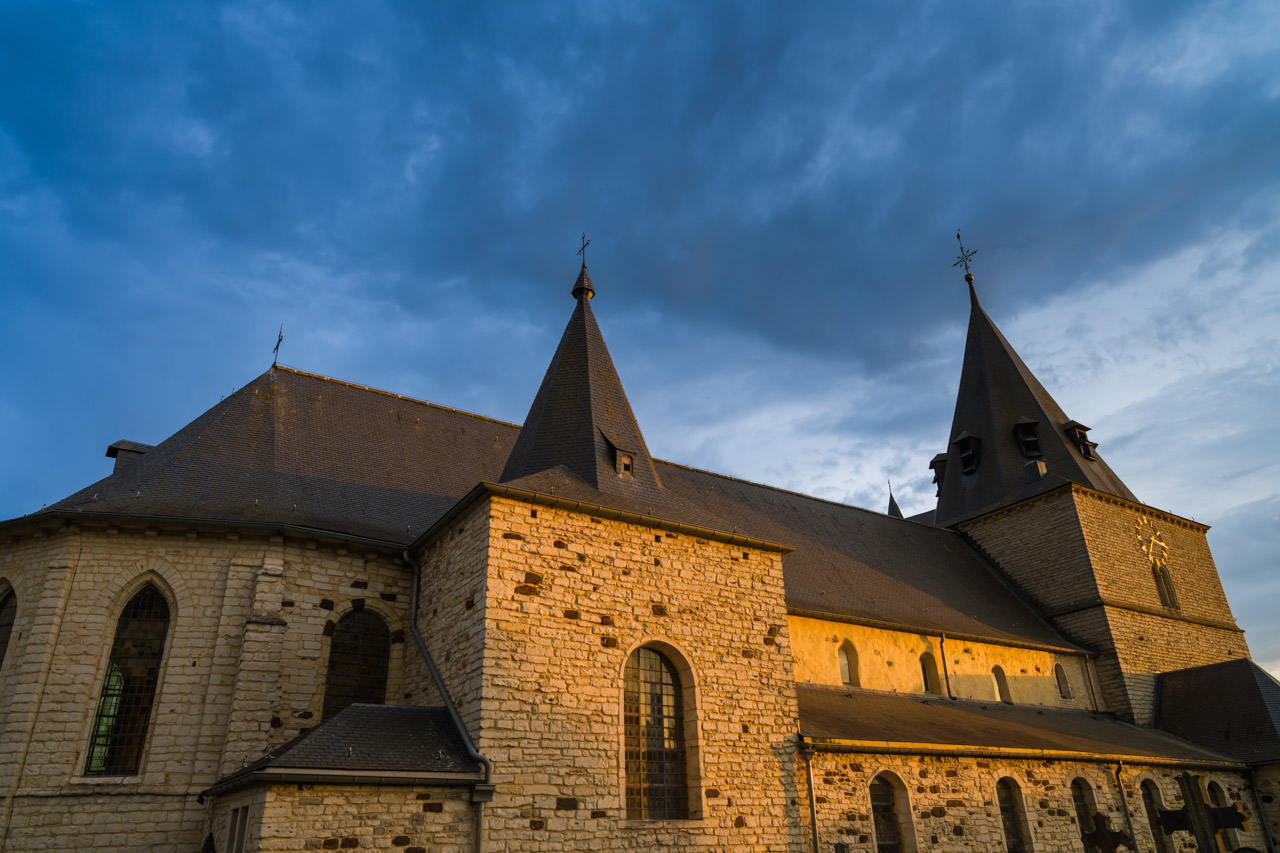
Artists’ trails in Walloon Brabant: encounters and visiting tips
A journey through the art scene in Walloon Brabant is best discovered on foot, by stepping into a studio or chatting in a house…
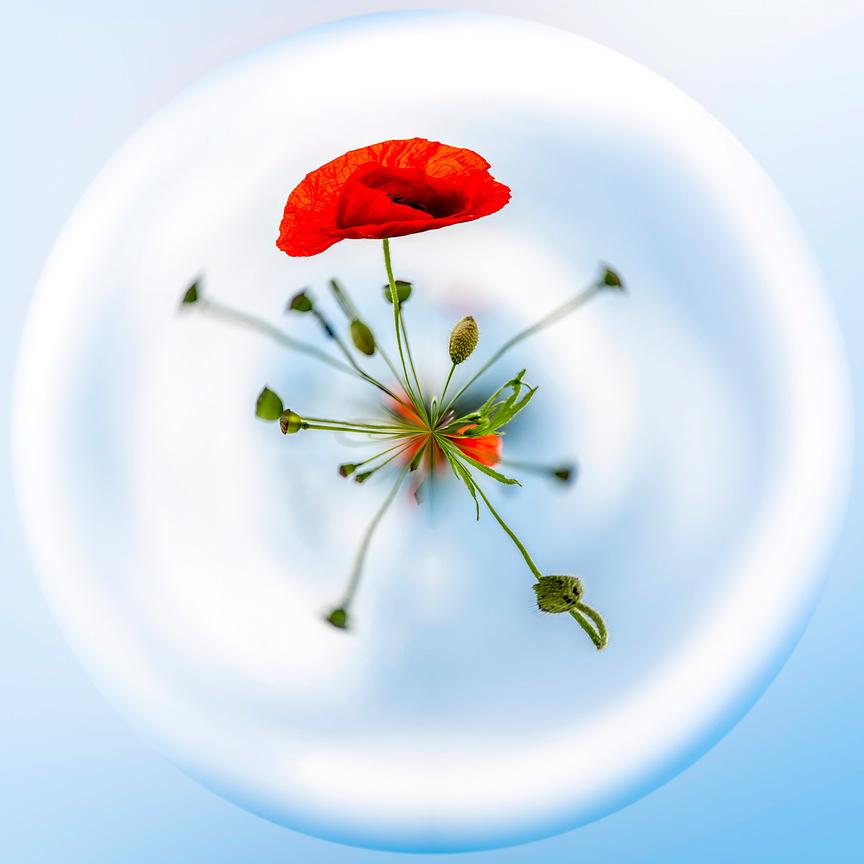
Decorating with colour: exploring my mini planets from blue to yellow
Find a colour palette that suits you A colour can be the starting point for an encounter with a work of art. In this…
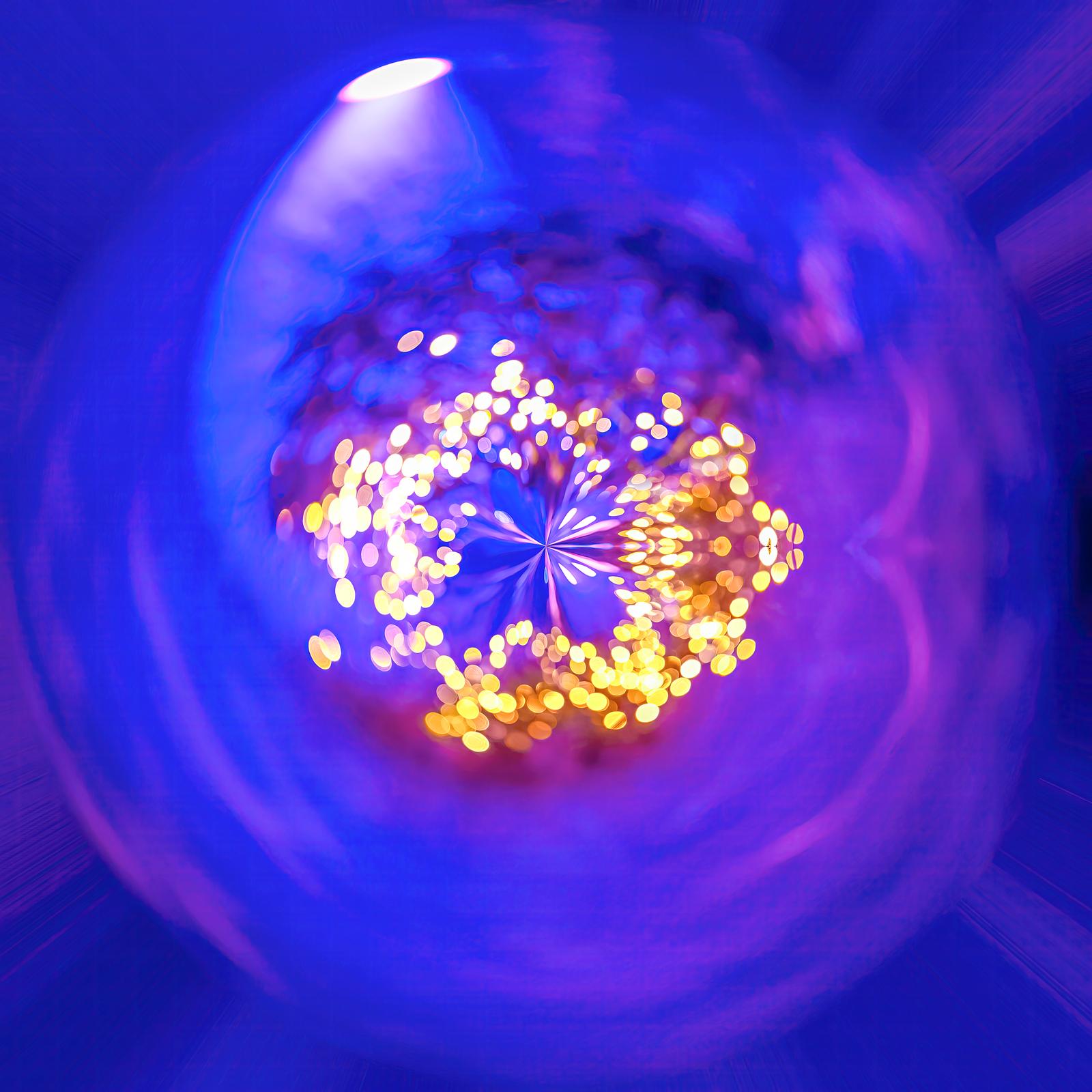
How to choose a fine art photograph: an artist’s guide
When choosing a fine art photograph, I invite you first and foremost to listen to your own sensibilities. As a fine art photographer and…
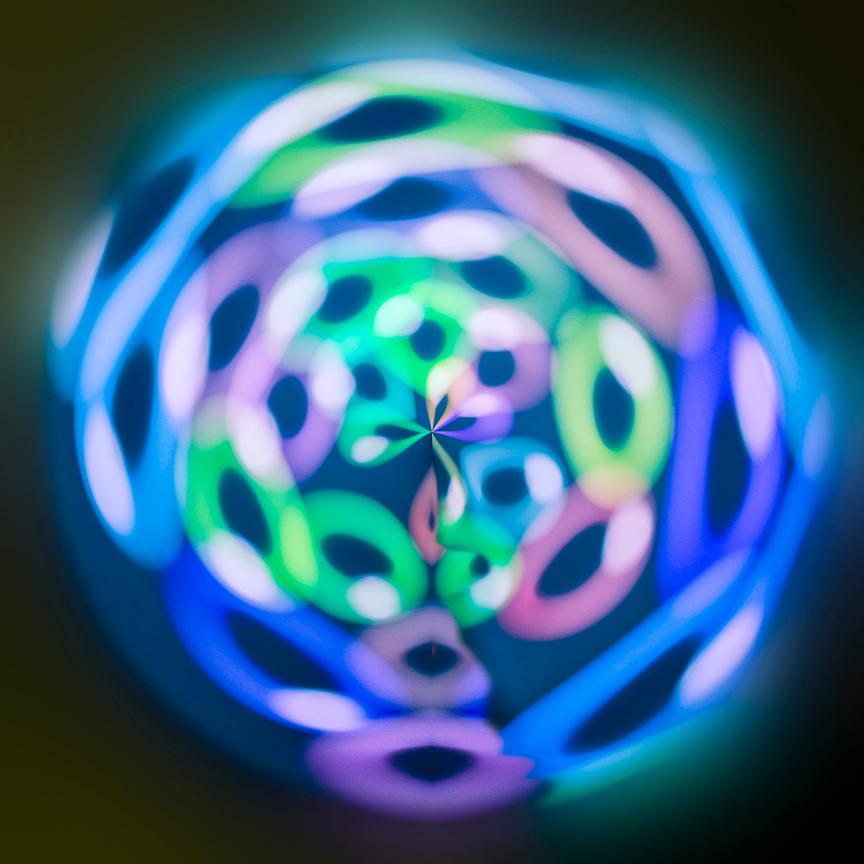
Creating Imaginary Planets: from real landscapes to photographic works
The creation of my Imaginary Planets begins in the real world: a landscape, a light, a shape or a detail that catches my eye.…
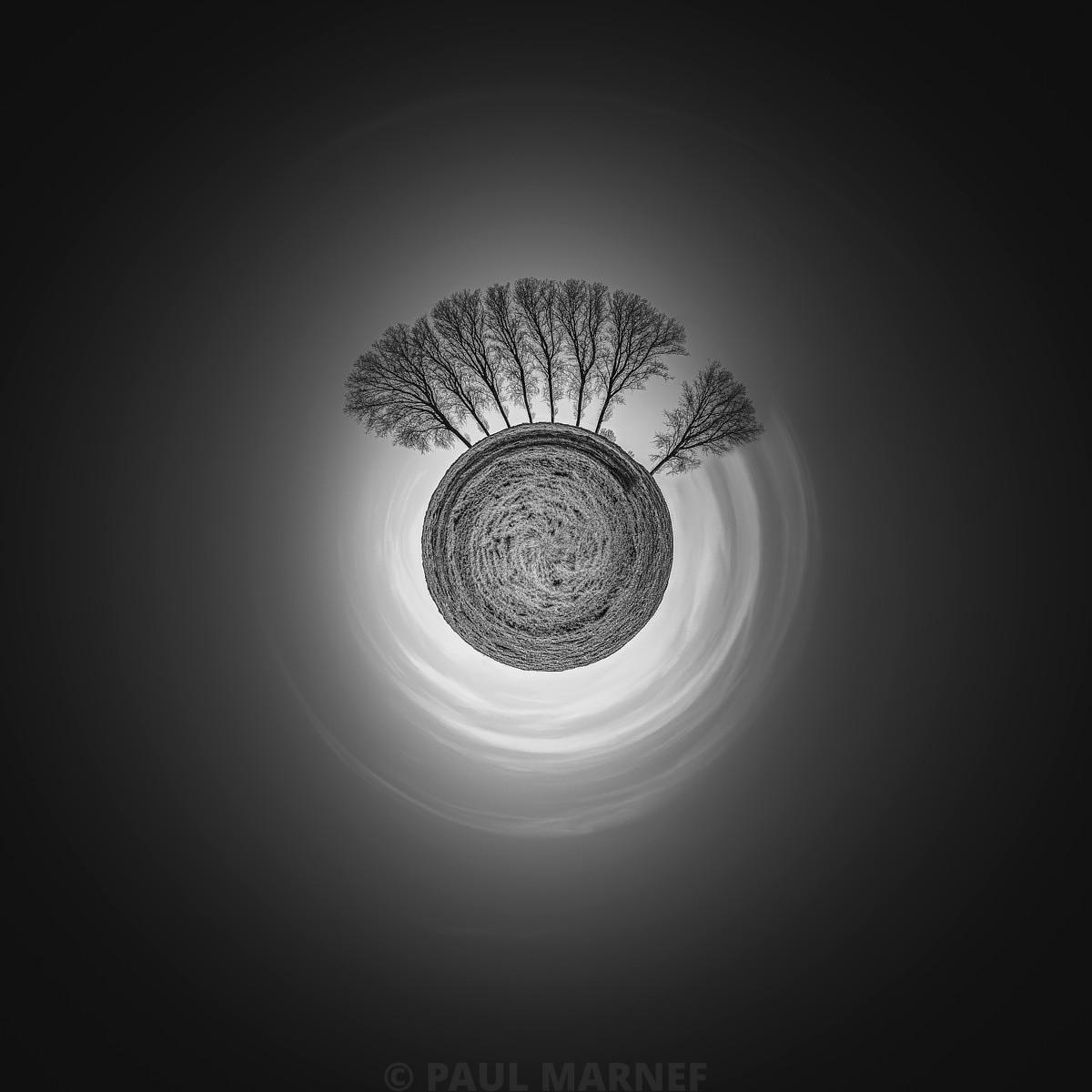
Piezography: the nuances of black and white in my fine art prints
Piezography: printing excellence for photographic artworks I am drawn to piezography for the subtlety of its transitions and the way it reveals nuances in…
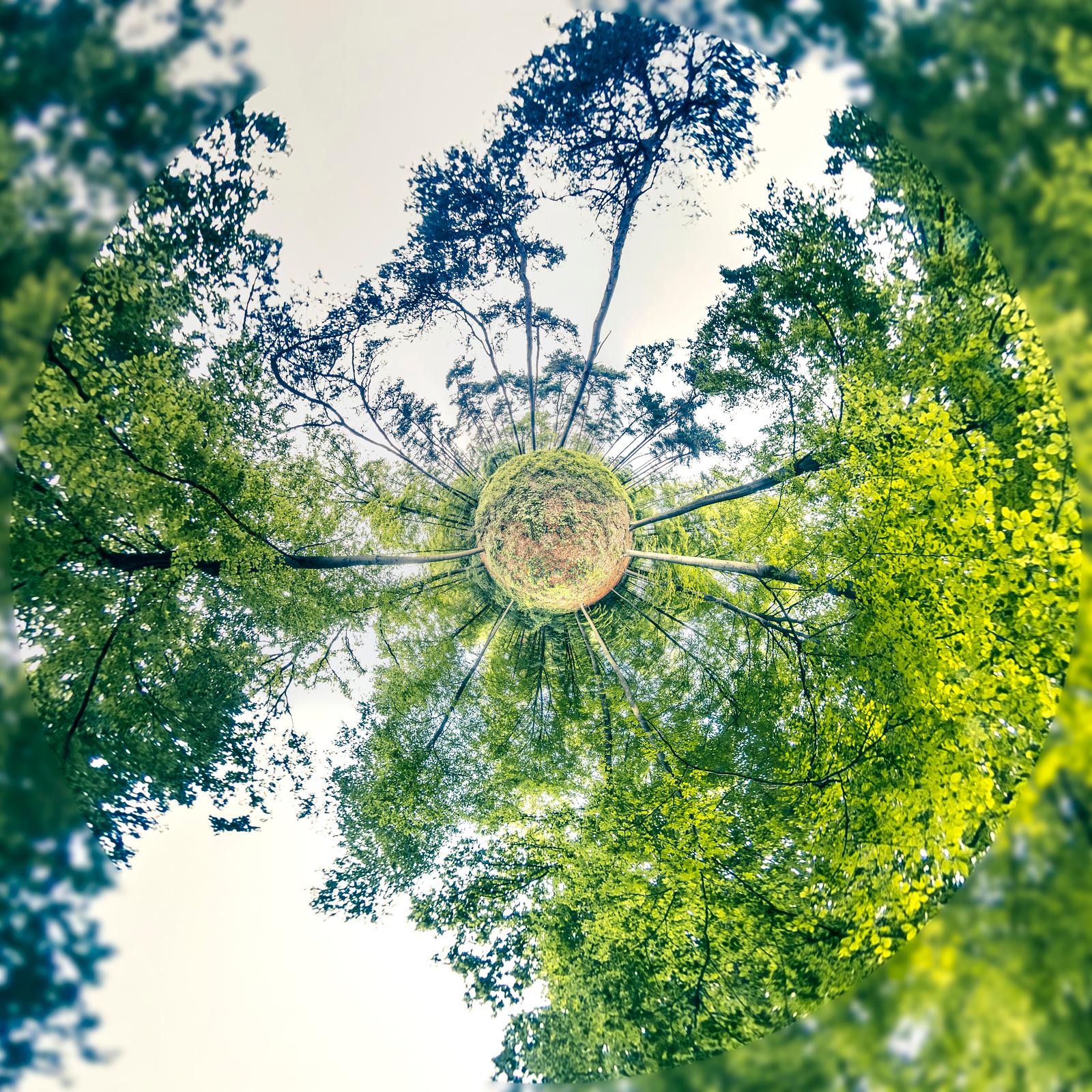
FineArt Baryta paper: contrast and texture in my photographic prints
The Benefits of Printing Your Photographs as Fine Art on Hahnemühle Fine Art Baryta Paper: A Guide for Artists and Collectors Photograph of ‘Imaginary…
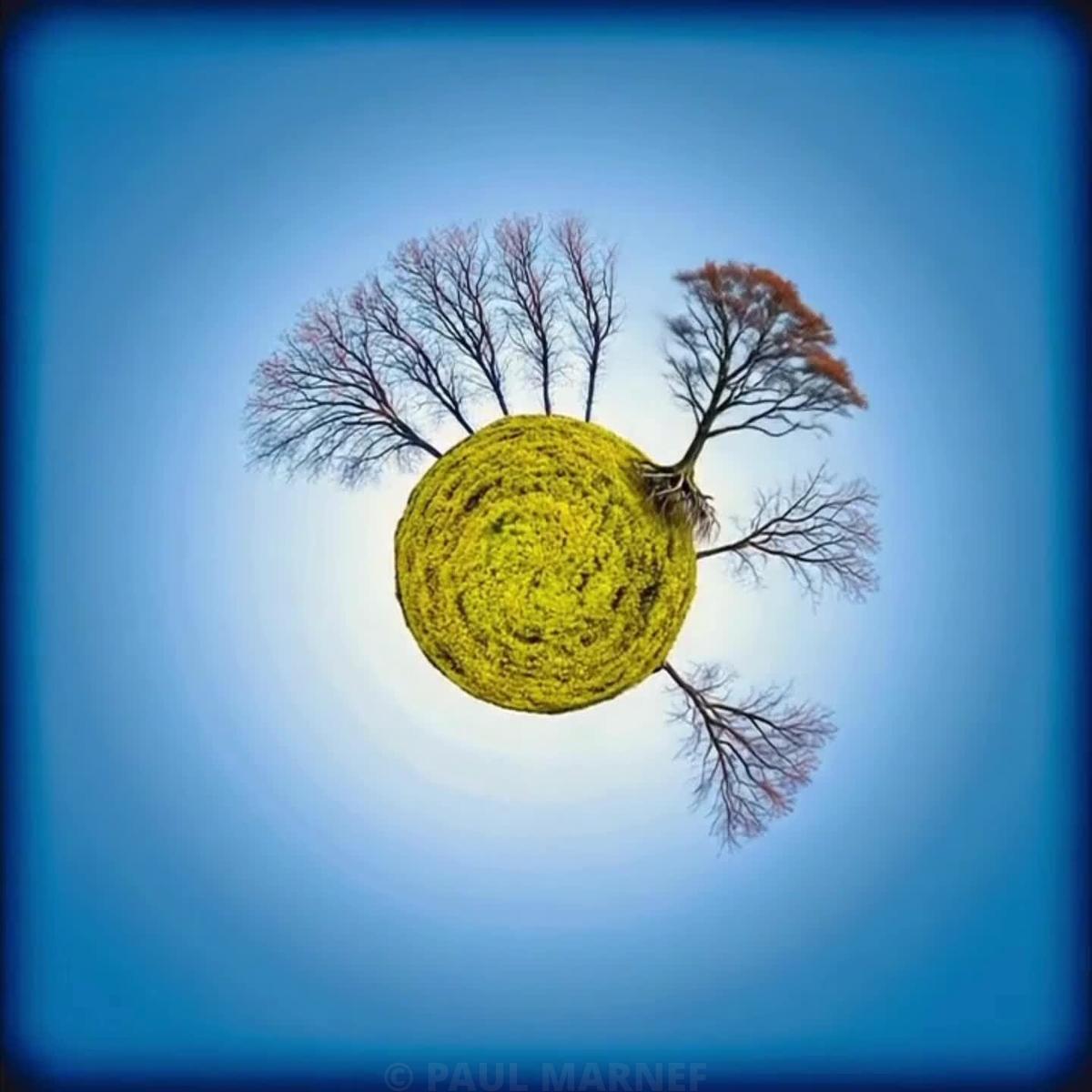
Fine art photography and augmented reality: taking the experience further
Augmented reality in the service of contemporary fine art photography Augmented reality allows me to extend some of my fine art photographs through an…
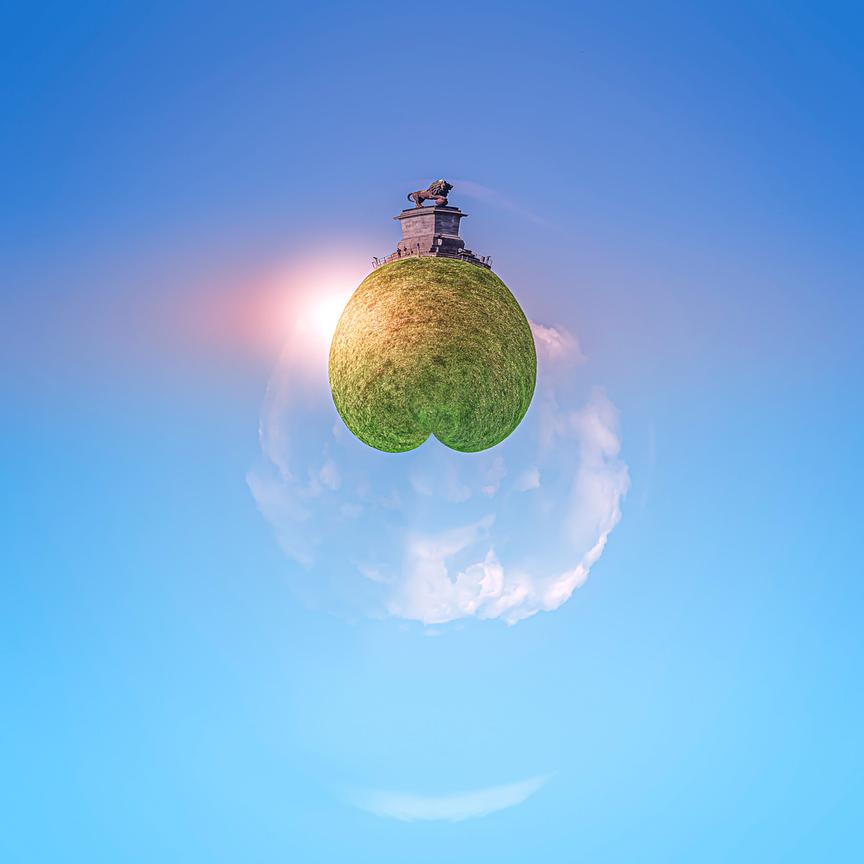
WaWa Magazine: a portrait of my Imaginary Planets
In June 2025, WaWa Magazine published a feature on my Imaginary Planets. In it, I find themes that run through my work: landscape, the…
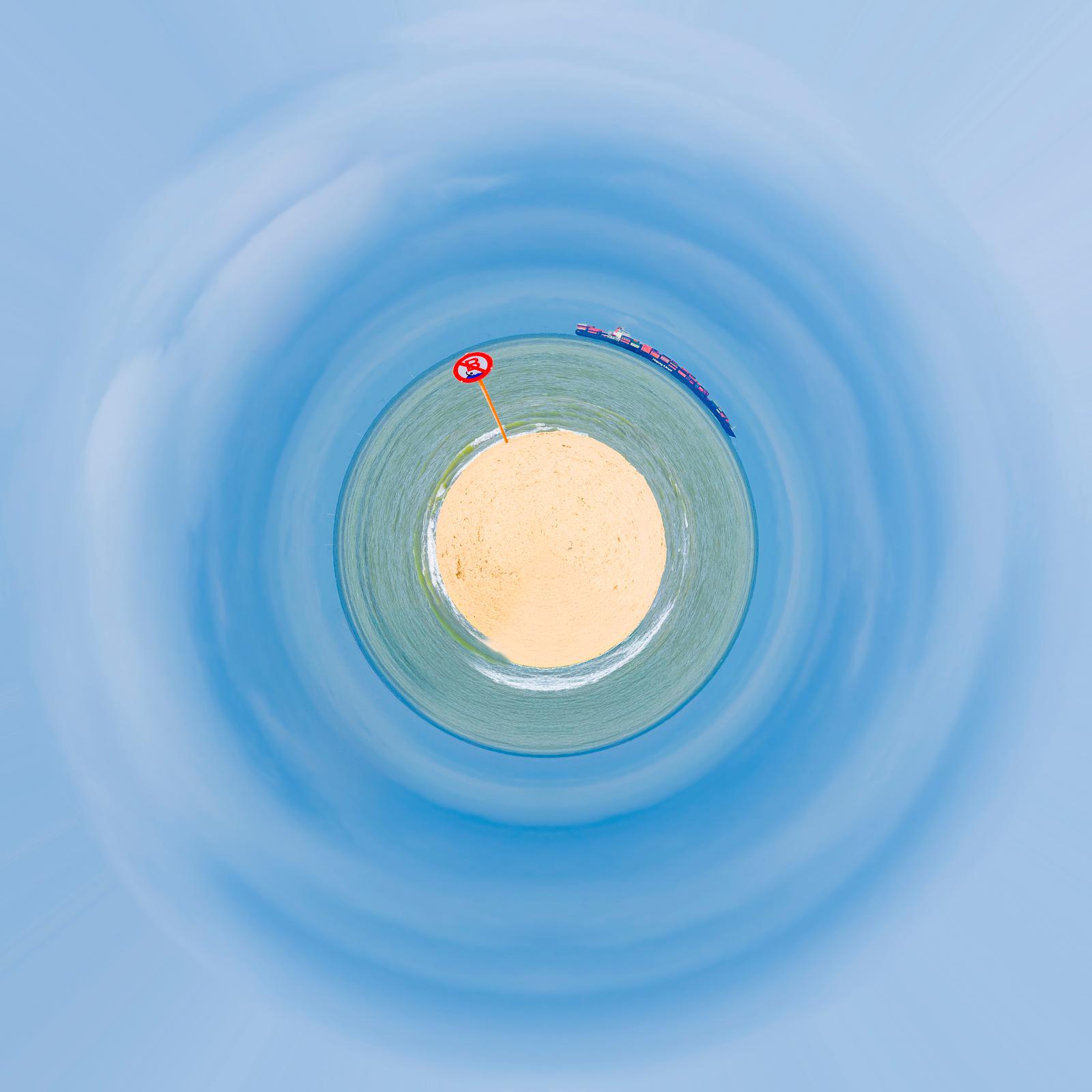
Exhibiting in Knokke: my experience at Nitra Gallery
Exhibiting in Knokke was a significant milestone in my career as a fine art photographer. At the Nitra Gallery, I presented my Imaginary Planets…
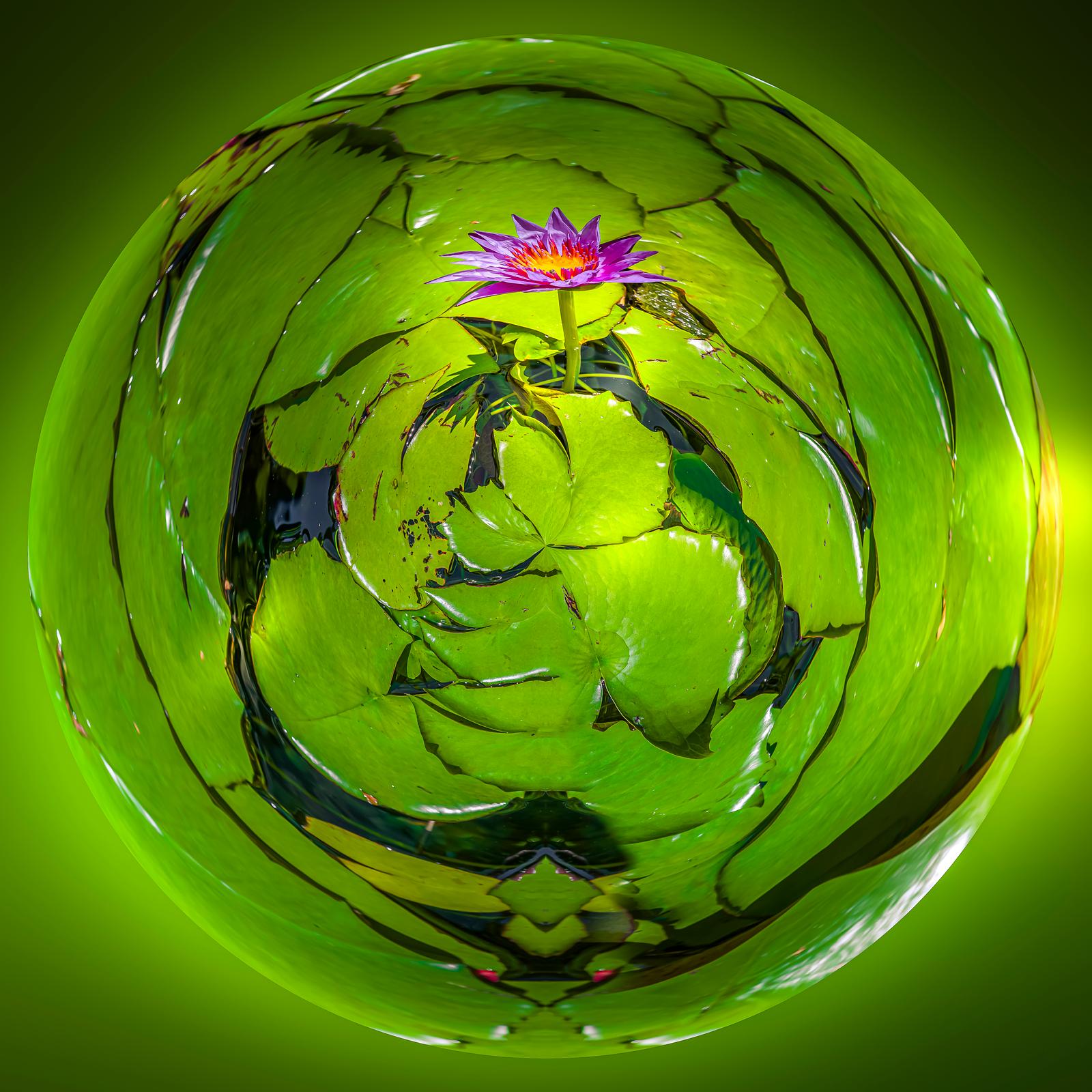
Fêtes de la Saint-Martin 2024: my Imaginary Planets in Hamme-Mille
The Saint-Martin Festival: A unique artistic event in Belgium The Saint-Martin Festival is a highlight of the year. Since 1965, this event has brought…
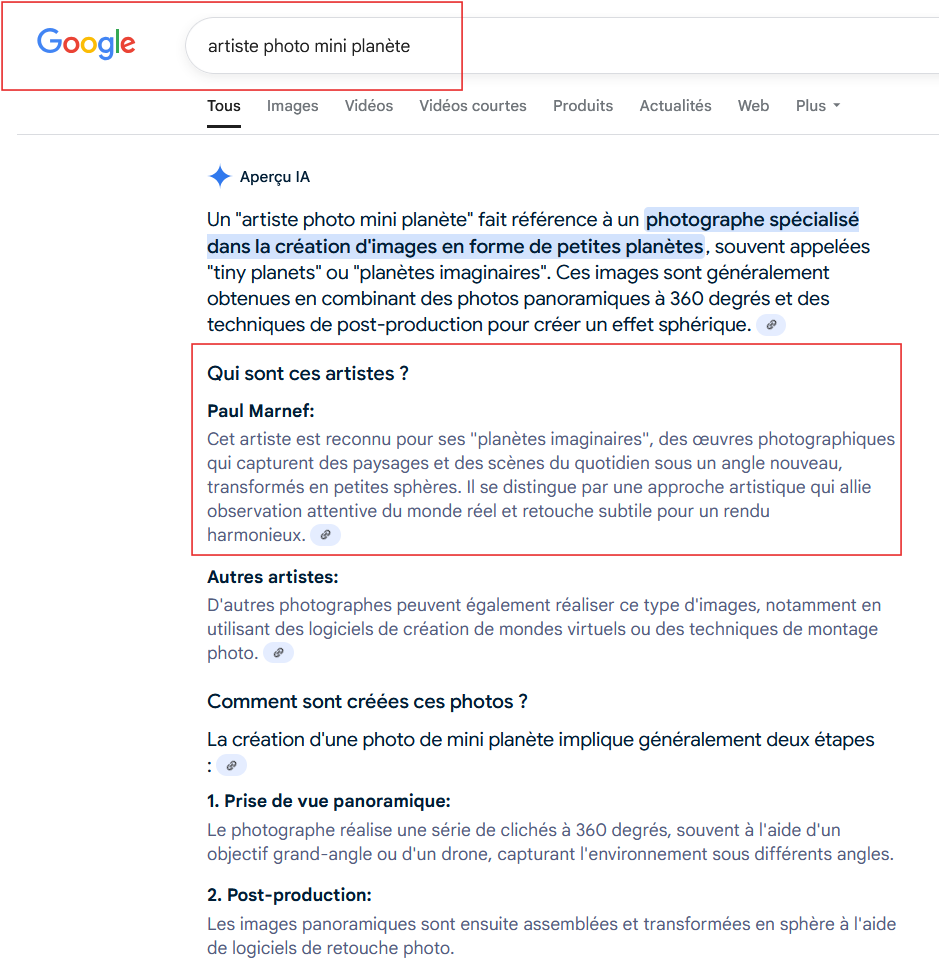
My Imaginary Planets on Google: recognition that touched me
Seeing my work appear in a Google search result on ‘mini-planets’ touched me. I share this observation as a personal moment of visibility for…
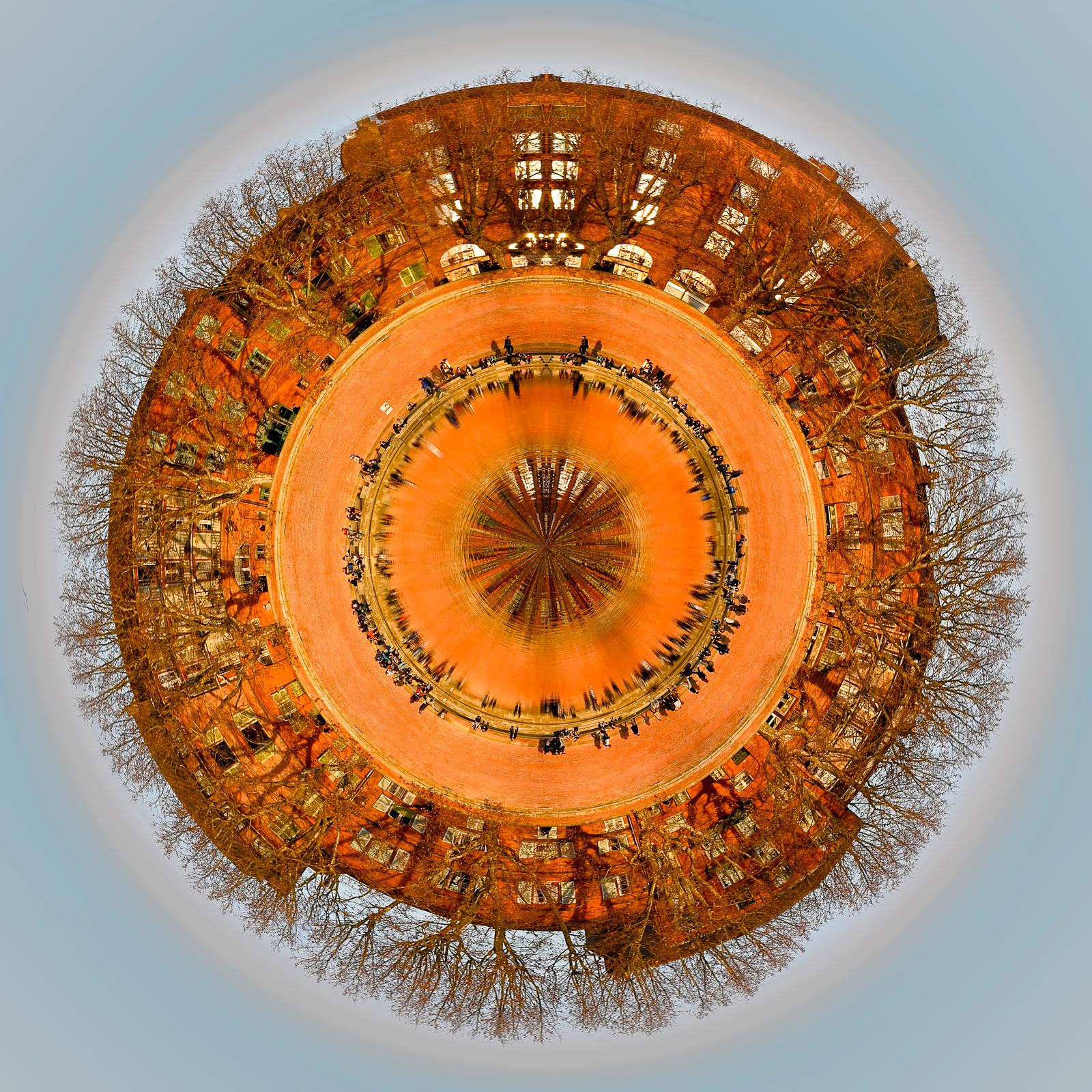
Framing a fine art photograph: frames, glazing and float frames
Starting with the image and the print When framing a fine art photograph, I start with the image and its backing before choosing a…
The art market in France and Belgium: a photographer’s perspective
The art market in France and Belgium can also be explored from the artist’s perspective: in a gallery, at an art fair or during…
Signing a fine art photograph: my commitment as its creator
Signing a fine art photograph links a specific print to my work as an artist. For my Imaginary Planets series, the signature forms part…
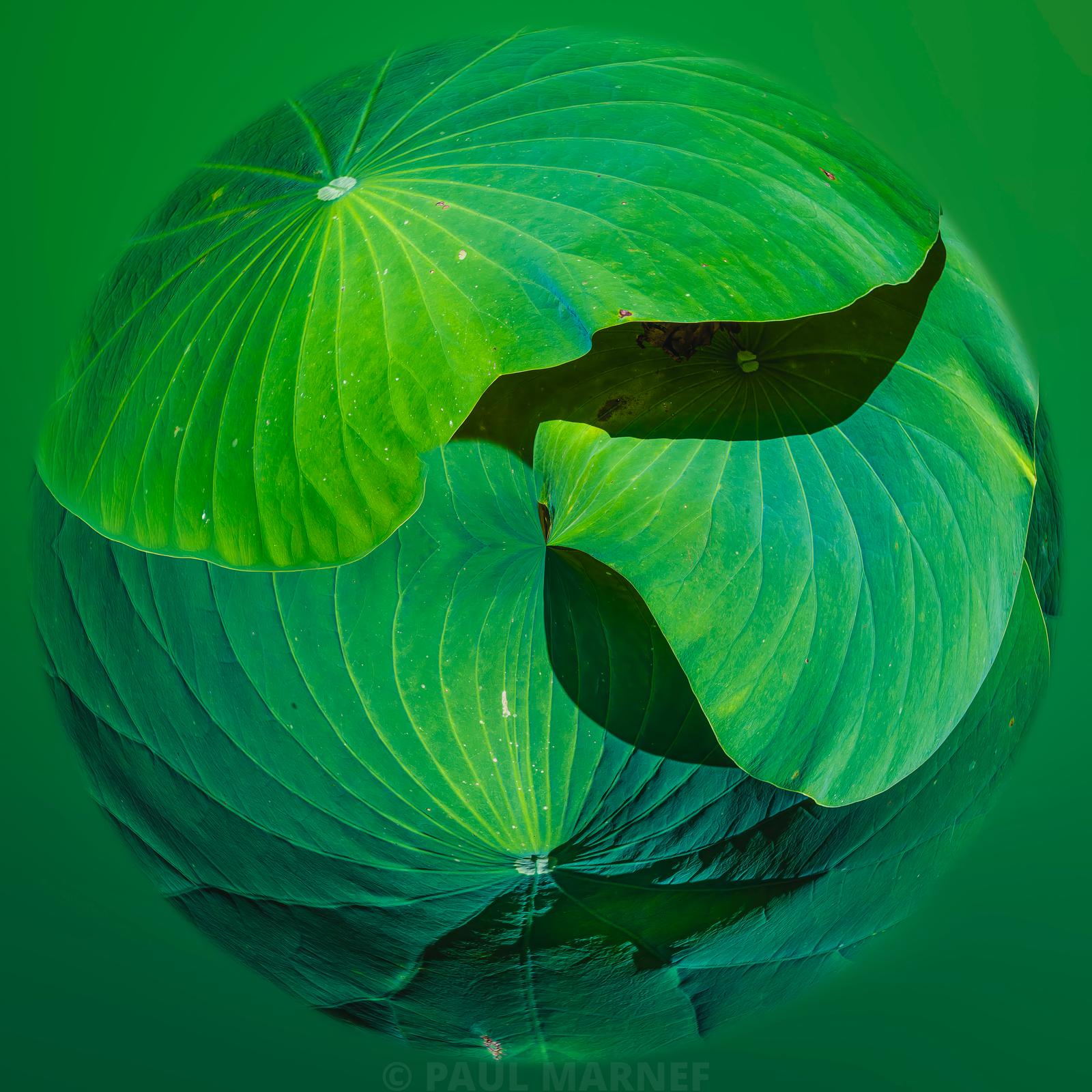
Similar fine art photographs: comparing works while following your instinct
Comparing similar art photographs helps you understand what appeals to you: a colour palette, a circular composition, a light effect or a motif. In…
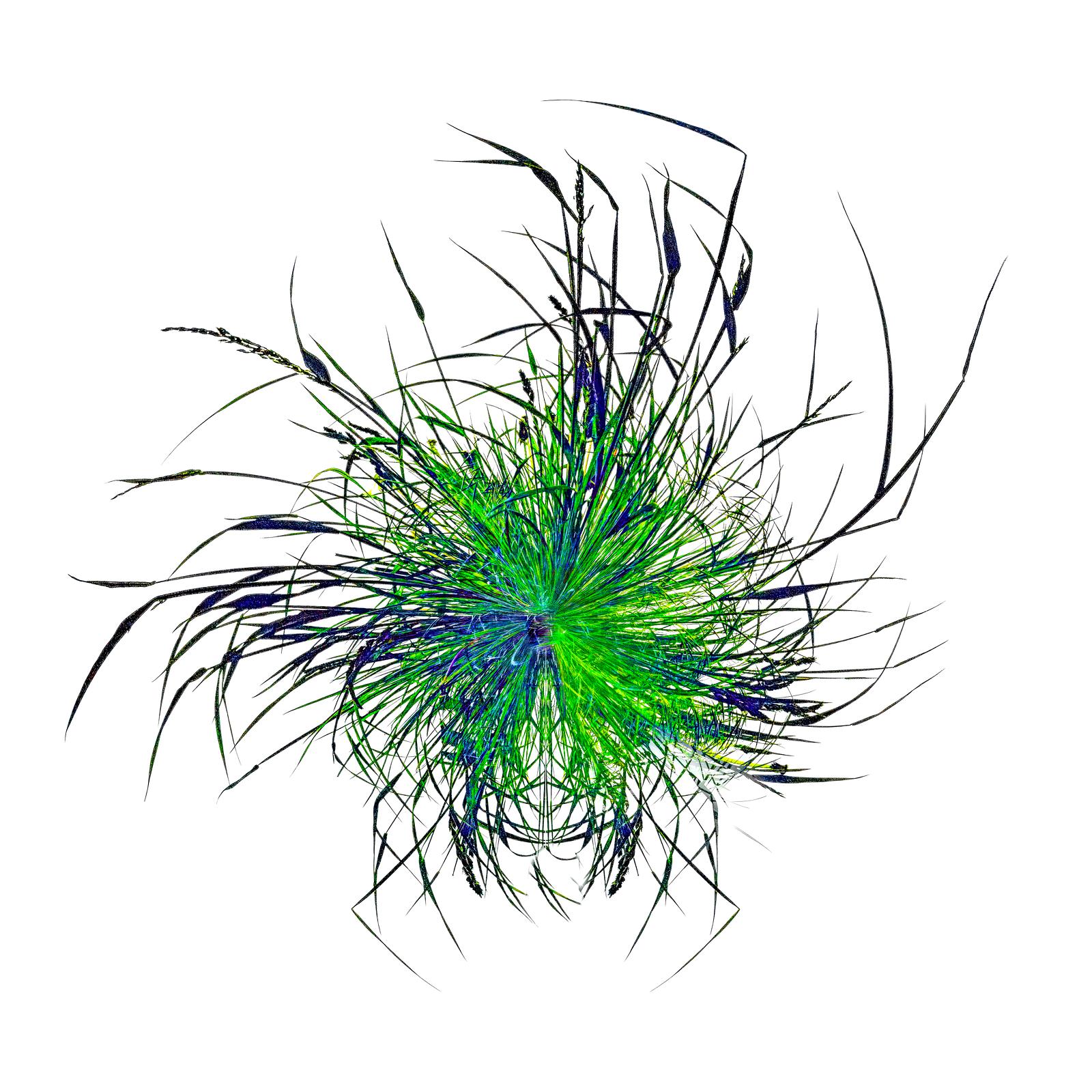
FineArt Torchon paper: texture in my photographic prints
Why look at the texture of the tea towel Fine Art Torchon paper offers a matt, textured surface that enhances the viewing experience of…
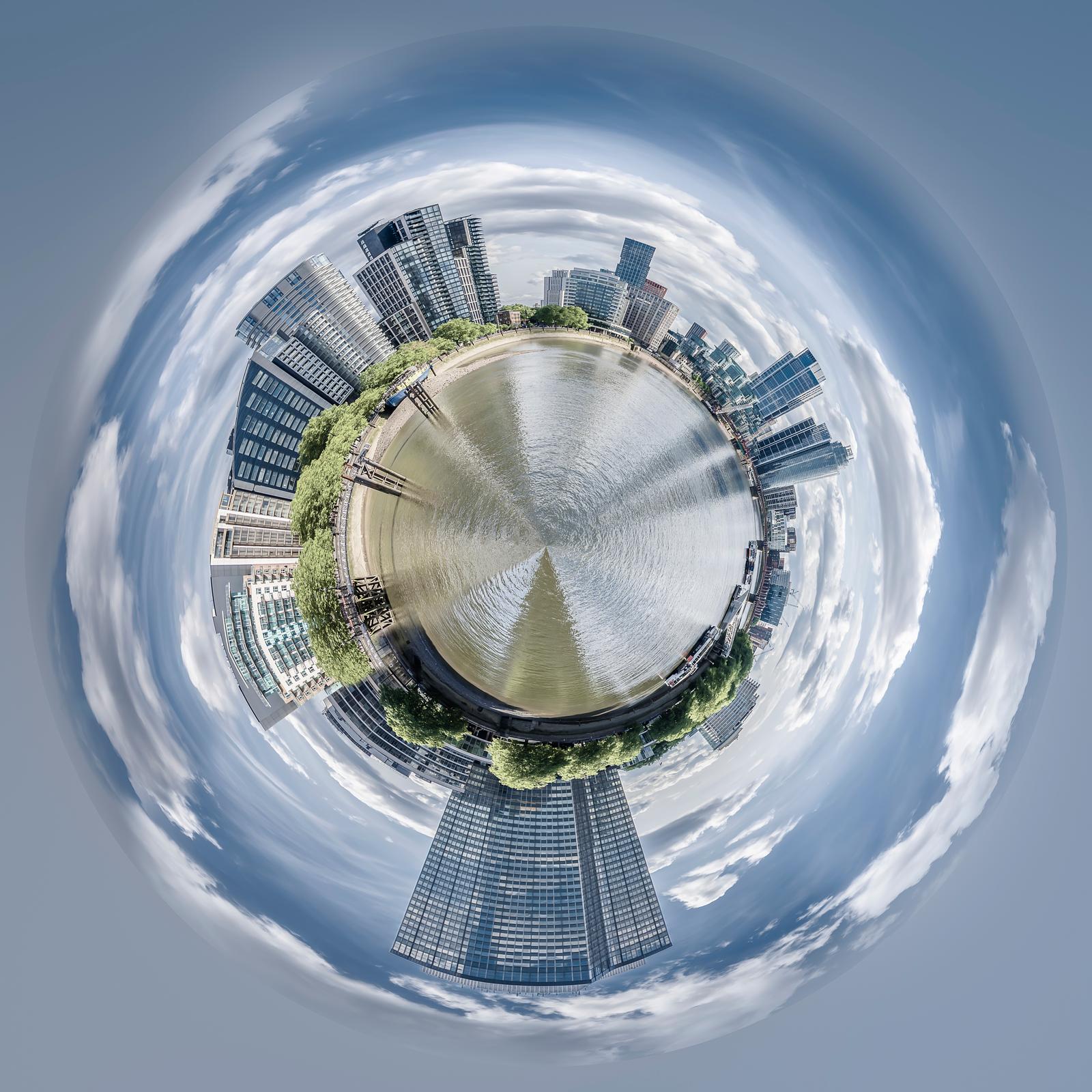
Photo Rag Metallic paper: light and reflections in my prints
Subscribe to my newsletter Why I choose Photo Rag Metallic paper The choice of paper plays a vital role in my artistic process. For…
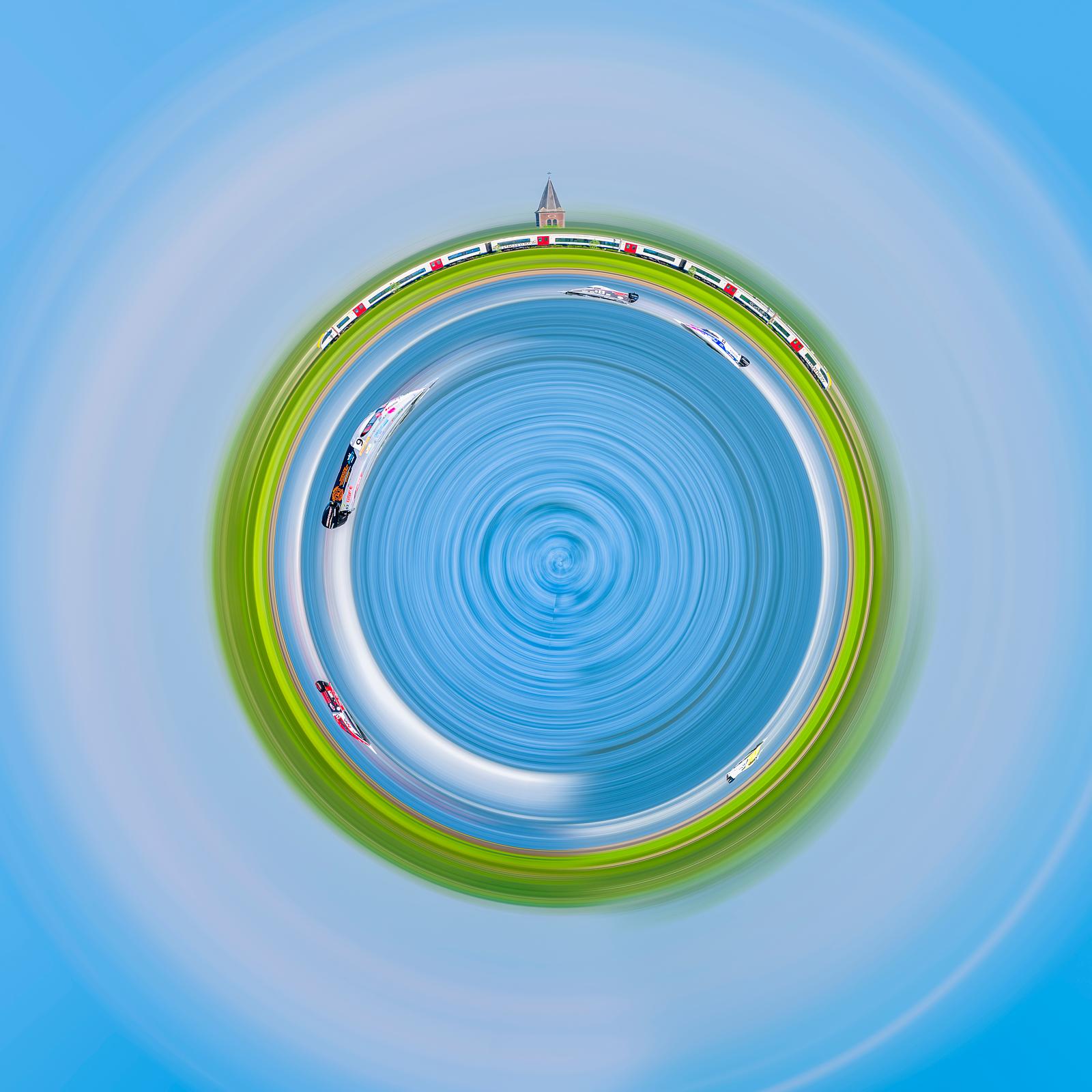
Diachrome FineArt acrylic mounting: depth and presentation for my prints
Subscribe to my newsletter Why choose a plexiglass mount? The Plexi Diachrome FineArt mounting places the print beneath acrylic glass. This choice alters the…
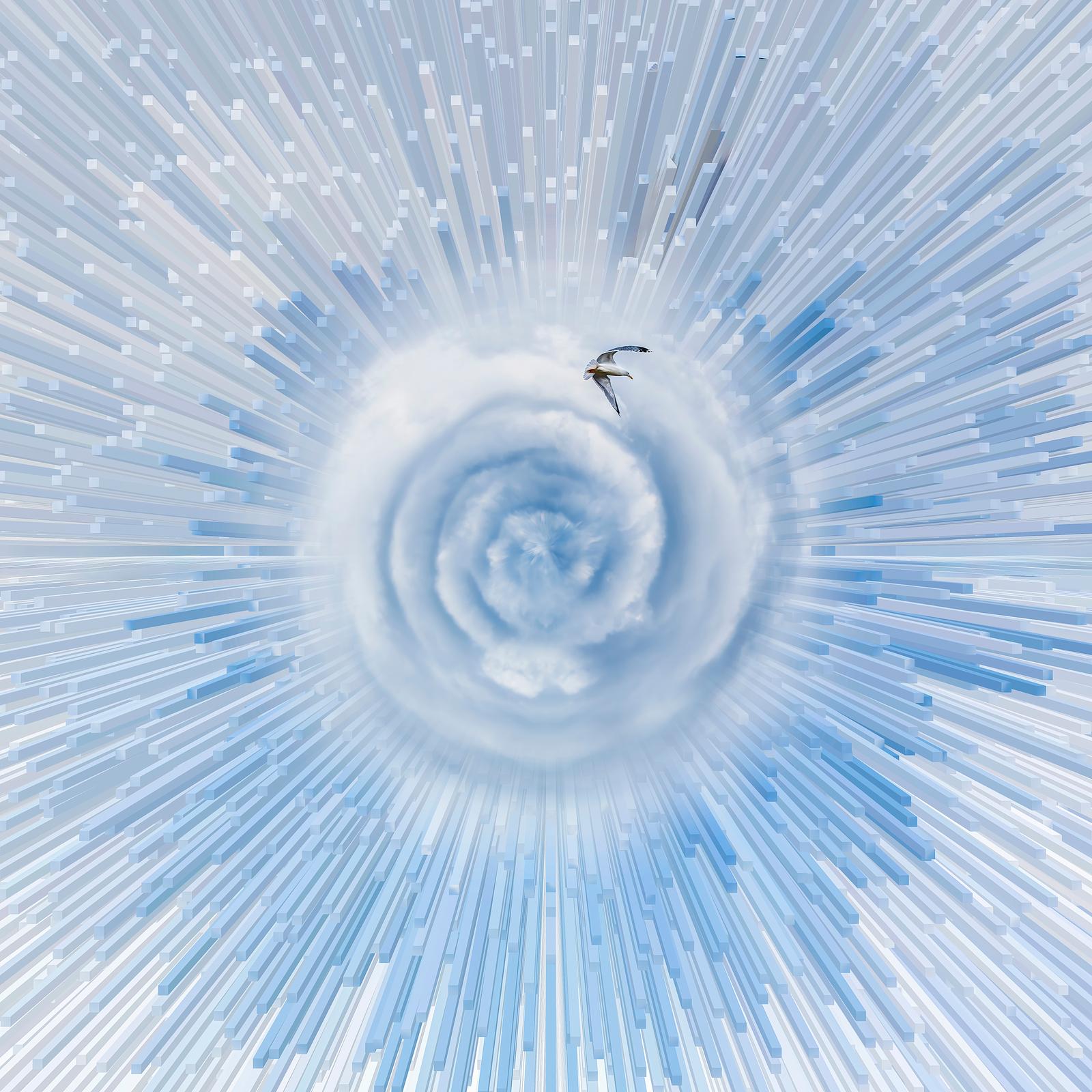
ChromaLuxe sublimation: light and colour in my photographs
Subscribe to my newsletter Why I sometimes choose ChromaLuxe ChromaLuxe sublimation gives some of my Imaginary Planets a luminous presence on aluminium. As a…
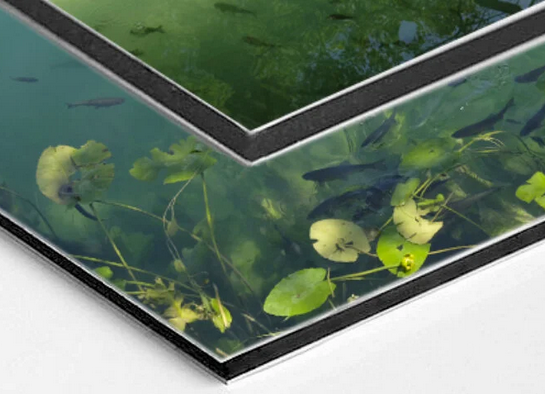
Dibond in fine art photography: understanding the support and mounting
In fine art photography, Dibond refers to a mounting material, not a type of paper or image quality. I suggest distinguishing between composite panels,…
Through this blog, I want to offer a personal perspective on fine art photography, while also providing practical reference points for anyone who wants to better understand a photographic artwork, choose a print, discover a fine art finish or gradually build a collection.
Each article is conceived as a doorway into my artistic world. I share my inspirations, discoveries, exhibitions, new creations and the questions I ask myself as a fine art photographer.
How is an image born? How does a photograph become an artwork? How can a real landscape, a flower, a tree, a city or a particular light be transformed into an imaginary world?
In this blog, I share the stages of my work, from the original photograph to the finished creation. I discuss my inspirations, visual research, artistic choices and the emotions that accompany the birth of a new work.
This blog also explores more practical aspects of fine art photography: choosing paper, finishes, formats, framing, conservation, and the value of a limited-edition print.
These elements are essential to fully appreciate a fine art photograph. They also help explain what distinguishes a simple printed image from a photographic artwork conceived to be exhibited, collected and passed on.
My Imaginary Planets are circular worlds created from real photographs. They often begin with an identifiable place, a landscape, a beach, architecture, a tree or a botanical detail, before being transformed into singular poetic universes.
Some works remain close to the landscape. Others become more abstract, graphic or mysterious. This blog therefore extends the visit to my online gallery and offers a deeper view of the artistic approach that guides my work.
Whether you are a fine art photography enthusiast, a collector, an interior designer, an architect or simply curious about new photographic forms, these articles can help you look at images differently.
They can also guide you when choosing a work for an interior, a personal collection or an artistic gift. Format, finish, atmosphere, colour, subject and limited edition are all elements to consider when choosing a photograph that will stay with you over time.