
Crystalline Planets
With my Crystalline Planets, I continue my photographic explorations by giving nature a new dimension. Flowers, fields and plant matter fragment and reassemble into bursts of colour and light. Somewhere between mosaic and abstraction, these creations bring forth worlds where living things seem to transform into an almost mineral-like substance.
Each work begins with an original photograph, which I rework to reveal different forms, rhythms and vibrations. I love this meeting of the real and the imaginary, where textures multiply, colours interact and familiar landmarks fade away to make way for a freer, more poetic vision of nature.
10 artworks
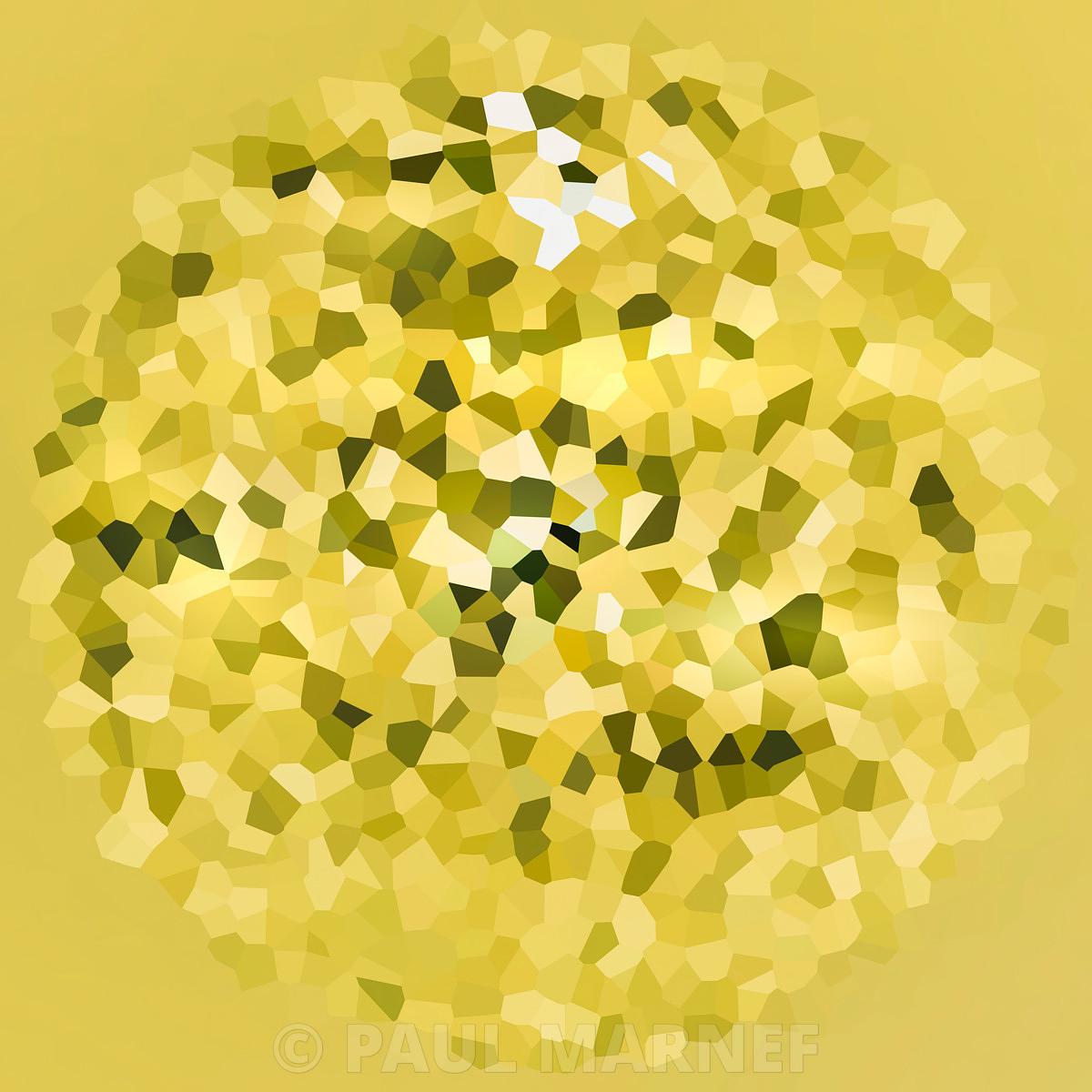
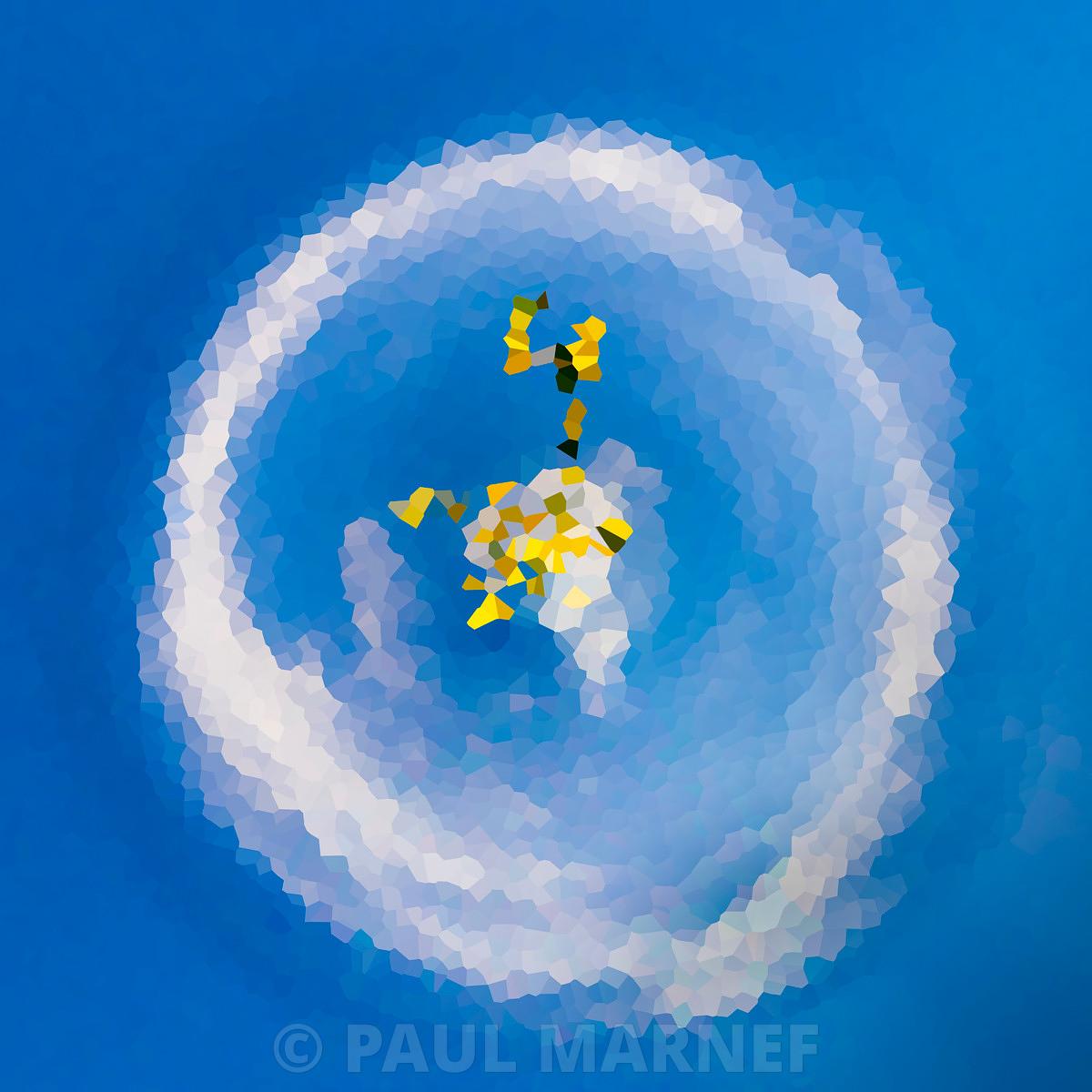
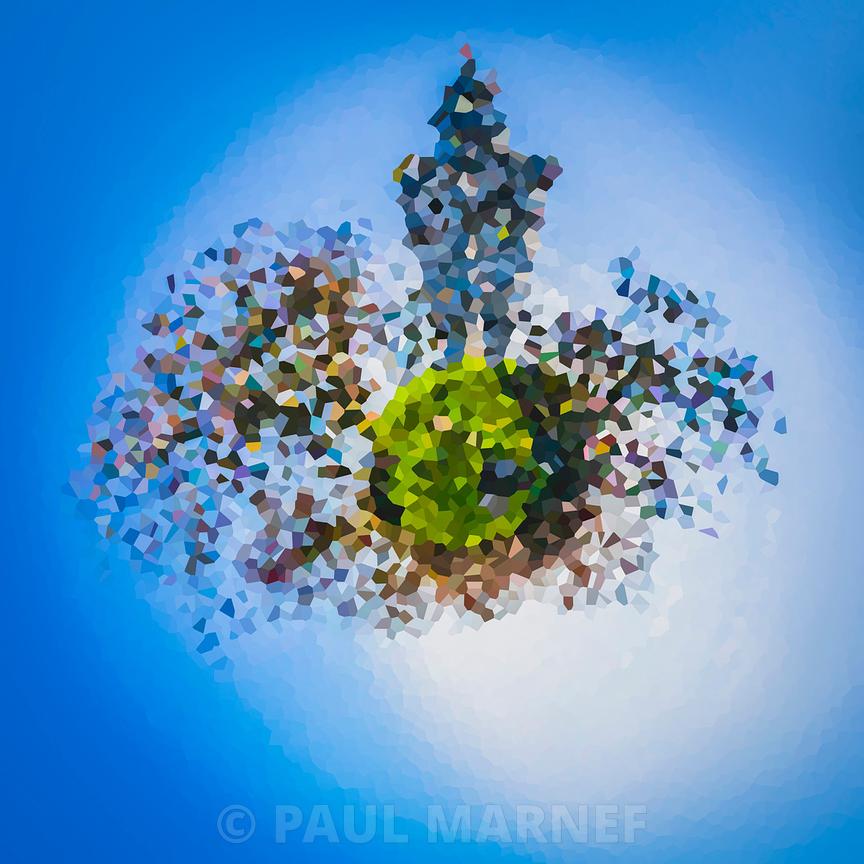
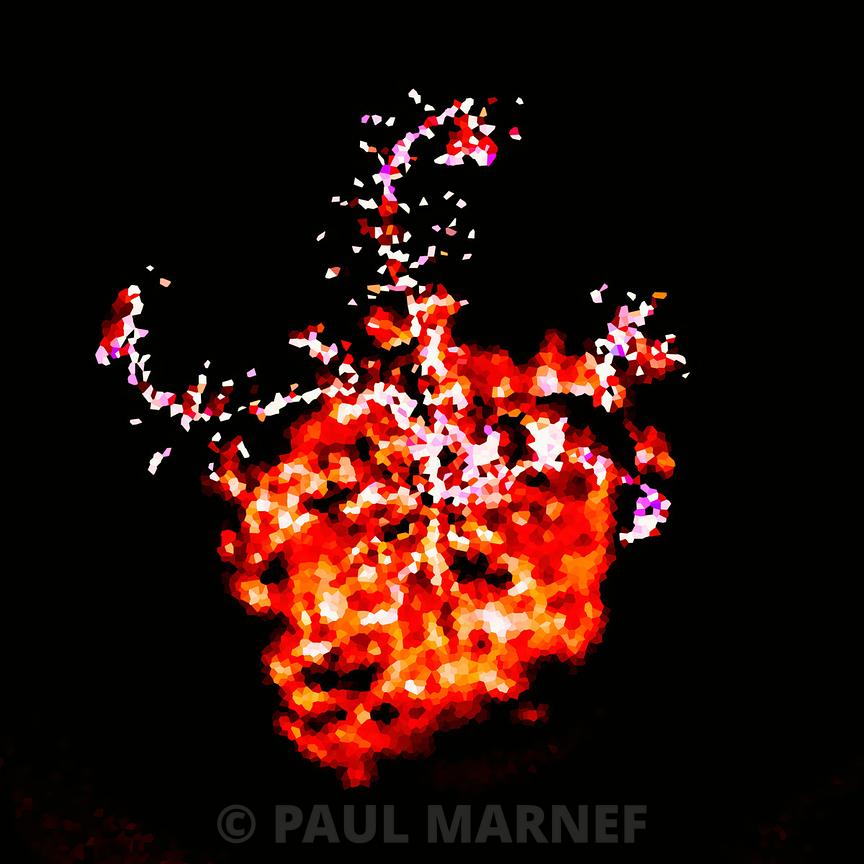
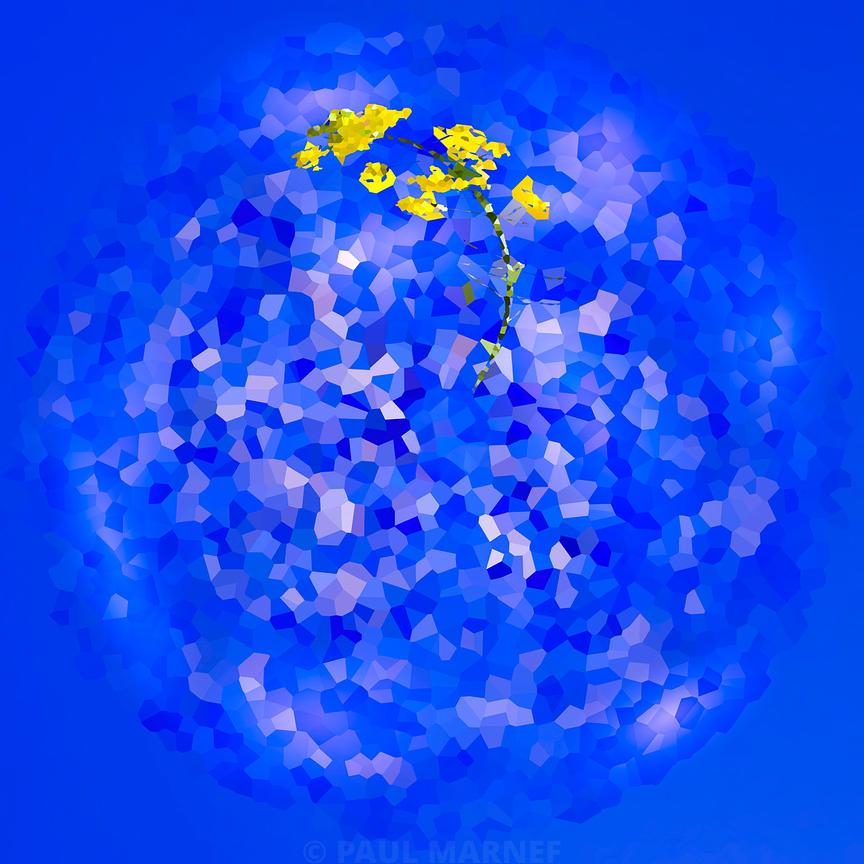
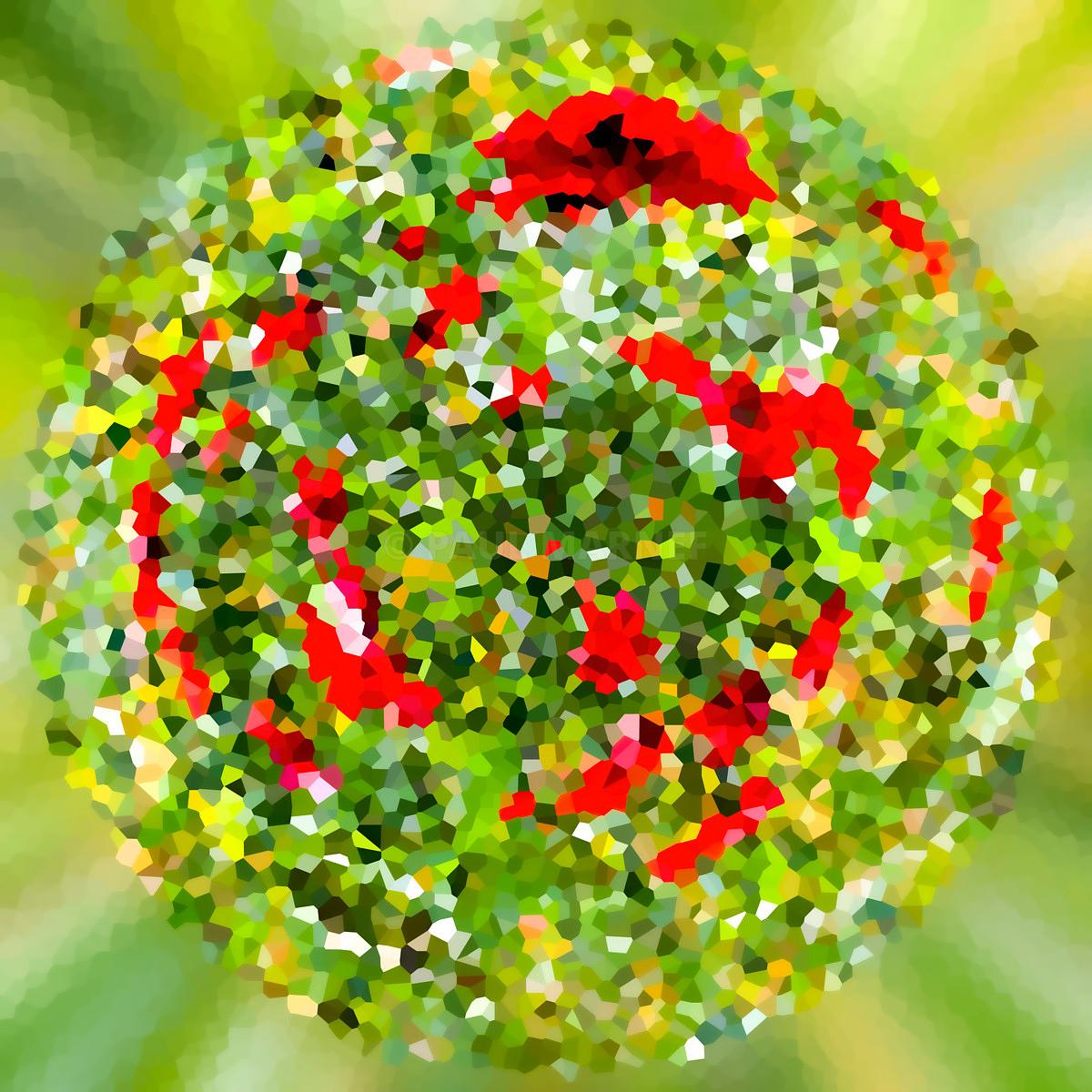
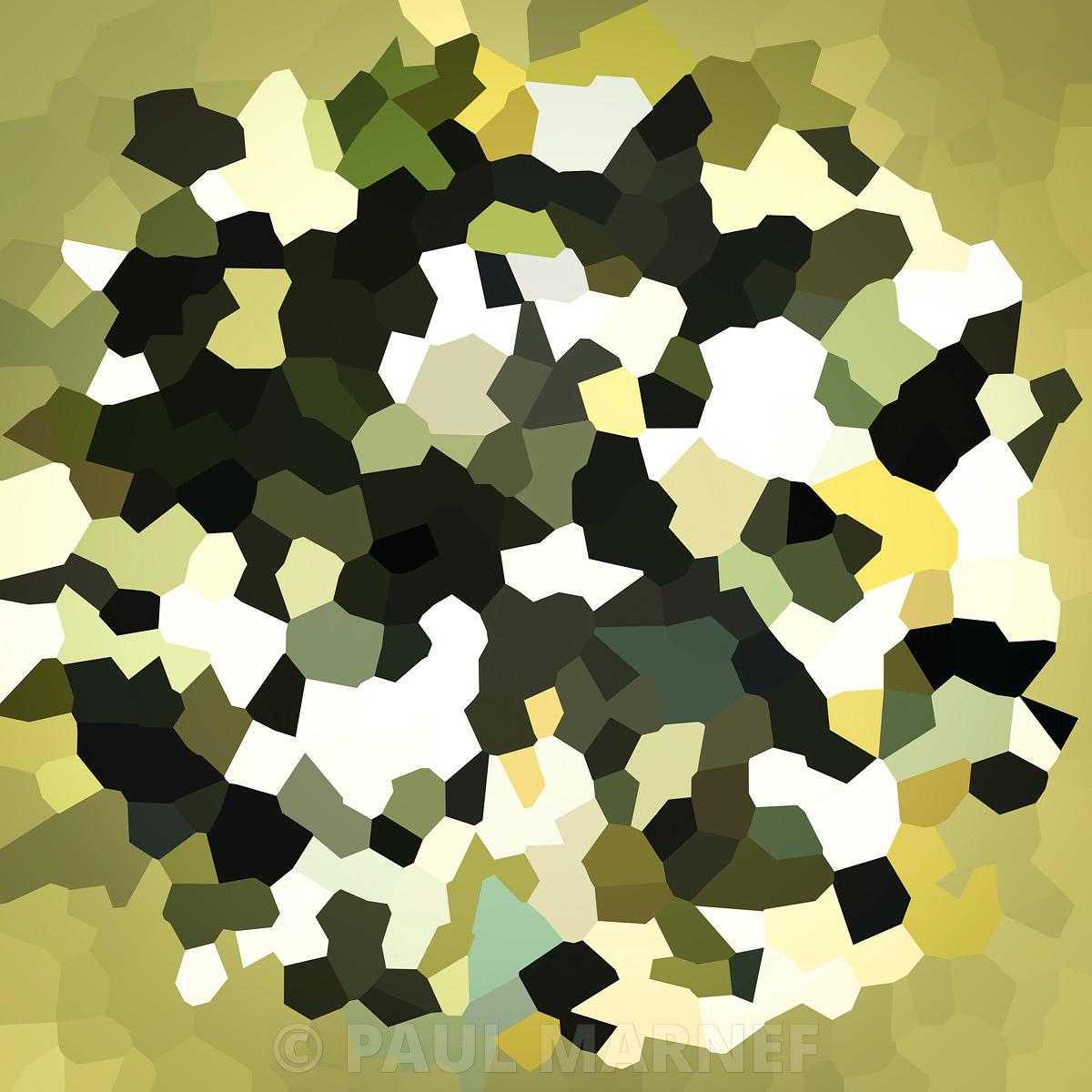
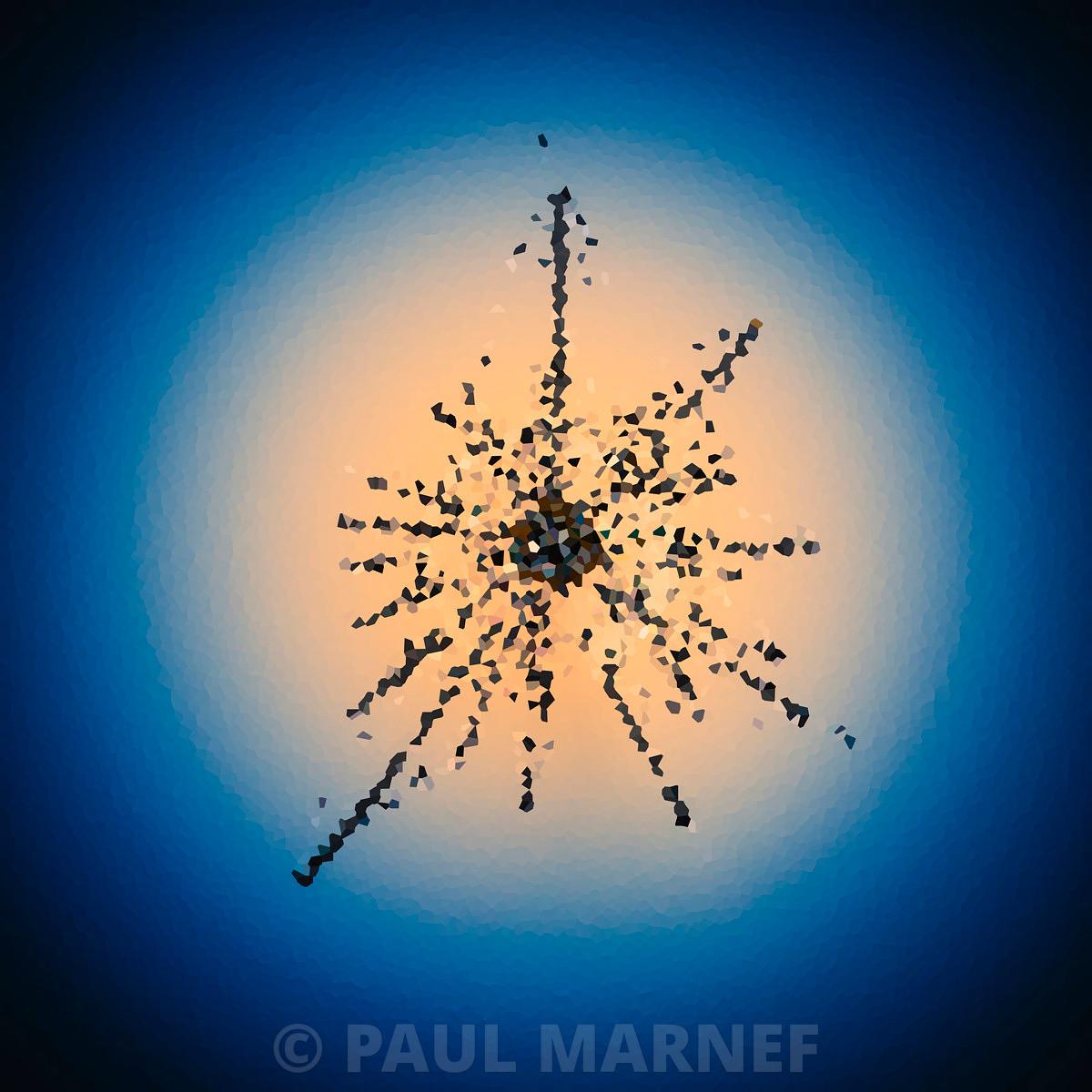
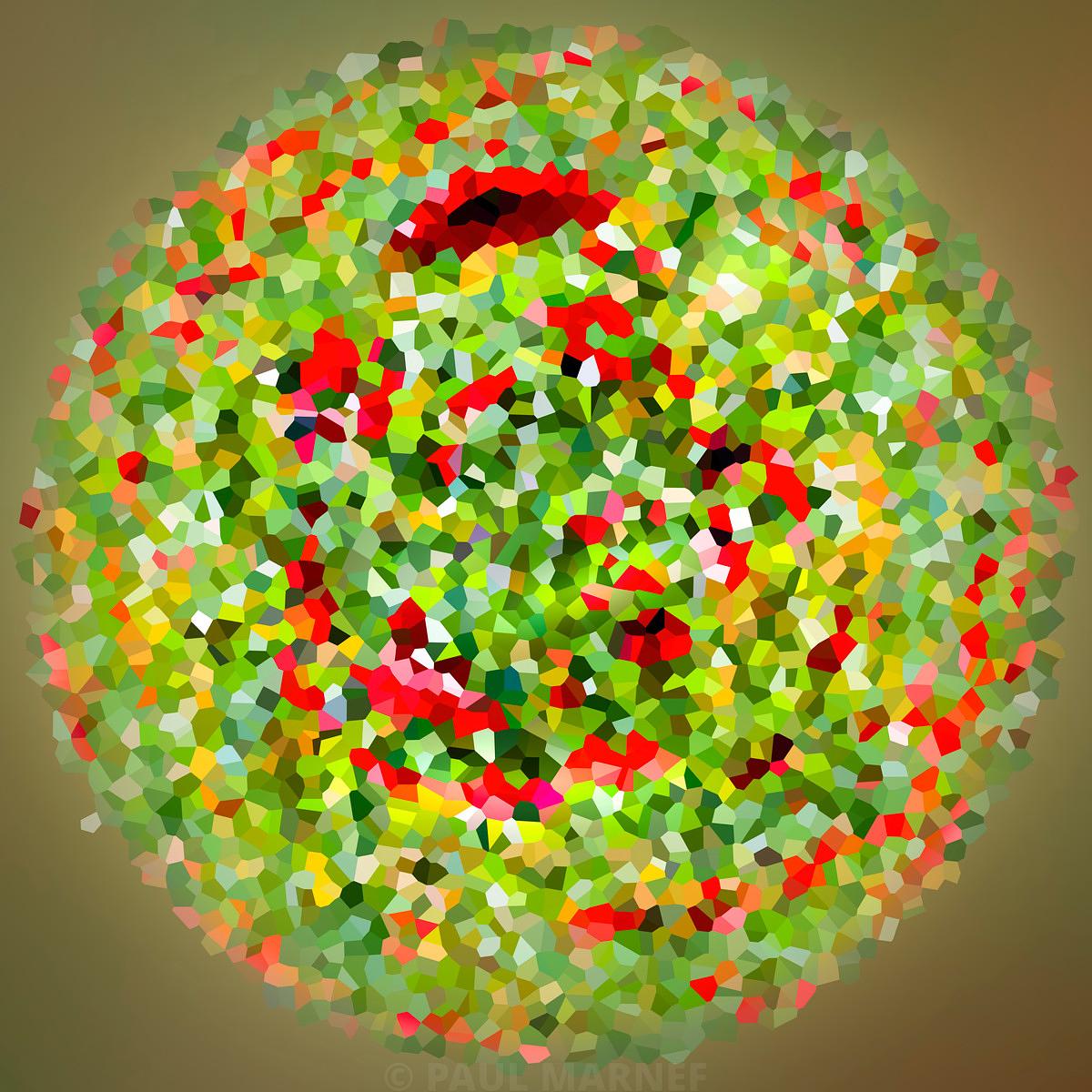
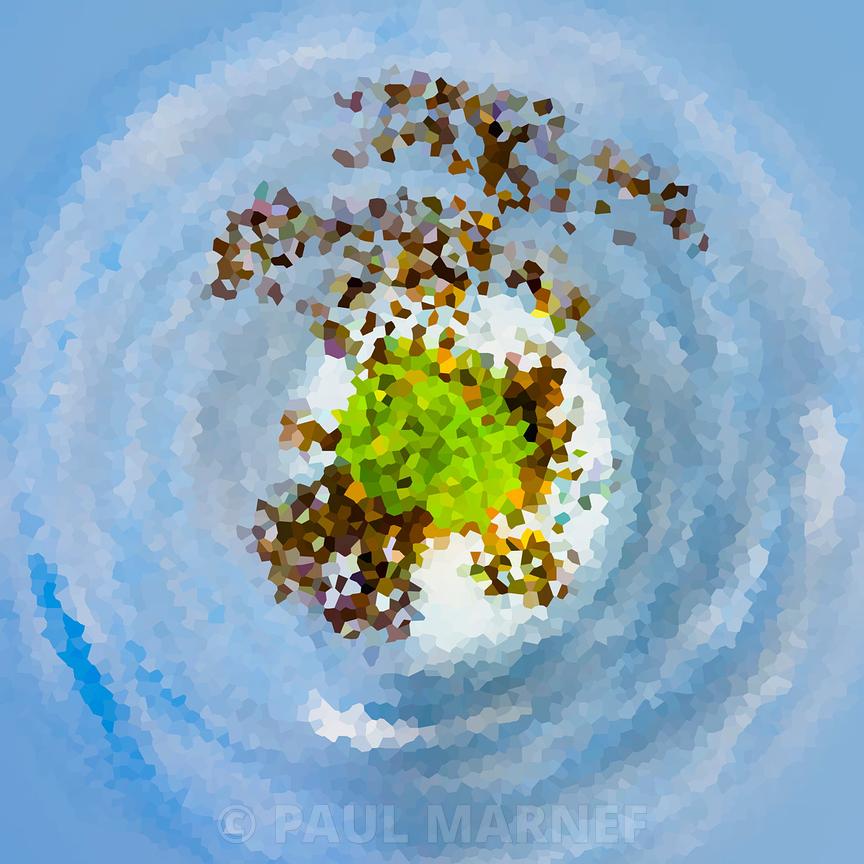
An abstract mosaic photograph created from my own photographs
My Crystalline Planets are abstract mosaic photographs created from my original photographs. The process begins with a real subject: a landscape, flowers, a field or plant matter. When taking the photograph, the framing and lighting already give the image a certain direction. The photographic creation then continues through a transformation of its forms and textures.
Digital photography lets me extend this observation. I rework the image to reveal a structure of fragments, facets and shards. The subject’s details are redistributed within the composition. Some parts remain recognisable; others become more abstract. This relationship between the original photograph and its interpretation is the central theme of the series.
As a Belgian photographer, I seek a personal form of expression through this process. Photography allows me to capture a sense of the world’s presence. Transforming the photograph then opens up a space for the imagination. Crystalline Planets brings together these two aspects of my work: the encounter with the subject and the search for an image that possesses a life of its own.
From landscape and flowers to photographic matter
Plant subjects offer a wide variety of structures to photograph. A field can be revealed as an expanse, then as a succession of stems, flowers and small gaps. In a photograph, the choice of frame brings these elements together and gives them a place. The Crystalline Planets series develops this organisation into a more fragmented visual materiality.
Rapeseed Crystal is one such example: the tiny yellow planet retains a delicate plant-like geometry while taking on a crystalline presence. The fragments invite the viewer to observe the subject on multiple scales. One first perceives an overall form, then discovers the details that make it up. Nature photography thus becomes the starting point for an abstract creation.
I am interested in what happens between the photographed subject and the final image. A living surface can evoke an almost mineral quality. A flower or a landscape can give rise to an unexpected rhythm. The connection with nature remains, but photography offers a different way of perceiving it.
Framing, composition and image transformation
Framing determines what is included in a photograph and what remains out of frame. In Crystalline Planets, transformation then shifts the relationships between these elements. Lines become guides for the eye, surfaces fragment, and the composition takes on a new structure. The circular shape of a tiny planet also alters the landscape’s points of reference.
Retouching and digital processing are integral to the photographic creative process here. They extend the act of taking the photograph to reveal other structures within the image. The question that interests me is that of coherence: how do the fragments relate to one another, how does the detail fit into the whole, and what presence does the photograph acquire at the end of this transformation?
My artistic approach leaves room for exploration. I take what the photograph contains as my starting point to bring out other forms. The viewer may recognise a subject, or allow themselves to be guided by the abstract structure. Each work thus offers multiple ways of interpretation.
Observing the details of an abstract photograph
A thumbnail offers a quick overview of the composition. To explore a Crystalline Planet, open the details page and view the enlarged photograph. You can move from the overall form to the smaller structures that make up its surface. Textures and fragments then become more prominent as you look.
Viewing distance shapes this experience. A detail may capture your attention at close range, while the overall organisation emerges when you step back. The boundaries between fragments, denser zones and breathing spaces all feed into this discovery. Photographic abstraction thrives on this interplay between detail and the whole.
It is not necessary to recognise the exact location or the plant photographed in order to engage with the work. Photography can also evoke a sense of movement, depth or texture. I like that it retains this openness and that a fresh look allows one to discover something that had escaped notice at first glance.
Discover the works and their printing options
The series forms a gallery of photographs that share a common visual exploration, whilst each retains its own subject and composition. To choose a work, you might start with the one that catches your eye, then look at its title, image and the details on its page. These elements allow you to extend your exploration beyond the selection of thumbnails.
Print options are listed on each artwork’s details page. For display projects, format and viewing distance are useful guides: they shape the balance between overall image and detail. I also explain how my limited-edition fine-art prints are produced on a dedicated page.
Crystalline Planets form part of my Imaginary Planets universe. Within this universe, they explore the fragmentation of reality and photographic matter. If you would like to discuss a particular work or its presentation, please contact me, stating the title of the work you are interested in.