
The human presence in artistic photography
The human presence in artistic photography can be subtle, yet it can completely alter the meaning of an image. A silhouette, an activity or the relationship between several people provide a sense of scale to the world around them. In my Imaginary Planets, I am drawn to this interplay between the fragility of a presence and the transformed space. This selection invites you to consider the place we occupy within the landscape, and the one the image allows us to imagine.
16 artworks
-
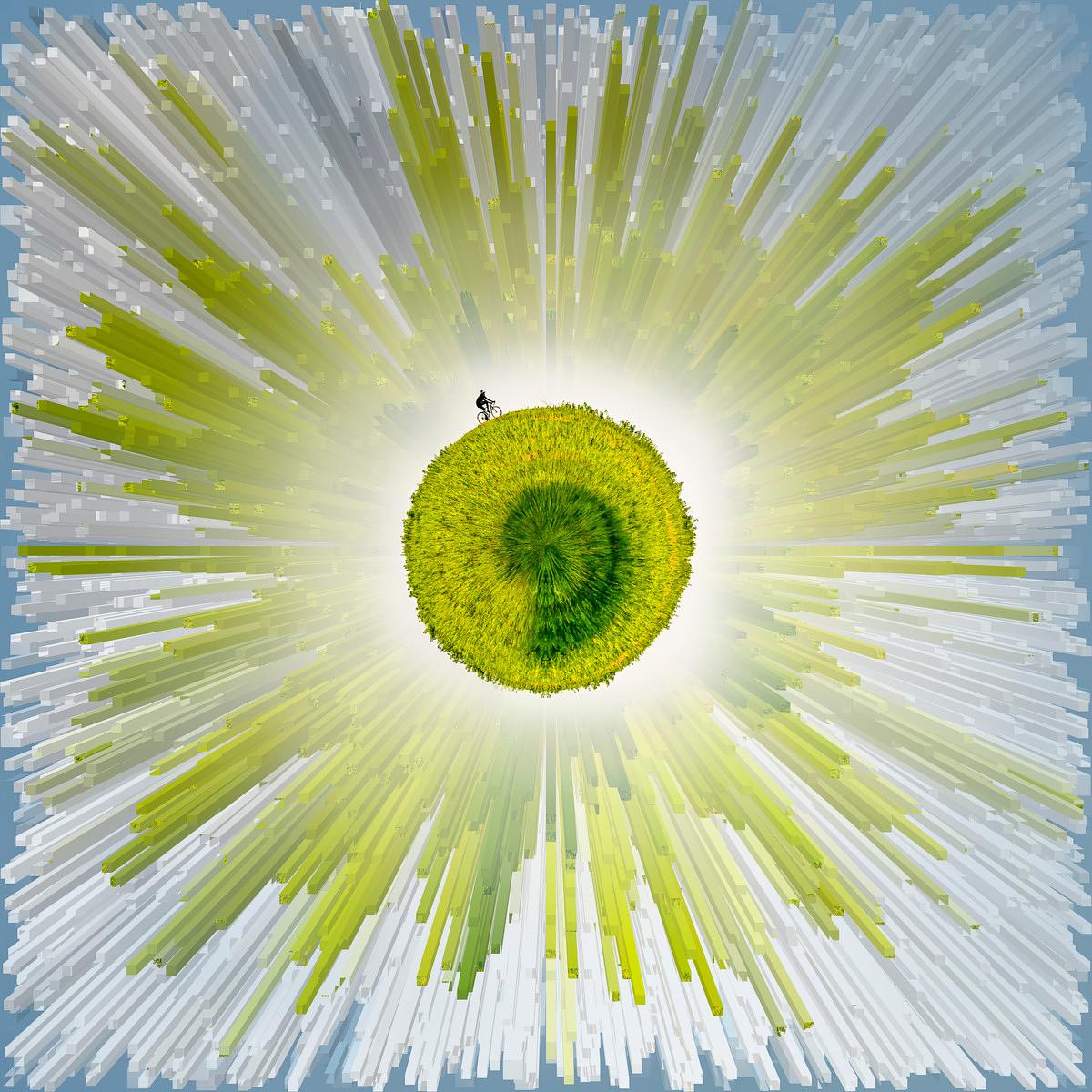
Astral Champion
-
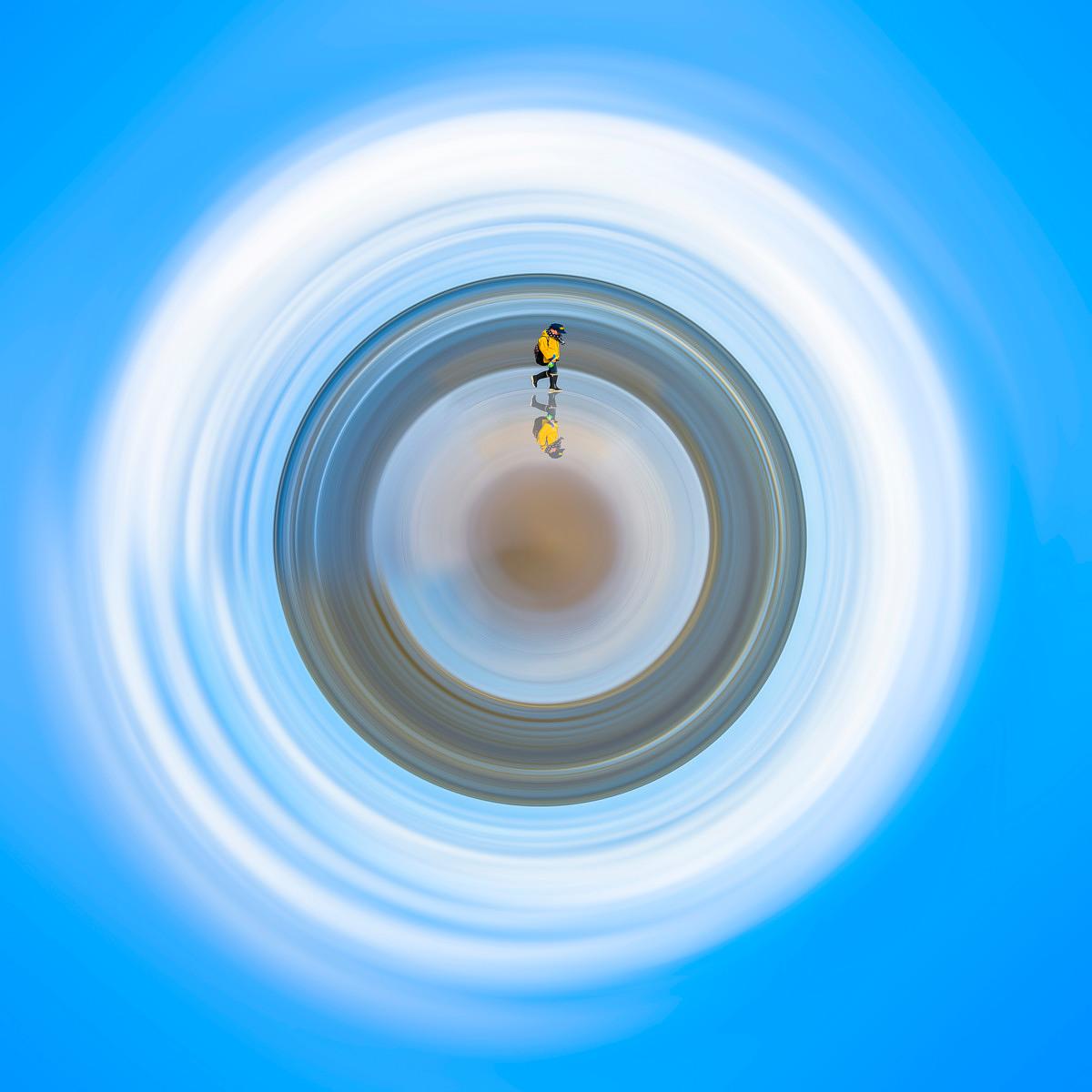
The Little Explorer
-
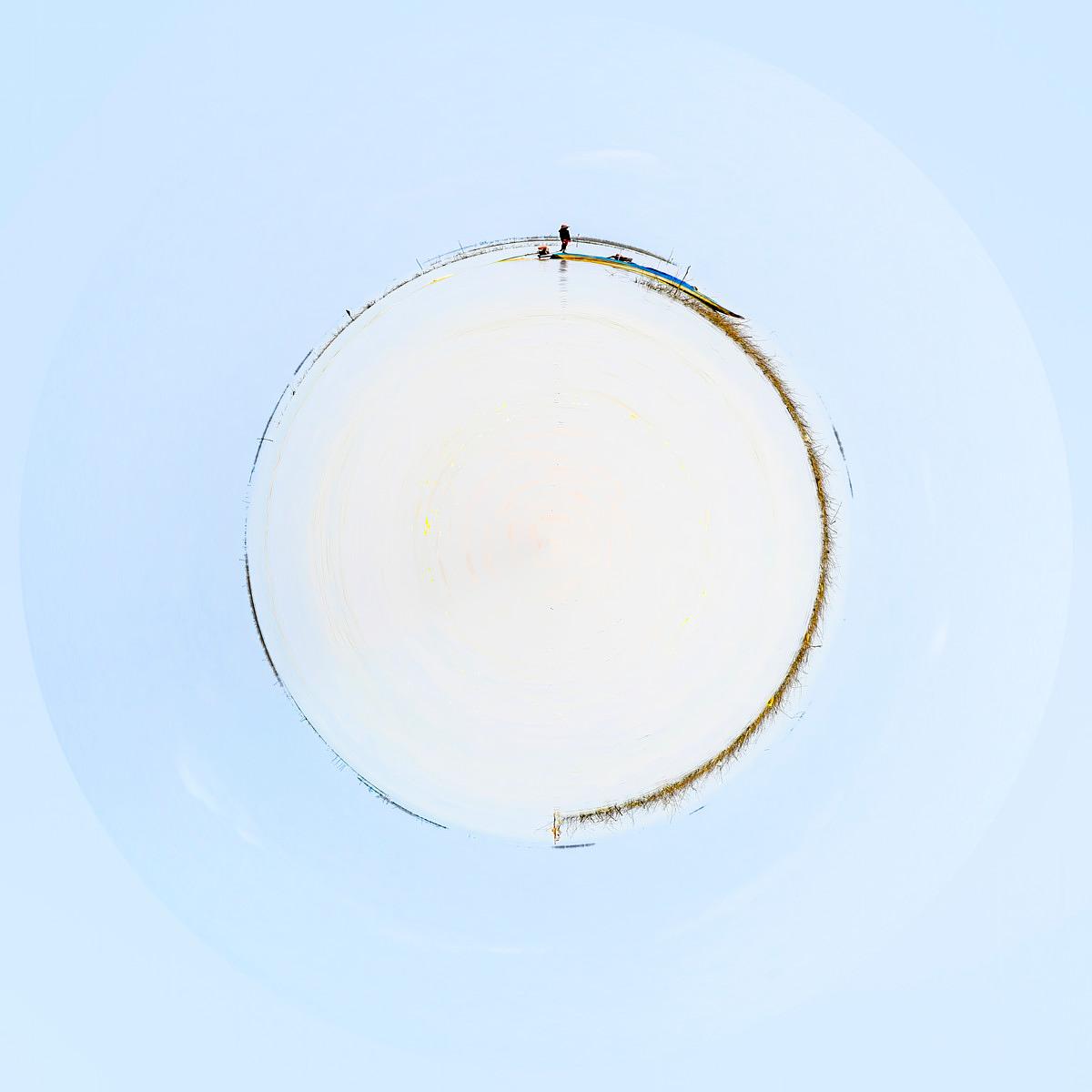
Burst of Tranquility
-
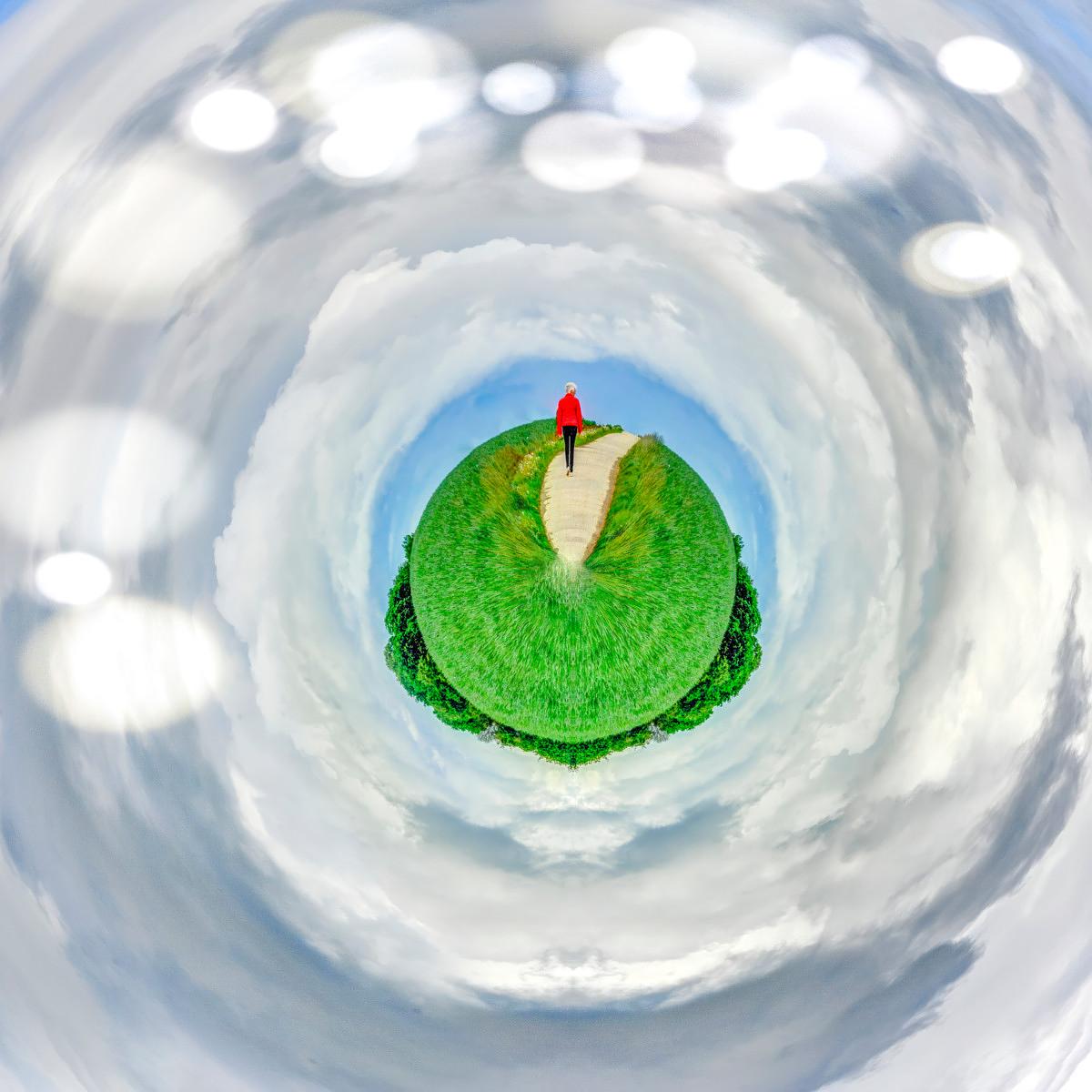
Am I alone on this planet ? Walloon Brabant, Belgium
-
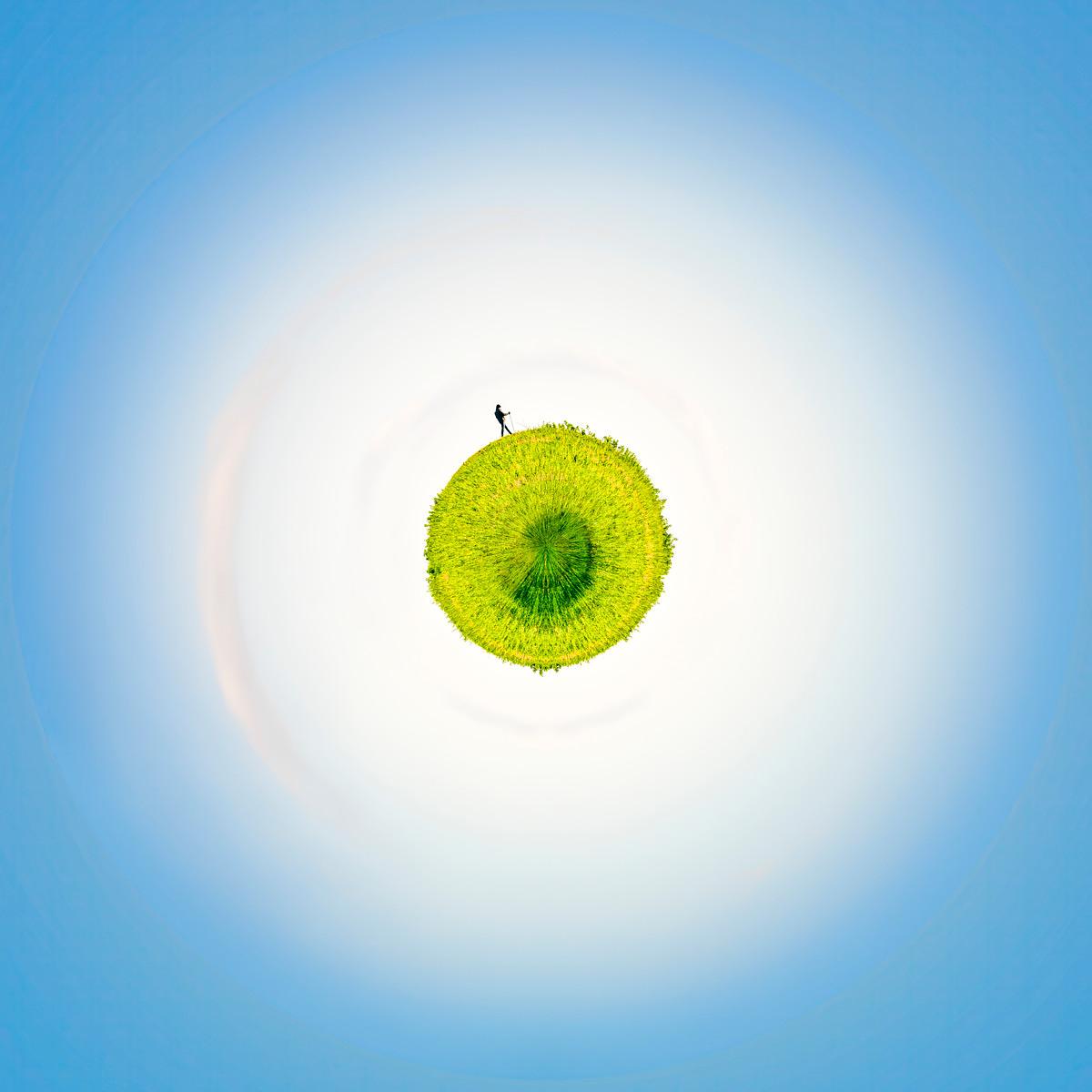
Walking on the green planet
-
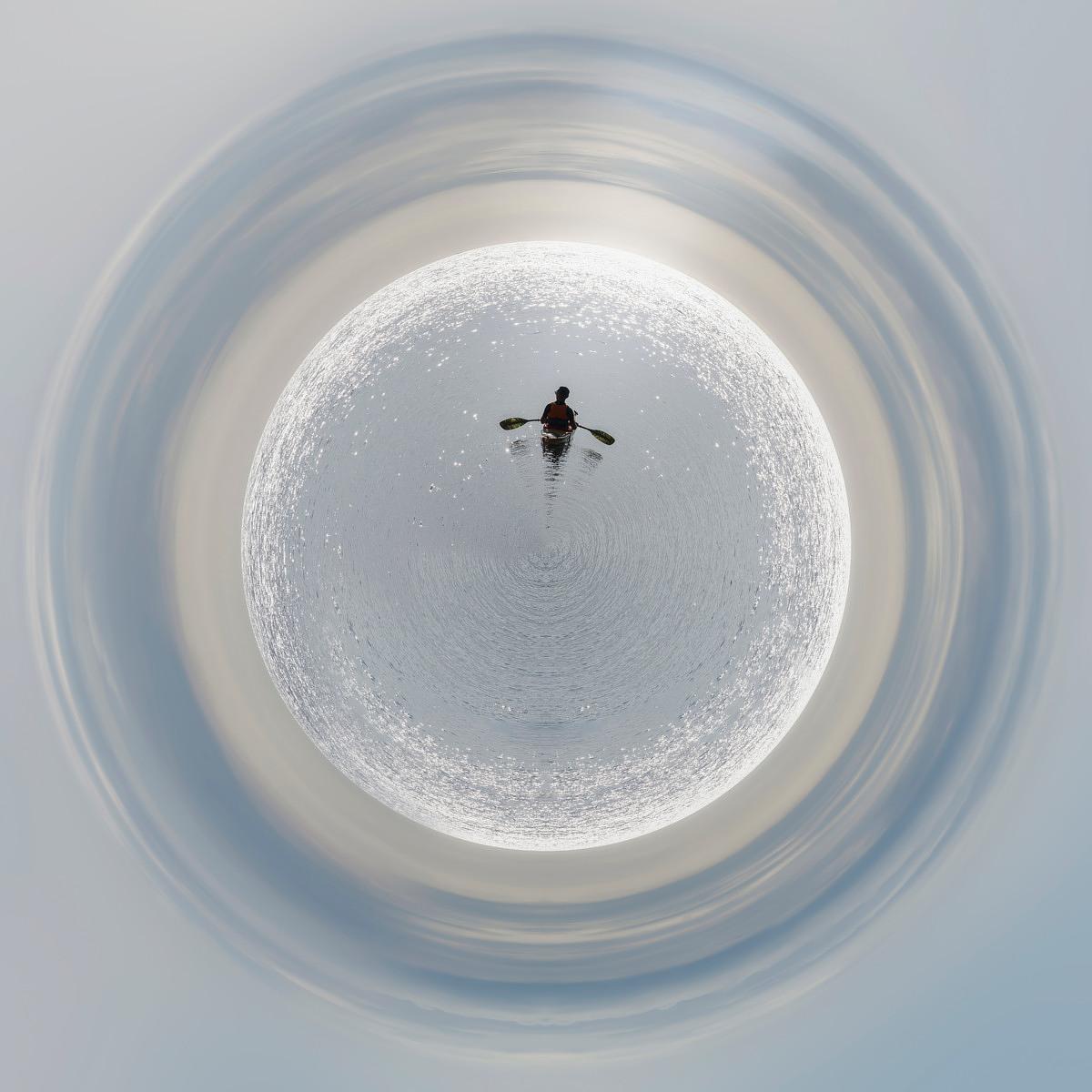
Kayak and Resonance
-
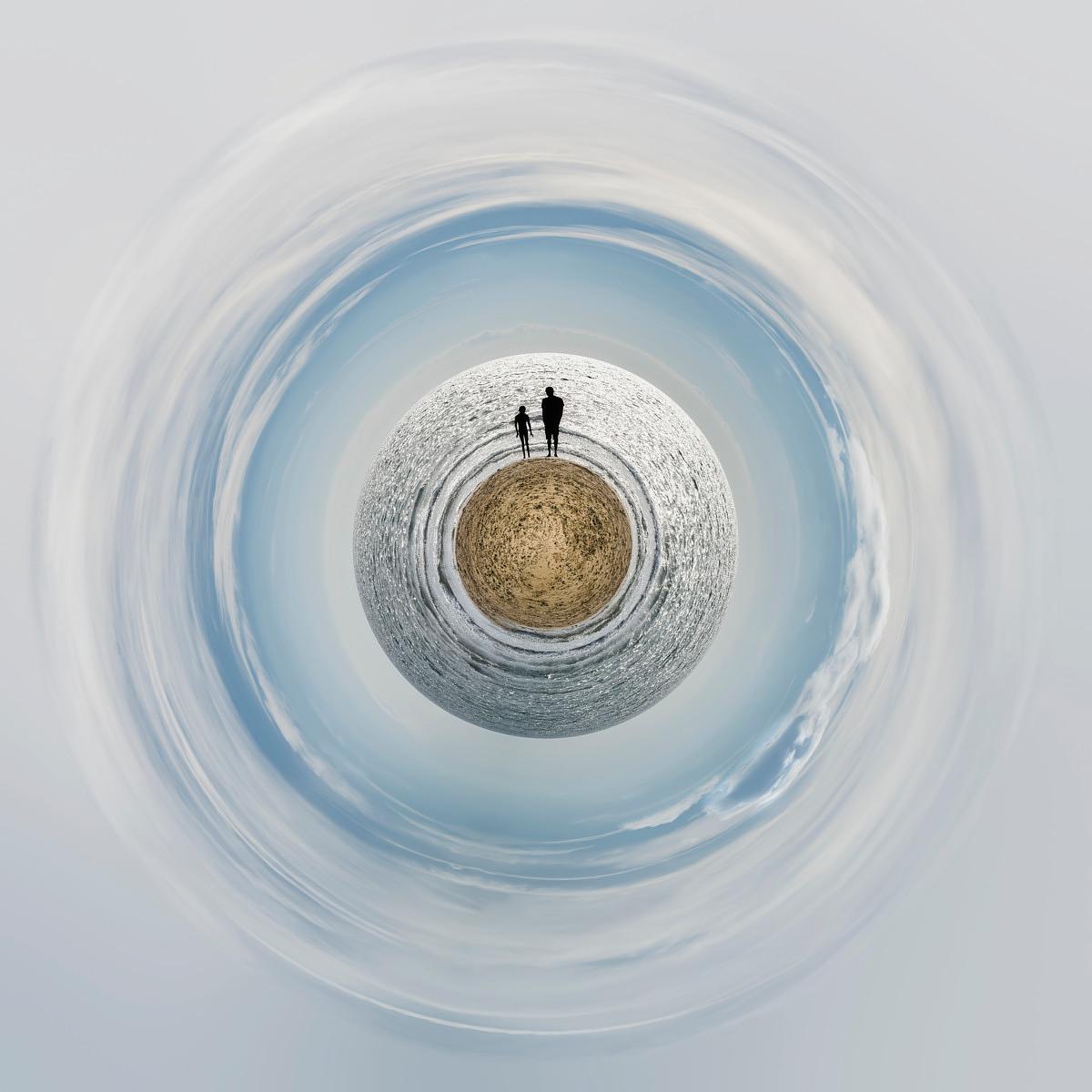
Eternity of Bonds
-
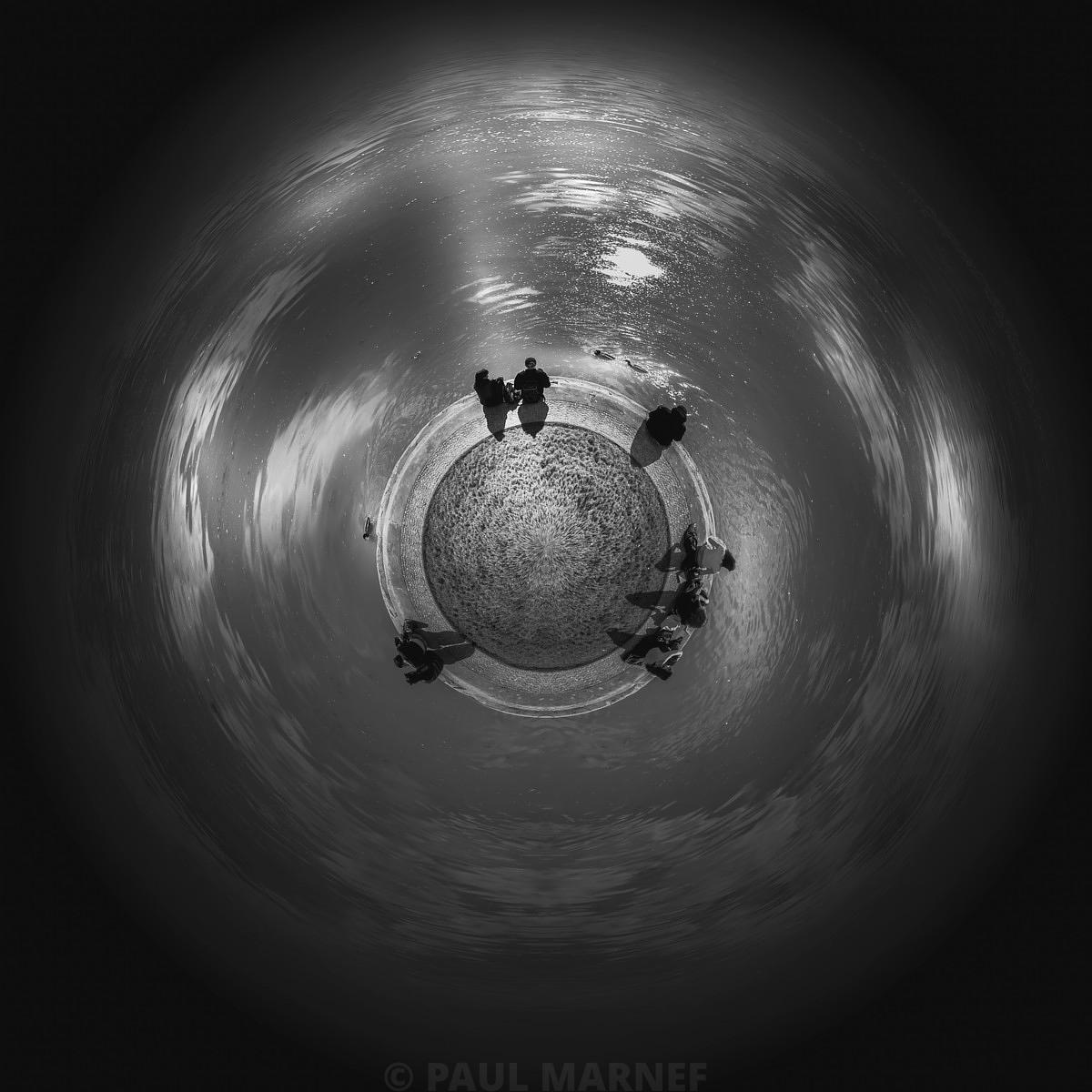
Circle of Silences
-
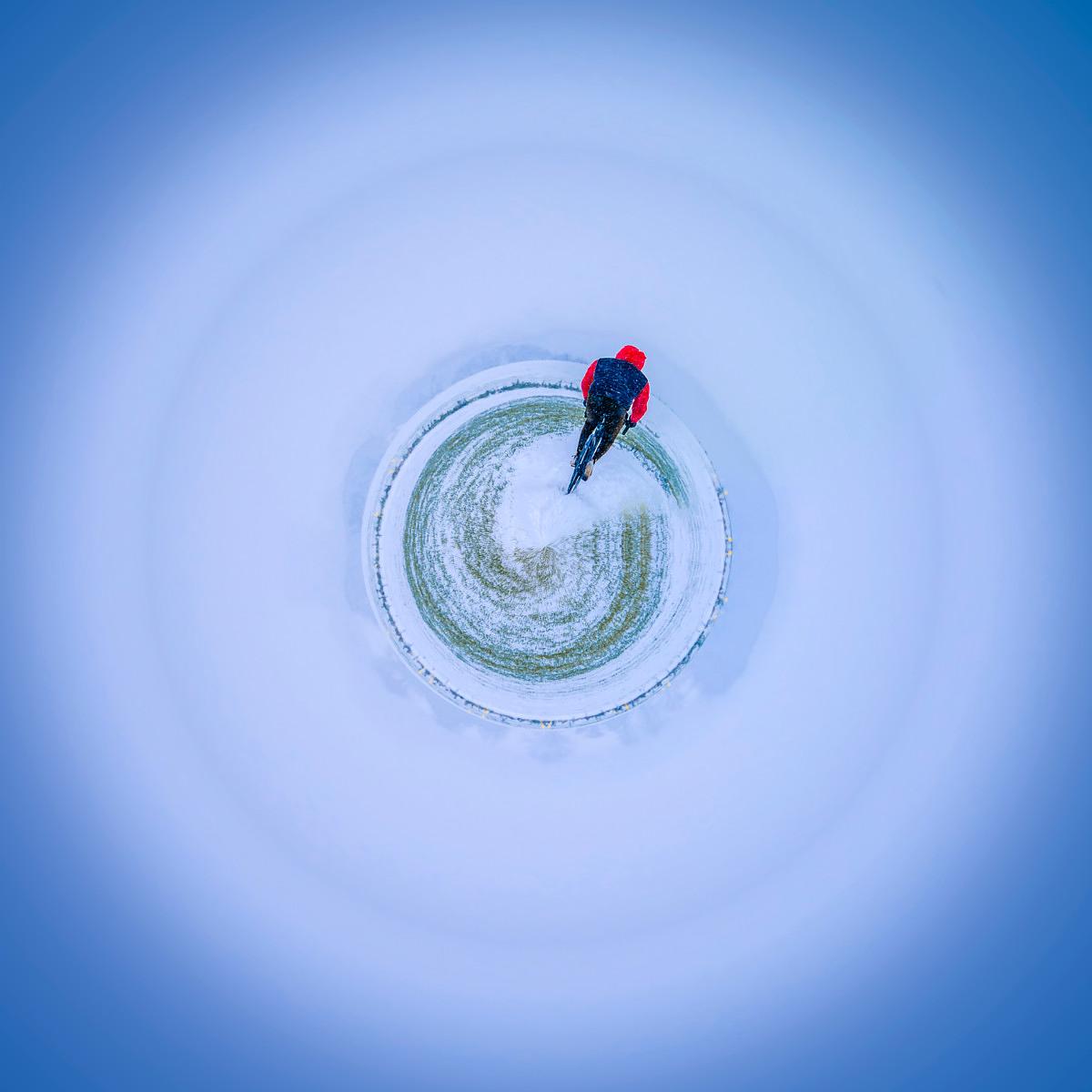
Almost There
-
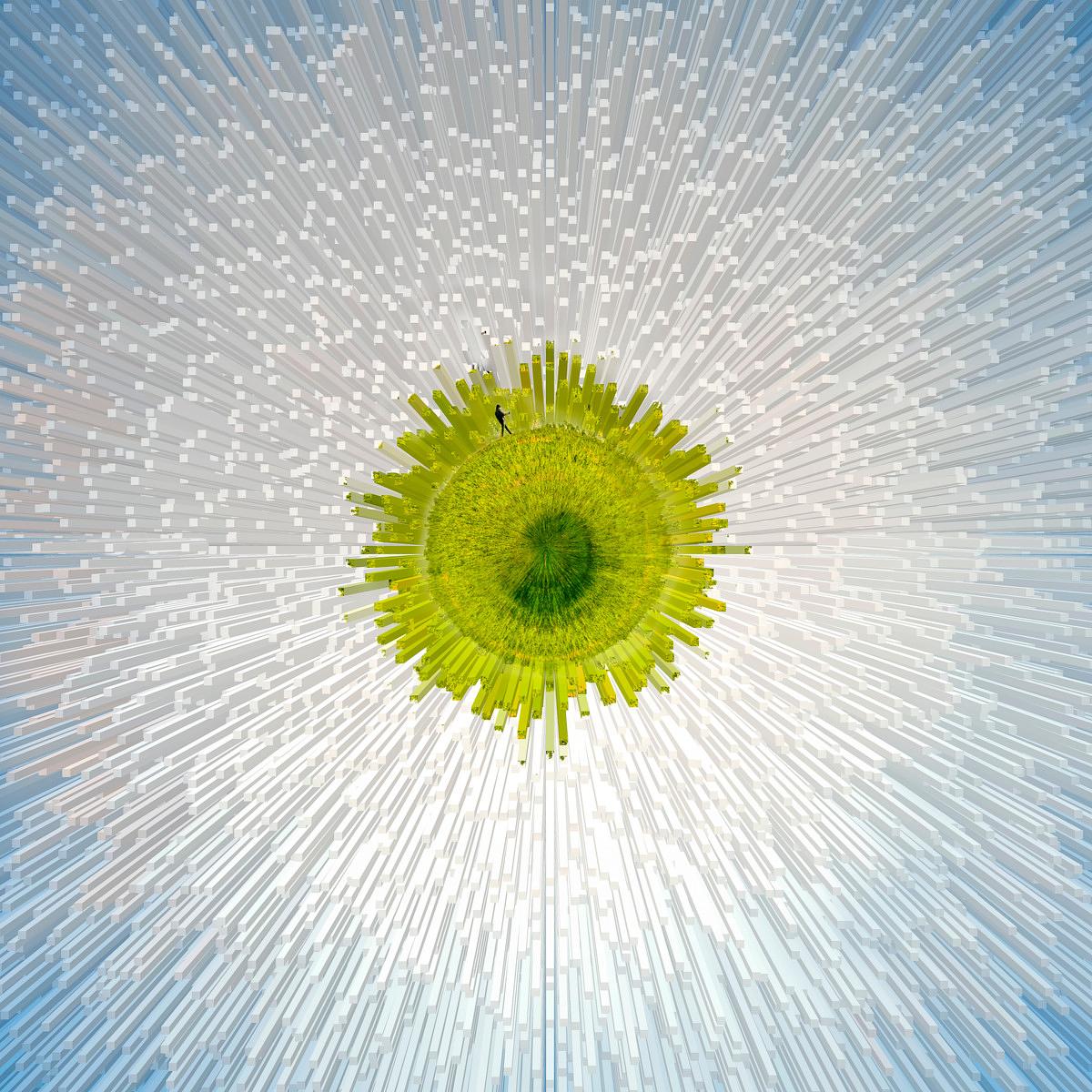
The Astral Walker
-
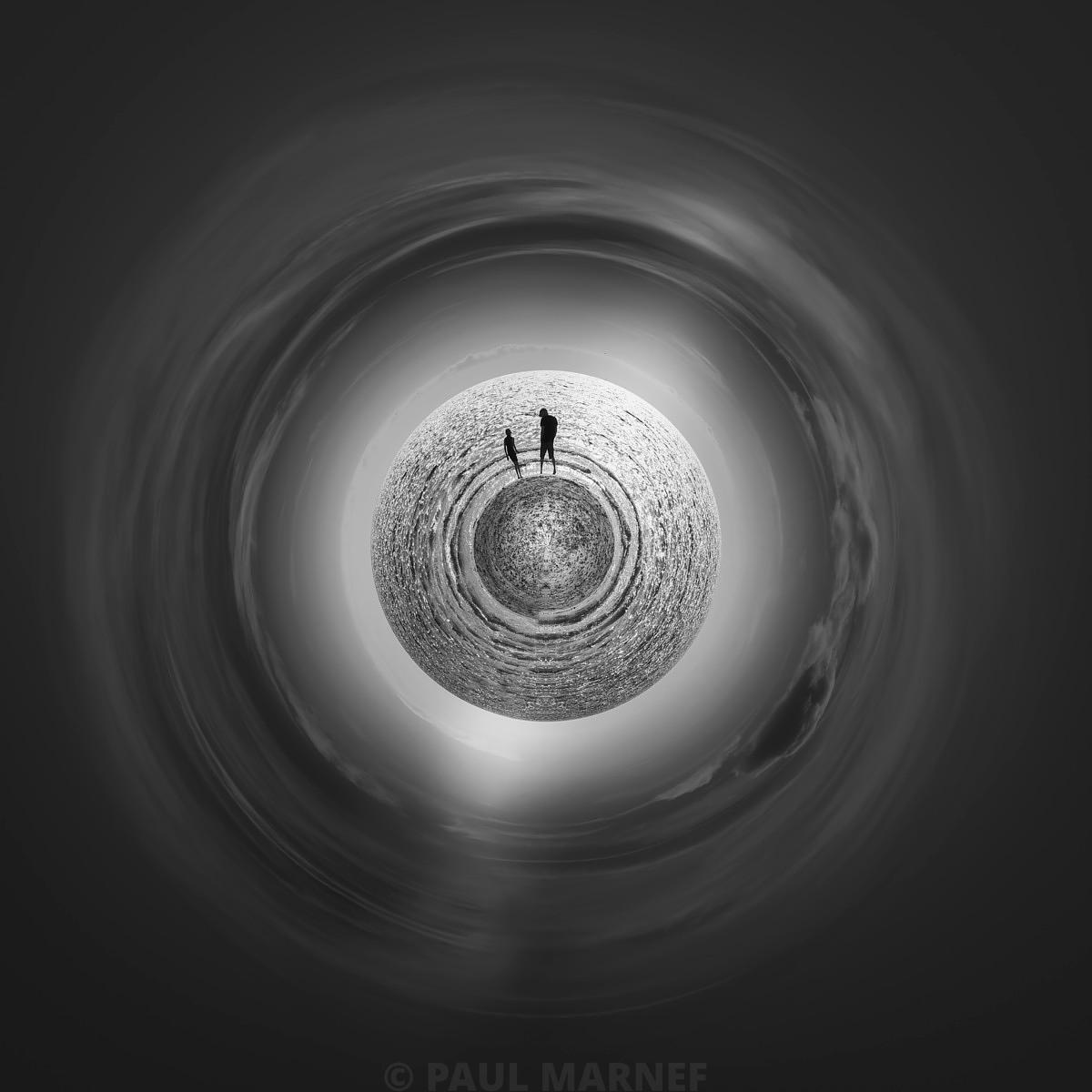
Shared Universe
-
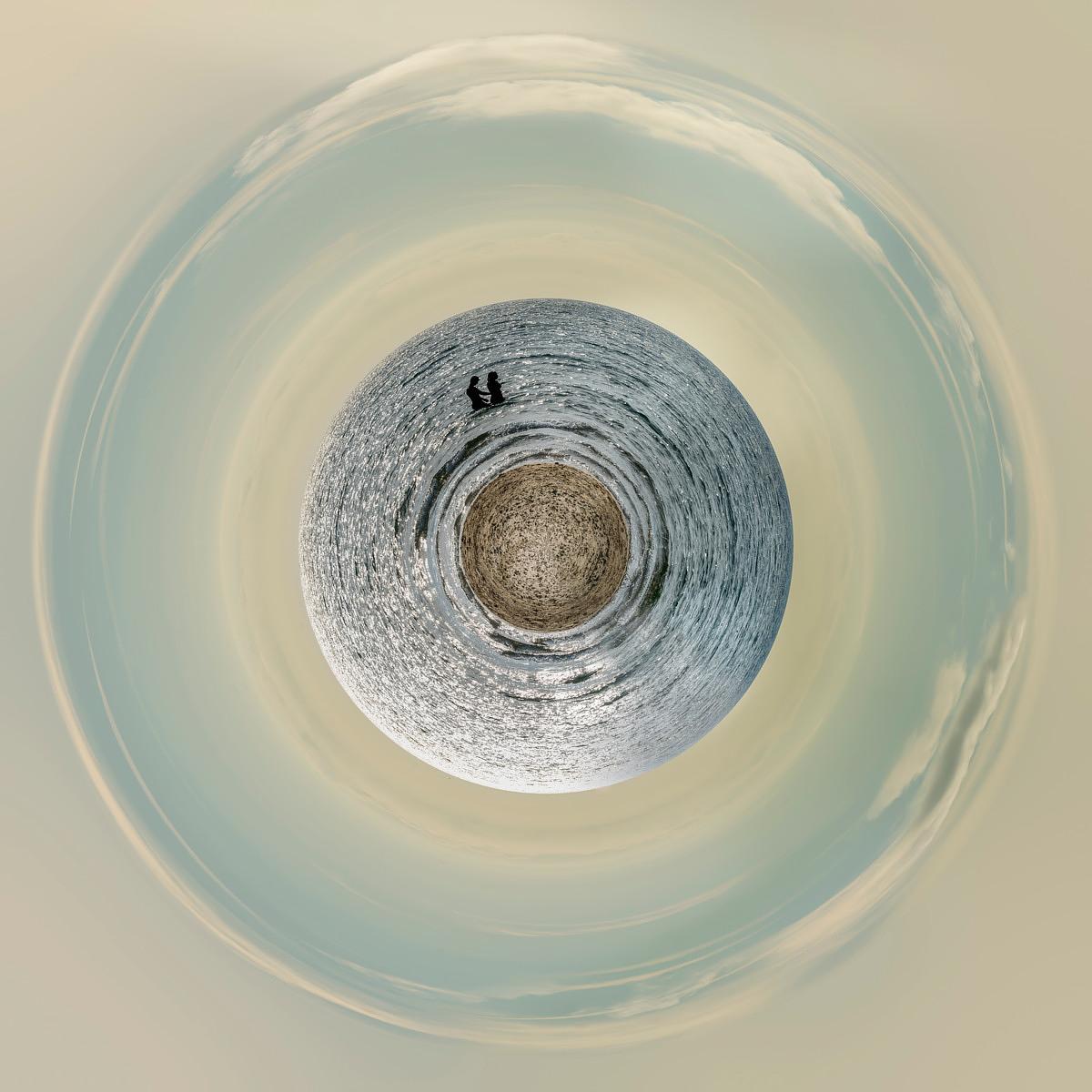
Two Souls in the Universe
-
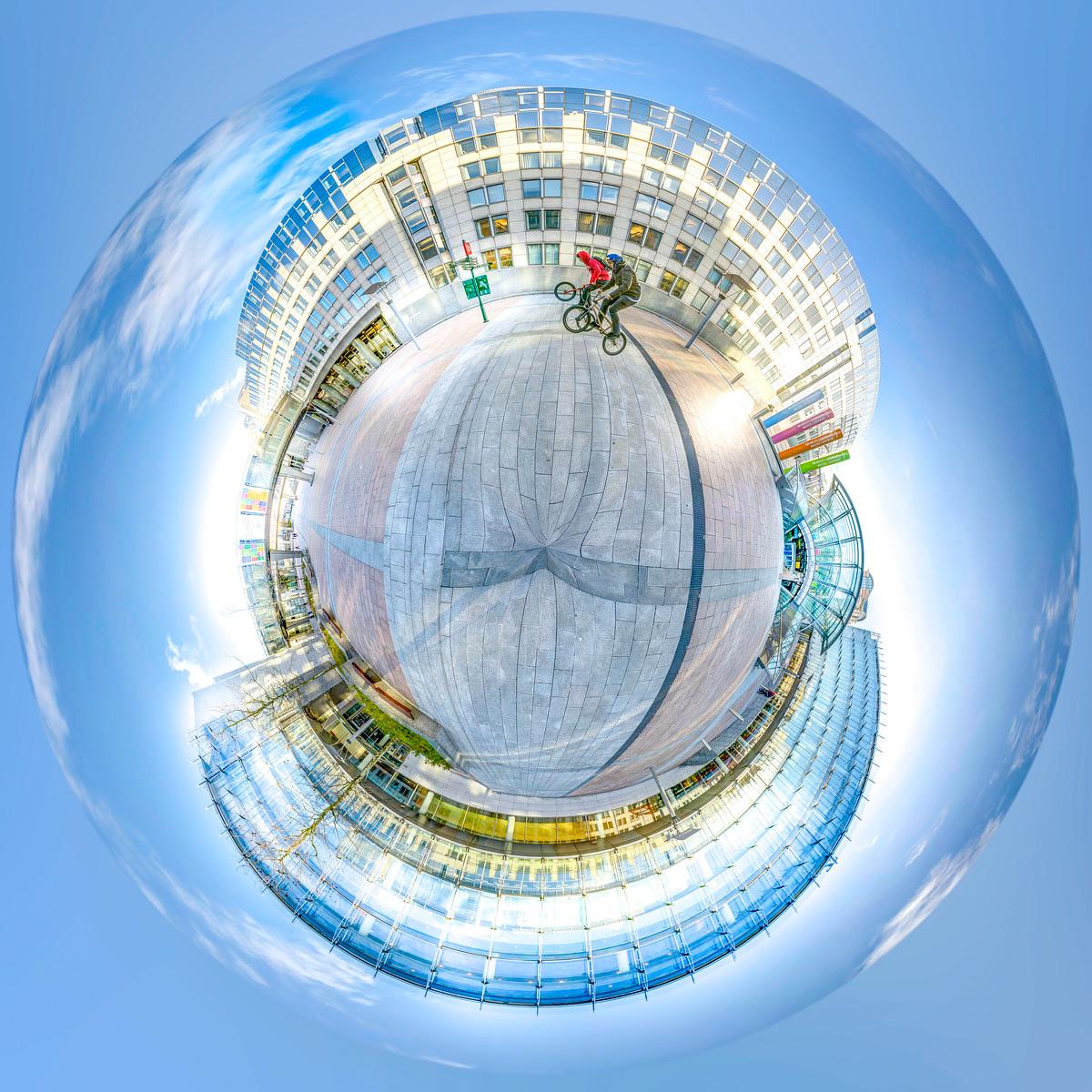
The Spirit of Adventure
-
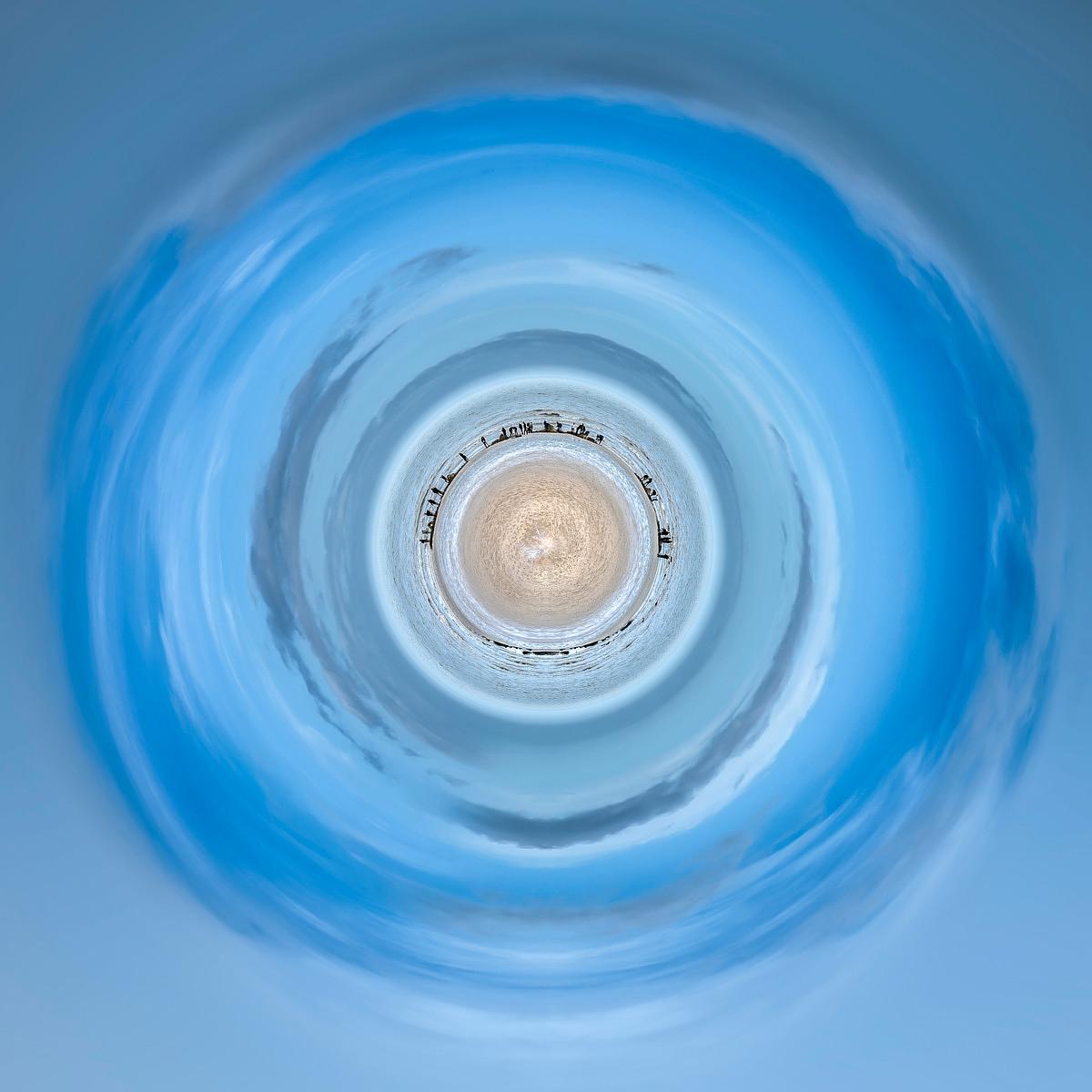
Team Building
-
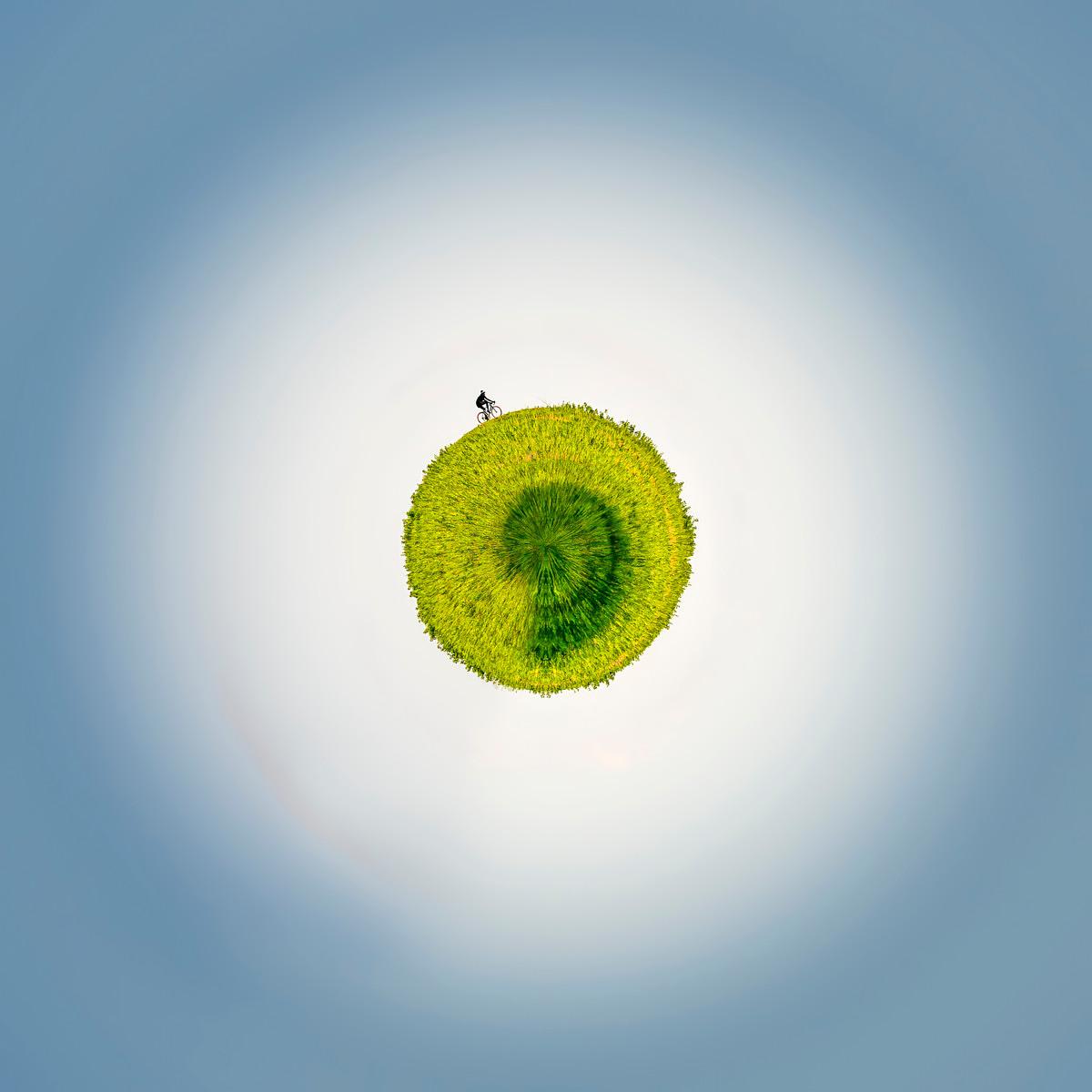
Champion
-
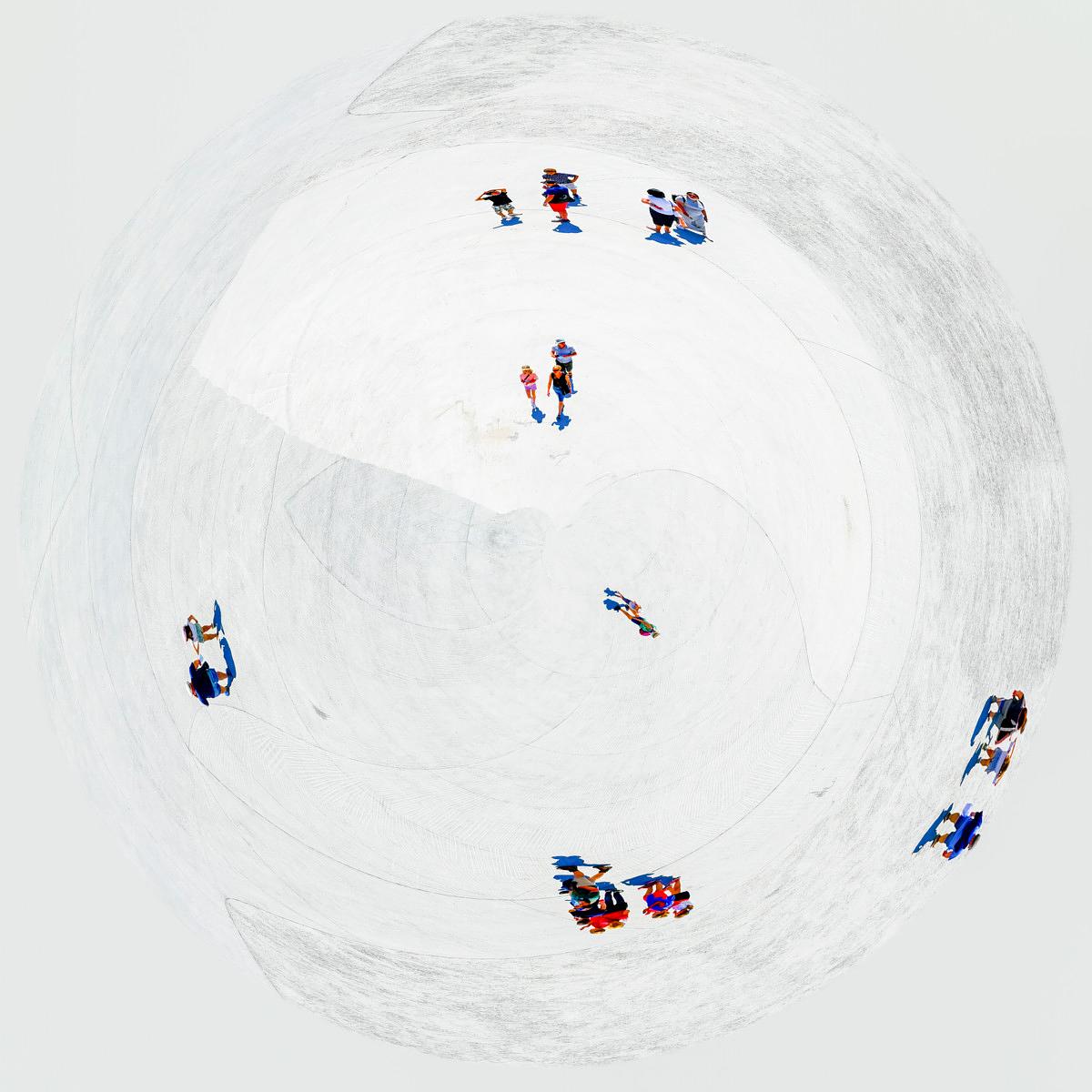
Point of Convergence
Exploring human presence in my photographs
A figure may occupy only a small part of the frame and yet become the key to the entire composition. Their posture, orientation or the distance between them and another silhouette gives a sense of scale to the landscape. In my Imaginary Planets, this human presence also poses a question: how does one find one’s place in a world where points of reference have shifted?
Champion depicts a cyclist at the summit of a green planet. In Eternity of Bonds, two figures come together on a planet of sand and waves. The Spirit of Adventure pairs a cyclist with the transformed European Parliament. These images suggest different relationships between the person, the place and the space around them; they do not all convey the same sense of solitude or the same connection.
A silhouette to provide a sense of scale to the world
The human figure readily catches the eye. It allows us to gauge a space, but also to project ourselves into it. In a transformed landscape, this relationship becomes less certain: distances and proportions can no longer be read as they are in reality.
I am interested in the interplay between a presence and its environment. The figure may appear alone, accompanied, in motion or simply situated within a place. The composition leaves the viewer free to extend the narrative.
Champion, a presence atop a planet
Champion depicts a cyclist at the summit of a green planet. The silhouette and the shape of the landscape create a simple relationship, yet one open to multiple interpretations. The space occupied by the figure becomes an essential element of the image.
Other titles, such as Kayak and Resonance, Two Souls in the Universe or Eternity of Bonds, invite the viewer to continue this journey. Opening each entry allows the viewer to look beyond the title and discover the information that accompanies the photograph.
Gestures, encounters and shared spaces
Human presence is not confined to a portrait. It can be conveyed through a gesture, a distance or a way of inhabiting the landscape. This gallery brings together these different relationships within my photographic world.
As a Belgian artist, my aim is to transform reality without obscuring the meaning of the image. The ‘Urban’ theme extends this reflection on the spaces we share; ‘Journey’ opens up further avenues for encounter.
Bodies, gestures and relationships in photographic composition
The human presence in artistic photography can be interpreted without the features of a face being visible. Sometimes a posture or a gesture is enough to make us imagine an action. The figure then becomes a point of entry into the image: we follow their orientation, gauge the space they occupy, or wonder about their surroundings. This interpretation does not require us to know their identity.
In Eternity of Links, the two silhouettes invite us to consider human relationships as much as the landscape of sand and waves. In Spirit of Adventure, the cyclist engages in a dialogue with a transformed architectural setting. Whether the context is built or natural, it alters our perception of the figure, yet the photograph leaves open the way in which each viewer projects themselves onto it.
I am keen to preserve this freedom without attributing to the people photographed feelings or a story that they have not shared. The title of the work and the composition may suggest an encounter, a surge of emotion or a connection; they do not necessarily describe the person’s intimate experience. It is in this space between what the image shows and what it evokes that your own perspective can find its place.
Recognising oneself in a work without being depicted in it
A photograph can move us because a pose or a situation feels familiar. We may also see something entirely personal in it, which has nothing to do with the story behind its creation. This freedom of interpretation means a great deal to me.
Take time to browse the works and explore those that speak to you. Their details provide information on printing options. If you’d like to discuss this, I’ll reply to you personally.