
Fine Art Photographs: Paul Marnef’s Imaginary
Planets
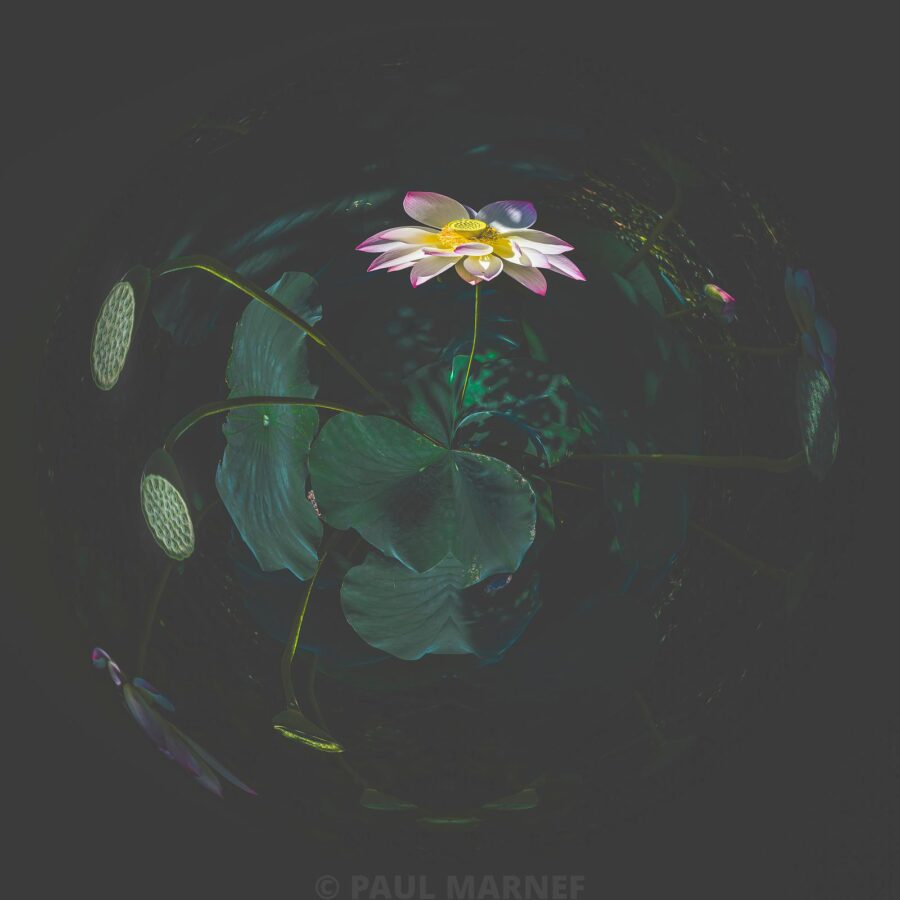
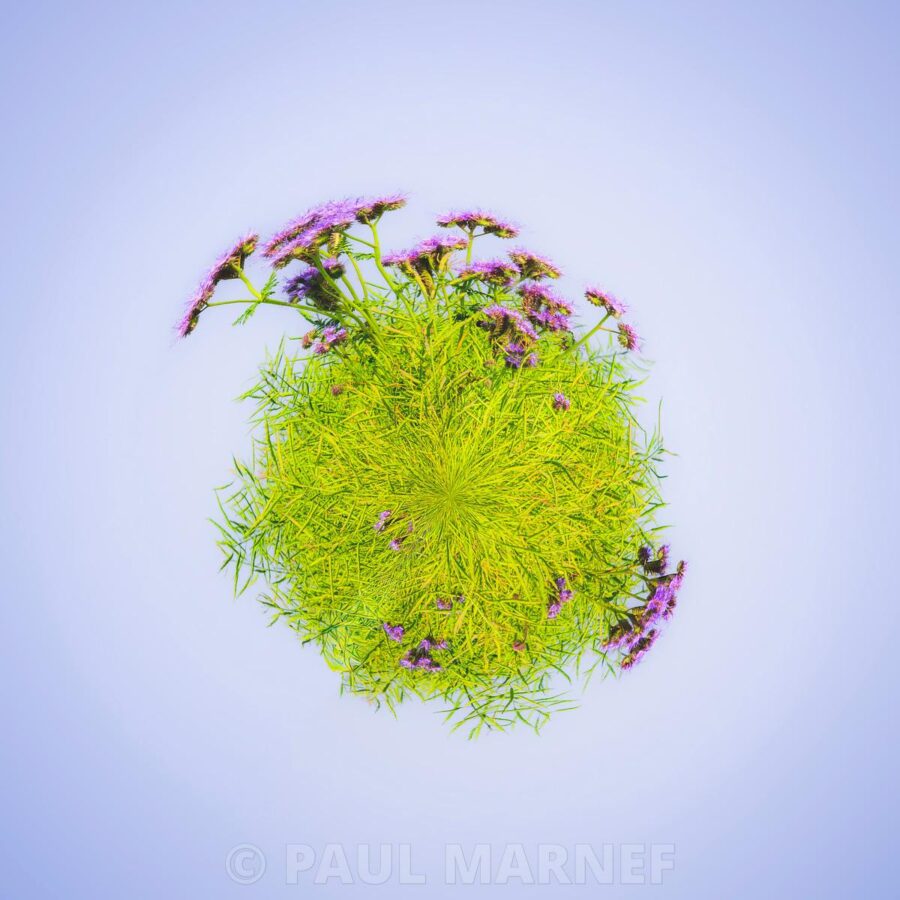
My artistic world
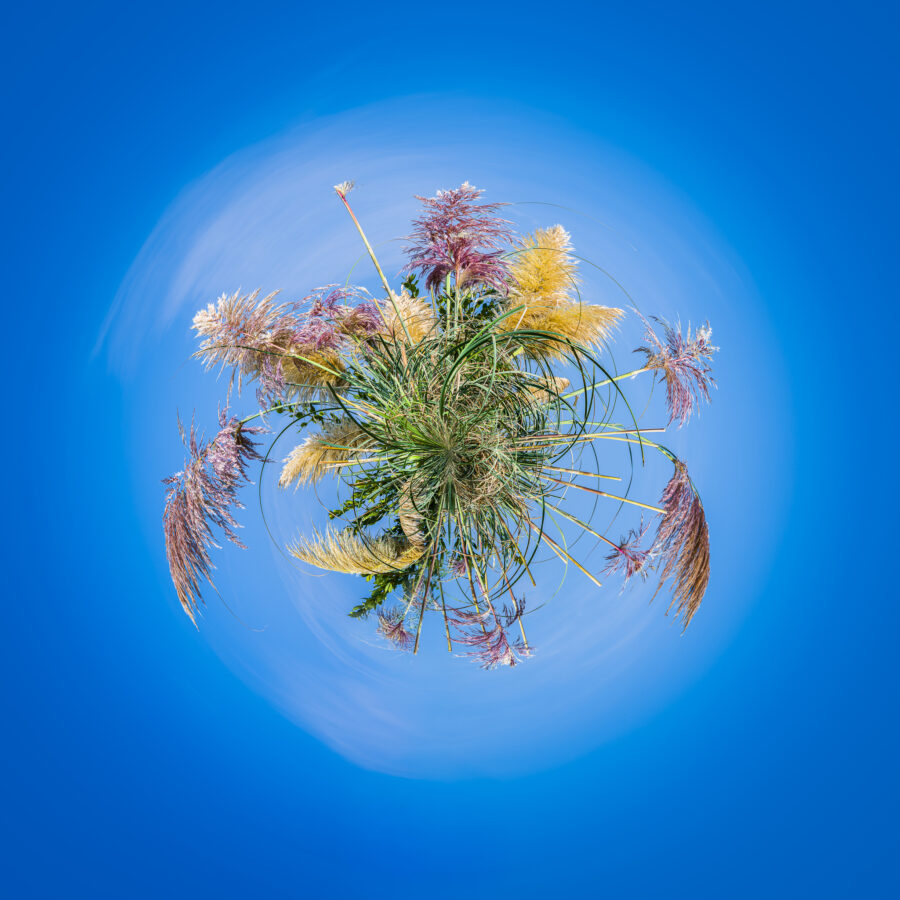
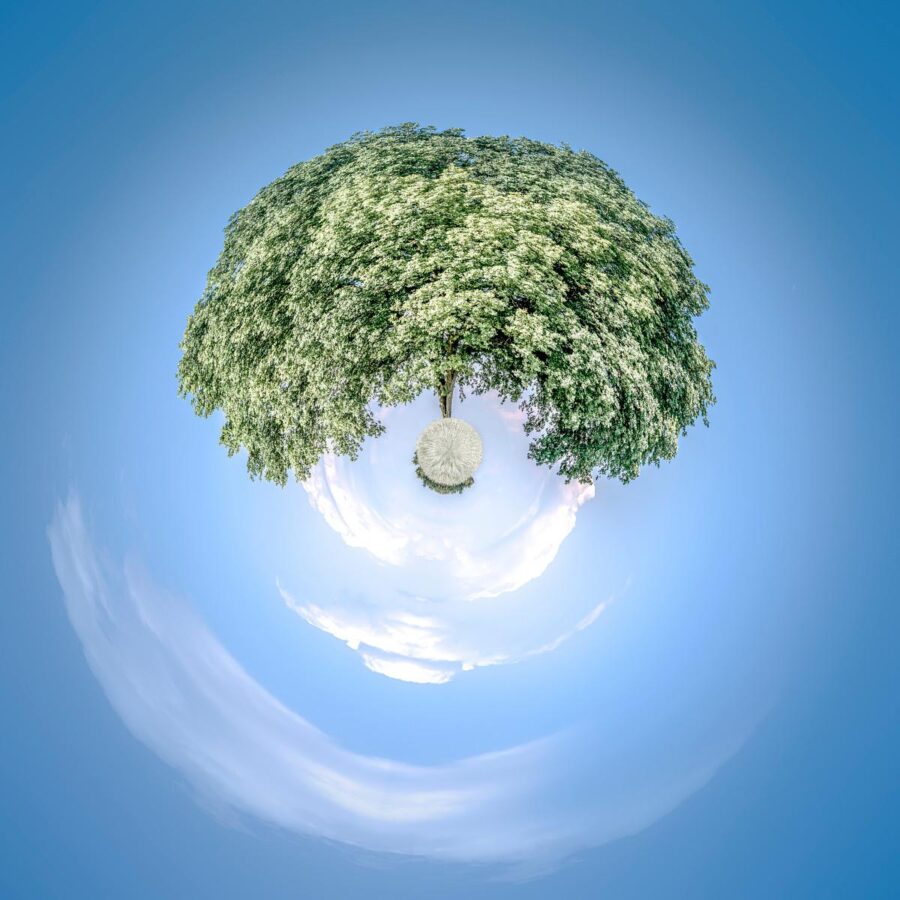
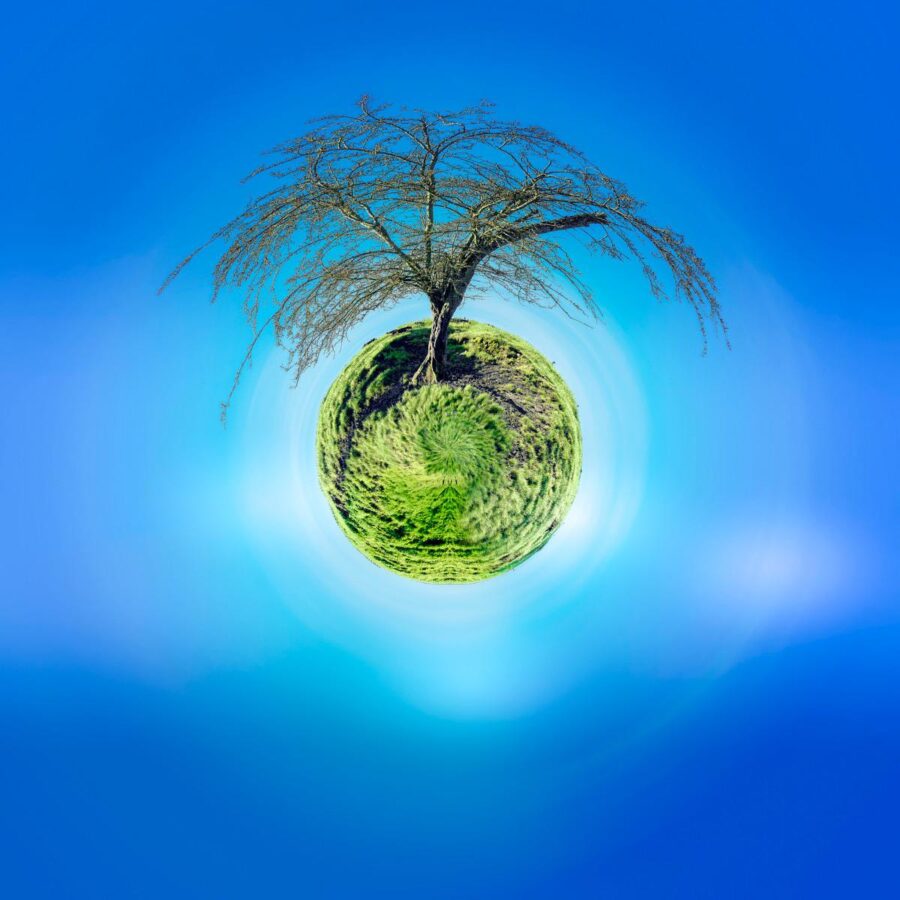
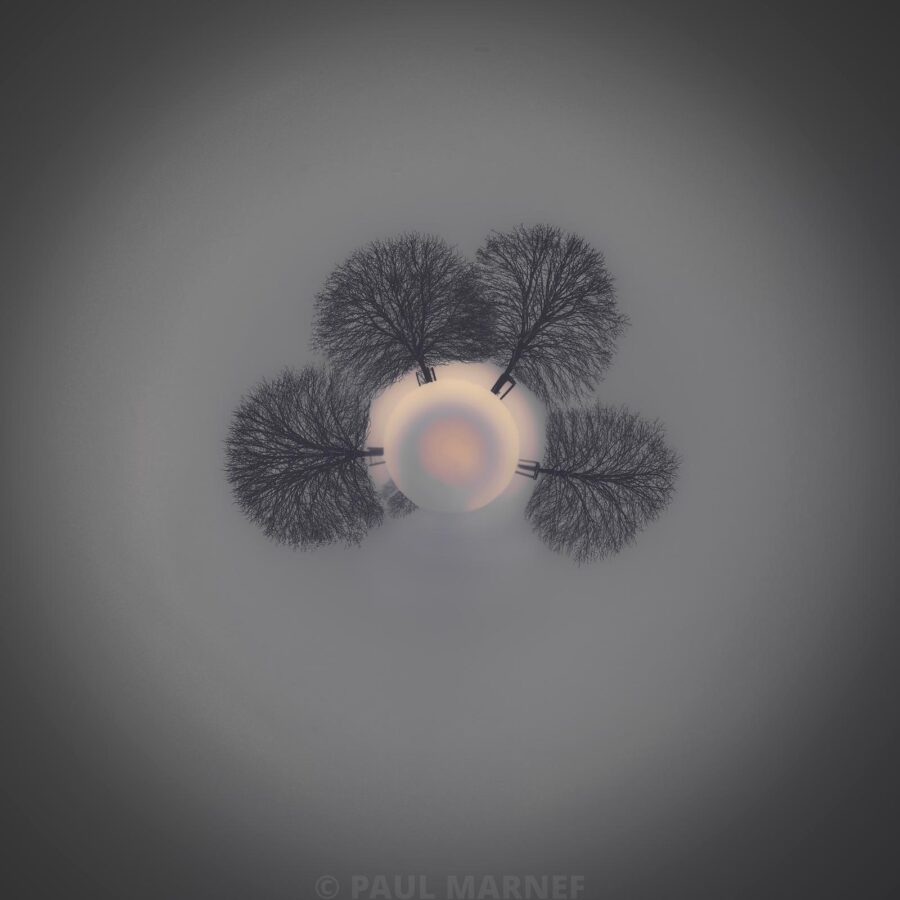
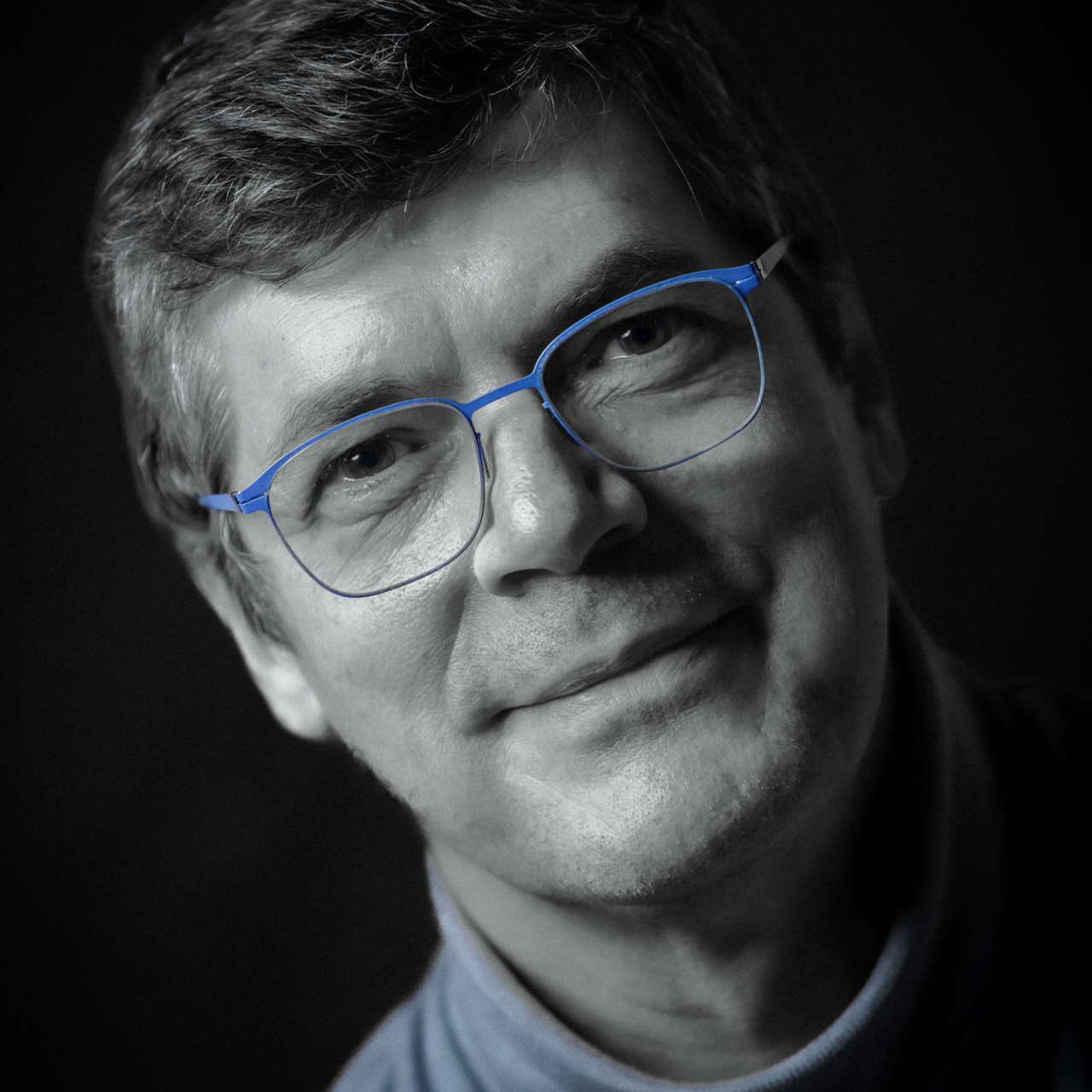
I am Paul Marnef, a Belgian fine art photographer and creator of the ‘Imaginary Planets’. My practice sits within contemporary fine art photography: I begin with my own photographs to give a new dimension to landscapes, trees and architecture.
Every creation begins with an encounter with a place, a light or a form. I then transform the perspectives and reorganise the space: the landscape curls in on itself, the lines converge and a planet is born. The photographed world remains present, but it becomes the realm of a new imagination.
Through my Imaginary Planets, I invite you to take a fresh look at the world around us. Discover my fine art photographs through the series, subjects, colours and places that inspire my creative world.
Explore my work
Throughout my photographic explorations, my artistic world has been enriched by a variety of approaches. Whilst the Imaginary Planets form the central theme, each of my series offers a different way of playing with shapes, colours, light and texture.
From the intensity of my colour works to the sobriety of black and white, from pointillist experiments to relief creations, I seek to renew our perception of the image and to explore the many possibilities of fine art photography.
This diversity reflects a constantly evolving approach, in which each new technique becomes an opportunity to experiment and push the boundaries of my artistic expression.
Discover the Imaginary Planets series:
An exploration of form, contrast and light, where the absence of colour reveals another dimension of my imaginary worlds.
Reliefs
Photographic creations that take on volume and extend beyond the surface of the image to create a dialogue between form, material and light.
Crystal-clear
Fragments of reality transformed into compositions with crystalline forms, blending geometry, transparency and bursts of colour.
Pointillism
An approach in which the photographic image is broken down into a multitude of dots, giving rise to new textures and perceptions of reality.
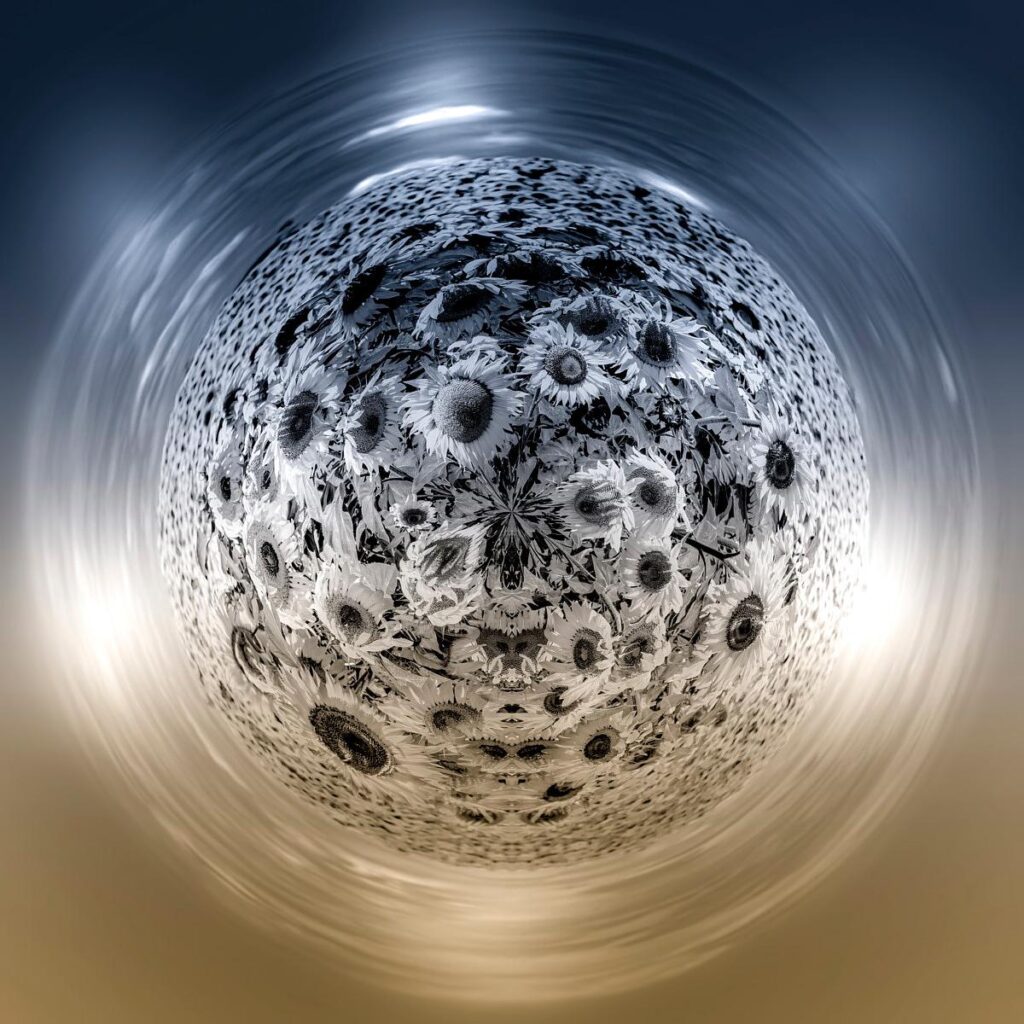
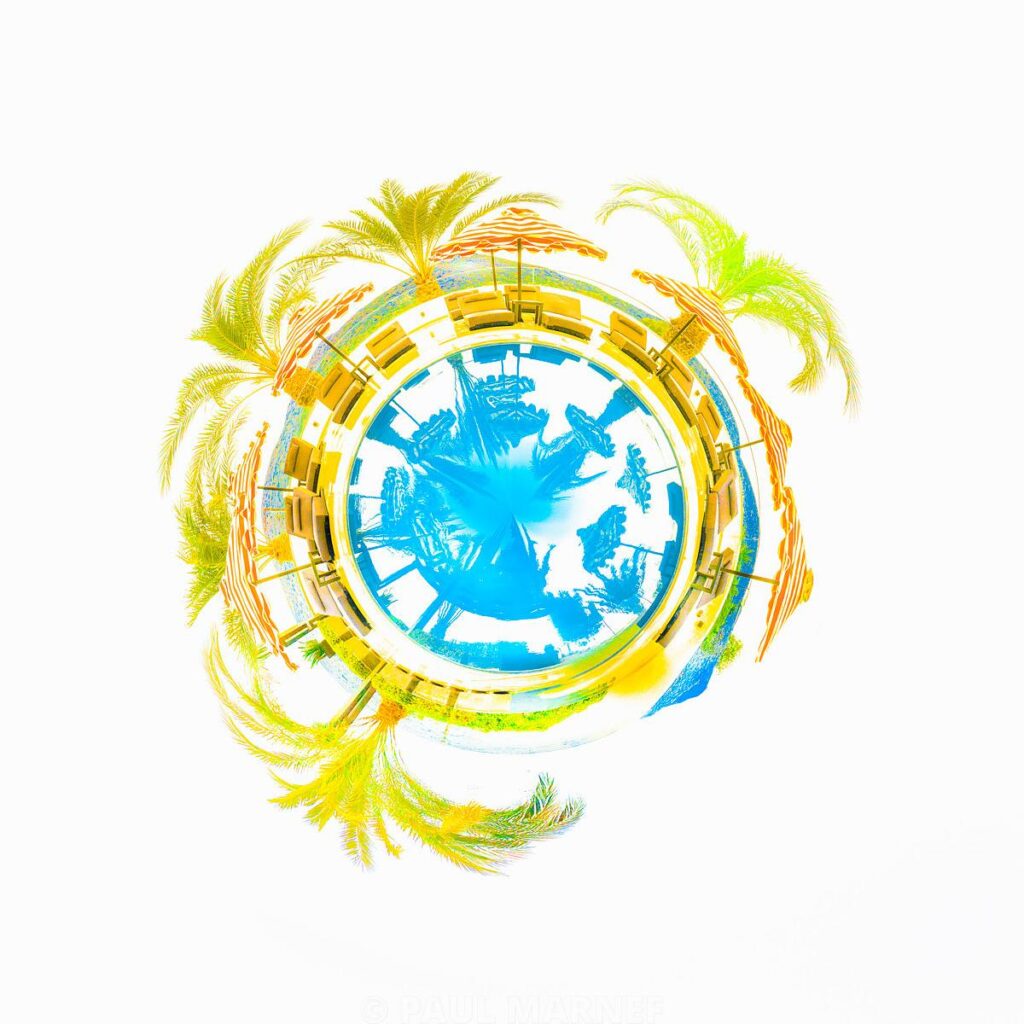
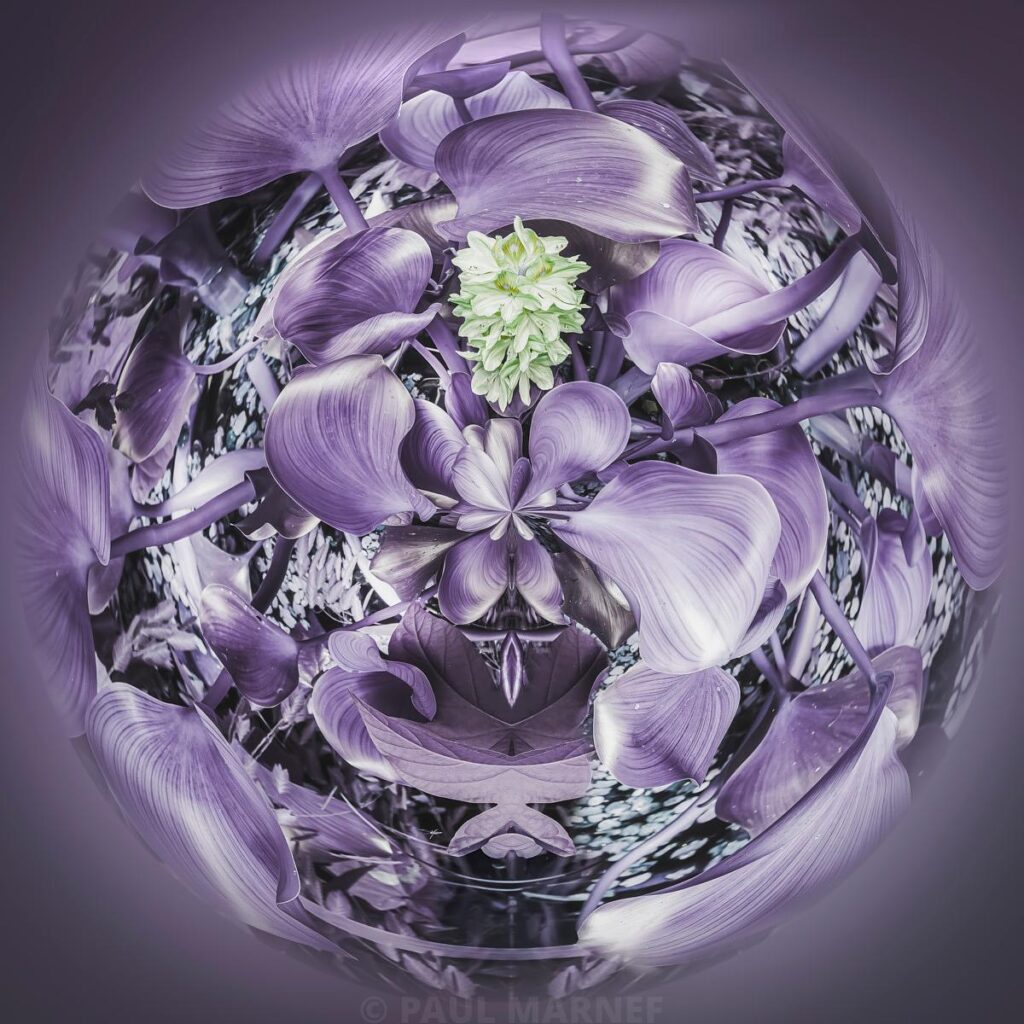
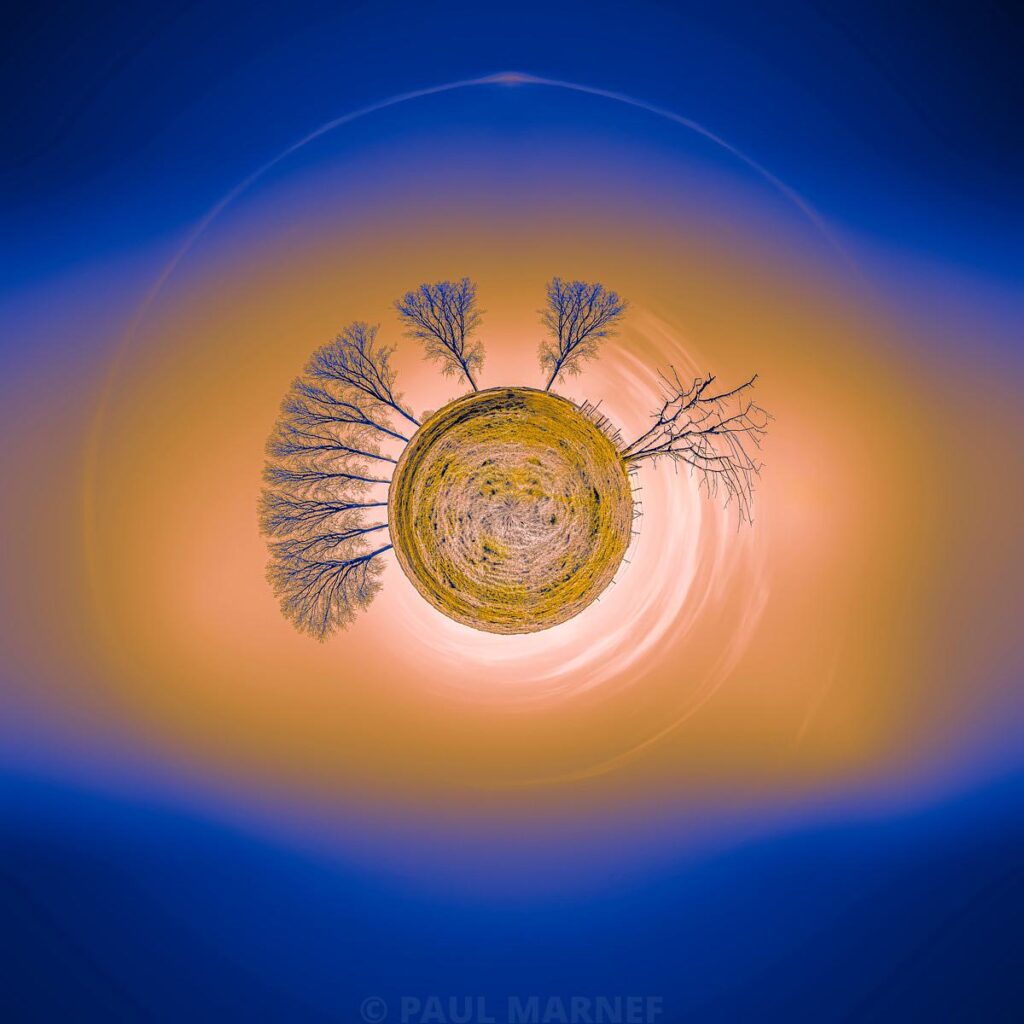
From photography to a work of art
A photograph does not become a work of art solely because of what it depicts. For me, it all begins with the shot, but continues long afterwards: I revisit the composition, work on the colours or contrasts, and seek the balance that will give the image its presence.
The photographic print is a stage to which I attach great importance. Moving from the screen to a printed photograph means discovering the details, nuances and texture in a different way. The choice of fine art paper, a Dibond aluminium backing or a ChromaLuxe finish contributes to this experience. I consider these options based on the desired effect for each creation.
The format, too, alters our relationship with the work. A large print invites the viewer to explore the image with their eyes; a smaller-format photograph is experienced from a different, closer perspective. I like the way these choices complement the composition and find their place within the space where it will be exhibited.
My desire to experiment also leads me towards relief and manual work. In particular, I produce gum prints of my Imaginary Planets by hand, on 350 g/m² fine art paper. The physical act and the material thus extend the photographic work: the image is no longer merely something to be looked at; it also possesses a texture and a physical presence.
The artist behind the images
As a Belgian photographer and visual artist, I am developing a universe in which photography becomes a terrain of exploration and creation.
With my Imaginary Planets, I seek to go beyond the mere representation of reality to bring forth unexpected landscapes, new forms and unique emotions.
My artistic journey is fuelled by encounters, exhibitions and experimentation, with an ever-renewed curiosity about photographic techniques and media.
Discover my recent creations · View upcoming exhibitions · Discuss a work
Discover and choose my art photographs
A photograph may catch your eye because of its colour, its composition or the emotion it evokes. Here are a few pointers to help you explore my Imaginary Planets and consider how a piece might fit into your daily life.
What makes my art photographs unique?
My practice begins with a photograph of the real world. I then transform this image to construct a personal composition: perspectives converge, landscapes become planets and familiar elements take on an unexpected presence.
This digital creative work allows me to explore the boundary between figurative photography and abstraction. A tree remains recognisable, whilst the space surrounding it becomes imaginary. It is in this interplay that I seek an artistic expression that is uniquely my own.
How do I browse my photographic series?
You may begin with a work that catches your eye, then follow the links between the images. The black and white works invite you to observe the contrasts and composition. The Crystalline Planets and Pointillism offer alternative interpretations of textures, forms and light.
Another way to discover my work is to start with a colour, a landscape or a subject. These journeys take you through the series and allow you to draw connections between photographs that you might not have associated at first glance.
Where should you place a photograph in your home?
Before choosing a print, take a moment to imagine your relationship with the image. Do you seek something understated, a composition that captures the eye, or a work that will reveal new layers over time?
The format, medium and lighting of the piece all contribute to this encounter. A large format allows one to linger over the details and gives the photograph a more assertive presence; a smaller format invites a more intimate exploration. I encourage you to take into account the available viewing distance and the space you wish to leave around the image. The contextual presentations may help you visualise the effect; they are simulations.
How to choose a limited-edition print?
Whether you are seeking your first piece of fine art photography or a new addition to your collection, I invite you to begin with the image itself. Its story, colours and composition can then guide your choice.
For me, a fine art print extends the photographic work. Print quality is not merely about the sharpness of the details: I am also interested in the nuances, the contrasts and the way the colours come to life on the medium. A photograph printed on photographic paper is not experienced in the same way as a luminous image on a screen.
Fine art paper offers a texture that enhances the viewing experience. I particularly appreciate baryta paper for the way it renders detail and contrast. Depending on the work and the finishes available, you can also choose a print on Dibond aluminium or a presentation under Plexiglas. The paper, the surface and the reflections give each photographic print a distinct character.
I would also advise you to consider where the print will be placed in your home. Larger formats allow you to take in the composition as a whole and linger over the details; a smaller format creates a more intimate relationship with the photograph. The vantage point and the lighting in the room will help you choose. If you are unsure about which size or medium to choose, I will reply to you personally.
Please check the details for each artwork regarding the medium, dimensions, finishes and availability. You can find my explanations on Dibond in fine art photography, baryta fine art paper and print formats.