
Movement in contemporary photography
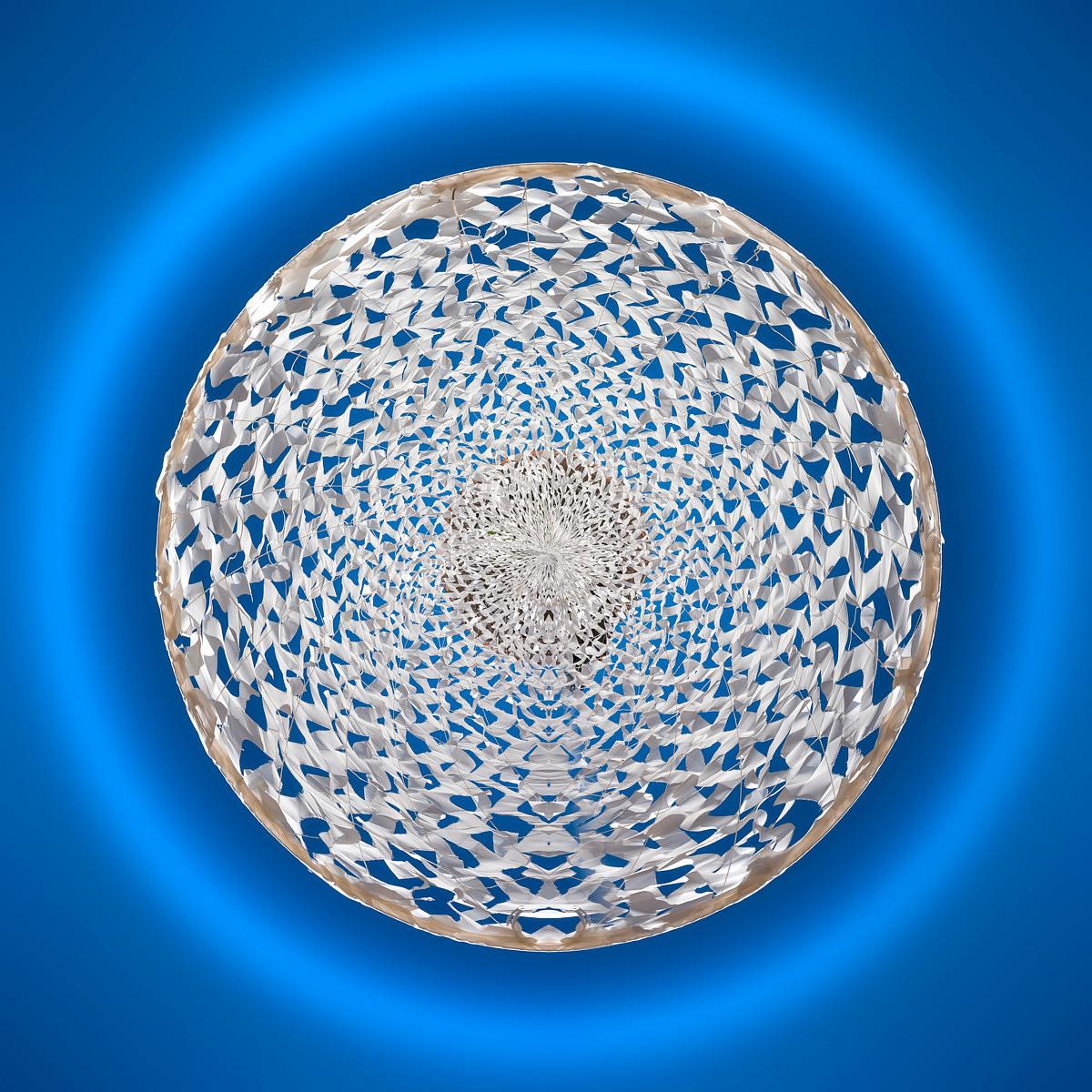
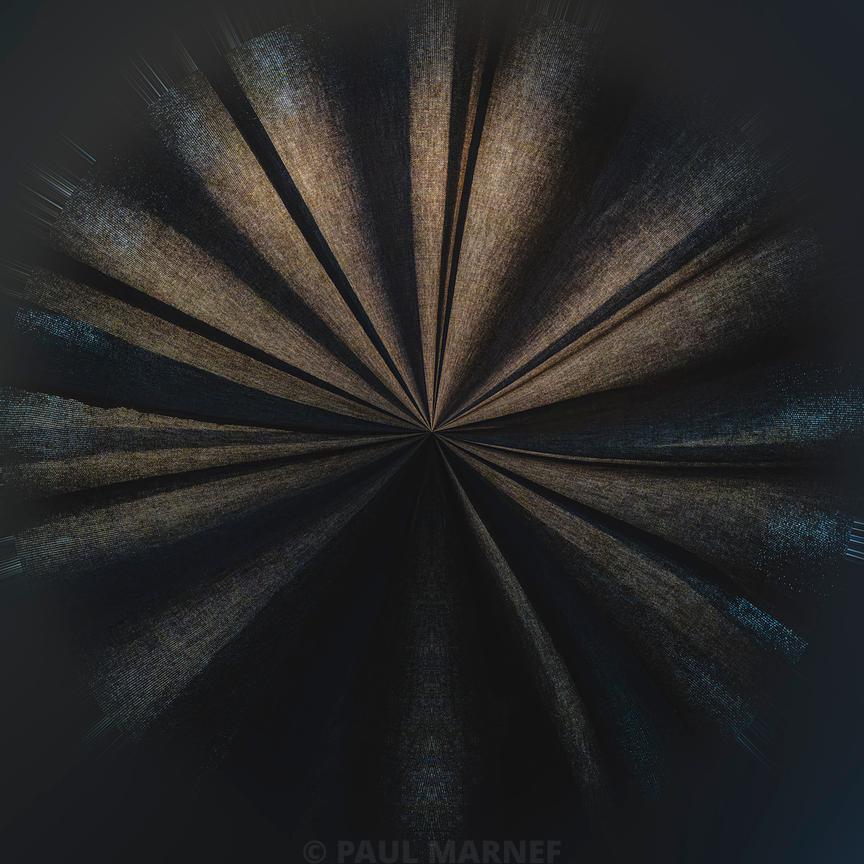
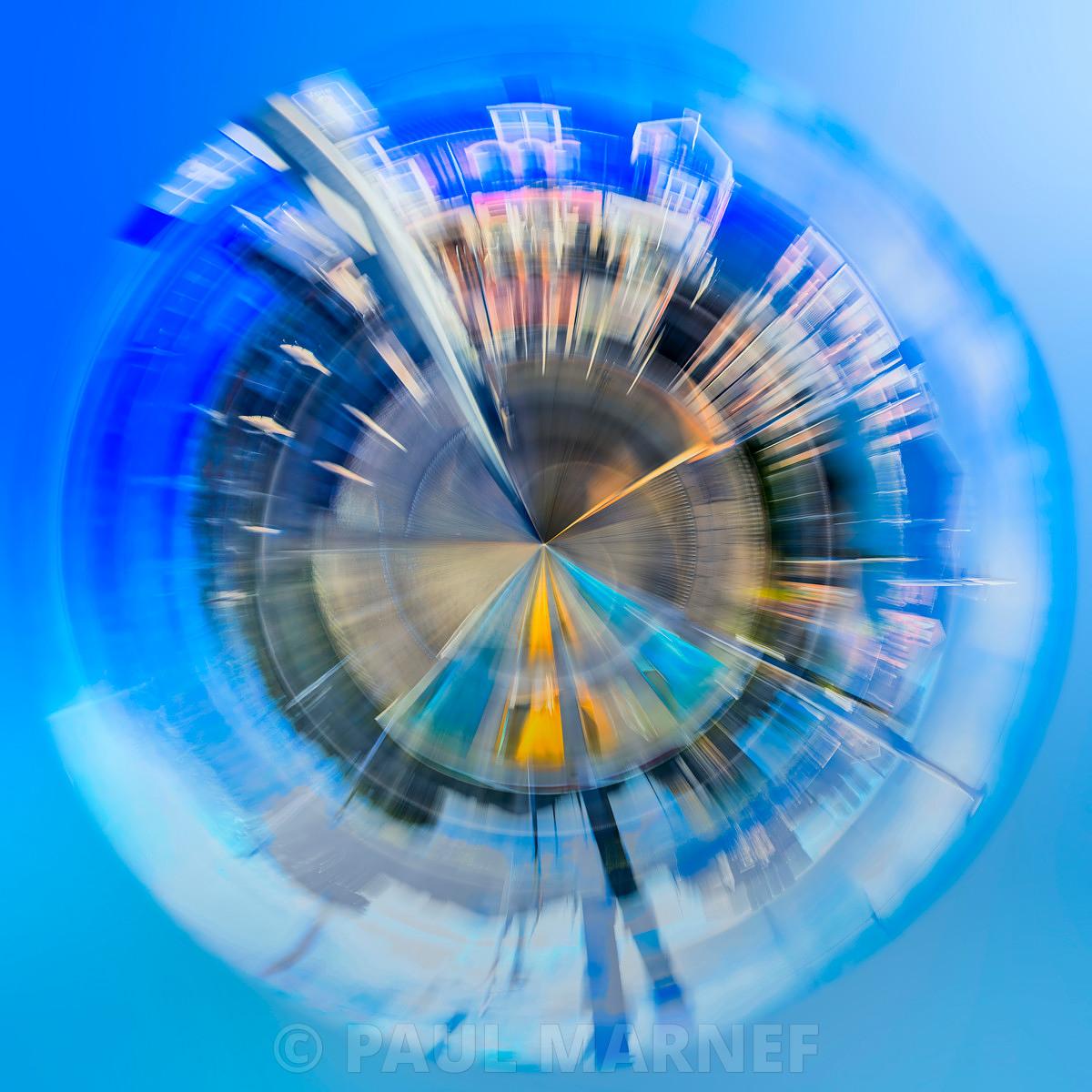
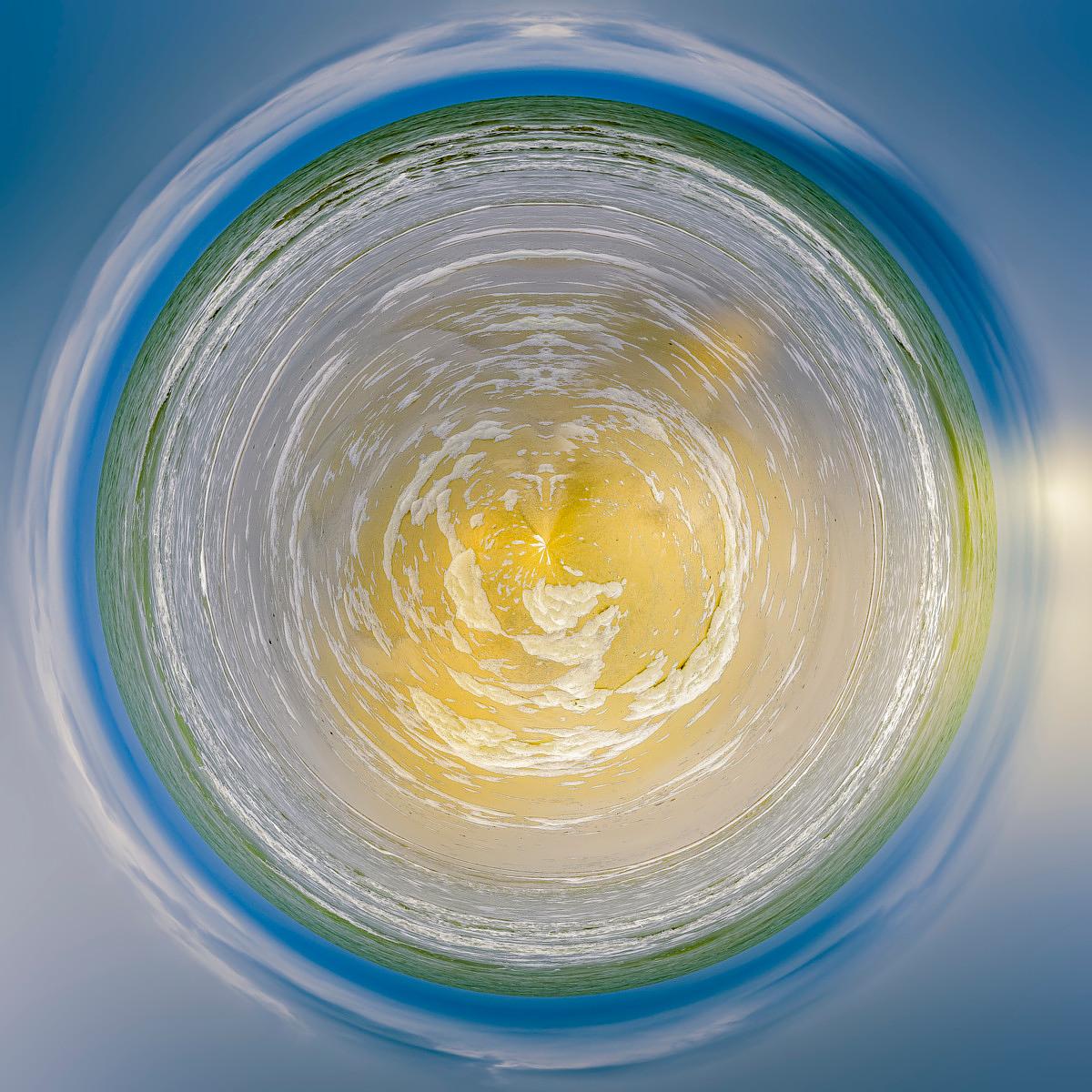
For me, movement in contemporary photography is not confined to a subject in motion. It can arise from a curve, a repetition or the path the eye follows within a still image. This selection brings together works in which I invite you to sense a momentum, a flow or a tension. My Imaginary Planets become spaces to explore rather than landscapes viewed from a single vantage point.
83 artworks
-
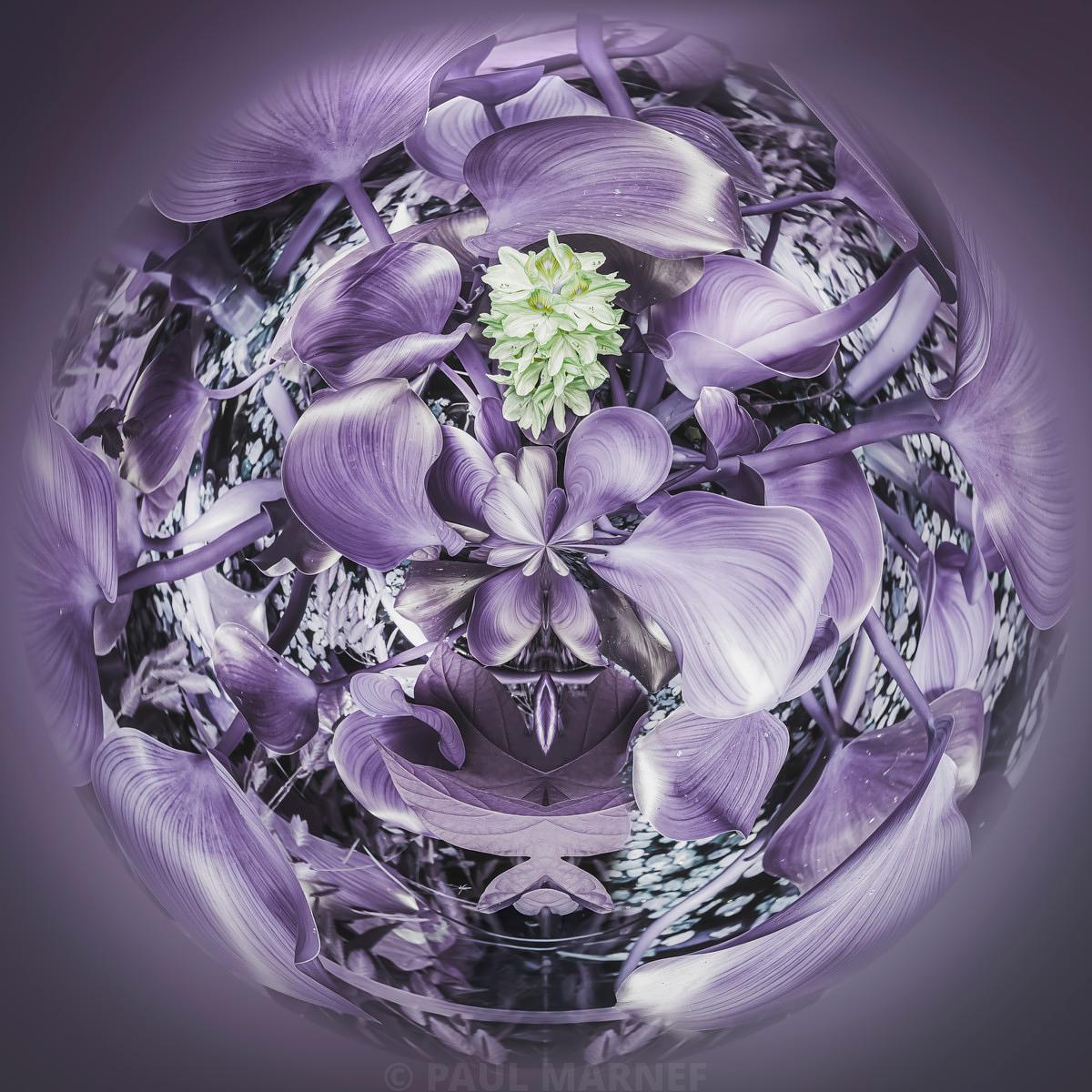
Pearl of Water
-
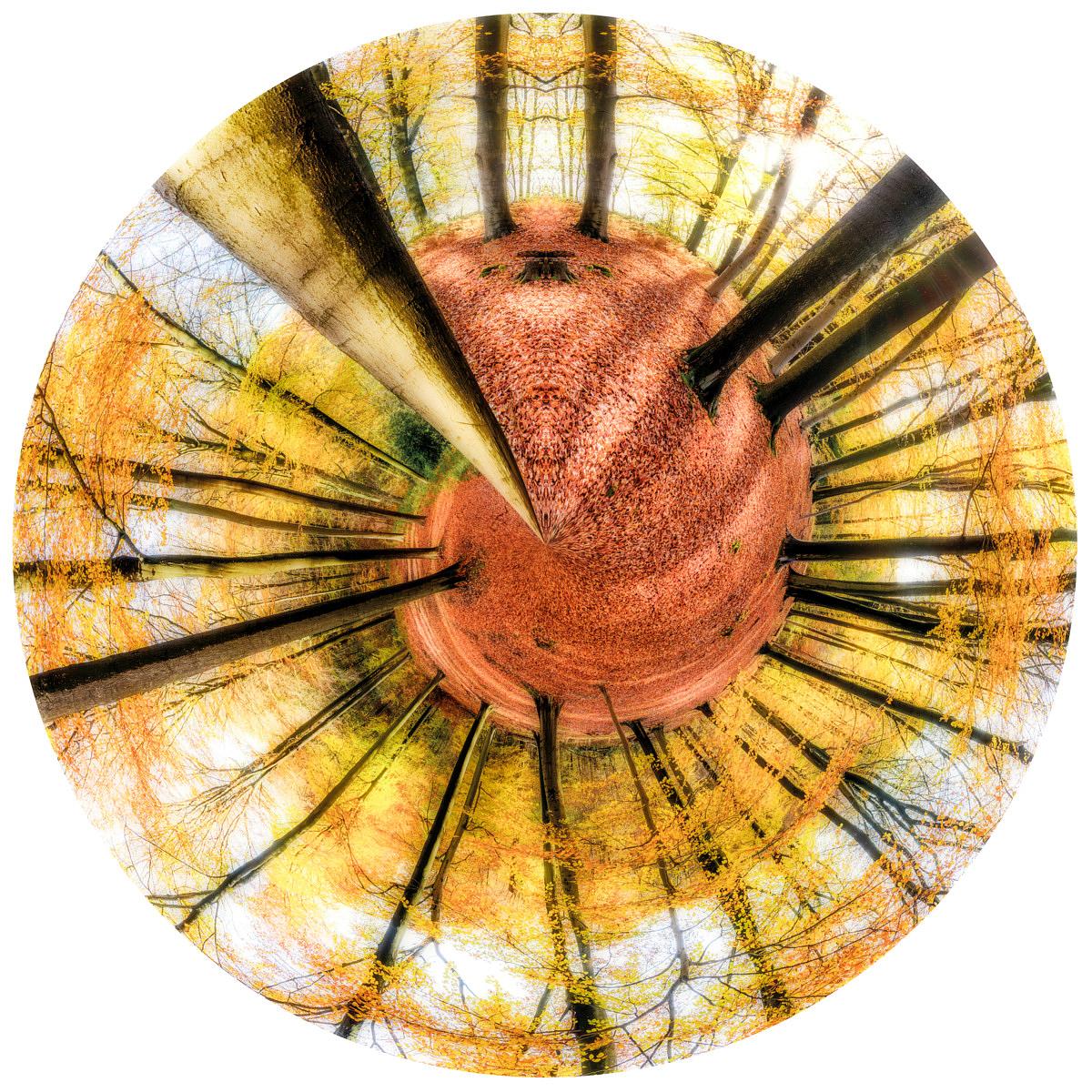
Regeneration
-
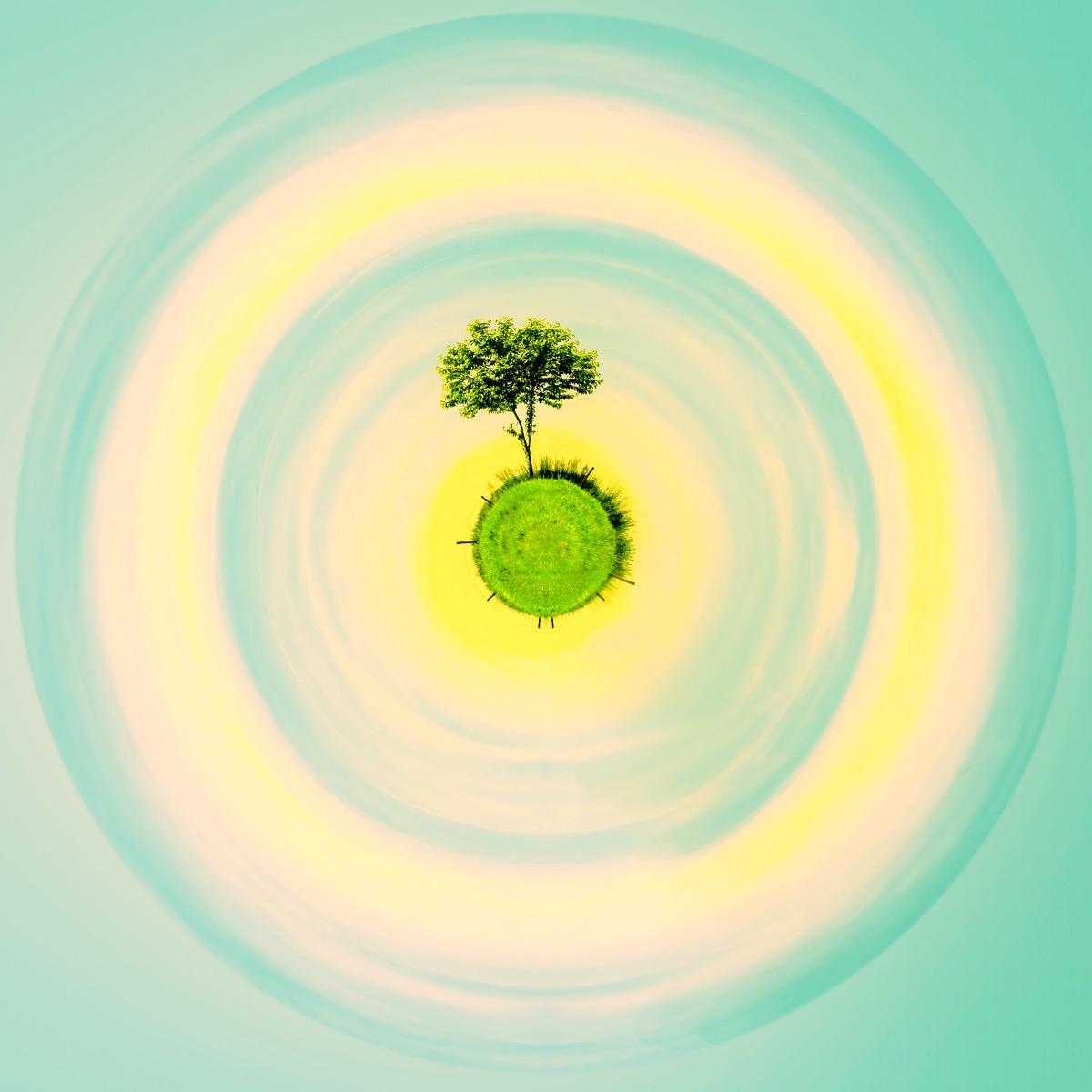
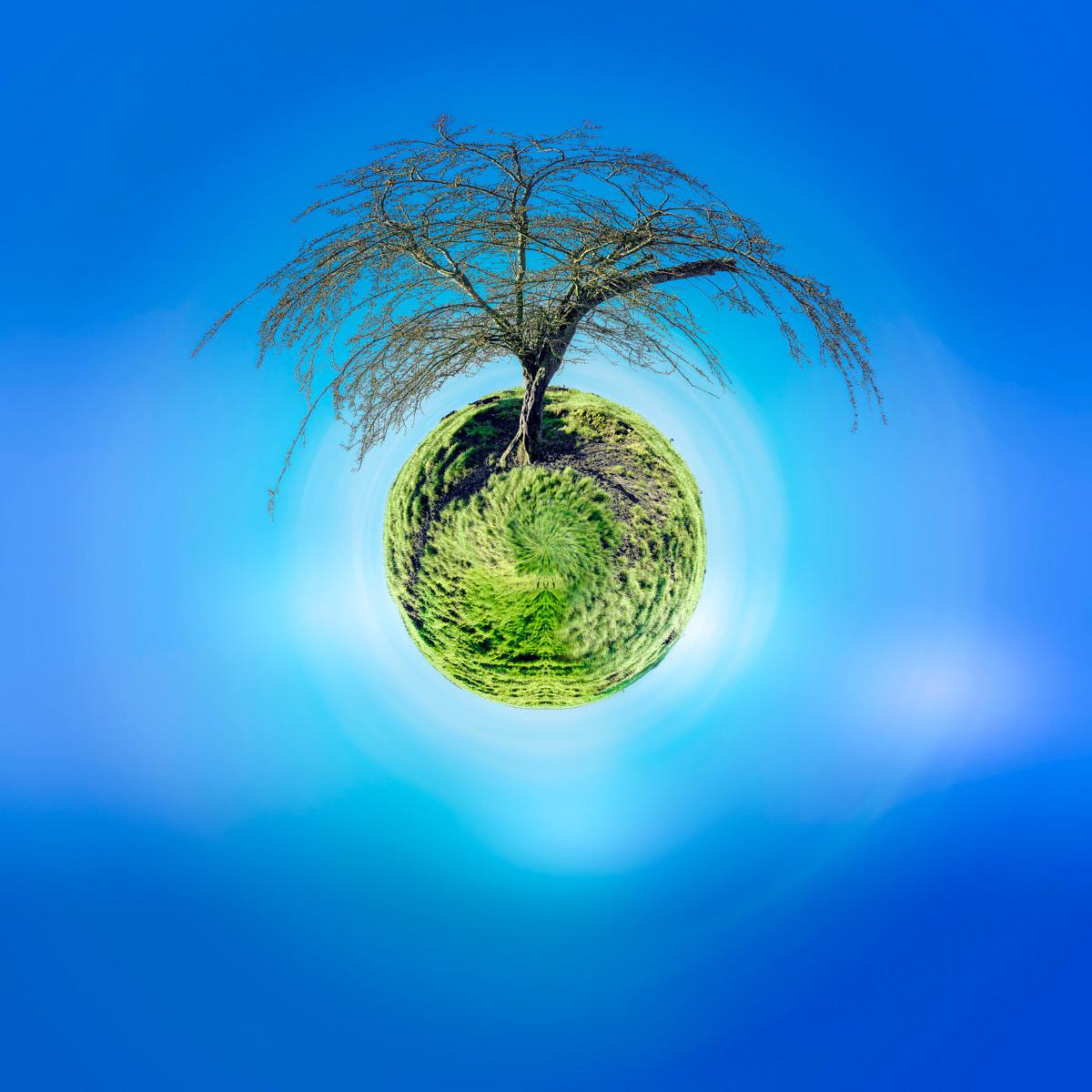
The lonely tree revisited
-
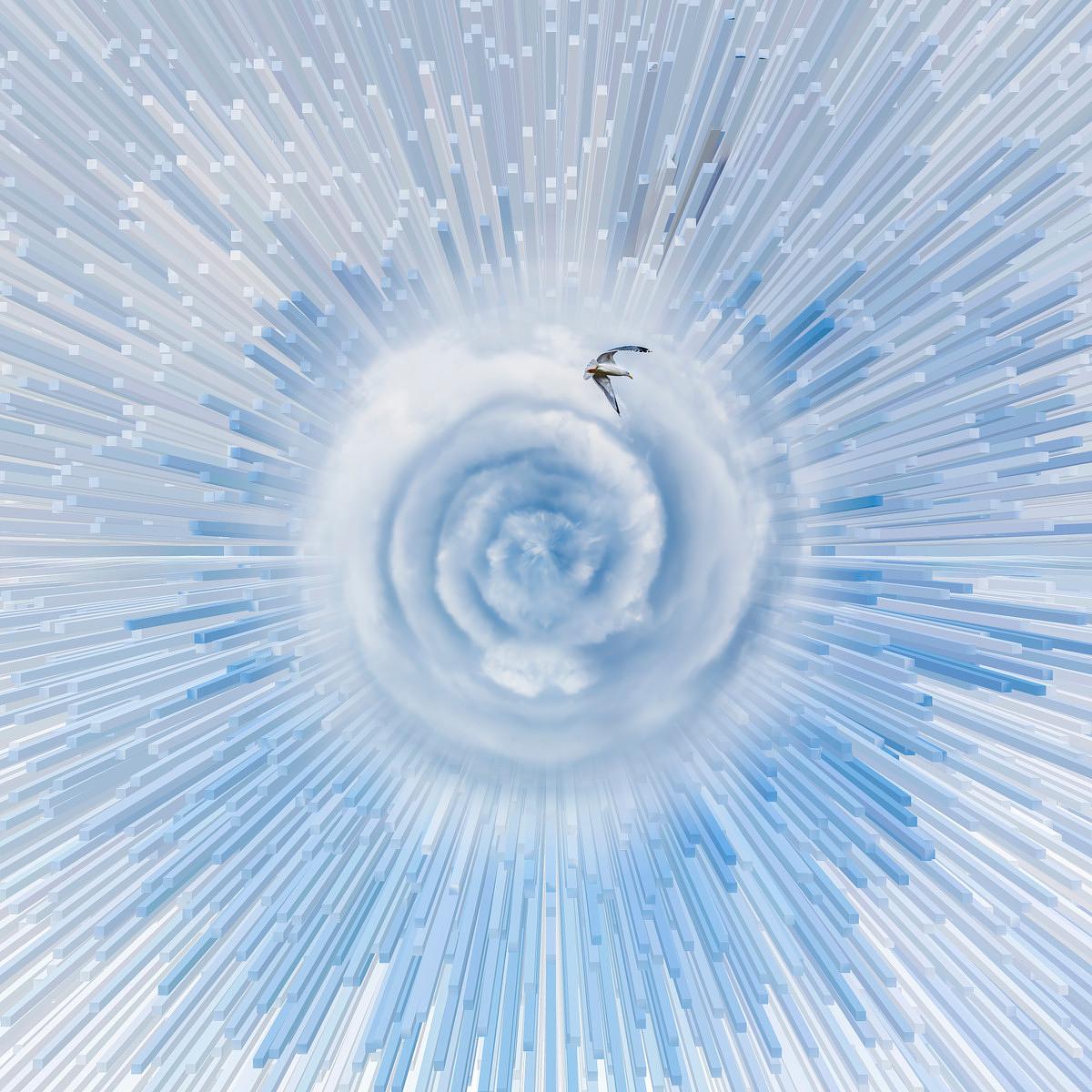
Getting out of the Vortex
-
The Flight
-
The Ballet of the Skies
-
Unappreciated Beauties
-
Lifelines
-
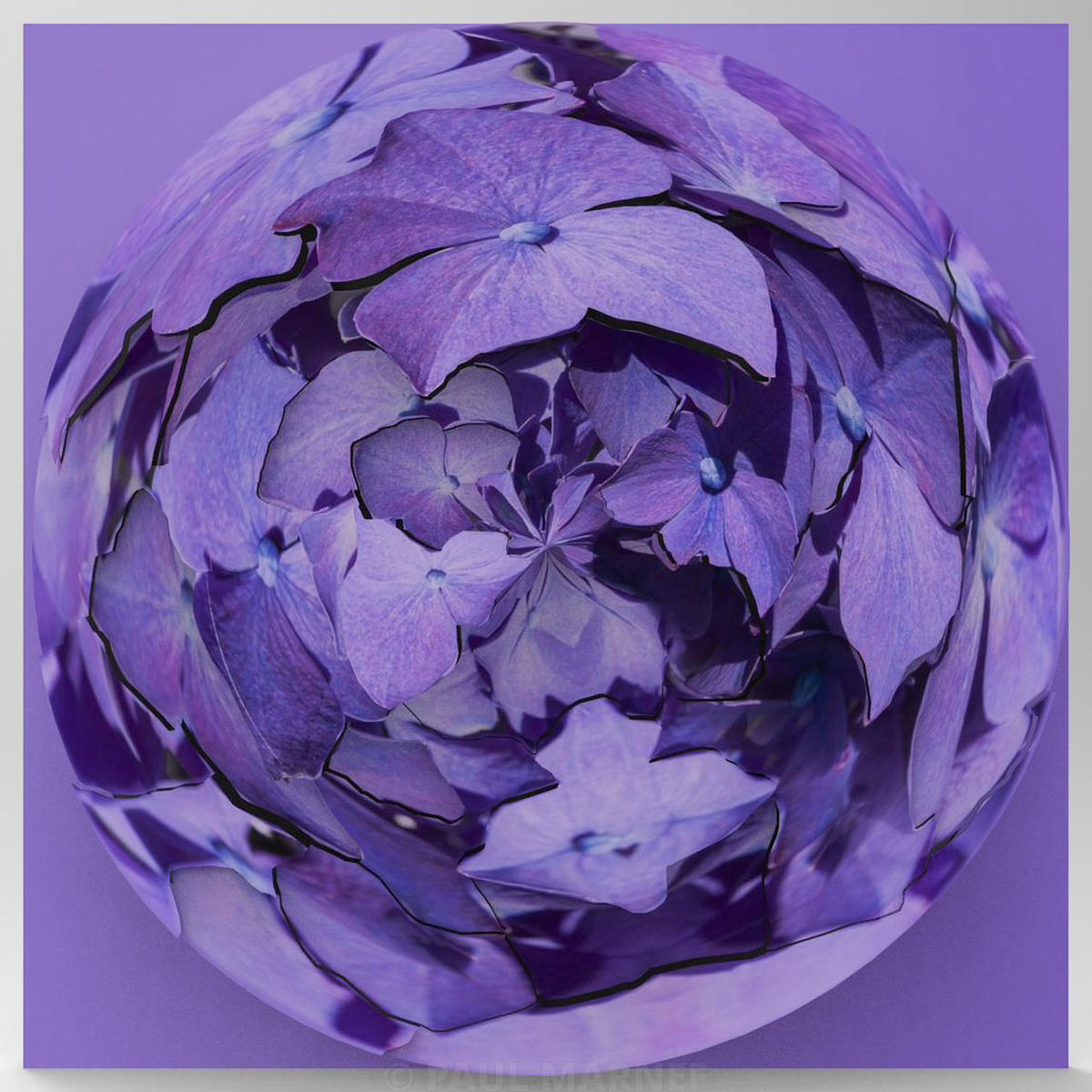
Purple Reverie – 3D Art Photo
-
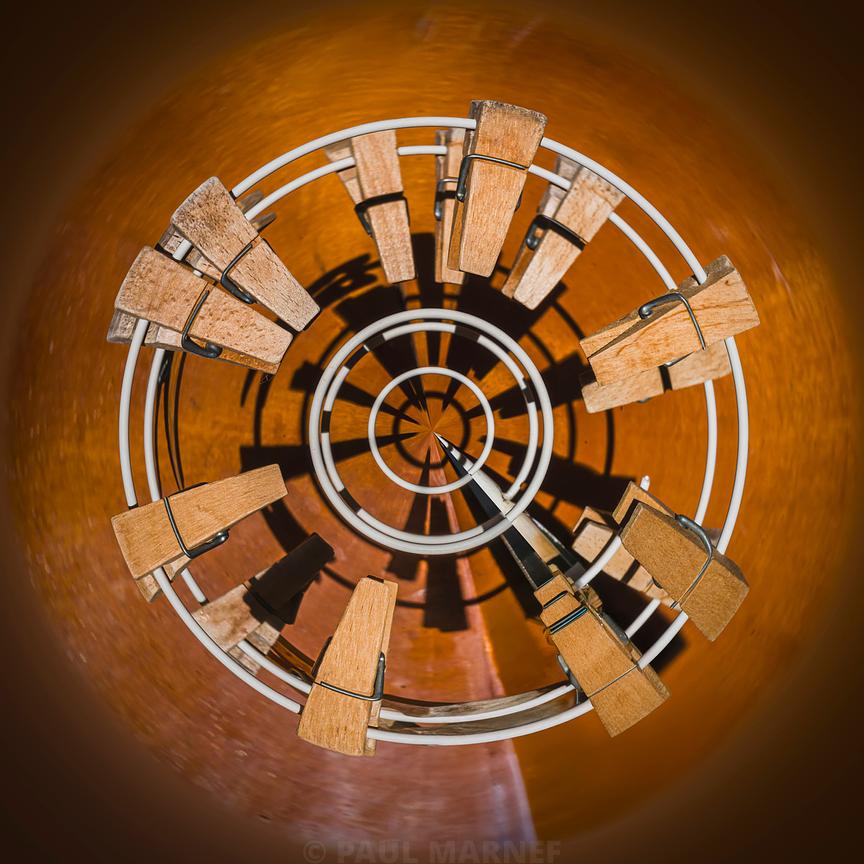
Planet of Clothespins
-
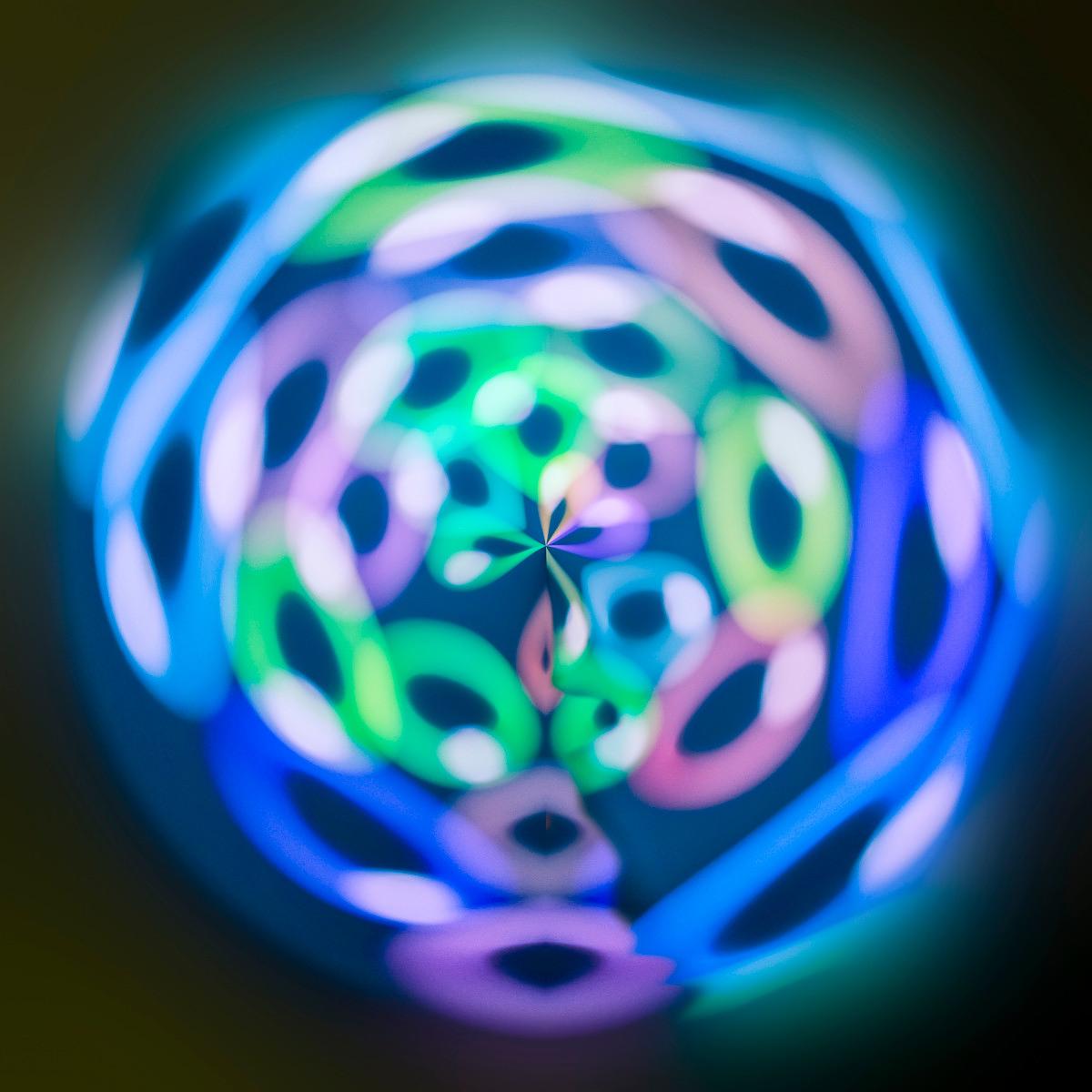
Screensaver
-
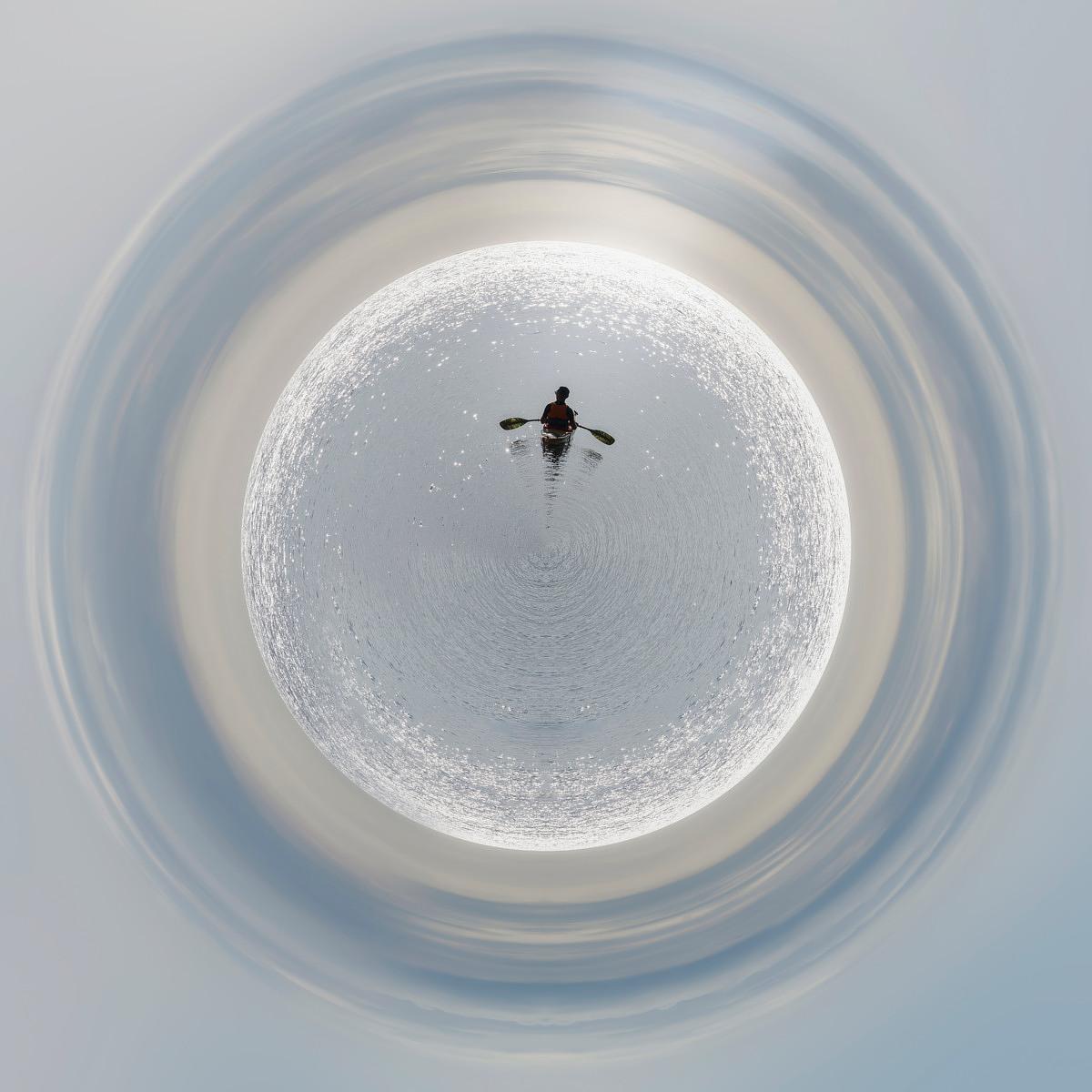
Kayak and Resonance
-
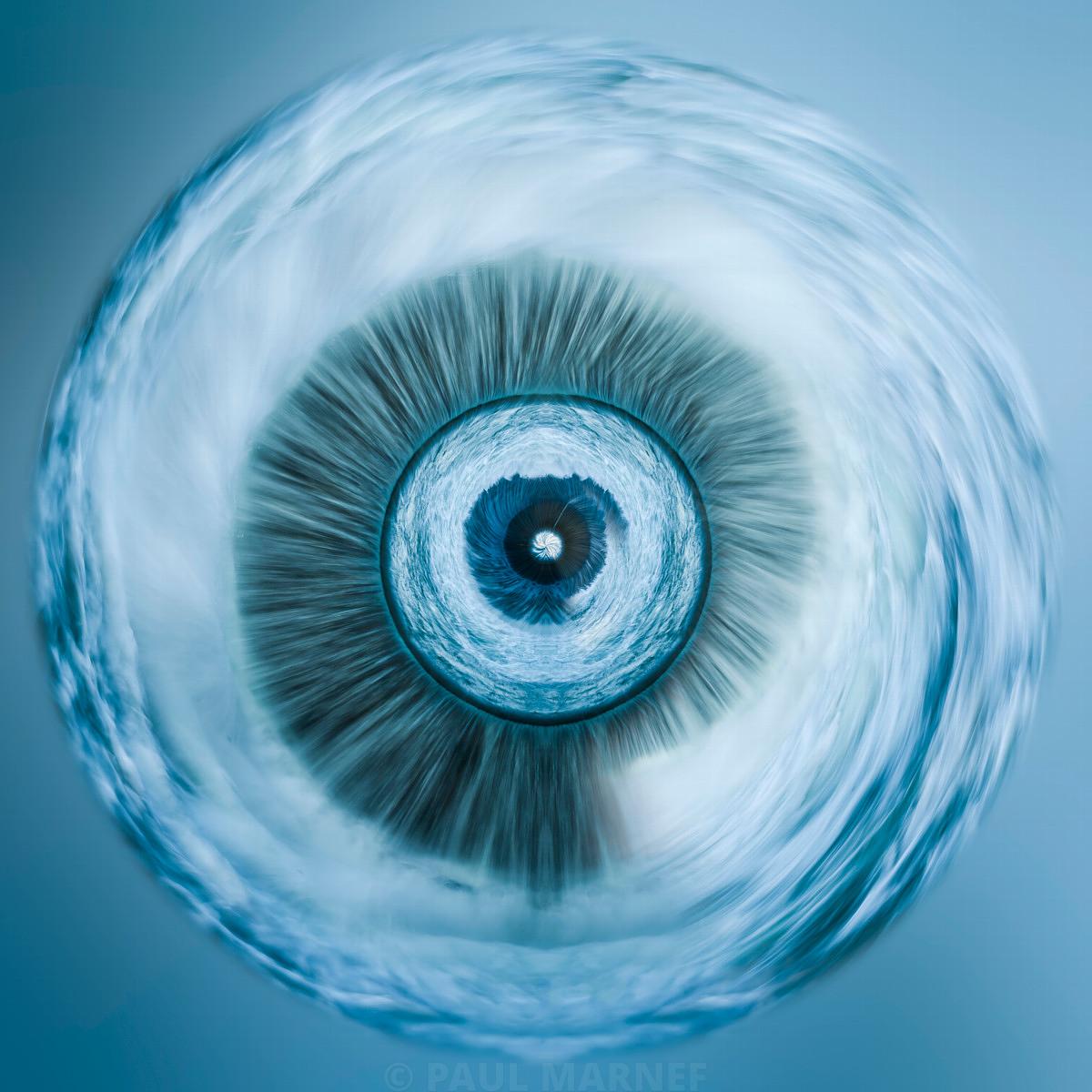
View of the Garonne
-
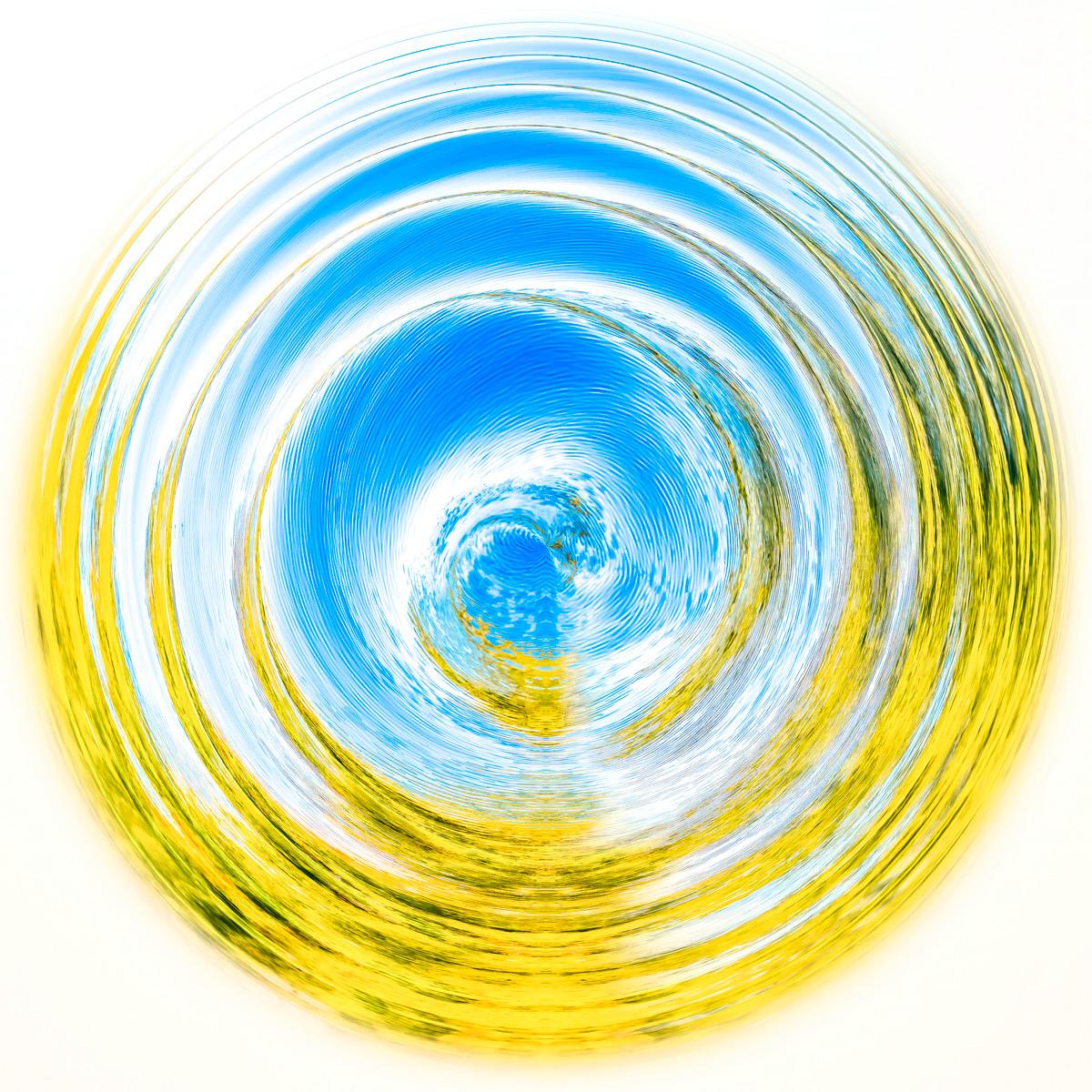
The Yellow Wave
-
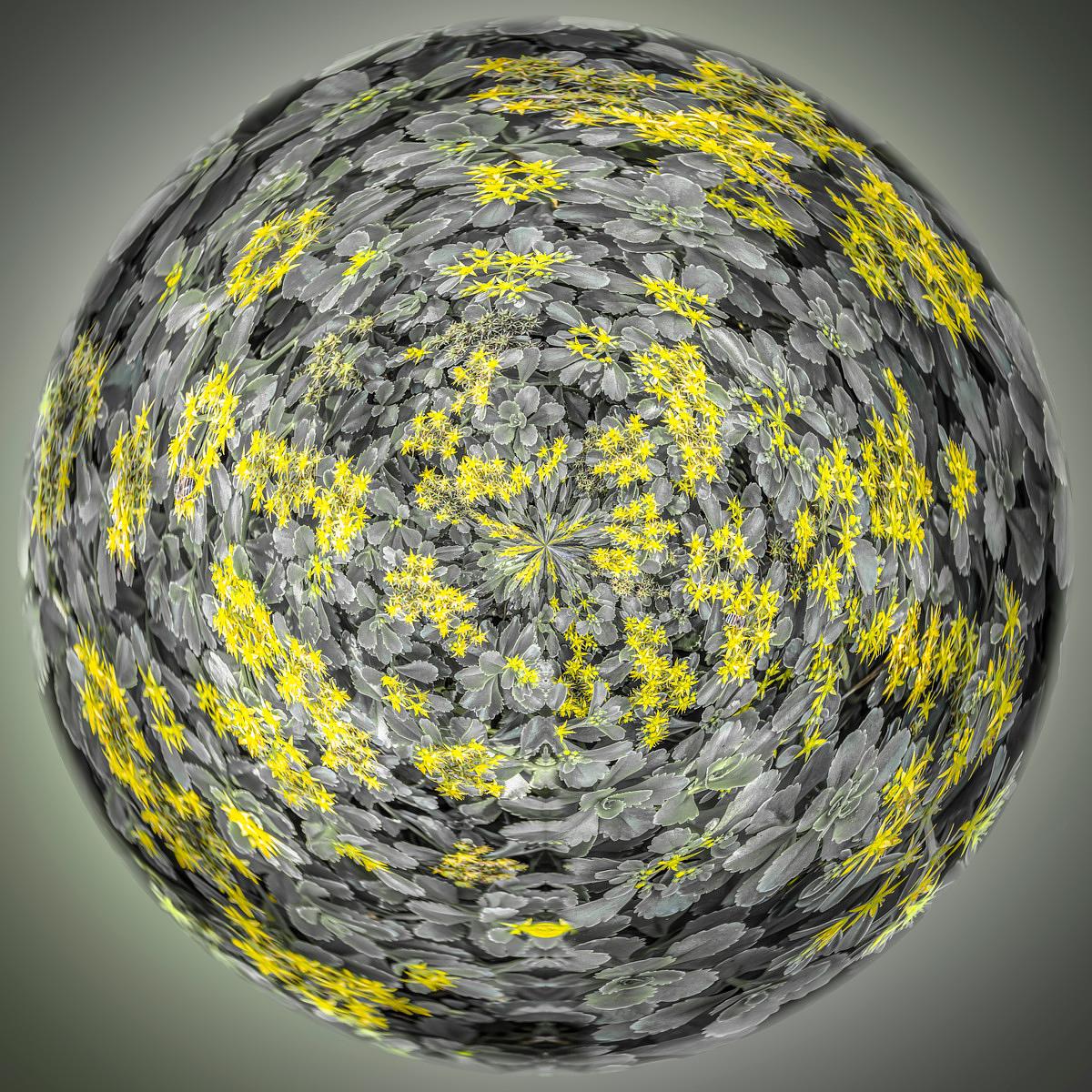
Shards
-
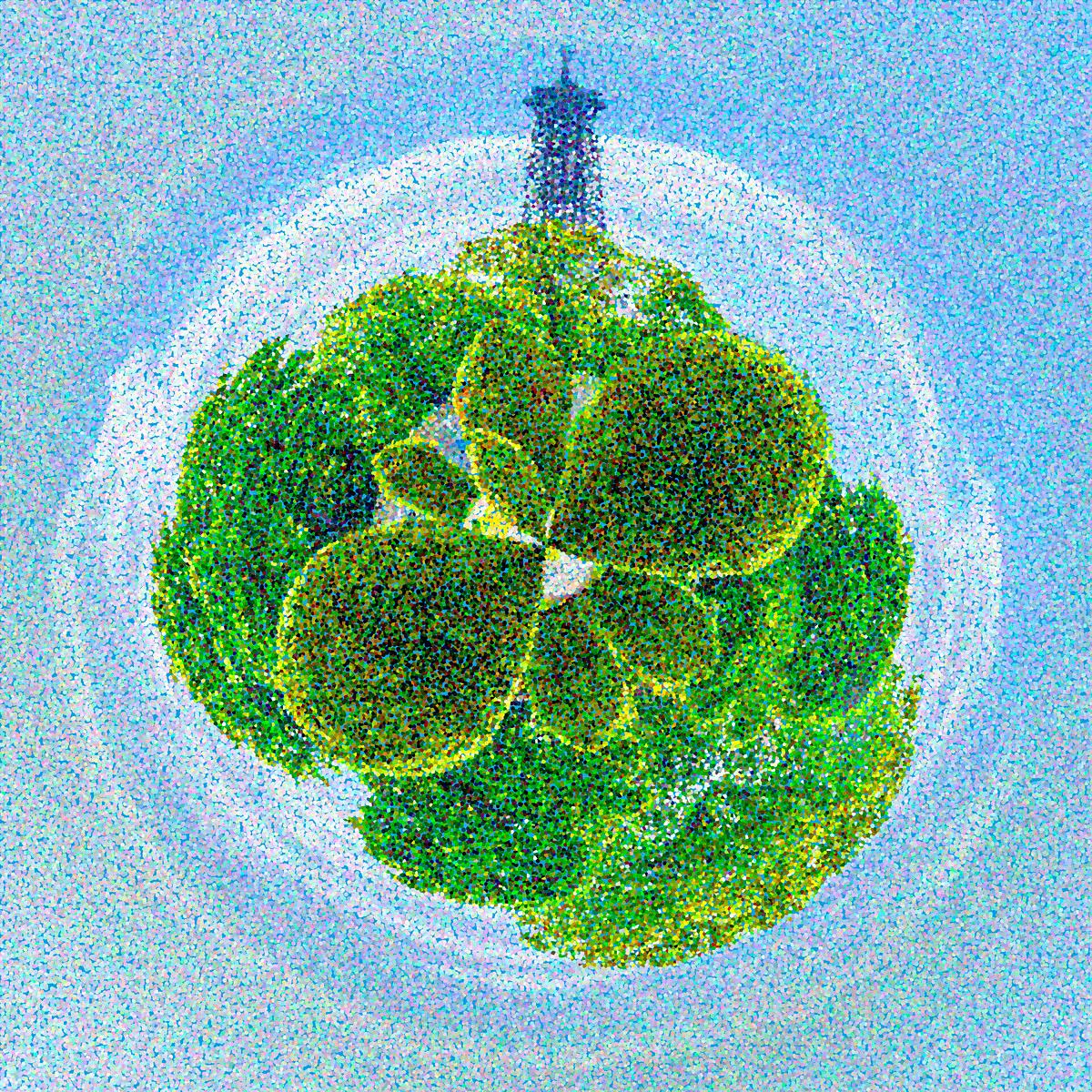
The Tower Case
-
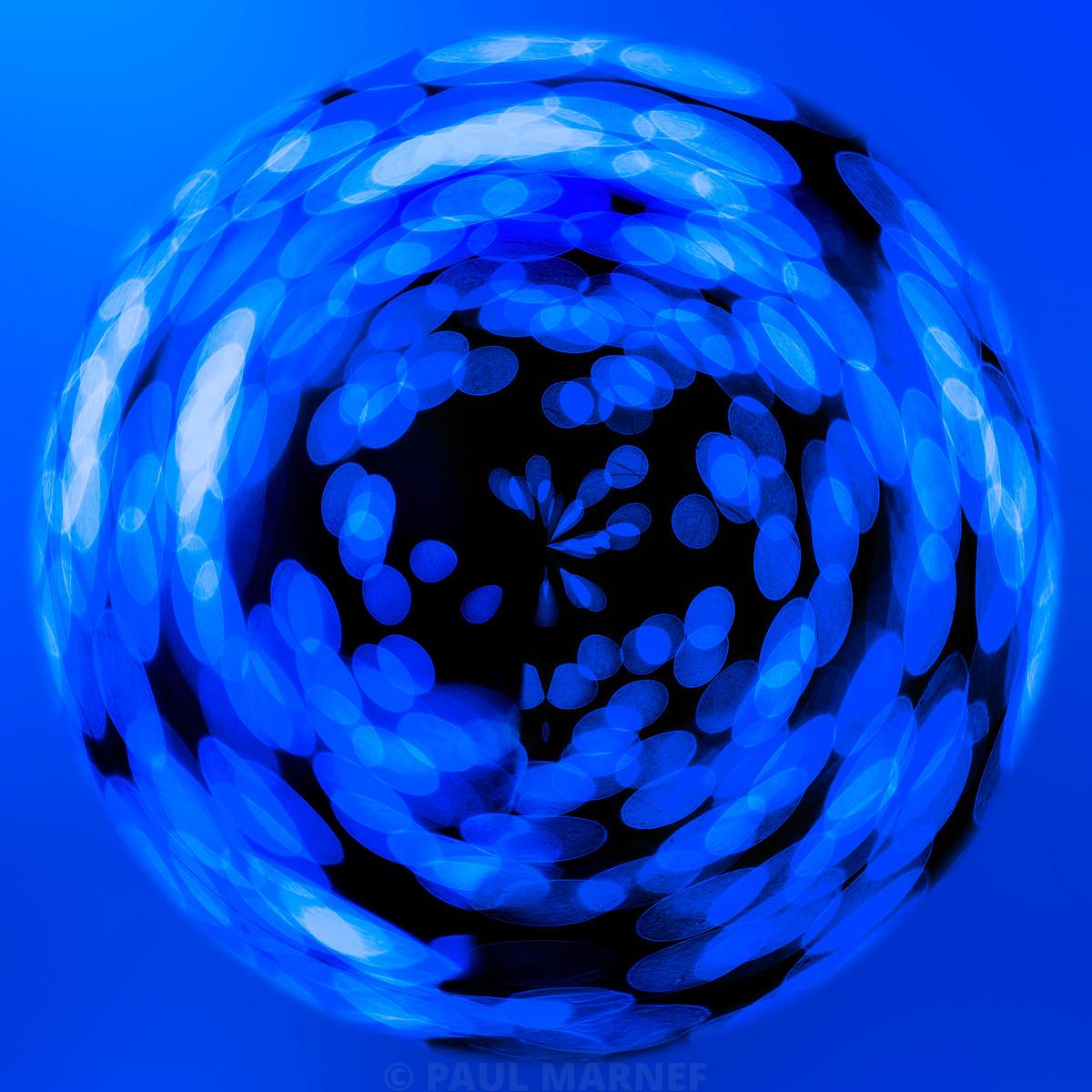
Air Bubbles
-
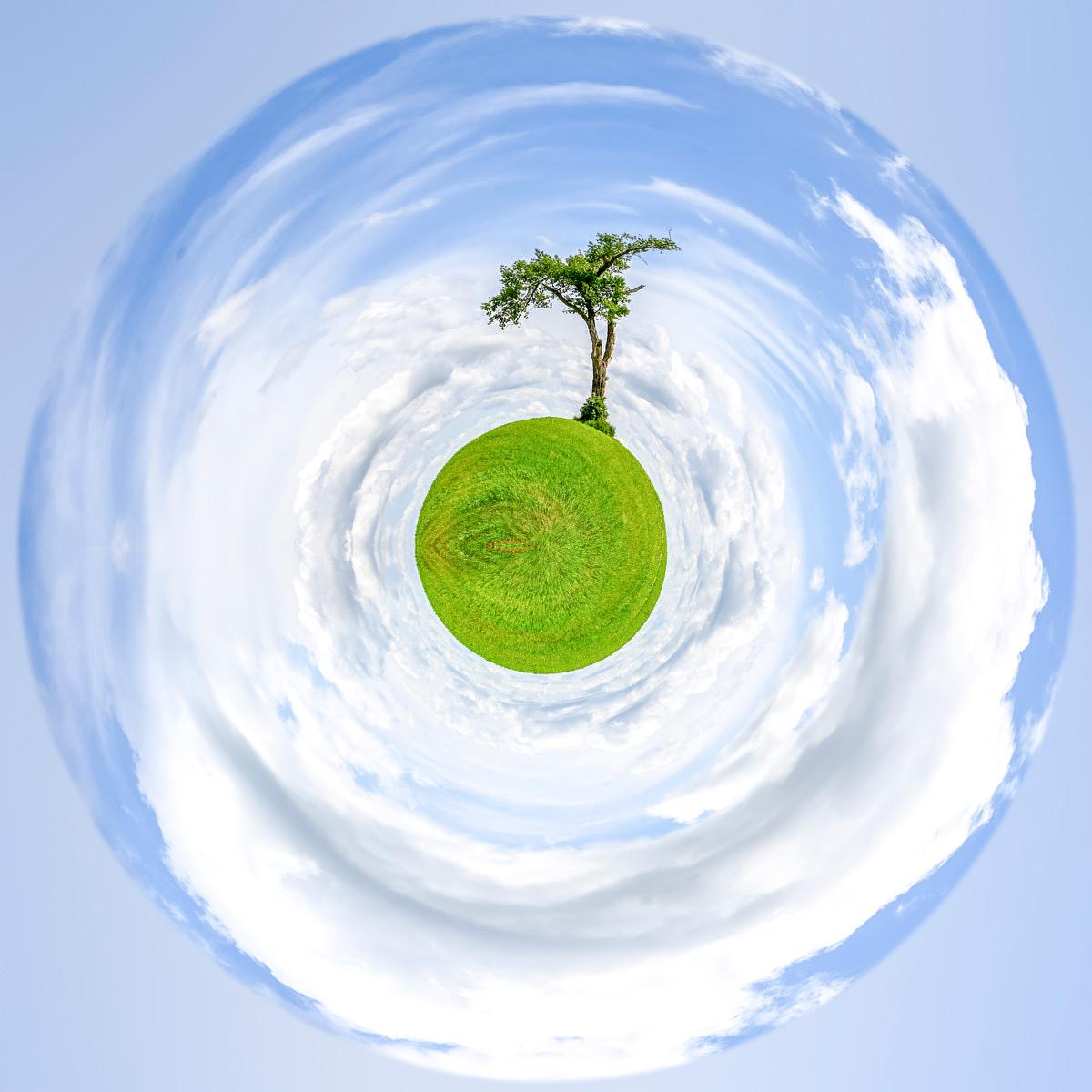
The Guardian of the Prairies
-
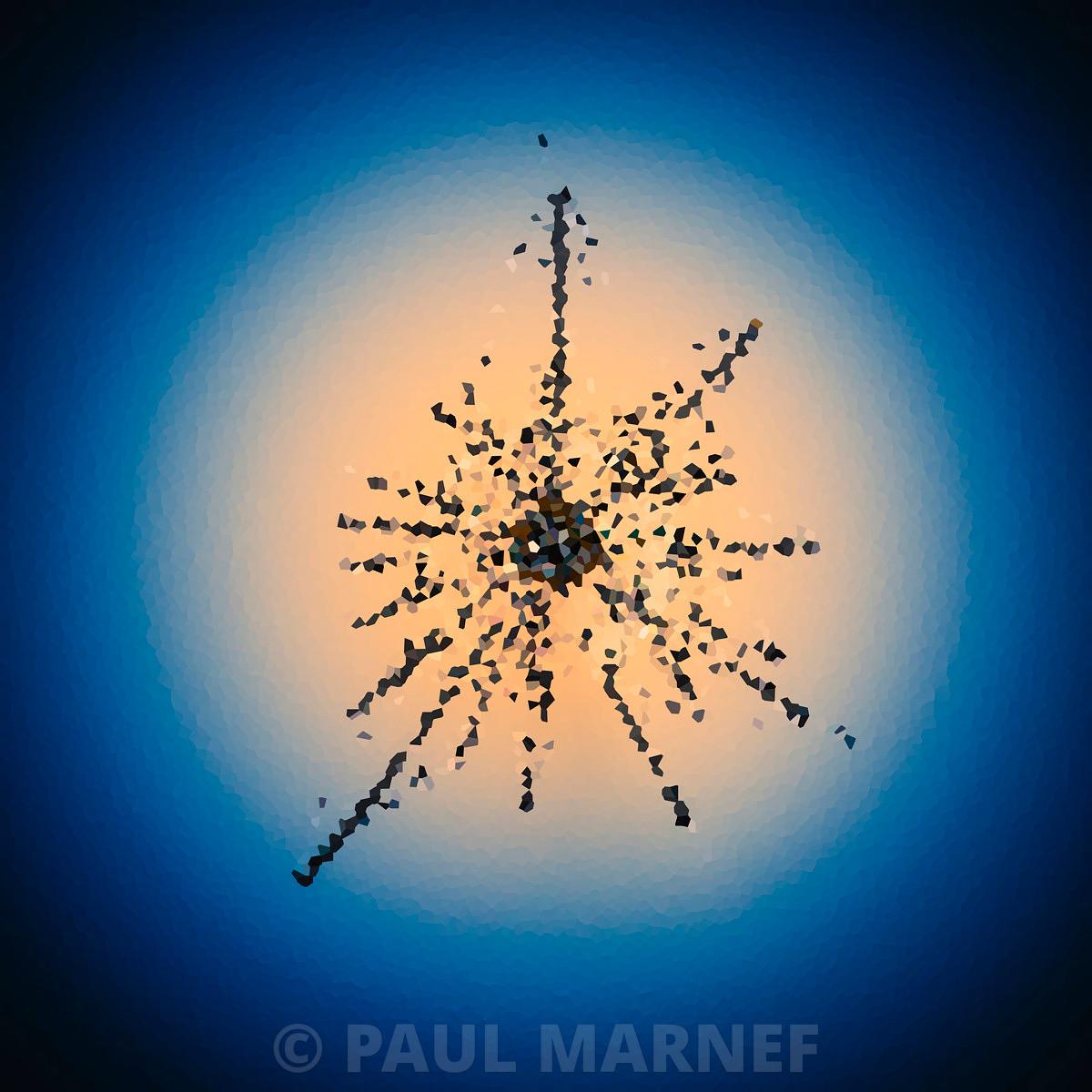
Weightless Masts
-
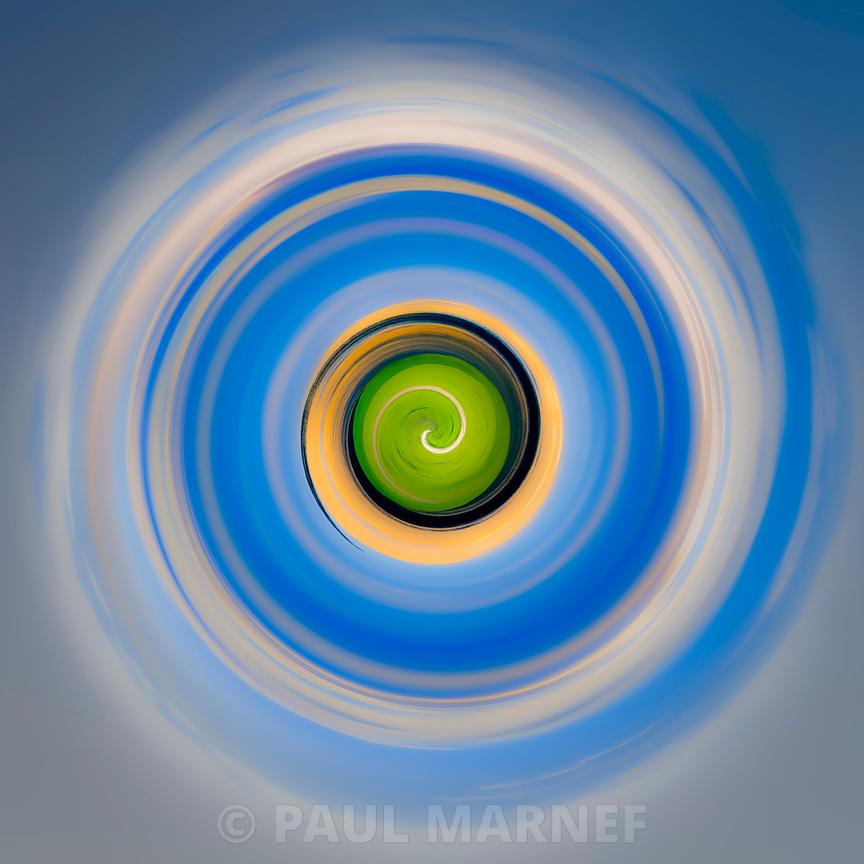
The Garden of the Sky
-
Point of Convergence
-
Echoes of the Cranes
-
Regatta
-
Sand, Sea and History in Orbit
-
Woven Light
-
Dark Radiance
-
The Station Bins
-
The Foam of the Day
-
Spirals of the Cathedral
-
Imprints of Time
-
Guardian of the Blue World
-
Rapeseed Breath
-
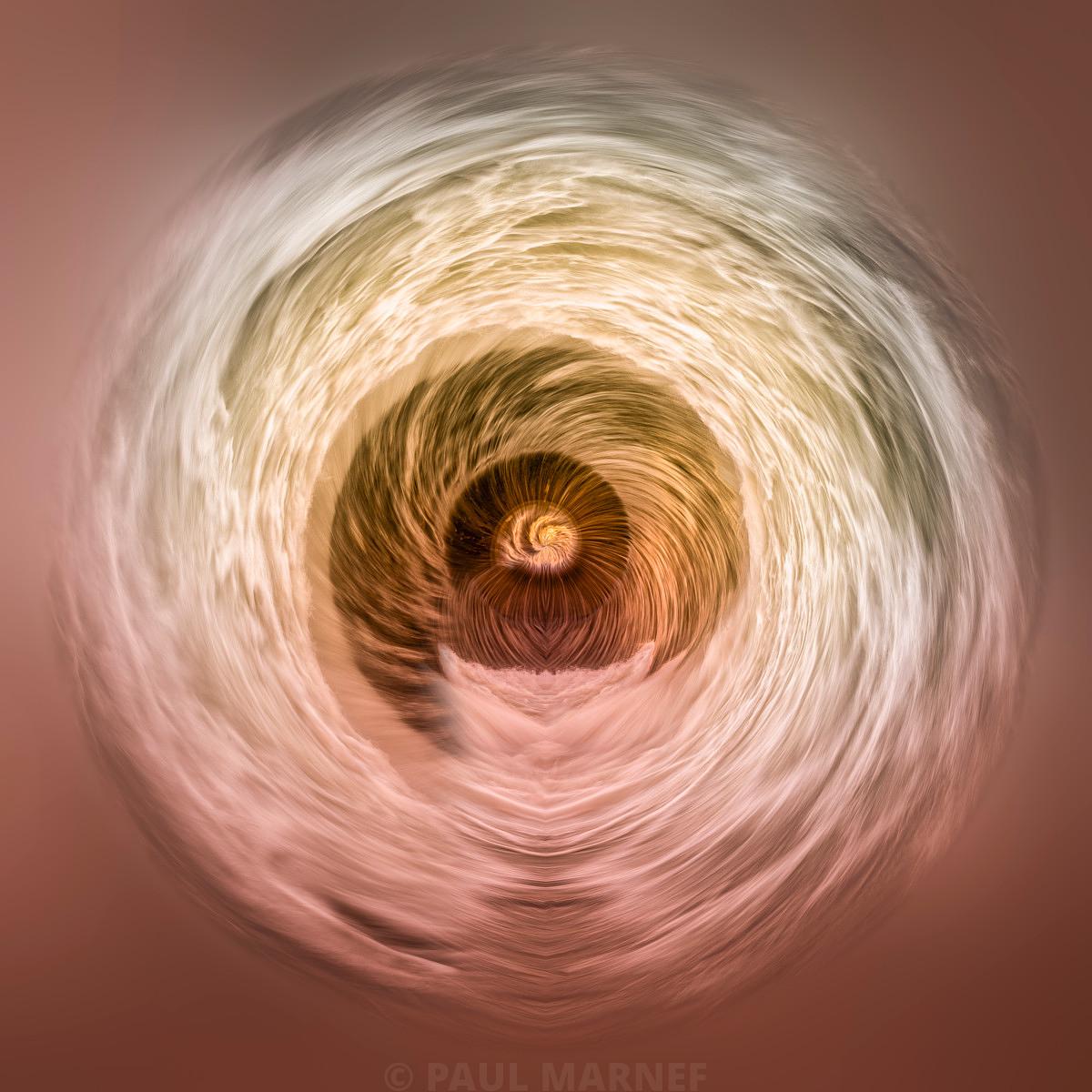
Reflections of a Twilight
-
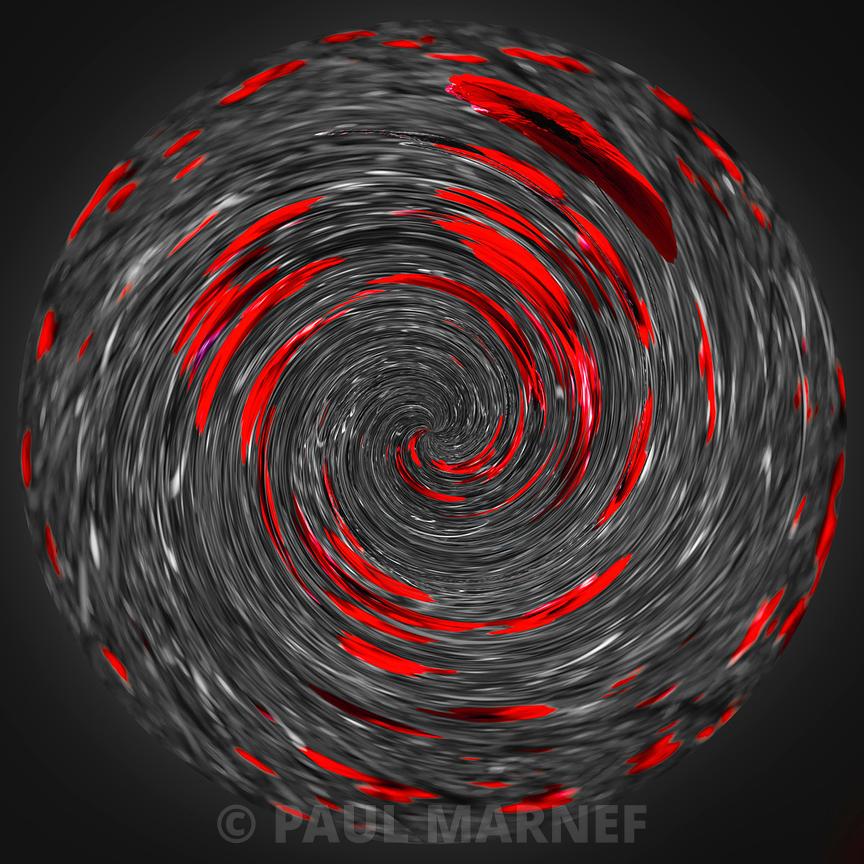
Red Whirlwind
-
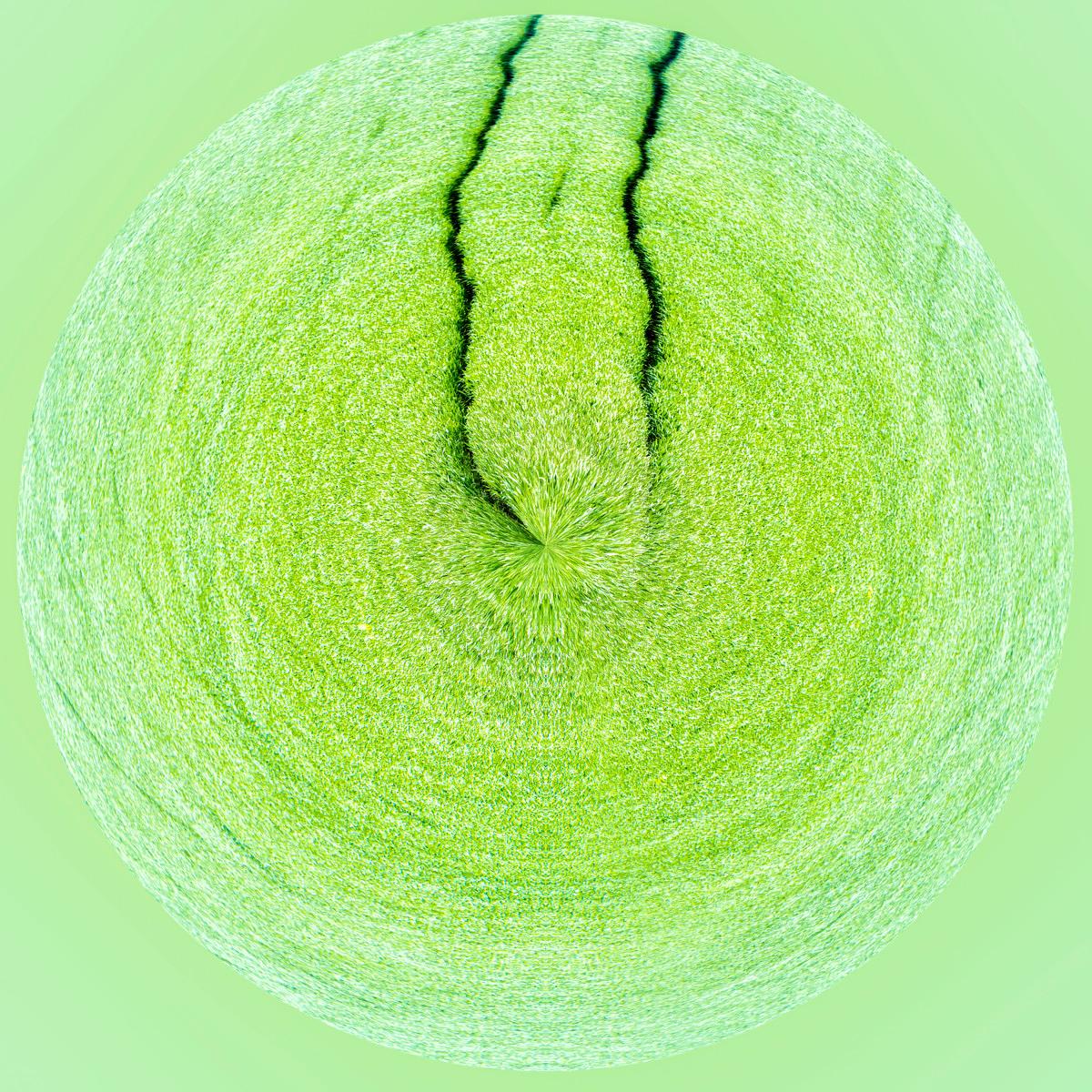
This Way
-
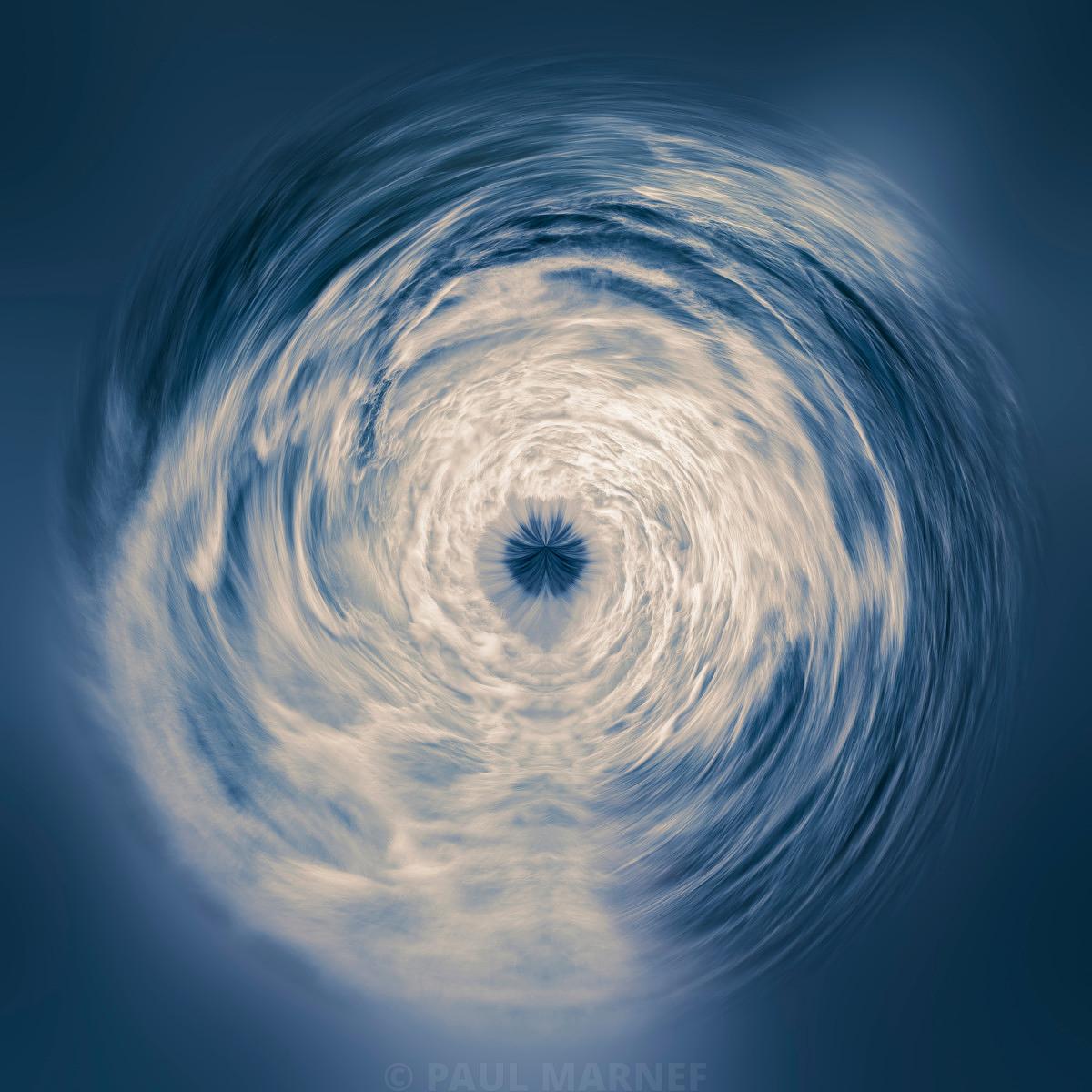
The Mysterious Garonne
-
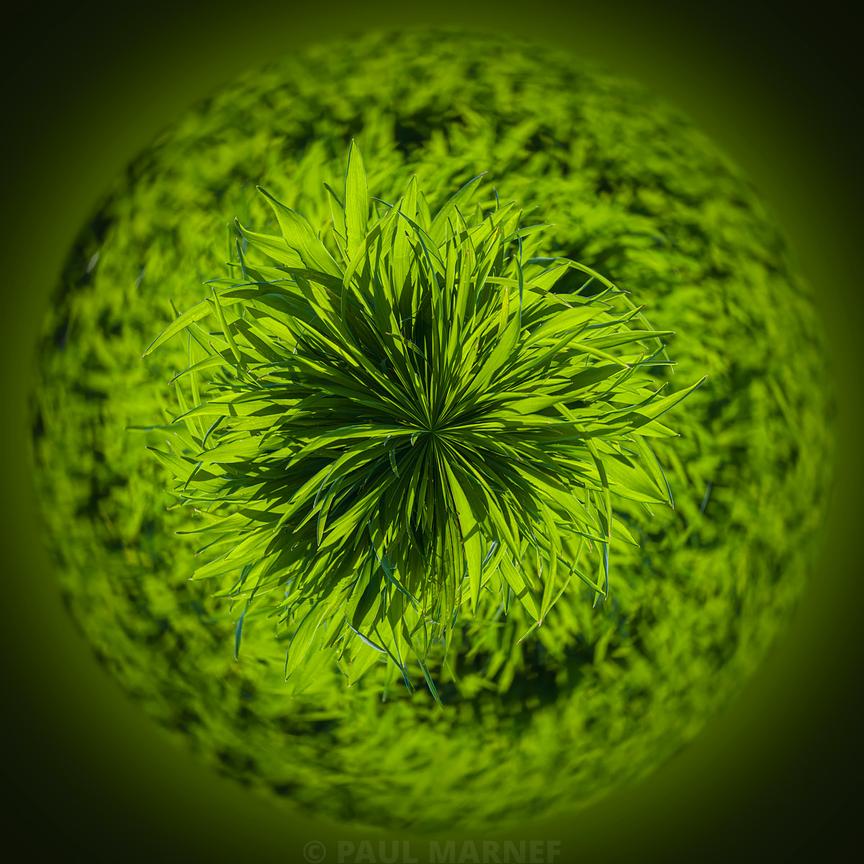
Vegetal Radiance
-
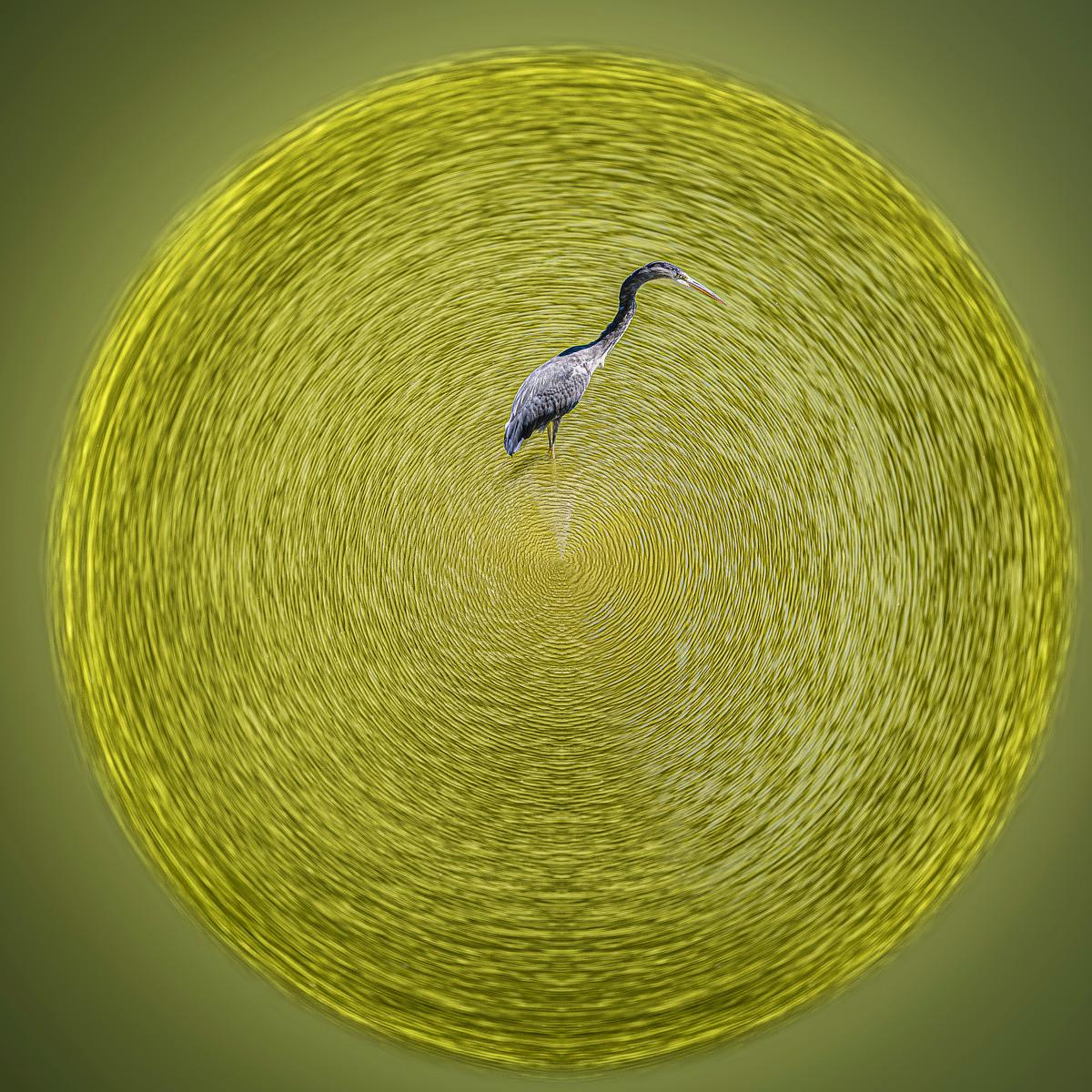
The Wave Traveler
-
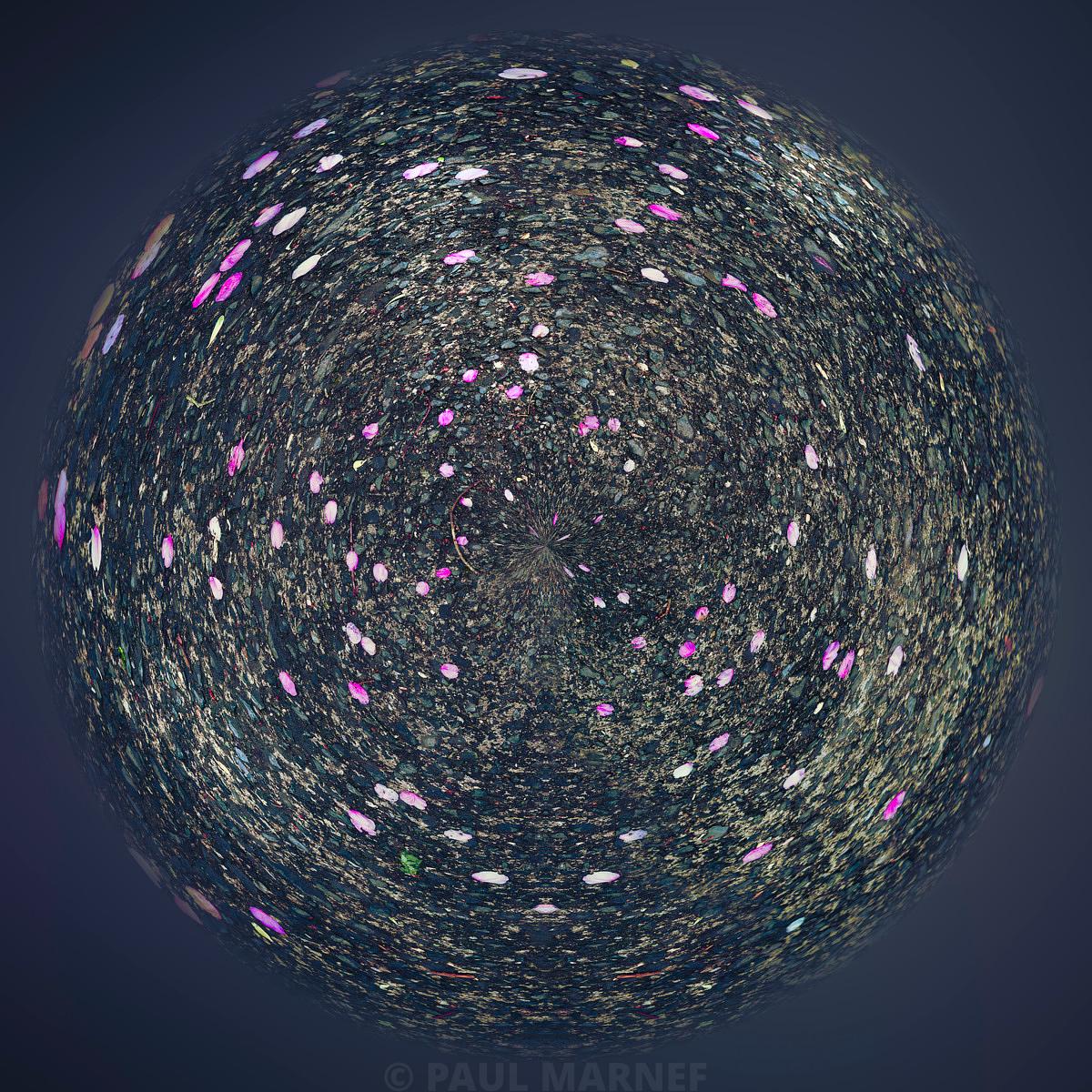
Hanami
-
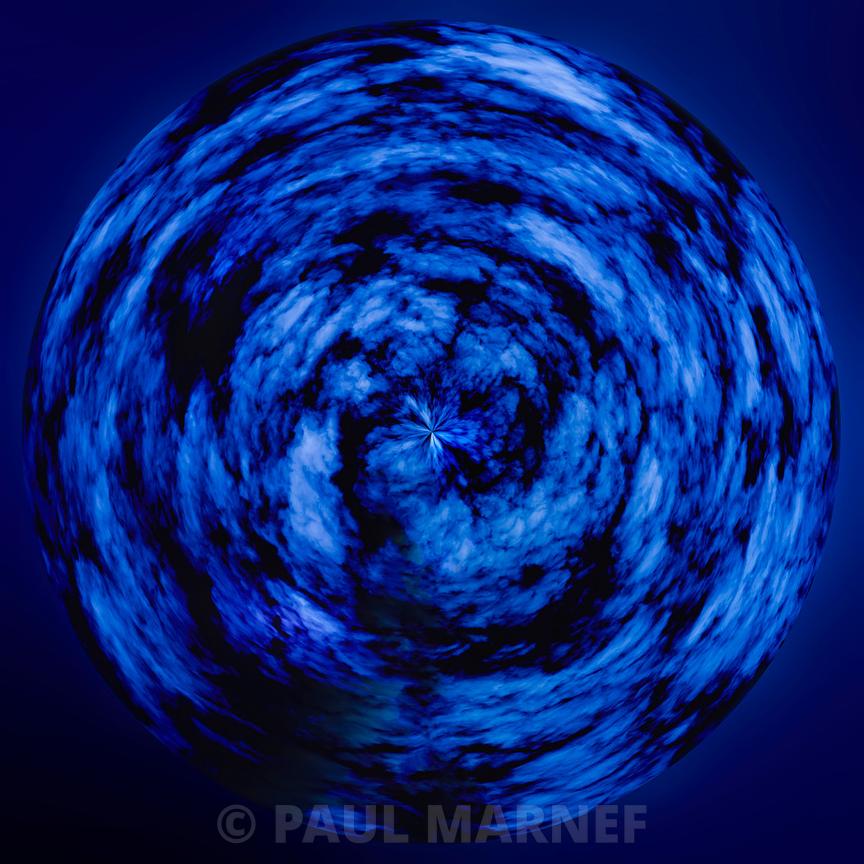
The Pull of the Sky
-
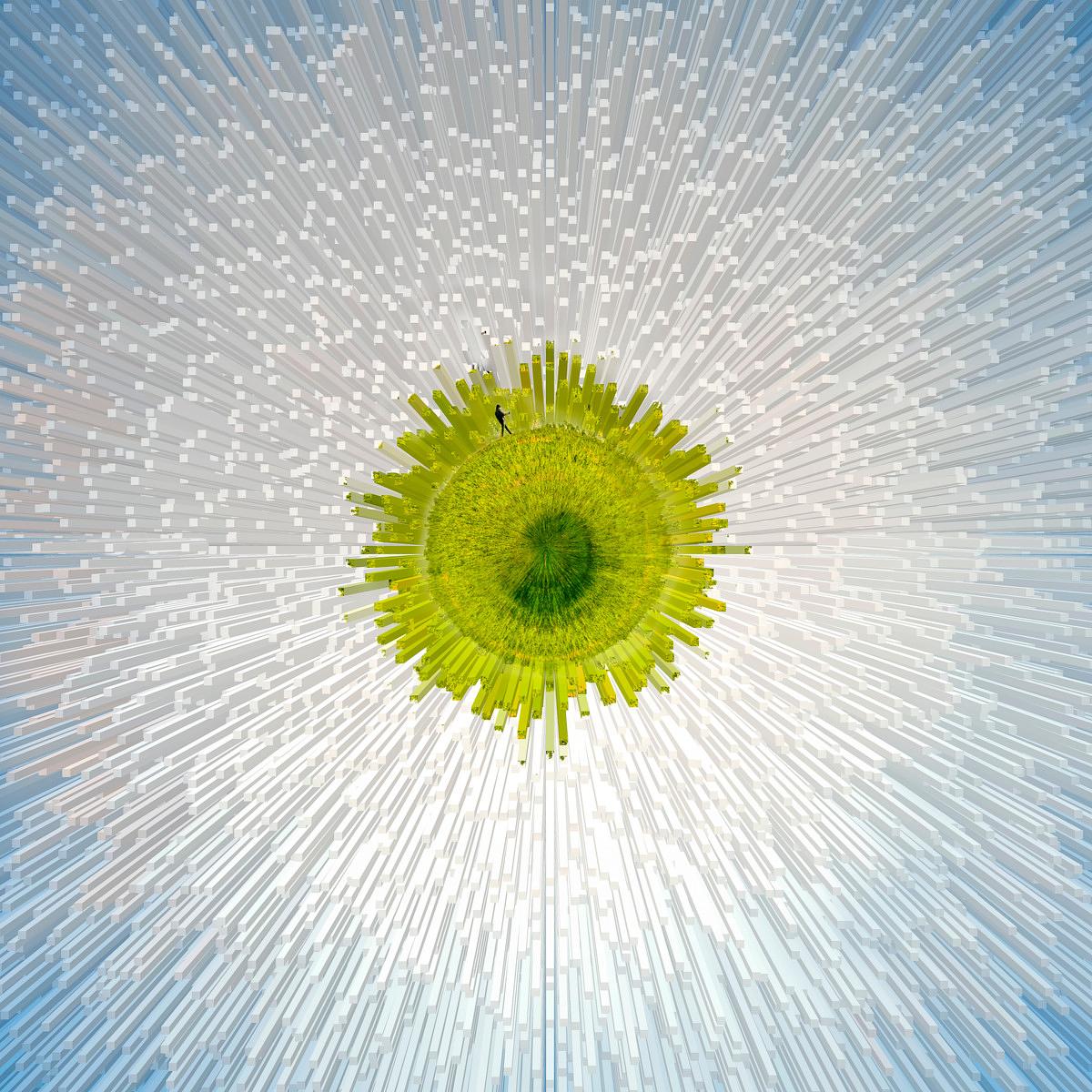
The Astral Walker
-
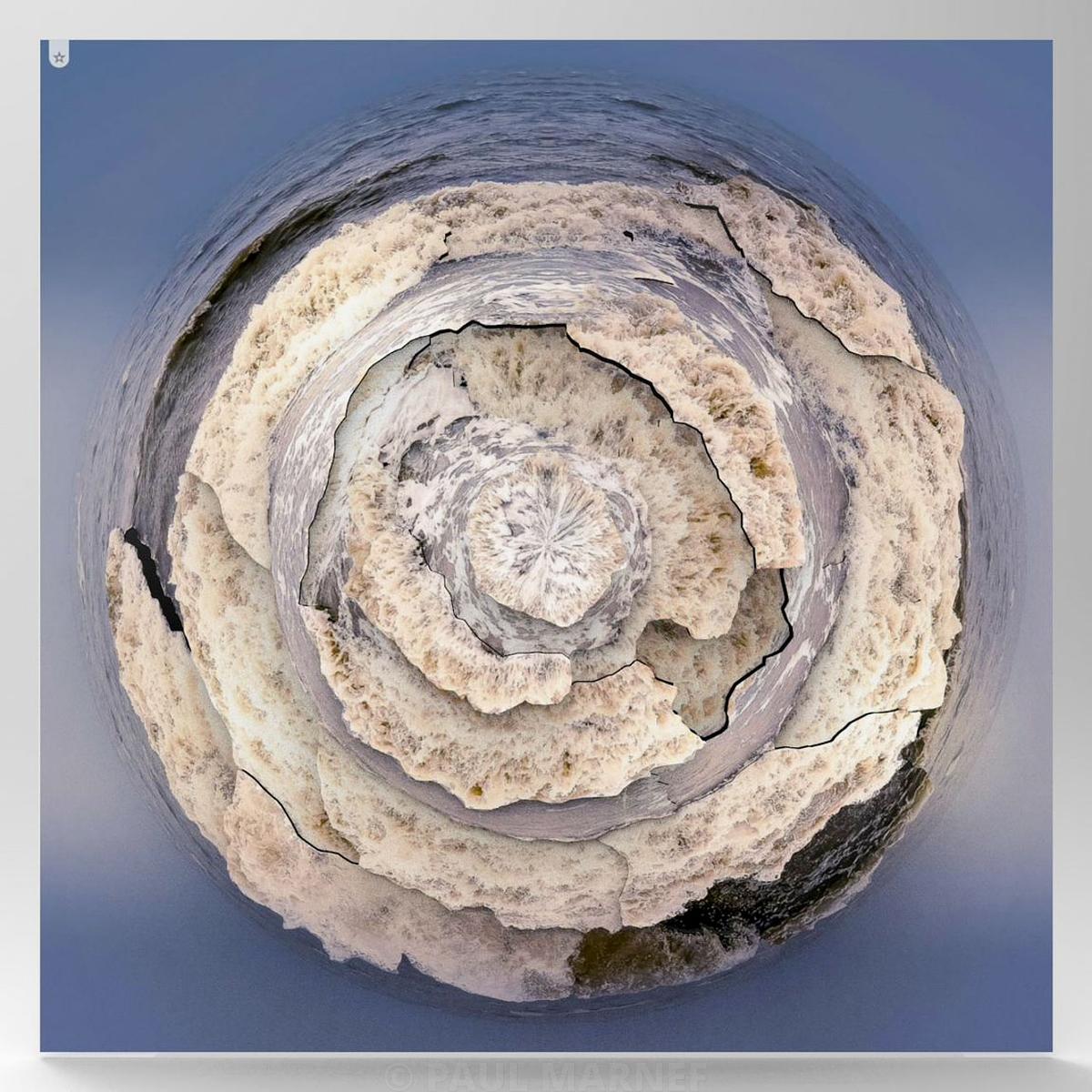
The Wave – 3D Artwork
-
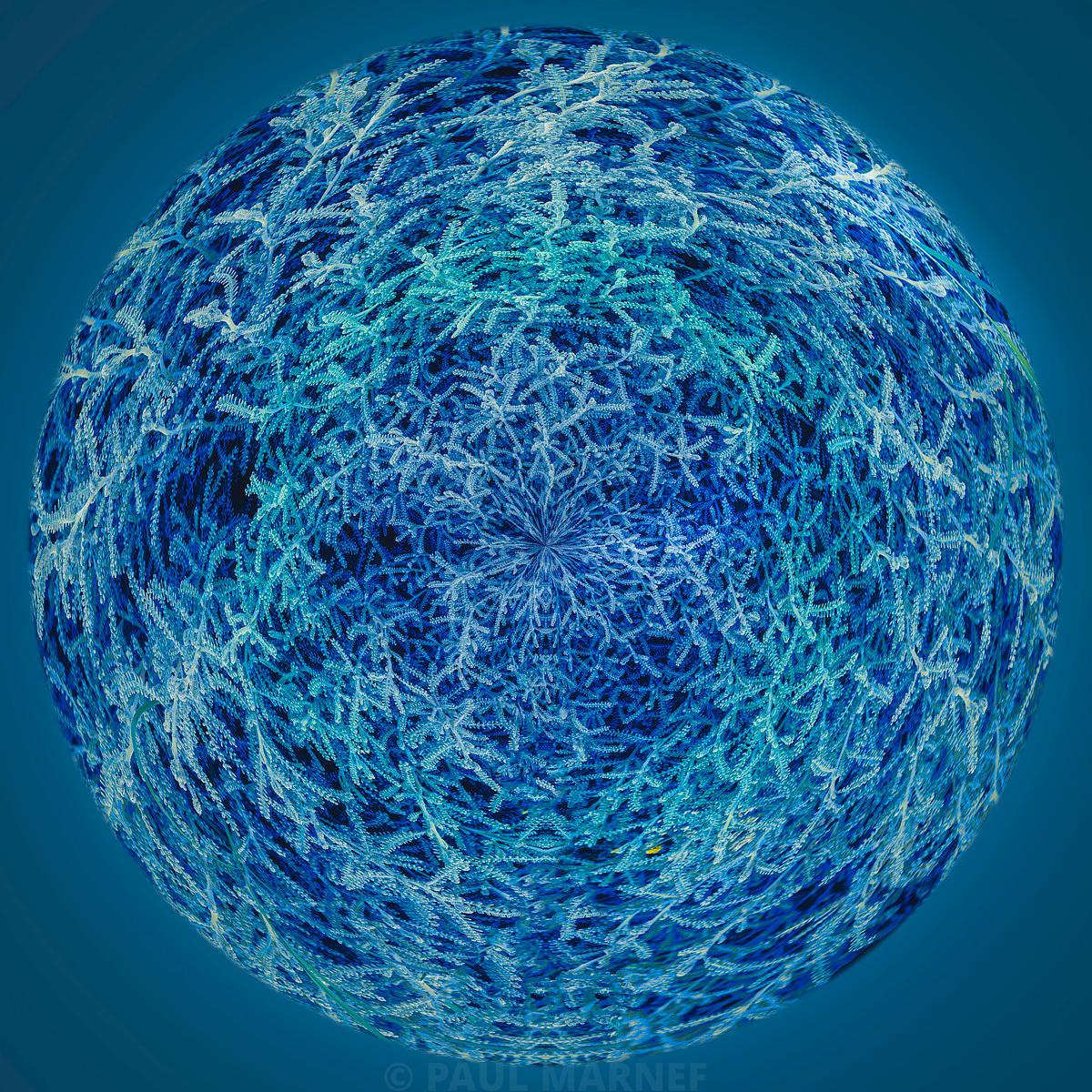
Eternal Blue
-
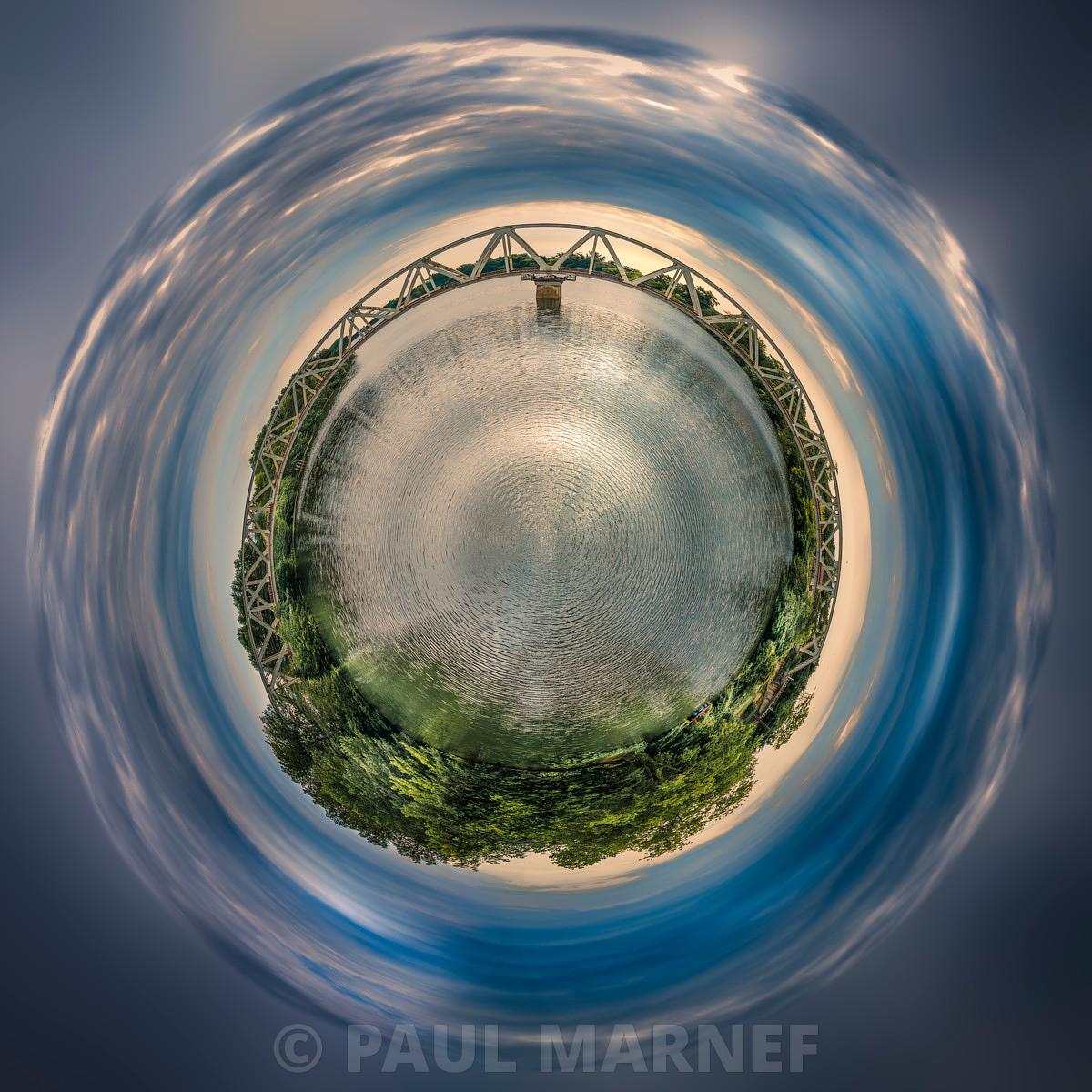
The Circle of Passages
-
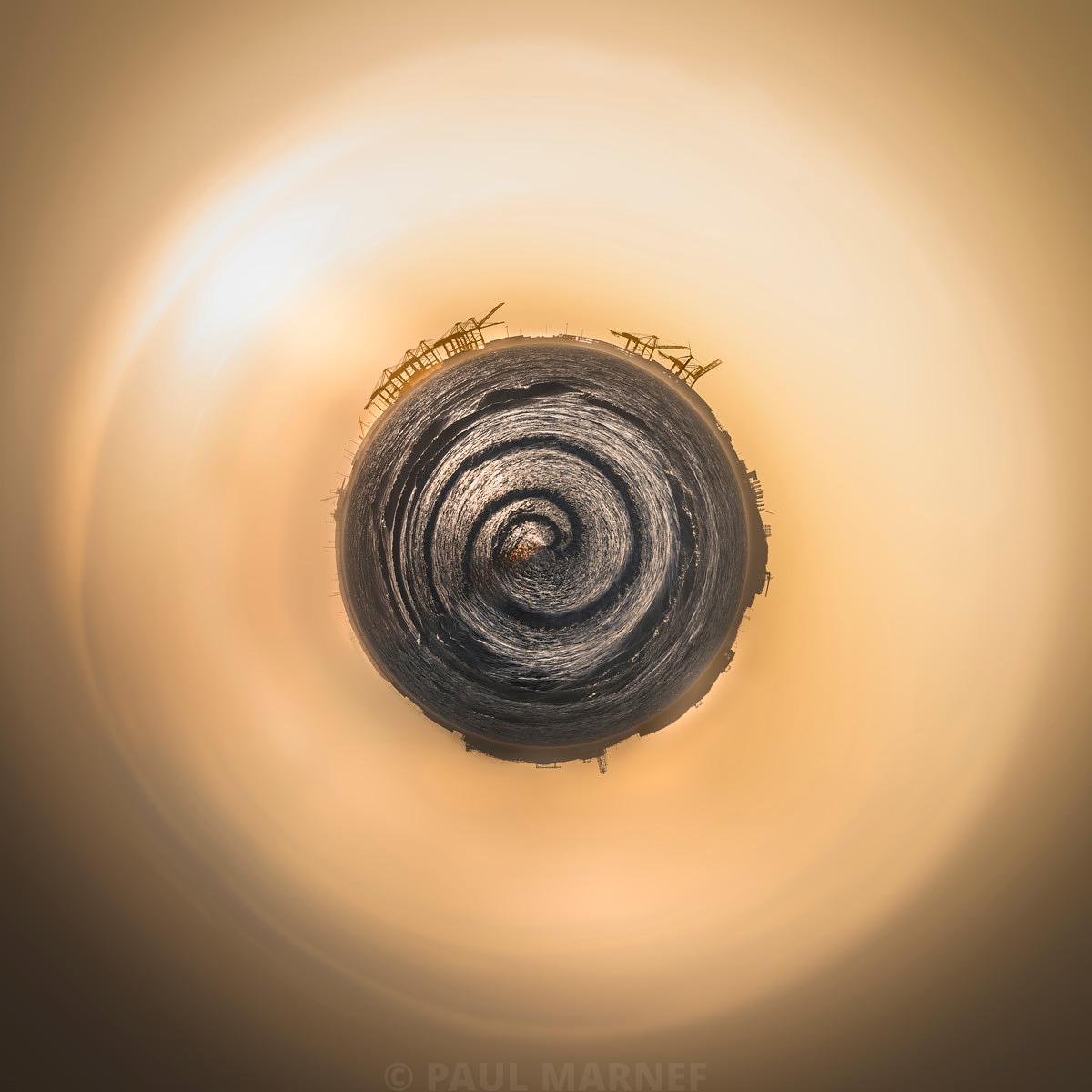
Harbor Swirl
-
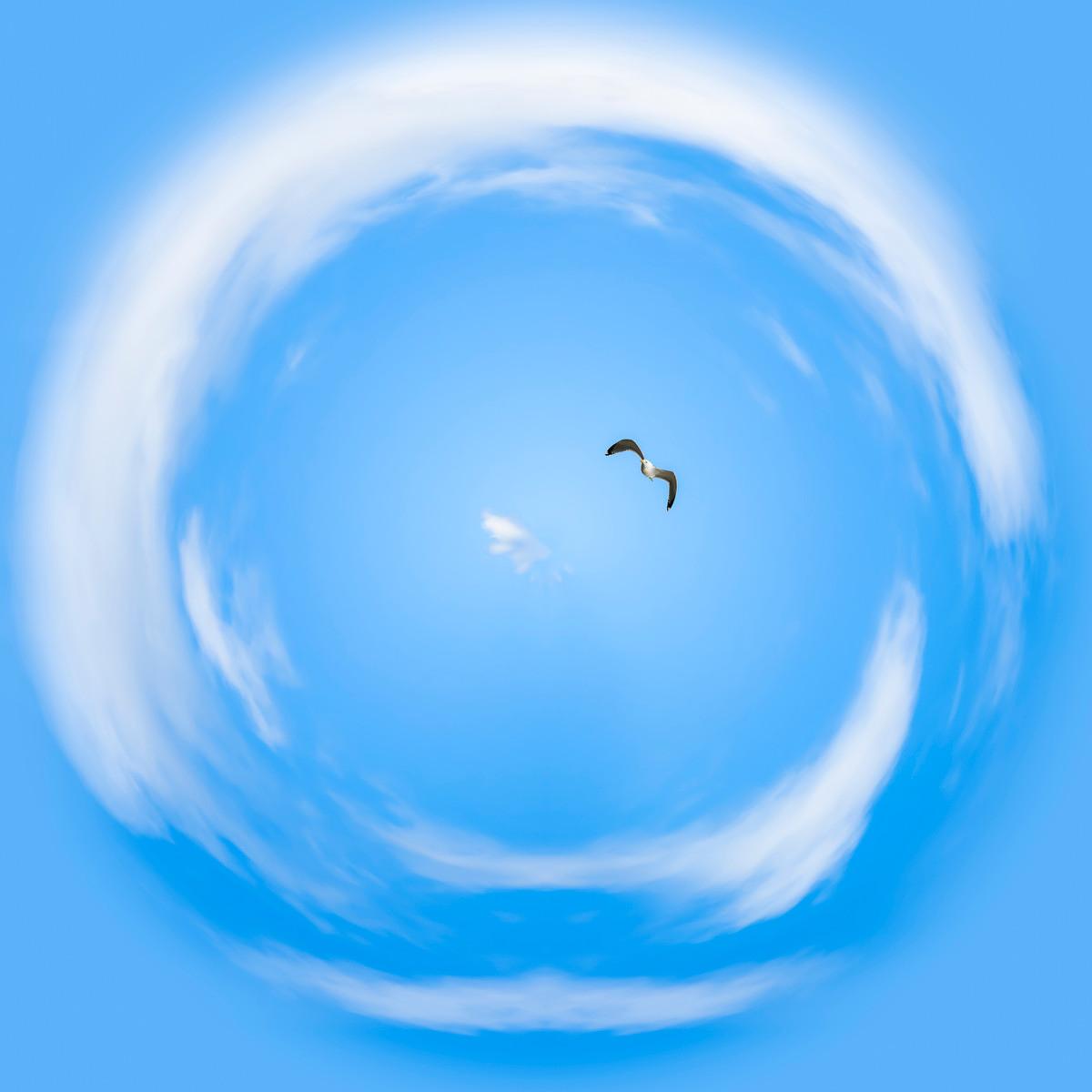
Free
-
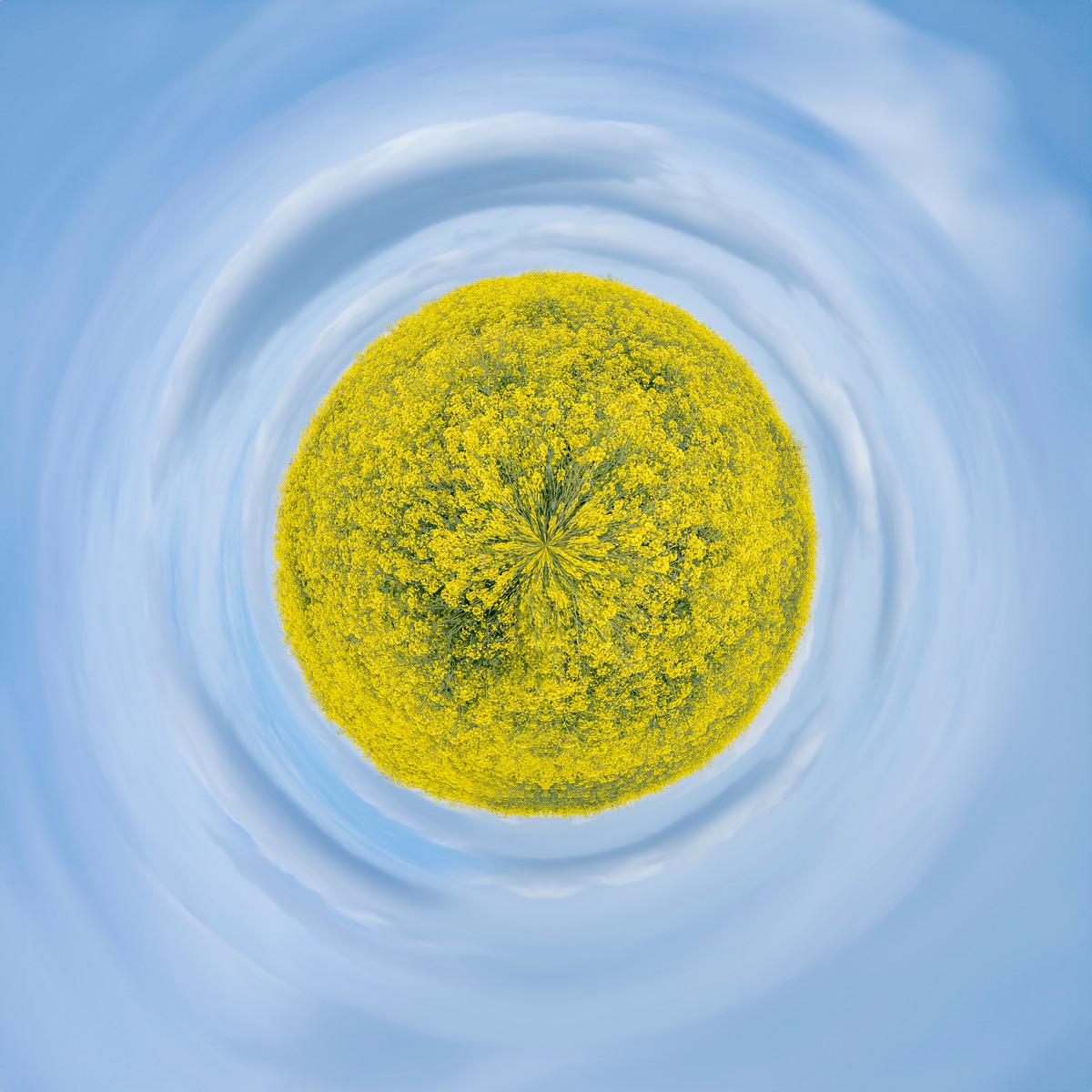
Colza Planet
-
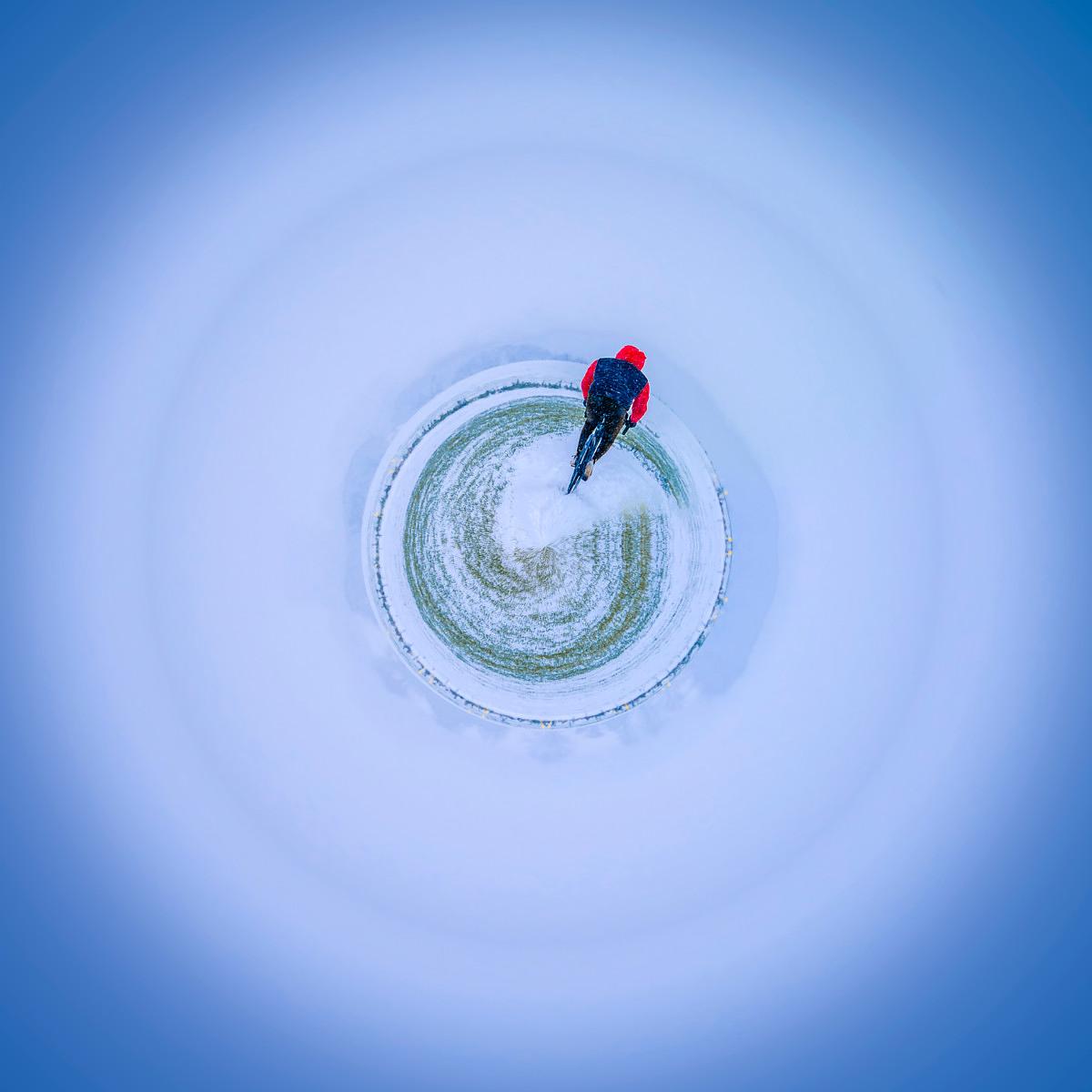
Almost There
-
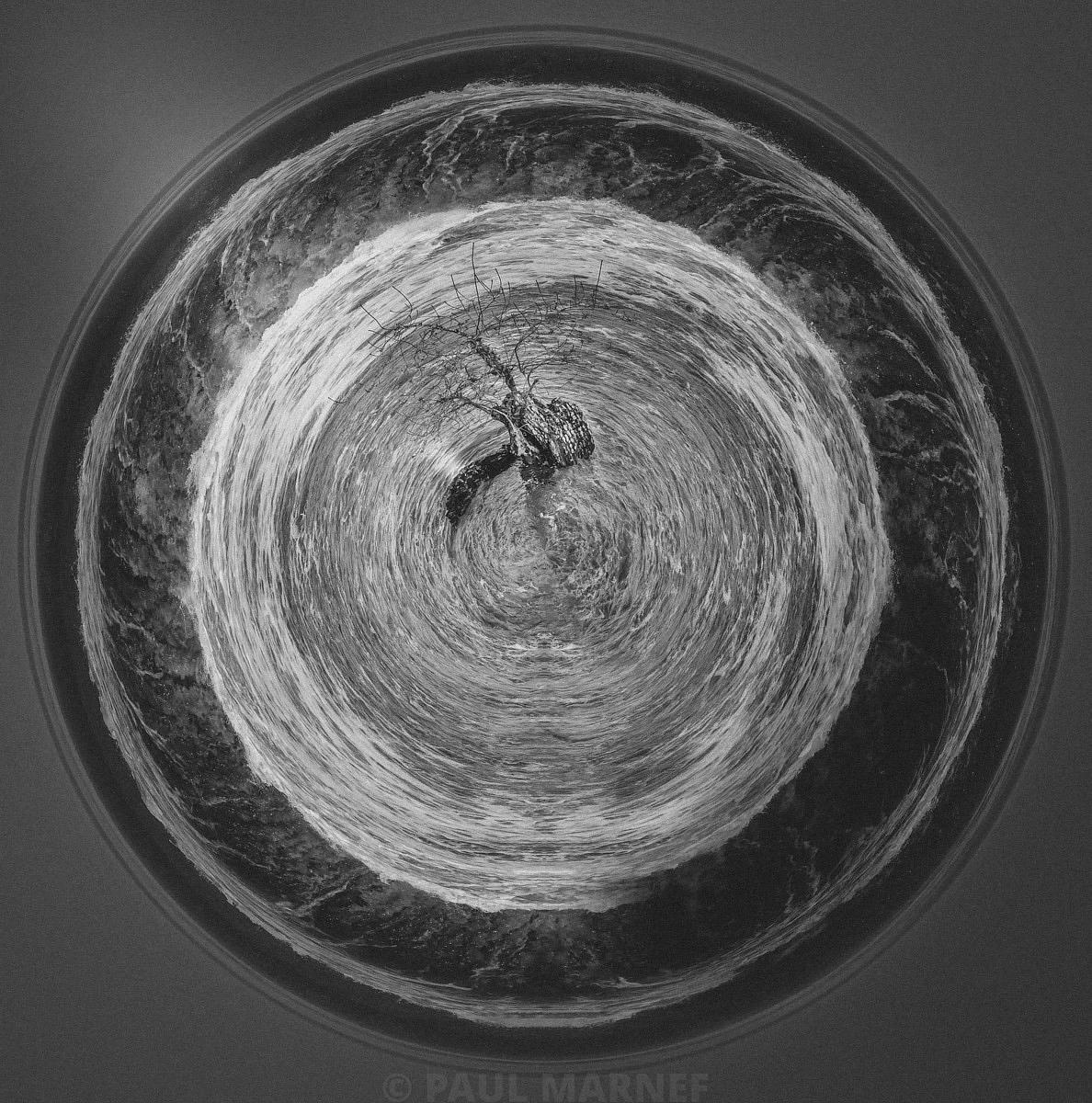
The Carried Away Tree
-
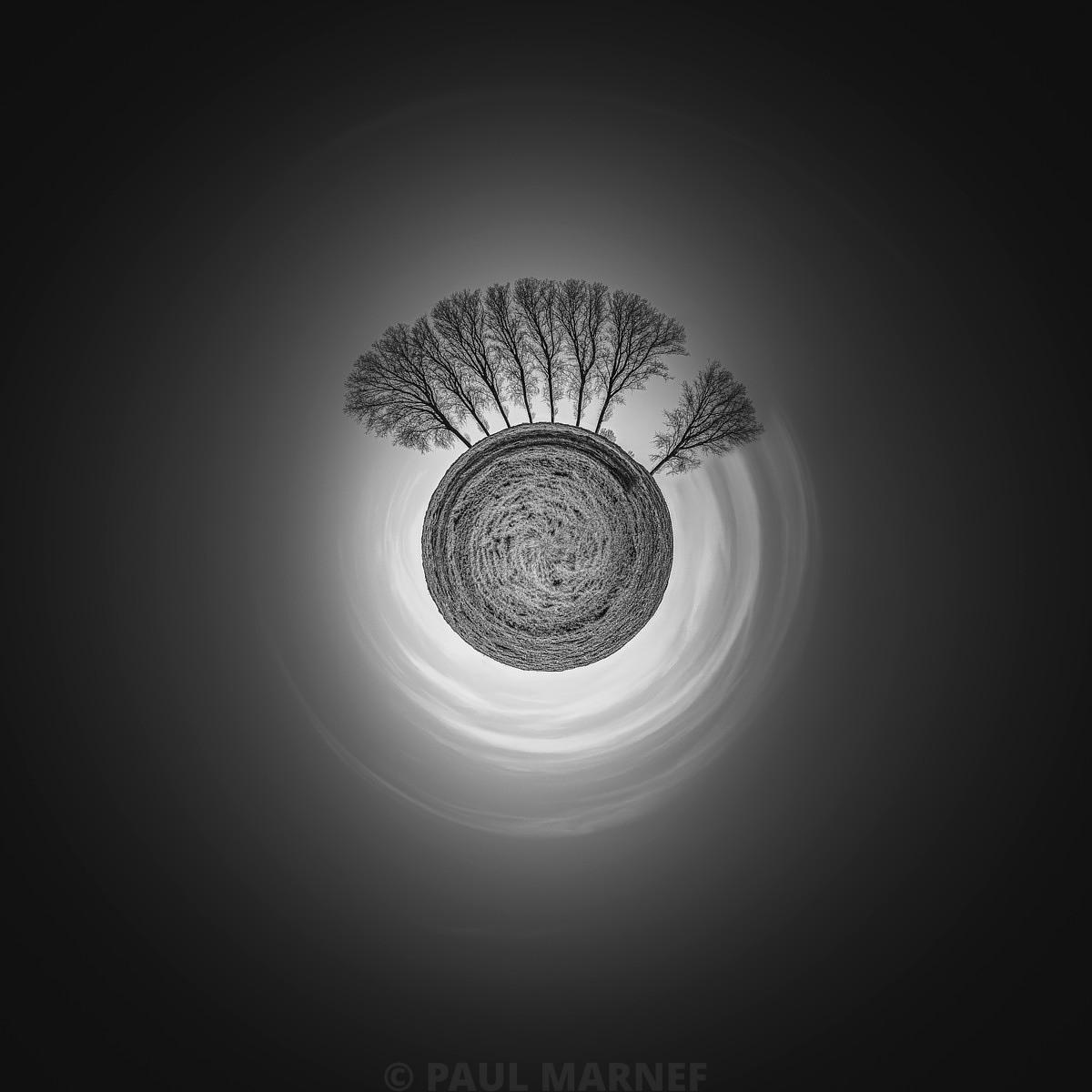
Rolling Horizon
Exploring movement in my photographs
A photograph can suggest movement without being blurred. A trajectory, a diagonal line or the repetition of a pattern is sometimes enough to direct the eye. In my work, movement stems as much from the subject being photographed as from the way the forms are arranged after processing. The image remains still; our interpretation, however, continues to flow.
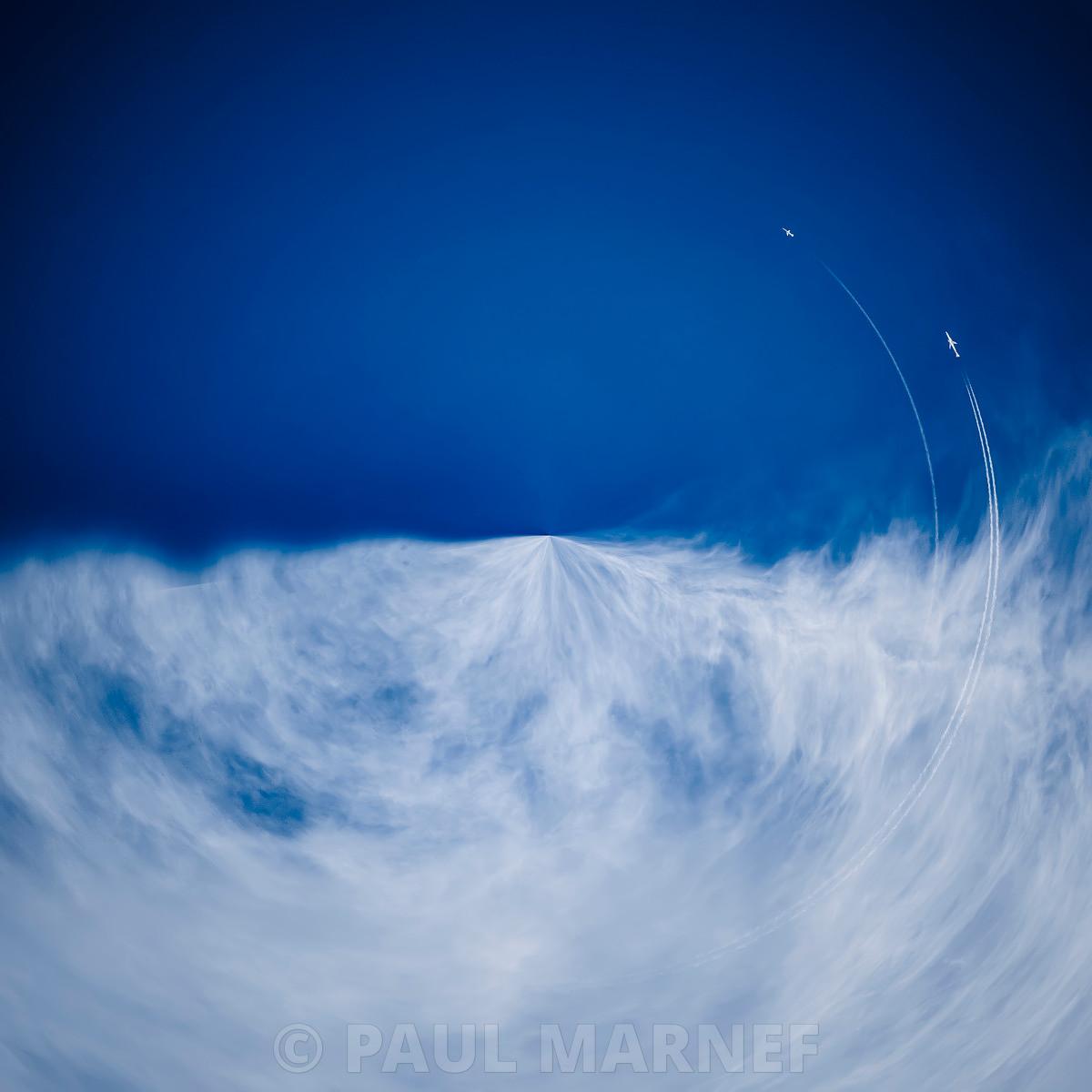
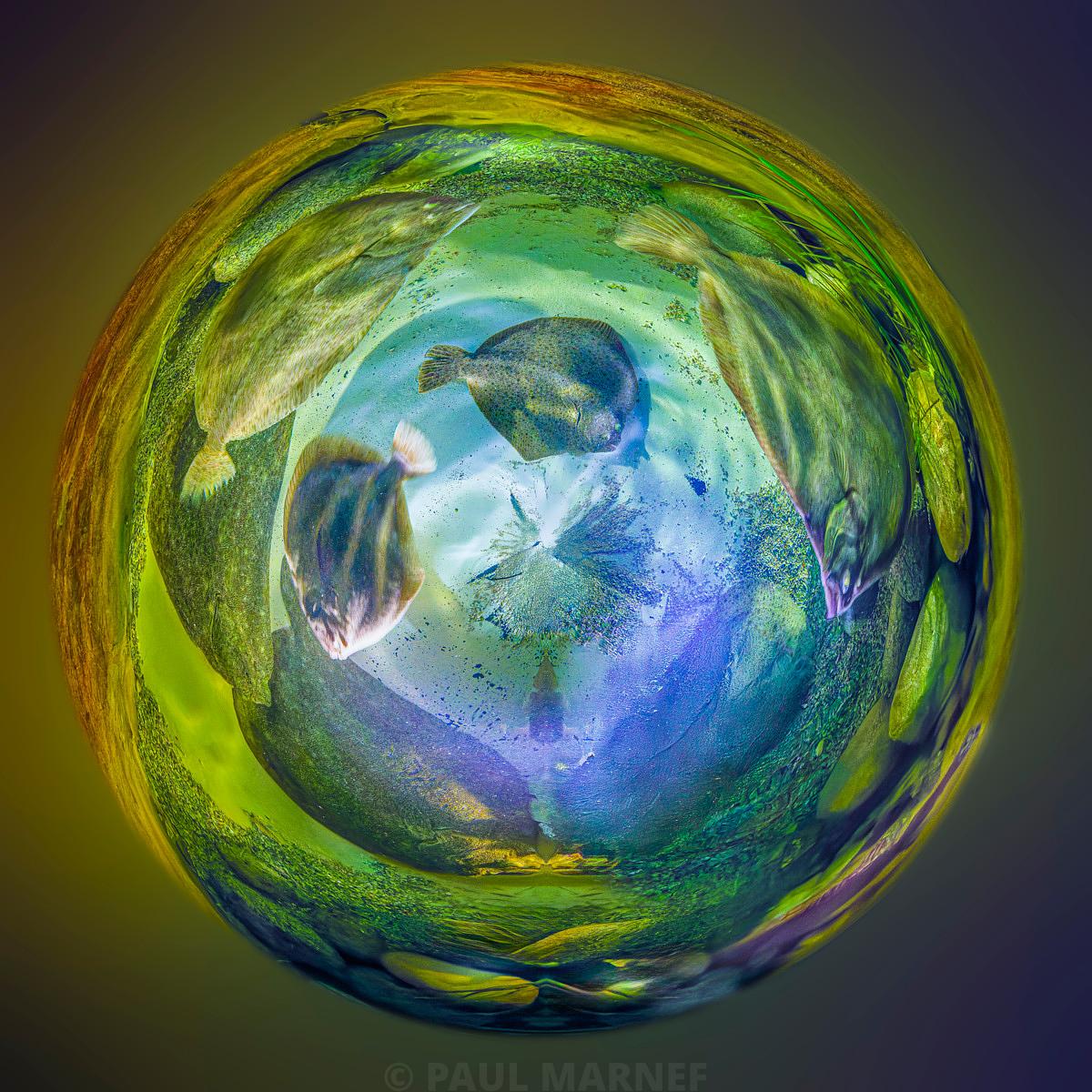
The Ballet of the Skies traces the curves of two aeroplanes above the clouds. Unappreciated Beauties depicts flatfish gliding through a world of water, light and shadow. In Pearl of Water, a water hyacinth occupies the centre of a floral vortex. Movement can therefore be observed in living subjects, suggested by a trajectory, or constructed by the composition itself.
This gallery explores movement as a subject within the visual arts and photographic creation. How can one suggest action in a still photograph? How do framing, lines and contrasts lend rhythm to the image? My works offer several answers, ranging from the movement of an animal to the momentum created by the arrangement of forms.
Guiding the eye through a still image
A photograph freezes a moment in time, yet its composition can imbue it with a sense of ongoing energy. Lines guide the eye, contrasts hold it in place and repetitions establish a rhythm. I love this paradox between the stillness of the print and the sense of movement one can perceive within it.
In my circular compositions, reference points shift. The gaze may return to its starting point, drift towards a detail or follow a contour. The image is gradually revealed.
The Ballet of the Heights and the Trajectories of the Sky
The Ballet of the Skies depicts two aeroplanes whose curves are traced above the clouds. Here, the sky becomes a space of movement. This work explores movement through the trajectories and their relationships within the composition.
Getting out of the Vortex offers another interpretation, featuring a seagull above a celestial whirlwind. Both photographs invite the viewer to follow certain directions, yet each does so with its own unique balance.
Natural rhythms and photographic transformations
Movement can also be suggested through the arrangement of forms. In Regeneration, an autumnal forest is reimagined as a circle. The transformation of the landscape lends a new dynamism to the trees and colours.
As a Belgian photographer, I link this exploration to a personal approach: starting from reality to bring forth other perceptions. The themes ‘Vegetation’ and ‘Abstraction’ allow these transitions to be traced through complementary selections.
Trajectories, repetitions and rhythm in a still image
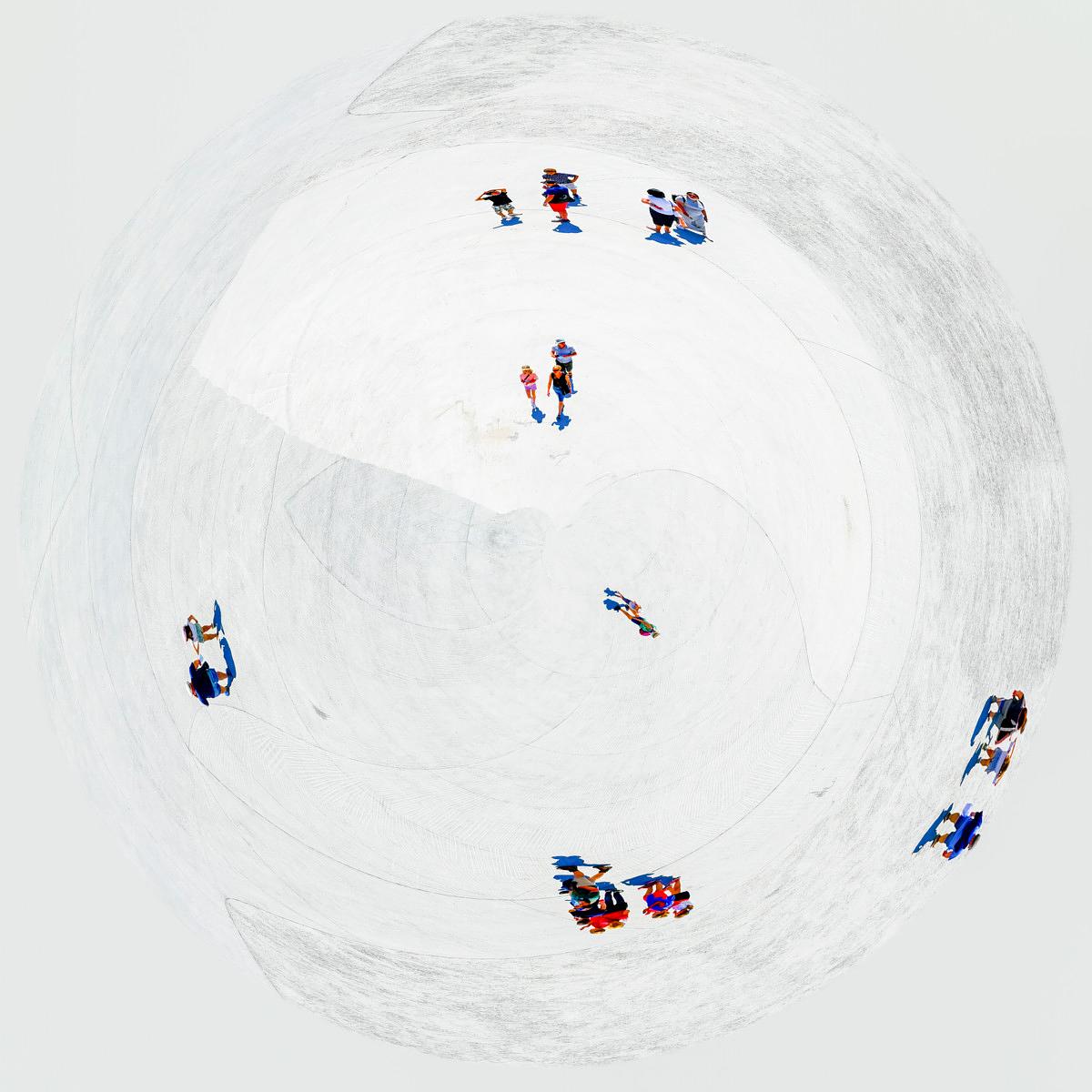
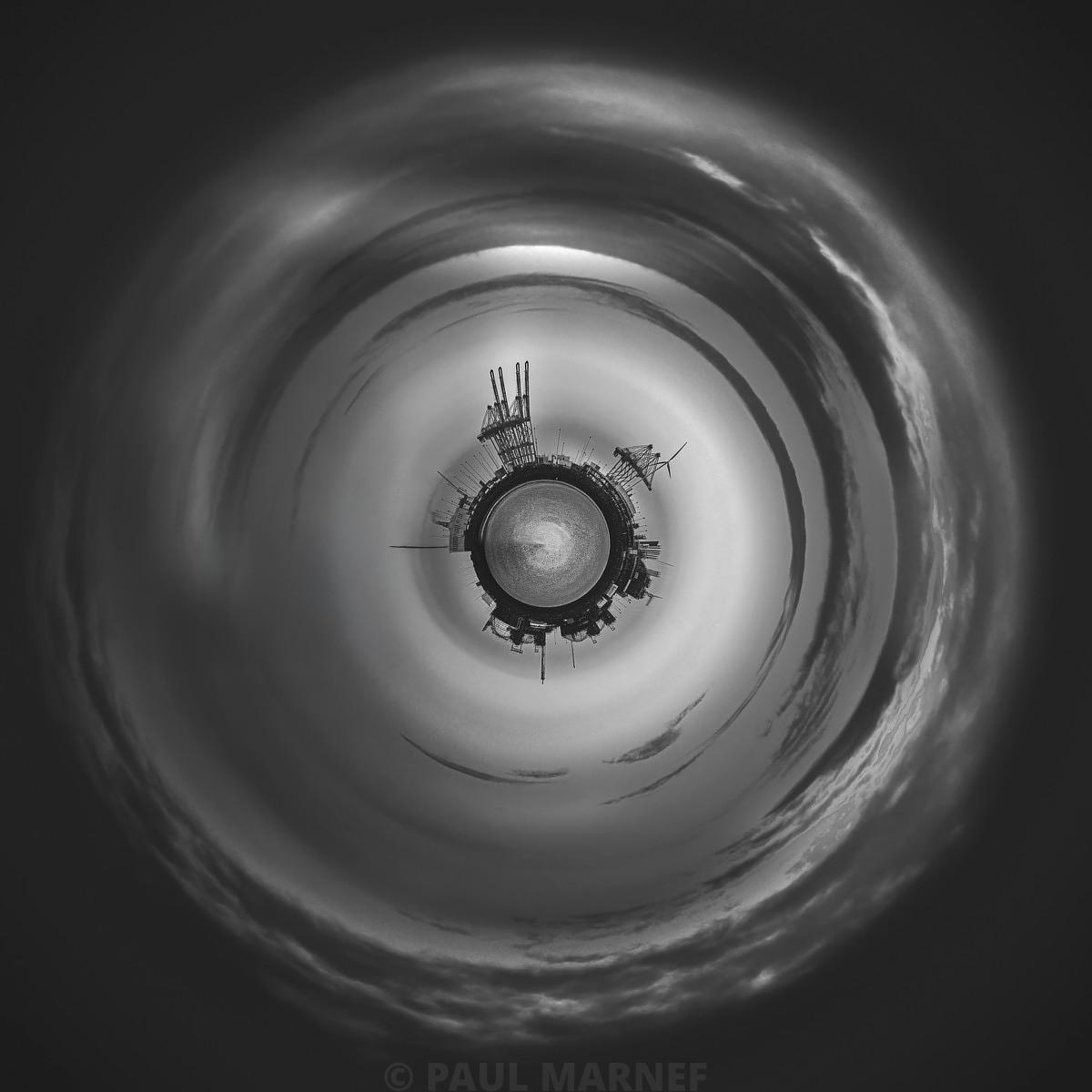
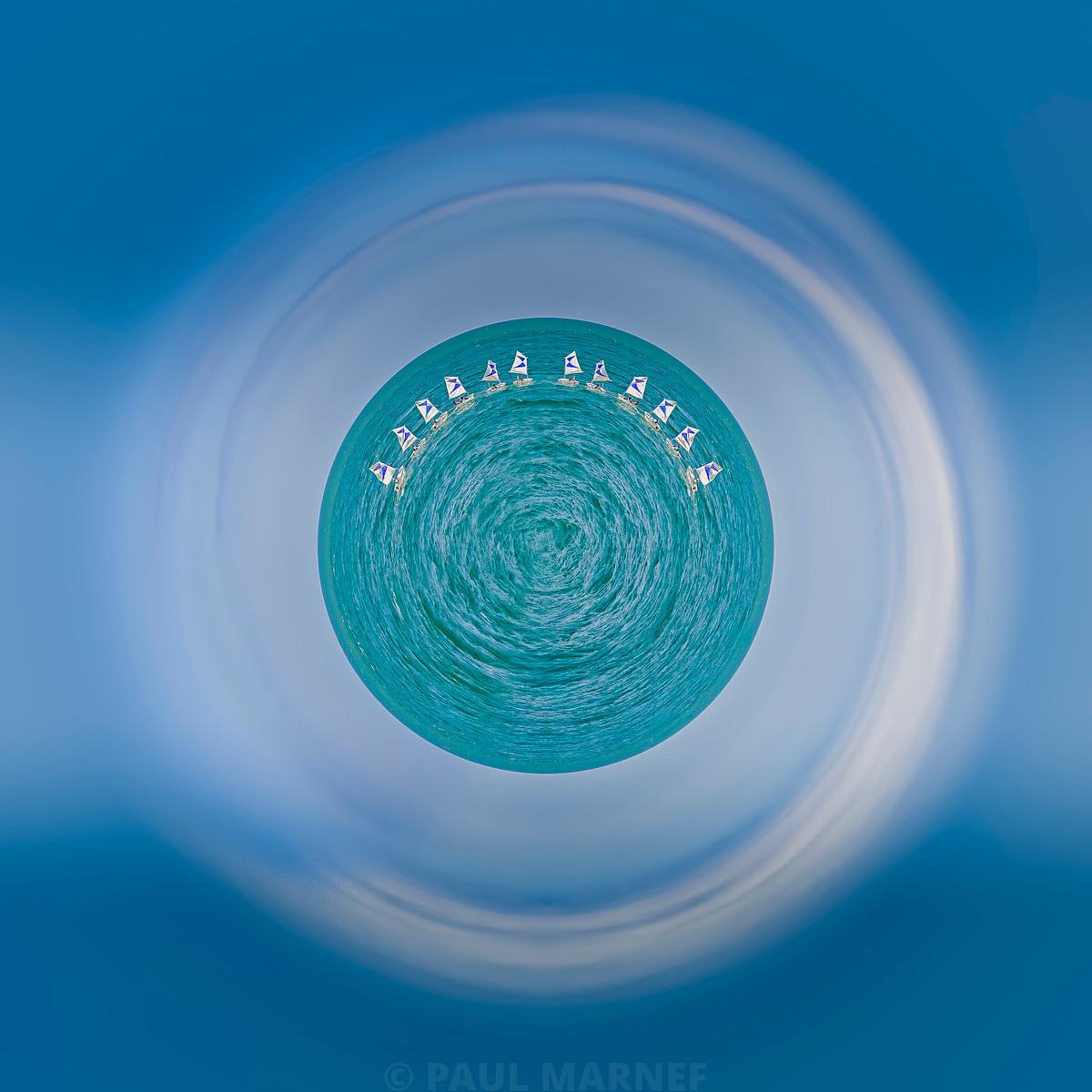
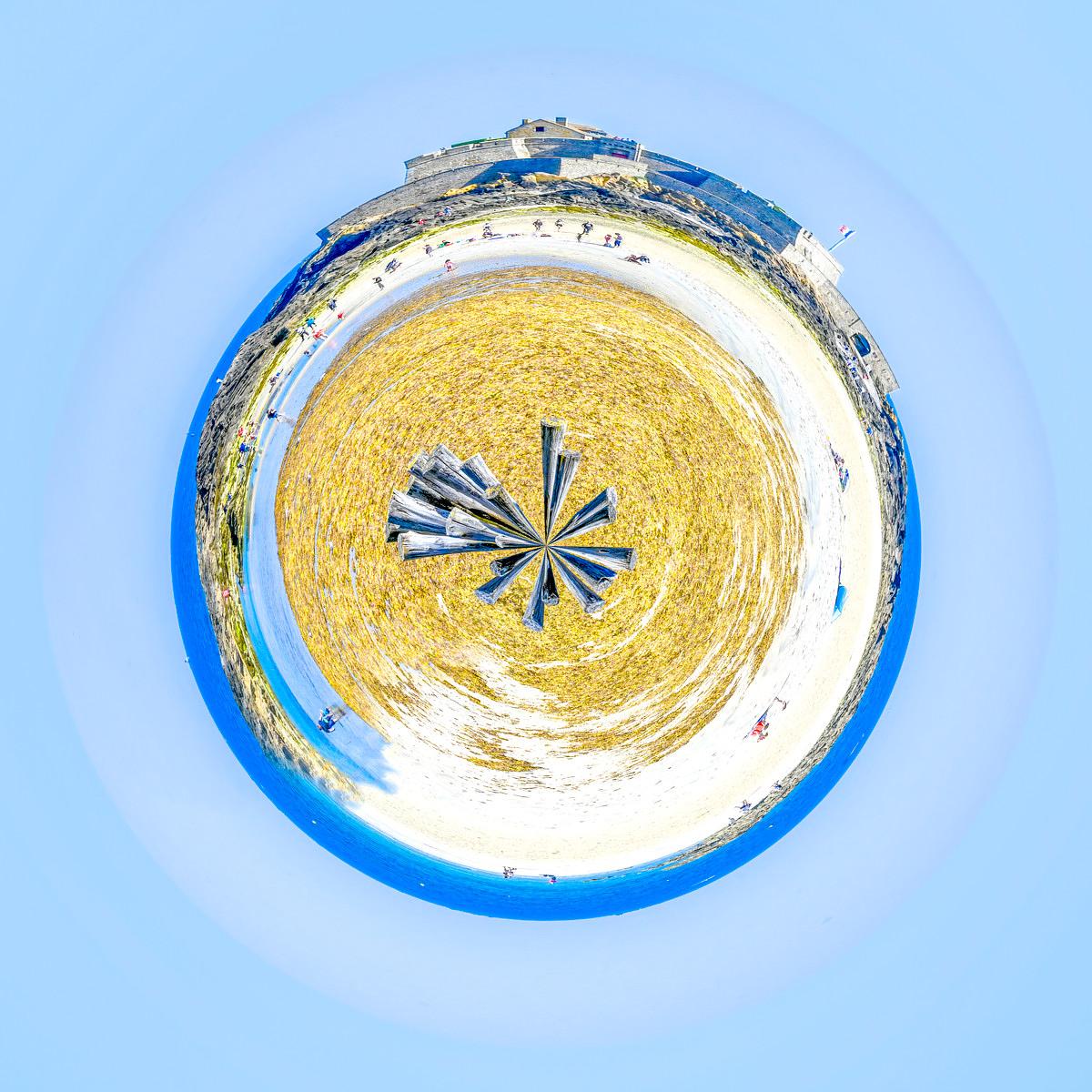
The eye spontaneously follows certain directions. A curve may draw it back towards the centre, a diagonal may lead it towards the edge, and a repetition may invite it to continue its journey. I enjoy exploring this flow in the Imaginary Planets series. The circular composition transforms the landscape’s usual points of reference and allows for multiple ways of interpreting the same photograph.
In contemporary photography, movement is not confined to the subject’s speed. A sense of flight or suspension can arise from the relationships between the photographed forms. In La Perle d’Eau, the contrast between a central presence and the floral vortex invites us to observe the difference between the sharply focused flower that captures our attention and the patterns surrounding it. In Le Ballet des Altitudes, it is the aerial trajectories that give greater structure to the visual journey.
Motion blur and sharpness offer further ways to read an image, yet not every work in this selection employs the same means. I invite you to observe what each photograph actually reveals: contours, a direction, a tension or a rhythm. It is these differences that give the theme its richness, beyond the subject depicted alone.
From suggested movement to the experience of the work
When looking at a print, take the time to observe where your interpretation begins and what keeps it going. An image may seem calm at first glance and then reveal tensions or lines that you hadn’t noticed before.
Some information sheets also offer an augmented reality preview. This additional feature is provided where available; it is not intended to replace the experience of viewing the photograph itself. Click on the thumbnails to discover the works and the options for printing them.