
The limited-edition prints of Imaginary Planets give a physical presence to my photographic creations. This page details their edition, signature and finishing options. For each purchase, the artwork’s details page remains the reference for the dimensions and available edition options.
One original photograph, several framed copies from an edition
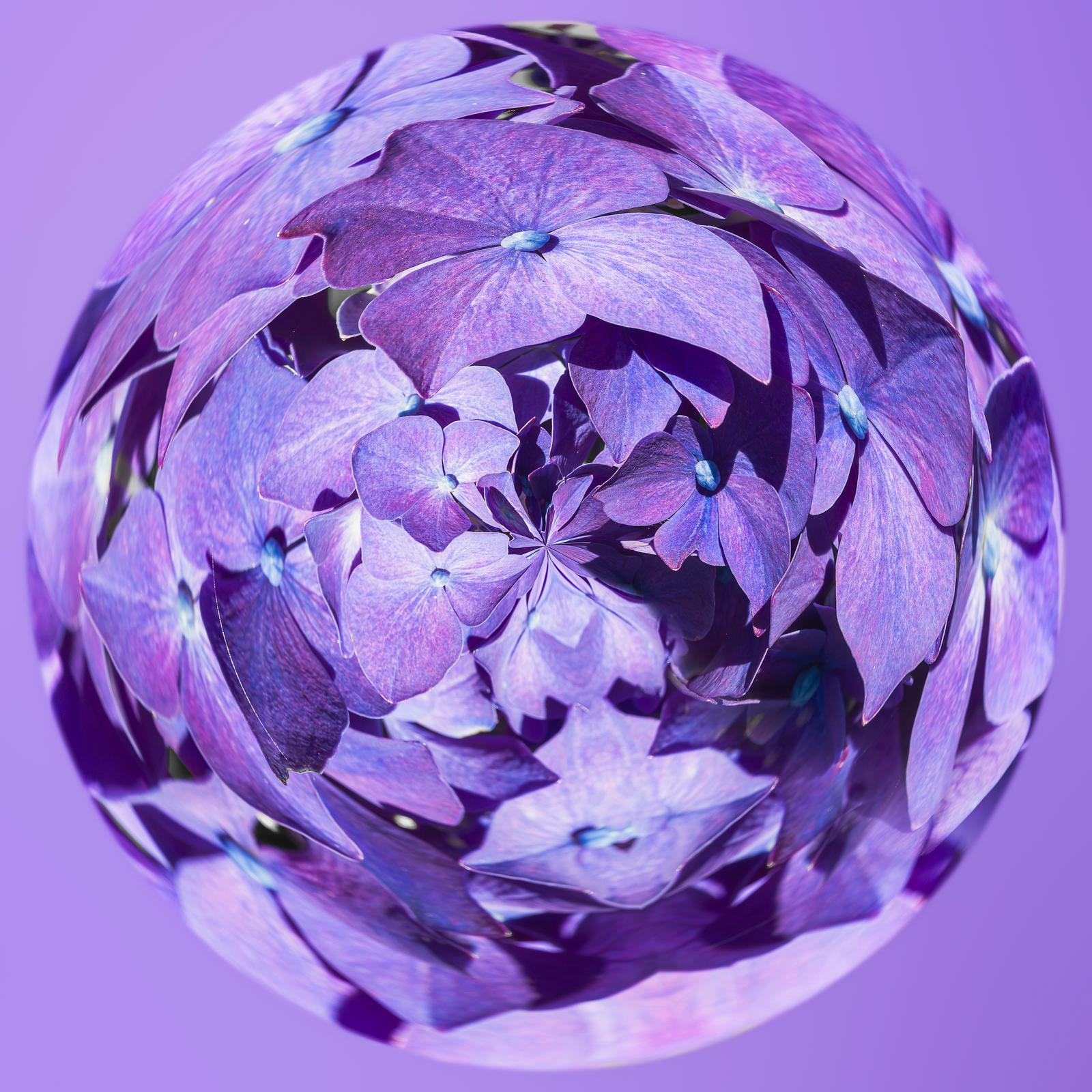
A photographic creation and its print are two interconnected realities. I begin with a personal photograph, then transform its perspectives and balance to bring forth an Imaginary Planet. The limited edition refers to the copies available for this creation, in accordance with its terms of publication.
Signature, numbering and certificate
My prints are signed, numbered and accompanied by a certificate of authenticity. These elements link the print to its artist and its edition. Before choosing a work, please consult the specific details on its page: title, dimensions, finish and the stated number of prints.
Limiting the size of an edition is part of my commitment as an artist. It does not constitute a promise of increased value. I invite you to choose a photograph first and foremost for its presence, its composition and the emotion it evokes in you.
The print and finish are integral to the work.
The transition from screen to print gives substance to the image. Depending on the artwork, I offer fine art paper, mounting on a rigid backing, ChromaLuxe or presentation under Plexiglas. Each finish alters the relationship with light and the surface; not all are available for every artwork.
Check the format and layout
The image format, any margins and the frame together determine the space it will occupy on the wall. My page on the formats of the Imaginary Planets will help you prepare for this discussion. The details of the selected photograph specify the actual options available.
Making an informed purchase decision
You are welcome to ask me to confirm the print’s specifications, its presentation and the terms of your order. This discussion helps to align your expectations with the creative possibilities, without limiting your choice to a single format or medium.
Continue your exploration
To compare the images, follow the ‘Buy an Imaginary Planet’ guide. For personalised advice, discover my tips on giving an Imaginary Planet as a gift.
Ask me about a print · View the artworks

Choosing and living with a limited-edition fine art print
Fine art photography to discover and collect
As a Belgian fine art photographer, I create original works that transport the imagination into a unique universe: that of the Imaginary Planets. Each piece has its origins in the real world, but becomes an invitation to discover a landscape where reality and dreams meet. The print allows you to bring this universe into your everyday life.
For me, collecting a photograph begins with an encounter with an image. It might be a colour that draws you in, a composition that intrigues you, or a detail that reminds you of a place. Art lovers and collectors alike can thus forge a personal connection with a work, and then discover what makes it unique.
I hope that my limited-edition prints will be chosen to form part of this lasting relationship. The signature, numbering and certificate of authenticity specify their provenance and the terms of their production; they enhance the pleasure of living with a work of art. Purchasing a print also supports my work as an artist and the continuation of my photographic research.
How does a work of art feature in your home?
A fine art photograph is not meant to be viewed solely on a screen. Once displayed, it interacts with the room, the furnishings and the light. In a living room, an office or a reception area, it can become a focal point or provide a more discreet presence. I find this interplay between the image and its setting just as important as the first glance at the work.
Les Planètes Imaginaires offers a variety of atmospheres. Some works play on vibrant colours and bold shapes; others invite a more gentle contemplation. A black-and-white photograph emphasises contrasts, lines and textures. I invite you to choose what moves you, rather than simply looking for an image that matches your interior décor.
Large formats lend a sense of scale to a composition and allow you to explore its details. A smaller print creates a different sense of intimacy. Before making a decision, consider the viewing distance available to you, the natural light and any other elements on the wall. The formats and presentations of my photographs serve as a starting point; we can then discuss the work that interests you.
How do the media and finishes complement the image?
The choice of photographic print is an extension of my creative process. I seek a presentation that complements the colours, depth and details of the image. Fine Art paper, Dibond aluminium, ChromaLuxe and Plexiglas do not convey the same sensation: the texture, surface and reflections all contribute to the way the photograph is experienced.
Fine art paper, in particular, allows you to engage with the image through its material properties. Mounting onto a rigid backing offers a different presentation, whilst glossy finishes interact more with the surrounding light. To understand these differences, you can read my articles on Dibond in fine art photography and sublimation printing on ChromaLuxe.
No single finish suits every interior or every image. I prefer to advise you according to the artwork you have chosen and the space where you intend to display it. The details for each artwork list the available options; these remain the definitive guide for media, dimensions and production specifications.
A personal acquisition, for yourself or to give as a gift
Whether you’re considering your first purchase or a new piece for your art collection, please take the time to browse through the images. A photograph may captivate you immediately, then reveal further layers of meaning as the days go by. It is this richness of perspective that I wish to share with my Imaginary Planets, which blend figurative photography, digital manipulation and abstraction.
Giving a limited-edition print as a gift can also mark a special occasion. The choice remains a personal one: a particular atmosphere, a memory or a shared sensibility may guide your decision. You will find some suggestions on the ‘Giving an Imaginary Planet’ page, whilst keeping in mind the preferences of the person for whom the work is intended.
If you are unsure which photograph to choose, or which format or finish to opt for, please write to me to discuss it. I will reply to you personally. This exchange will help to clarify your project and the options available for the print before you proceed with your order via the artwork’s details page.
How do you read the numbering on a limited-edition print?
The numbering system allows a copy to be identified within the stated edition for a photograph. An indication such as 3/10, given here by way of example, refers to the third copy in an edition of ten. It does not describe either the image format or a price category. For my Imaginary Planets series, this information should therefore be read in conjunction with the specifications of the selected print.
Before making a purchase, you may ask me to specify the number of copies planned for the work and how its various formats or presentations fit within this edition. It is best to refer to the work’s details and its specific conditions, rather than assuming that all photographs have the same print run. This clarification helps you to understand exactly which copy you are choosing.
The signature, numbering and certificate of authenticity complement one another. The certificate accompanies the print; the information regarding its title, artist and edition enables it to be linked to a specific work. Please keep this document together with the details of your purchase. If any information appears incomplete to you, I can clarify it with you before you place your order.
From the original photograph to the fine art print
An Imaginary Planet begins with a photograph I have taken. The photograph provides visual material: perspectives, lines, textures and light. I rework this image to construct the final composition. This stage of creation is distinct from the stage where the photograph becomes a printed work, intended to be viewed in a physical space.
The photographic print gives this composition a surface and dimensions. Presentation on fine art paper, mounting on Dibond aluminium or other finishes offered depending on the work involve different materials. The printing, the substrate and any framing all contribute to the result you will see on the wall. They must be considered alongside the image and the options available for it.
It is therefore useful to distinguish between the photographic creation, the numbered print and its final presentation. An image viewed in the gallery allows you to discover the work; its description details the options available for acquiring a print. The page dedicated to the formats of the Imaginary Planets helps you consider the dimensions, whilst my fine art photography blog sheds light on the media and finishes. These guidelines enable you to make a personal and informed choice.