
The art market in France and Belgium can also be explored from the artist’s perspective: in a gallery, at an art fair or during a conversation with a collector. Here, I share some thoughts on these meeting places and on the place of fine art photography, without claiming to produce an economic study or to predict the future value of the works.
France: discovering the artworks beyond the large display windows
Art fairs and galleries offer a glimpse into part of the French market. For a fine art photographer, they are also places to exhibit a print, explain their artistic approach and listen to visitors’ perspectives. My experience at Art Capital at the Grand Palais is part of this story of encounters. It is not enough to describe all the galleries or all the collectors in France.
Belgium: the closeness between artist and audience
I am particularly fond of encounters in Belgium, whether they take place in a gallery or on an artists’ trail. Visitors can take the time to explore an image and ask how it was created. This closeness nourishes my practice. It does not pit a country of enthusiasts against a country of investors: sensibilities and reasons for buying vary on both sides of the border.
Gallery, exhibition and website: complementary experiences
On a website, you can explore a series at your own pace and return to a particular work. Standing before the print, you discover its size, its reflections and its texture. When visiting a gallery or meeting an artist, you can ask questions about the edition and the presentation. These approaches complement one another; I do not regard the screen as a complete substitute for the physical experience.
How this affects my work as a photographer
I must ensure that my artistic intention and the characteristics of each work are clearly conveyed. A beautiful photograph online does not, on its own, convey the quality of the finish. I therefore attach great importance to titles, the stories behind the images, information about the prints and the opportunity for dialogue. My exhibitions allow this discovery to continue in a different setting.
Collecting: begin with the artwork and its documentation
The value of an acquisition cannot be reduced to a mere economic trend. I invite you to look at the image, to discover the artist’s career and to check what will be delivered. Signature, edition number, certificate, format and finish are concrete points of reference. My collector’s guide sets out this process in detail.
A dialogue to be maintained
For me, the vitality of the market is also measured by the conversations that continue after an exhibition. A work of art can stay with a person for a long time, without it being necessary to promise them a rise in price. I favour this sensitive and well-documented relationship: it allows the collector their freedom and gives the artist the time to continue their creative exploration.
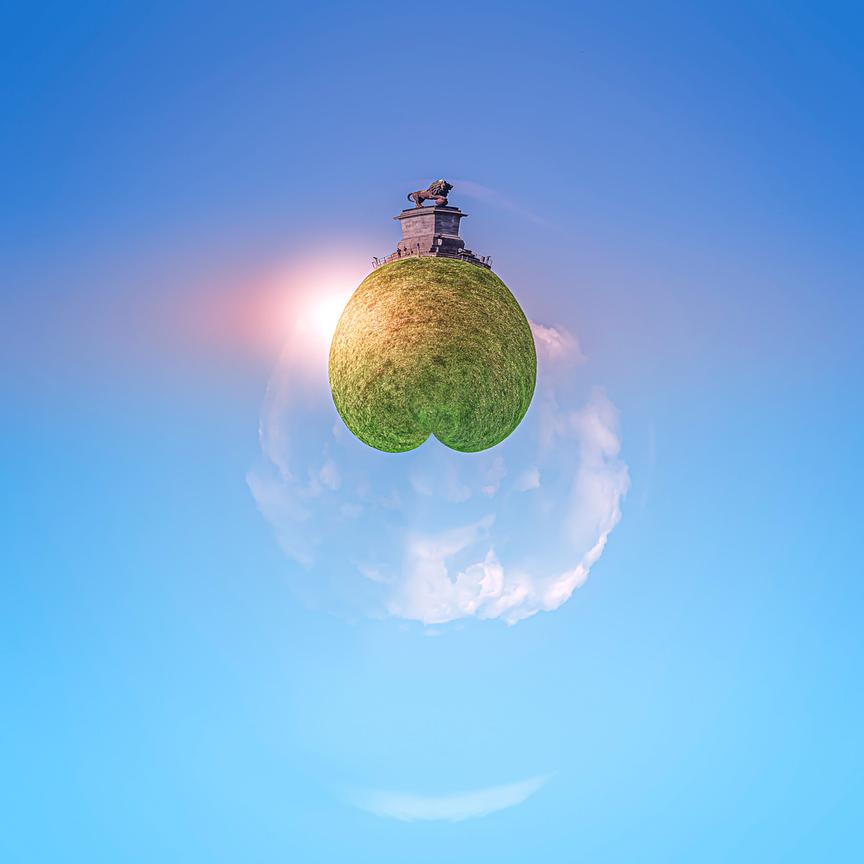
Some Imaginary Planets to discover
To continue your exploration
Would you like to find out more about a work or how it is presented? Please write to me to discuss it. You can also explore other topics on the fine art photography blog.
See also: Exhibiting in Knokke, a privilege for a fine art photographer – Paul Marnef, creator of Imaginary Planets; Art Capital at the Grand Palais: my experience as a fine art photographer.