
Starting with the image and the print
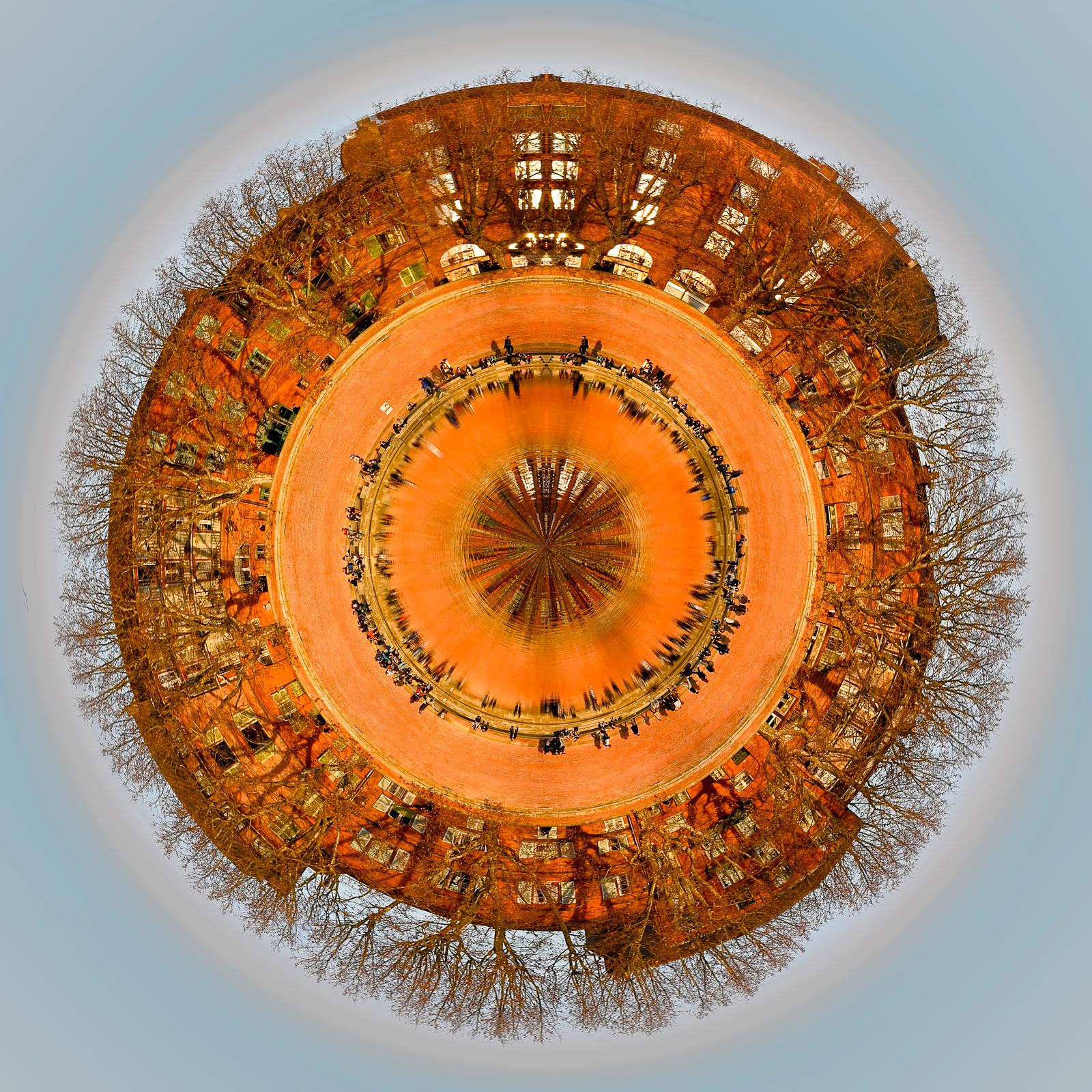
When framing a fine art photograph, I start with the image and its backing before choosing a frame profile or colour. The frame must guide the eye, preserve the nuances and allow the composition to breathe. Wood, metal, mat, glass or shadow box: these are the options I consider for my Imaginary Planets.
The importance of the frame in a photographic work
For me, a frame is not simply a mount or a protective cover for a photograph; it is an extension of my artistic vision. A well-chosen frame not only preserves the photograph, but also brings out its nuances, textures and history.
When I select a frame for my work, I ensure it enhances the visual experience without ever overpowering it. A high-quality frame also serves as a mark of professionalism, which is particularly valued in the art-gallery world and among collectors.
Standard or bespoke frame: check the dimensions
In my practice, I often face two framing options: standard frames and bespoke frames.
Standard frames: These offer a quick and economical solution. However, for my works, which are often large-format or of specific dimensions, a standard frame may not always fit perfectly. In such cases, bespoke framing becomes essential.
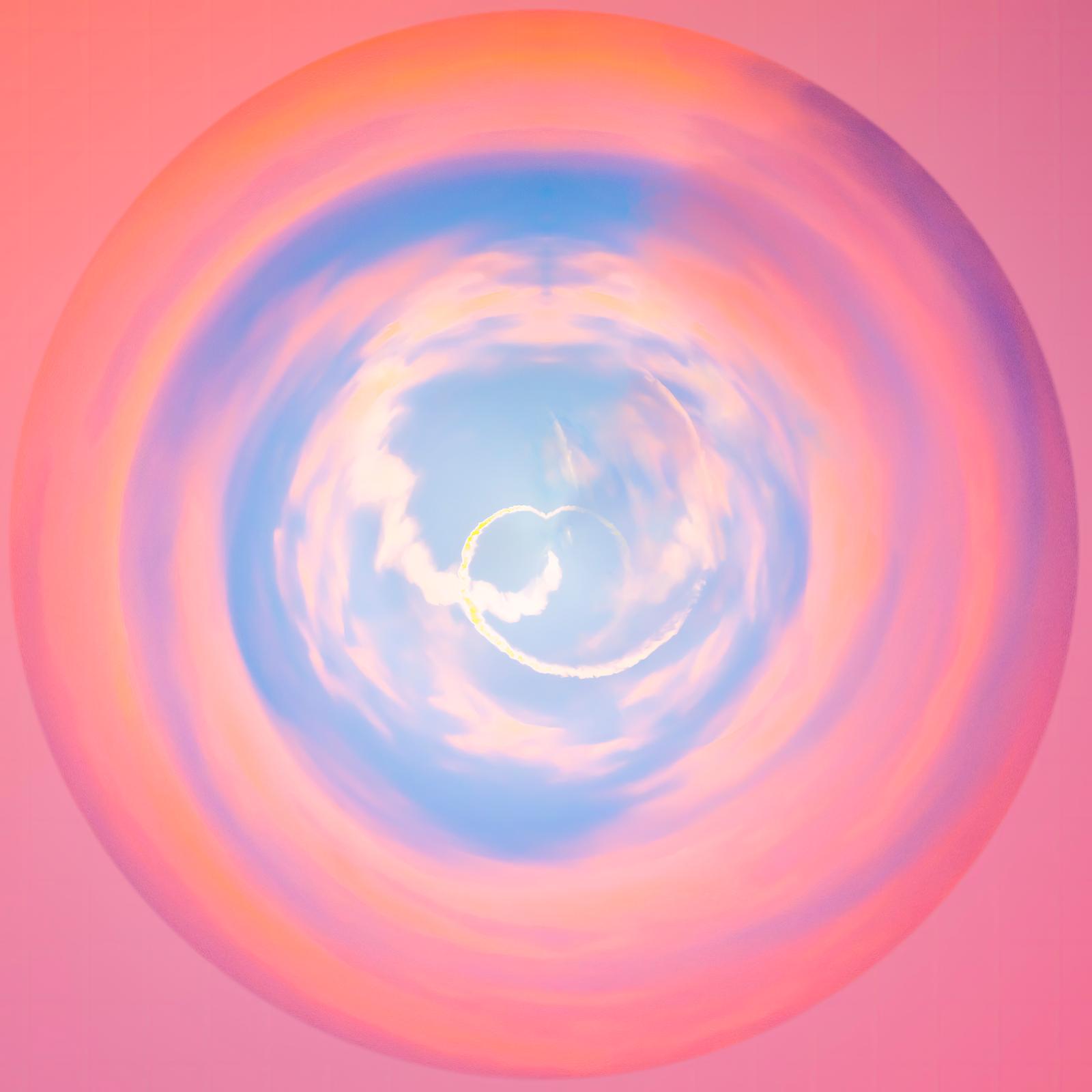
Bespoke frames: This option allows me to tailor the frame perfectly to each piece. I can therefore choose the materials, finishes, colours and even technical details such as thickness and texture. For the photographs in my ‘Imaginary Planets’ series, bespoke framing ensures that each piece retains its uniqueness and that its presentation is as meticulous as its creation.
Choosing the right frame material
Choosing the material for the frame is another crucial step for me. I favour two main materials: wood and metal.
Wooden frames: I love wood for its timeless and warm quality. A solid oak frame can lend an organic and authentic touch to my works. However, for my more contemporary pieces such as the ‘Imaginary Planets’, I may opt for painted wood, in white or black, to create a stronger contrast whilst retaining a certain elegance.
Metal frames: Metal, particularly aluminium, complements my modern, minimalist aesthetic perfectly. For my ‘Imaginary Planets’, black or silver anodised aluminium frames add a futuristic, streamlined touch, in keeping with the style of my creations. Metal also allows me to highlight the finest details without ever distracting from the image.
The ChromaLuxe finish: an option for excellence
One of the options I particularly favour is the ChromaLuxe finish. Thanks to this sublimation printing process on aluminium, my works display vivid colours, high scratch resistance and exceptional durability. By choosing this finish, I can give my images a refined sense of depth and modernity.
Some of my Imaginary Planets are available in a ChromaLuxe finish, with or without a shadow mount. This presentation allows the image to ‘float’ on the wall, creating a striking and contemporary visual effect. It is an option I often offer to clients who value modernity and quality.
American-style frame: allowing the artwork to breathe
I am also a great fan of the American-style mount, a framing option that allows the artwork to breathe. With this technique, the image appears to float in the centre of the frame, which enhances the visual impact of my works, particularly the large-format ones.
When I combine a shadow mount with a ChromaLuxe finish, the result is both modern and refined. I often play with neutral colours for the shadow mounts (black, white or silver) to enhance the impact of the image whilst maintaining a understated and elegant presentation.
Glass: protection and brilliance
For a print mounted under glass, the properties depend on the specific product chosen: anti-reflective coating and UV filtration are two features that must be checked separately. No type of glazing justifies leaving a work in direct sunlight. A suitable mat can create breathing space around the image and keep the surface at a distance from the glass.
When I work with glass, I sometimes add a mat to accentuate the sense of depth and lend an extra touch of elegance to the presentation.
Alu Dibond and Plexiglas: contemporary options
As an artist, I am always seeking to innovate in the presentation of my works. That is why I also use mounting on Alu Dibond or Plexiglas, two modern materials that give my images a unique finish.
Mounting behind acrylic glass alters the perception of contrasts and may produce reflections. A composite panel primarily provides rigidity: it does not, on its own, result in a matt finish. The paper, the print and the surface protection determine the final appearance.
Conclusion: the art of enhancing a work with a high-quality frame
For me, every stage in the creation of a work, from framing to finishing, is an opportunity to push the boundaries of photographic art. Whether it involves wooden or metal frames, ChromaLuxe finishes or mounting on Alu Dibond, I always ensure that every detail is meticulously attended to.
As an artist, my aim is to provide my clients with unique works that are both aesthetically pleasing and durable. By collaborating with art galleries and collectors, I ensure that my creations, notably the ‘Imaginary Planets’, are presented in the best possible way, in frames that reflect their uniqueness and quality.
Discover the works available in fine art finishes
The Imaginary Planets are available in several professional finishes: Fine Art prints, ChromaLuxe, Diachrome or other media depending on the artwork. Each print is produced as a limited edition, signed, numbered and accompanied by a certificate of authenticity.
To continue your exploration
Would you like to find out more about a work or how it is presented? Please write to me to discuss it. You can also explore other topics on the fine art photography blog.
See also: Interior design ideas featuring art prints: my tips and inspiration; What size art print should you choose? A room-by-room guide (living room, hallway, study) – square, round and small framed prints.