
Signing a fine art photograph links a specific print to my work as an artist. For my Imaginary Planets series, the signature forms part of a whole: validation of the print, numbering and certificate. I shall explain the role of these markers, their limitations and how they accompany the work over time.
What my signature means
The signature links a certified print to my name and my artistic intent. It serves as a point of reference for the purchaser, but is not, on its own, sufficient to prove an object’s provenance. The image, its history, the documentation and the relationship with the artist must all be consistent. An unsigned photograph may also have artistic value: the act of signing does not, in itself, create that value.
Signature and numbering: two distinct pieces of information.
The signature identifies the artist; the numbering indicates the print’s position within the edition. A notation such as 3/15 signifies the third copy of an edition announced as comprising fifteen. It is also important to understand the scope of this edition: formats, media and any artist’s proofs. For my works, these details can be verified on the information sheet and in the documents accompanying the print.
Where should the signature be placed?
A signature on the front becomes a visible part of the presentation. On the reverse or on the backing, it better preserves the continuity of the image. The choice depends on the paper, the mounting and the framing. The important thing is to be able to locate the details without damaging the work; it is preferable to ask where they are located rather than dismantling a print to look for them.
The certificate accompanies the print.
The title, artist, number, dimensions and finish help to verify that the document matches the item received. My article on certificates of authenticity for photographs sets out these details. Keep this document with the invoice and, if possible, a photograph of the signature or label on the reverse.
Signing a certified print, not promising future value
I regard the signature as a commitment to the print I am presenting. It is no substitute for the quality of the print or the care taken in its mounting. Nor does it guarantee a resale price. When choosing a work, I invite you first to engage with the image, then to examine its characteristics and the conditions of its edition.
For my Imaginary Planets
My practice encompasses every stage, from capture to presentation. Each limited-edition print is signed, numbered and accompanied by a certificate of authenticity. You can consult my guide to buying artwork online for key considerations, and feel welcome to ask me any questions about the print that interests you.
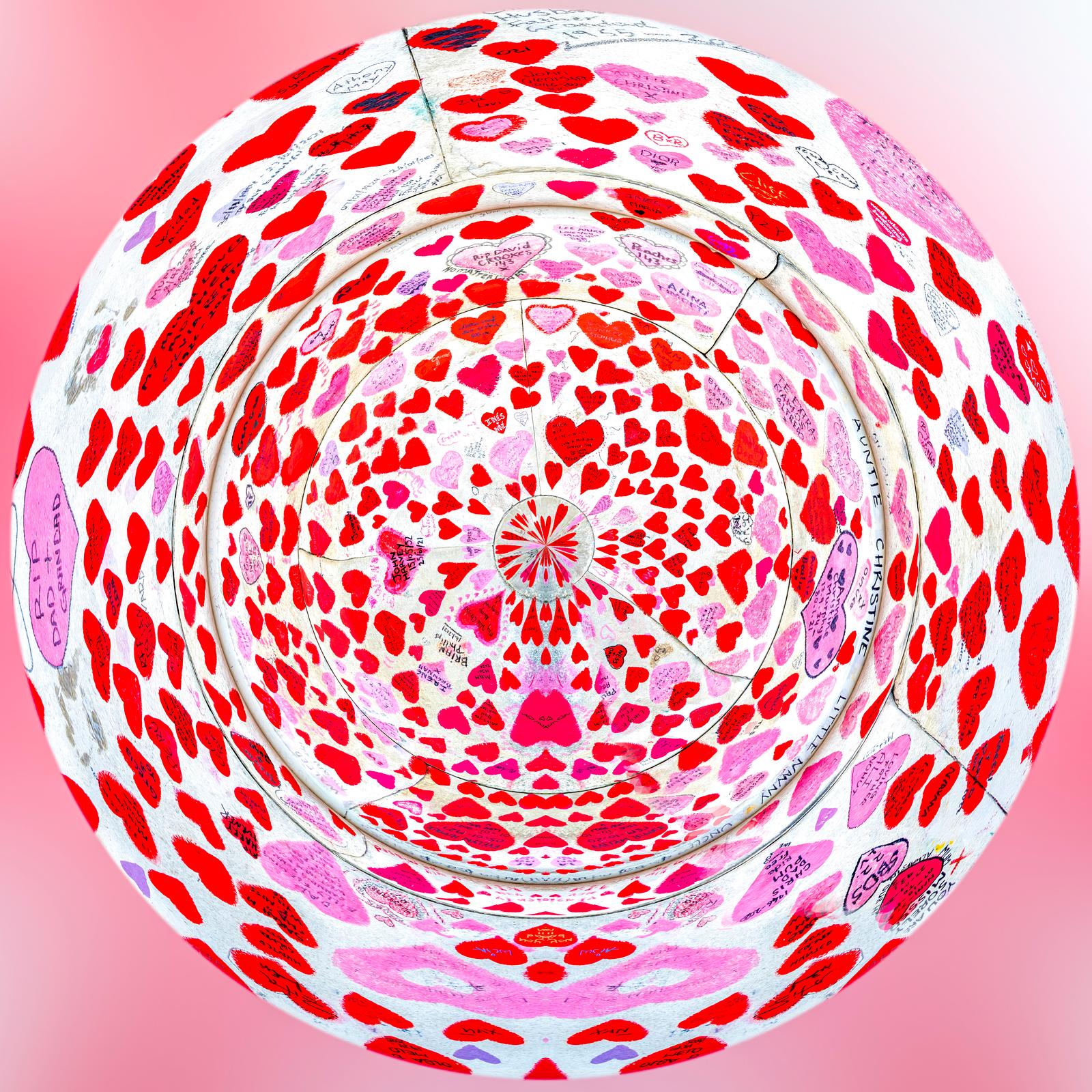
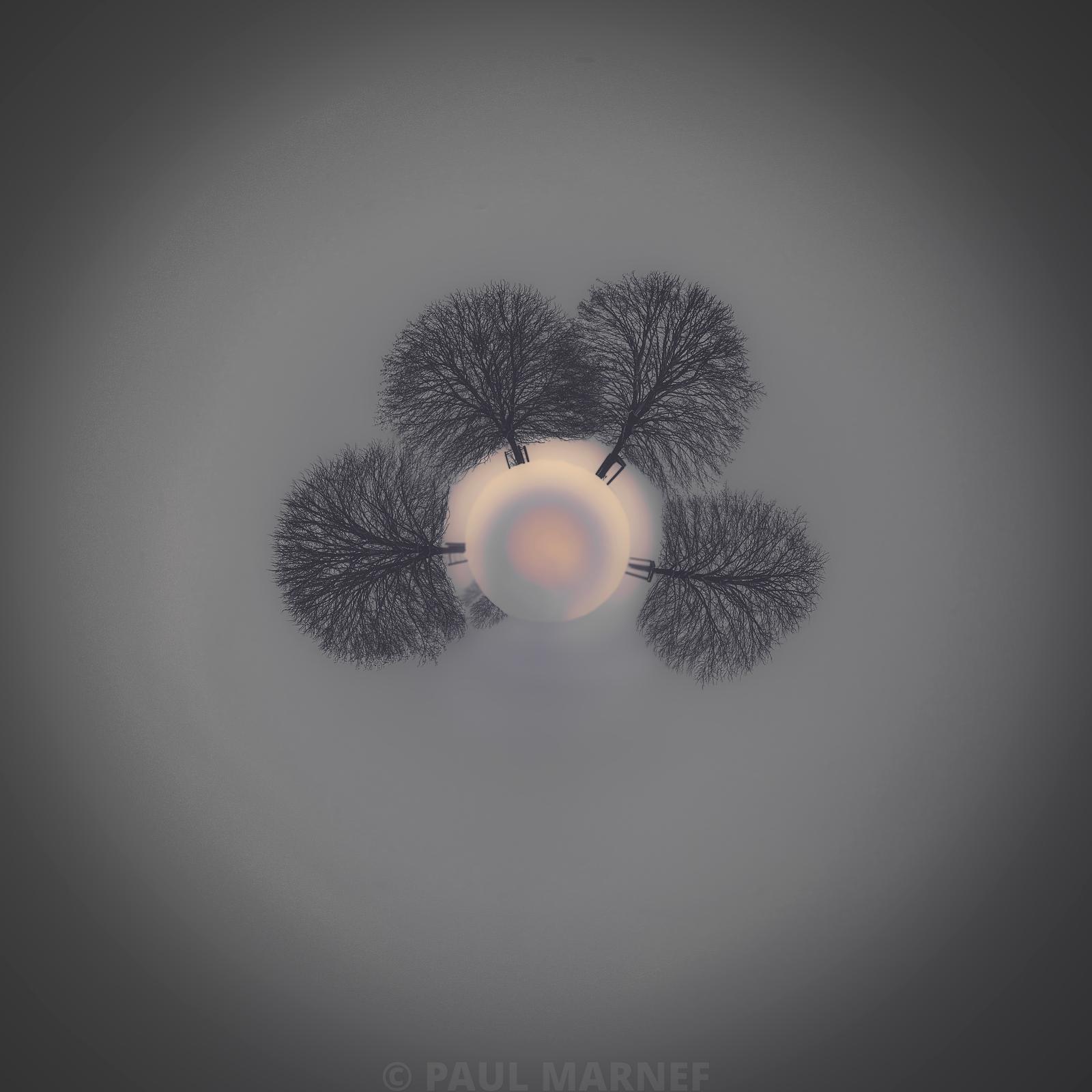
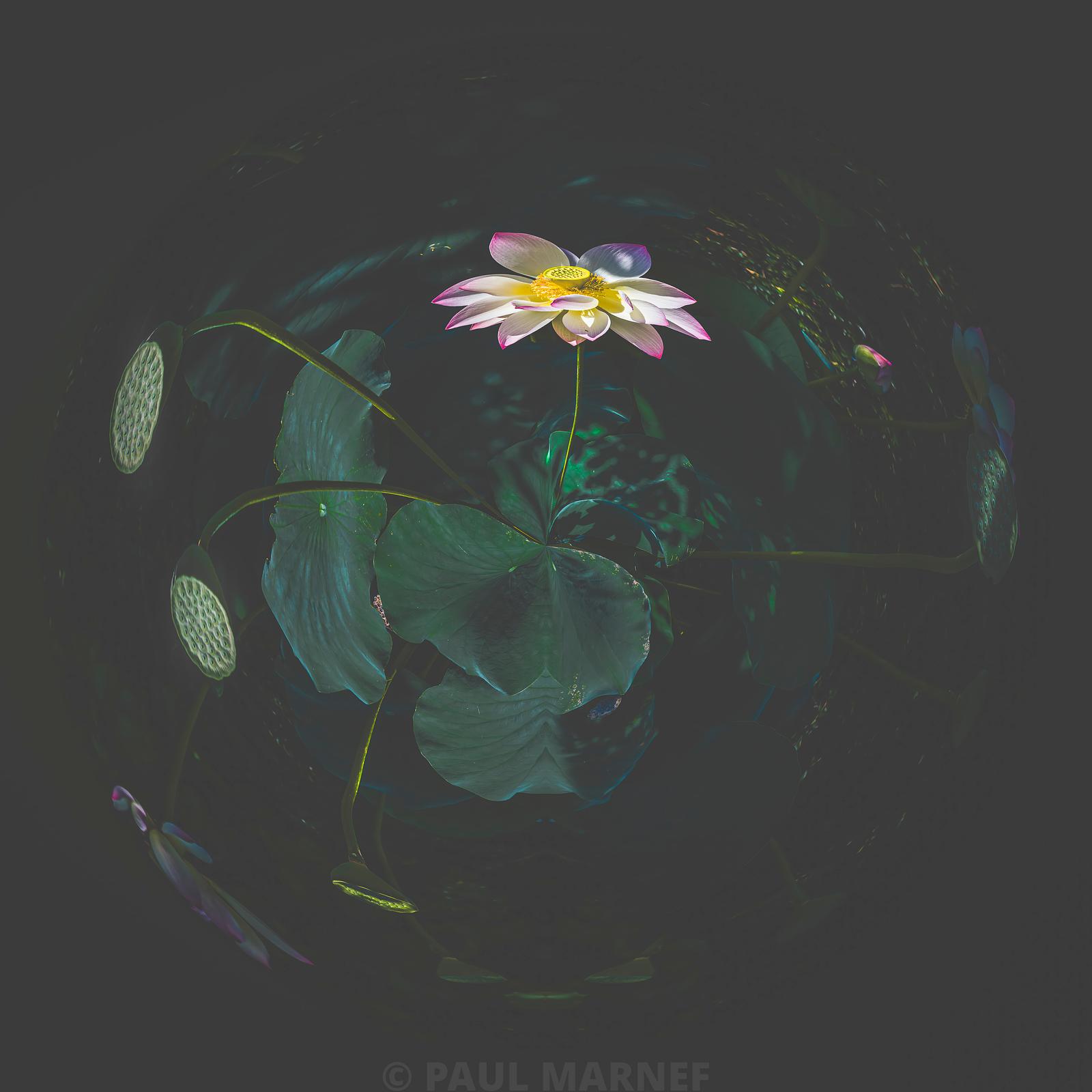
Some Imaginary Planets to discover



To continue your exploration
Would you like to find out more about a work or how it is presented? Please write to me to discuss it. You can also explore other topics on the fine art photography blog.
See also: Certificate of authenticity for a fine art photograph: useful information; The Collector’s Guide to Fine Art Photography.