
The size of each fine art photograph should be chosen by considering the wall, the furniture and the viewing distance. As a fine art photographer, I offer a simple method for finding proportions suited to the living room, hallway or office, whilst allowing the artwork its own space and emotional impact.
This guide helps you gauge placement and test proportions before choosing a print. My ‘Imaginary Planets’ serve as examples: the measurements given are points for consideration, not a list of available formats. To find out about the formats available for my works, explore the ‘Imaginary Planets’ formats.
View the artwork and assess the available space behind it
Before measuring the wall, take a look at the artwork. A detailed composition invites you to come closer; a more minimalist image can be appreciated from a distance. The print specifications and their rendering must remain consistent with the intended dimensions.
The available viewing distance is just as important as the wall space. Observe the installation from your usual vantage points: sitting on the sofa, standing in a doorway or behind your desk.
You do not need to decide on a resolution or pixel count yourself: for my works, these matters form part of the preparation for the print. Focus first on the proportions and the visual experience.
Square or round: considering the space occupied on the wall
A square format can provide structure to a wall above a sofa, a sideboard or in a reception area. Its balance depends on the composition and the space left around the image.
A circular presentation, where available, establishes a different relationship with the space. Compare its diameter to the available area rather than simply the width of the furniture.
In both cases, leave a margin around the artwork. A photograph placed too close to a corner, a door or a shelf may appear cramped.
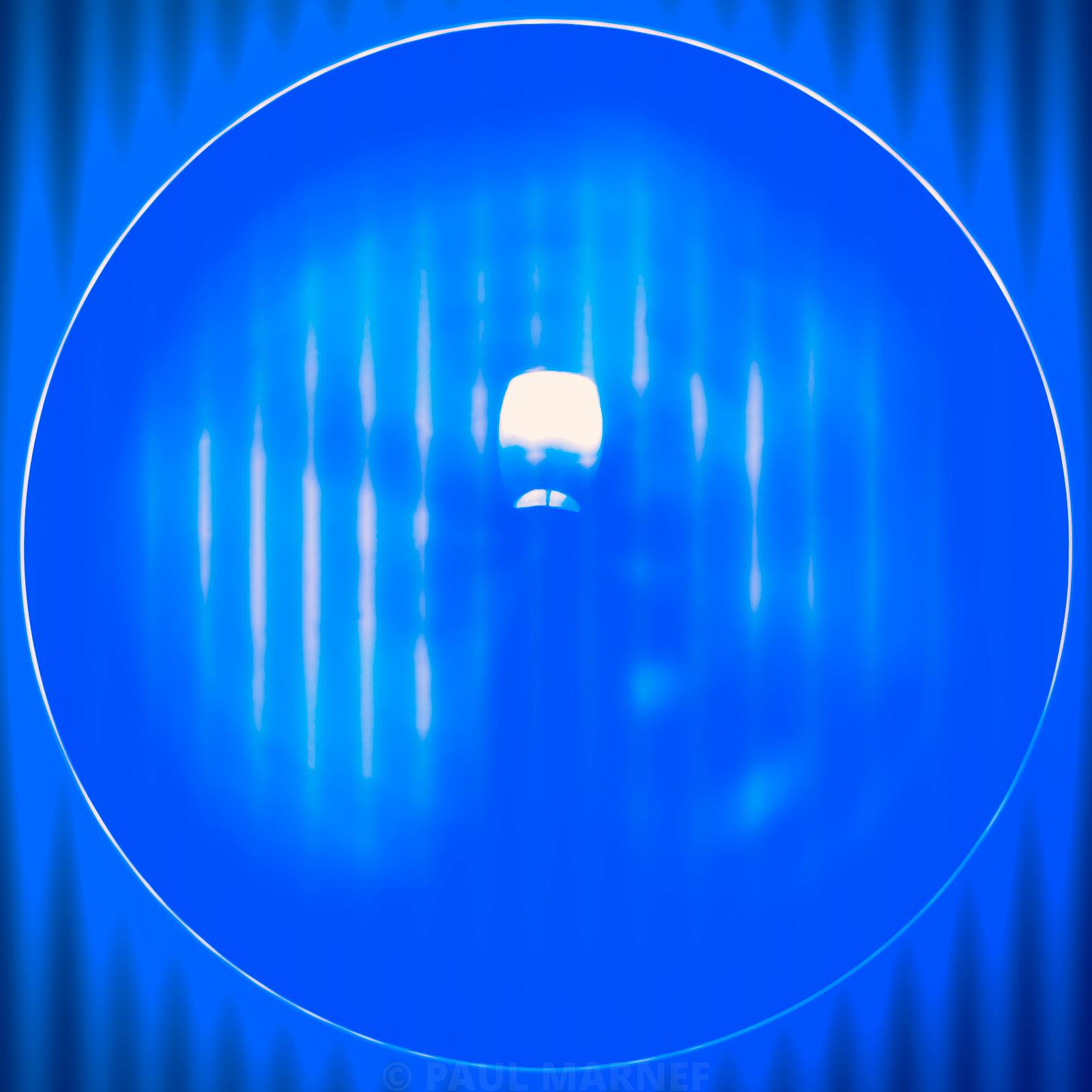
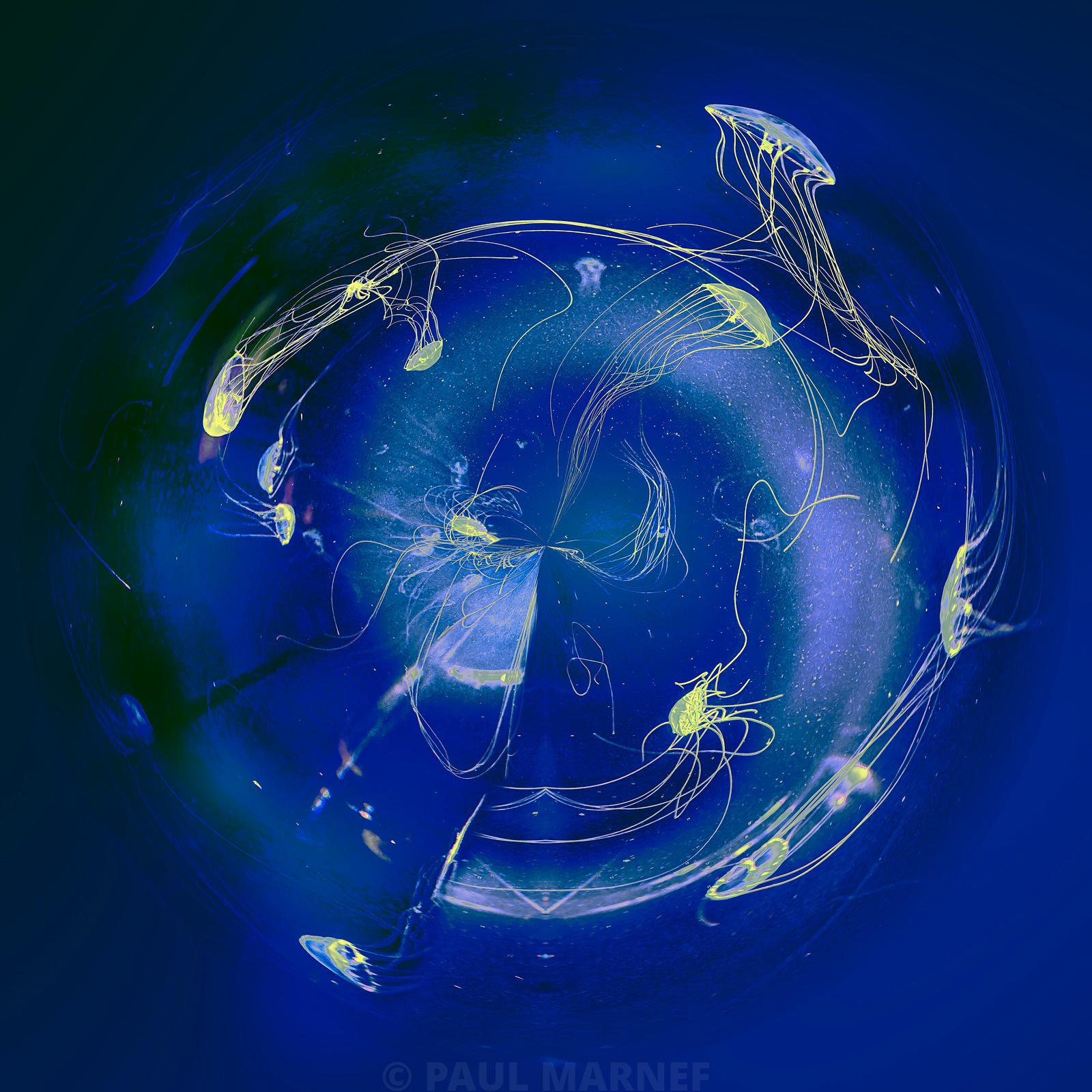
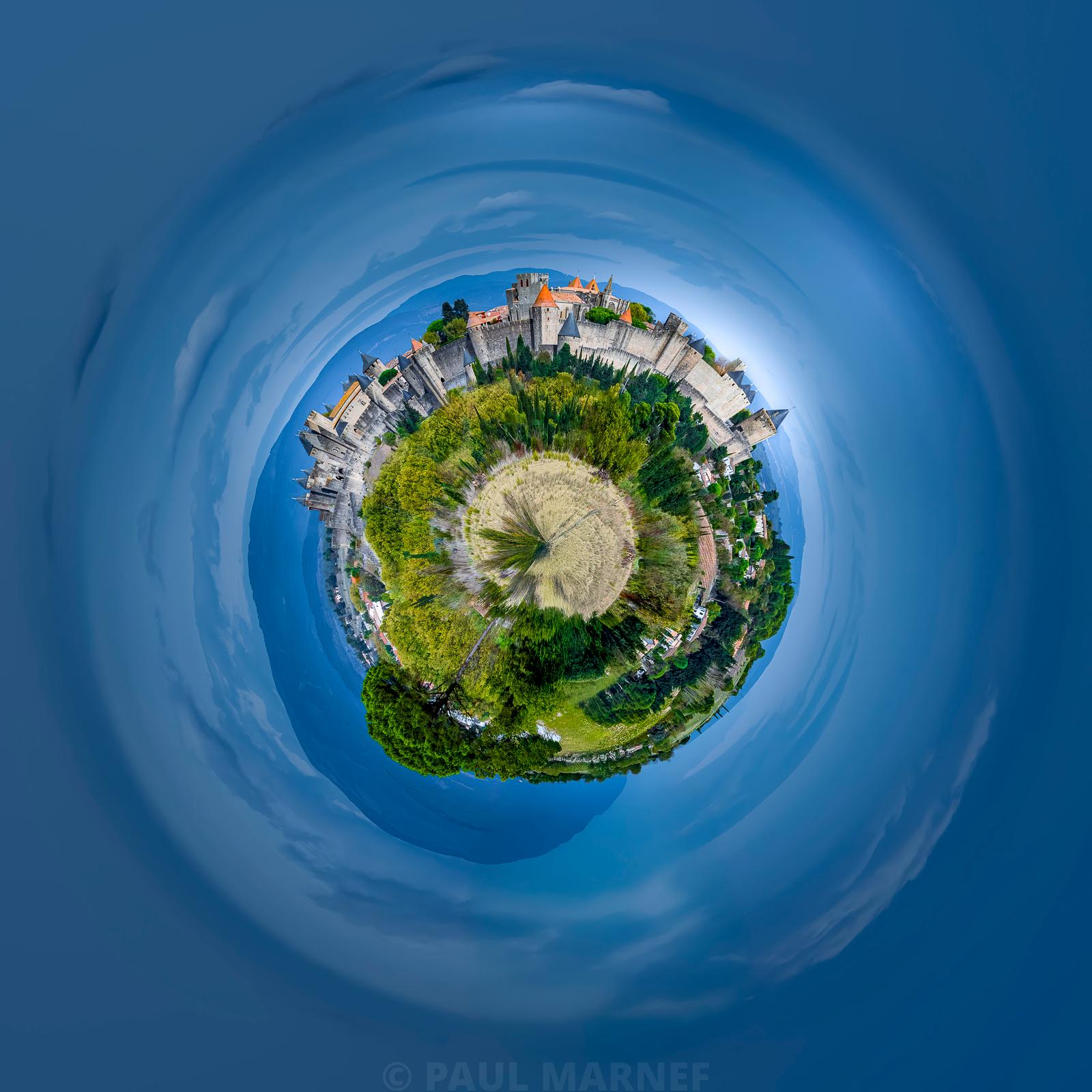
Include the frame and check for reflections in your measurements.
The medium and the frame alter the presence of an image. Paper under glass, a mounted print or a glossy finish each respond differently to the room’s lighting.
When choosing the location and lighting for an art photograph, consider windows and light fittings. Check for reflections from your usual viewing position, especially if the artwork faces a light source.
To compare the options available for my works, you will find the relevant details on the individual artwork pages and on my page on formats and finishes.
Artwork size per piece: start with a template
Start by measuring the actual clear width and height, taking into account any openings, switches and furniture. There is no one-size-fits-all percentage for all walls: aim for visual balance rather than a rigid rule.
Sketch out the proposed dimensions using a paper template or masking tape suitable for the surface. View it from a distance, then from various points around the room, both during the day and in the evening.
On a long wall, try out several frames as well. The overall footprint includes the artworks, the frames and the spacing between them. Maintain a consistent hanging pattern.
What size of art print should I choose for the exhibition?
In the living room, start with the furniture and consider the space around it. A photograph hung above a sofa should interact with it without necessarily being as wide. A bare wall can accommodate a more prominent piece.
My Imaginary Planets offer textures and perspectives to be discovered at different distances. Take the time to look at the image up close and from the main seating area in the living room.
Dimensions to be tested above the furniture
As starting points to try: a square measuring 80 × 80 cm or 100 × 100 cm can create a strong visual presence; a smaller format may be better suited to a more confined space. Always check the work’s potential and the dimensions including the frame.
Lighting can alter the perception of a large print. Observe the reflections and the space left around the frame before choosing the finish.
In a corridor: small formats and serial compositions
In a corridor, works are generally viewed at close quarters and often whilst moving. Small formats or a series of squares allow the route to be punctuated without obstructing the flow of visitors.
When assembling a series, select a clear guiding principle: a consistent format, a single axis, interacting colours or a unifying theme. Regular spacing can create a soothing rhythm.
A small format for close reading
A small framed print, for example 20 × 20 cm where available, can create a subtle presence. Several works can complement one another without taking up the entire wall.
The small format retains its value as a work of art: it simply invites a sense of intimacy. Consider the thickness of the frame and the opportunity to pause and look at it.
Adjust the text to fit the width of the passage
Try a single small square, a series of identical formats or a piece at the end of the corridor. A circular display may be considered provided its depth and diameter are compatible with the passageway.
In a confined or very brightly lit space, check for reflections and the overall depth of the image. The choice of glass and mount can improve viewing comfort.
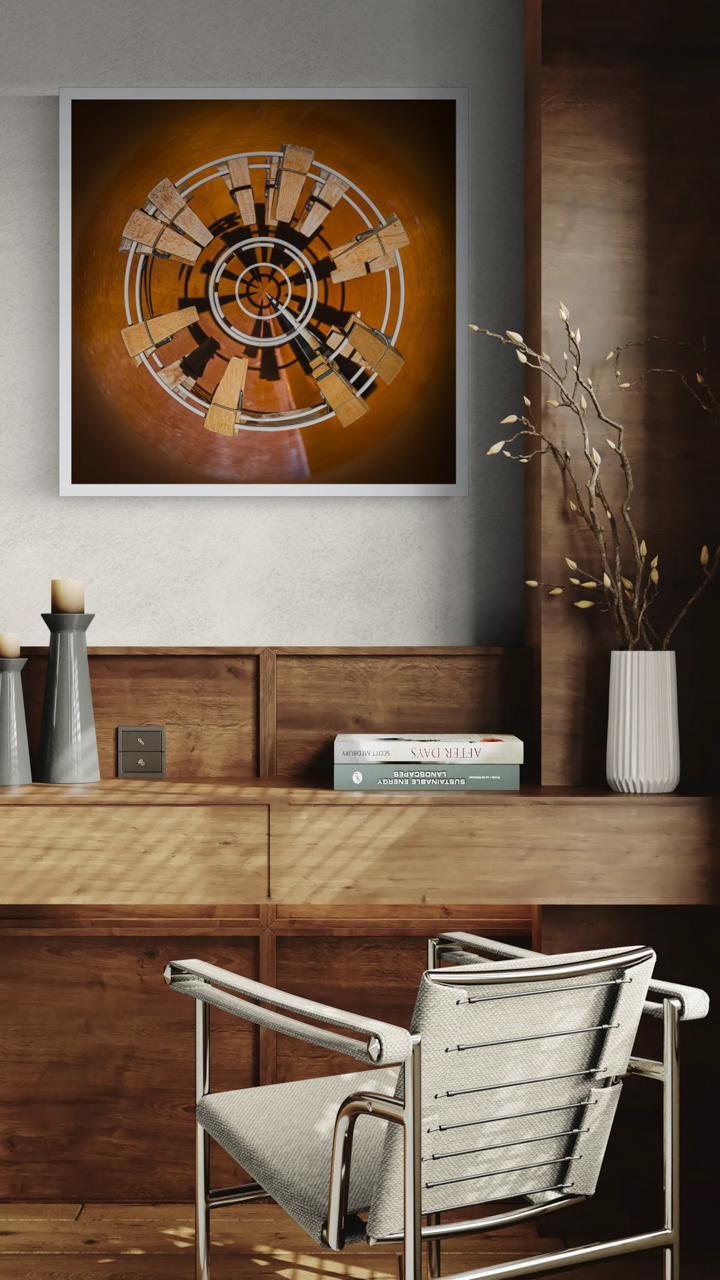
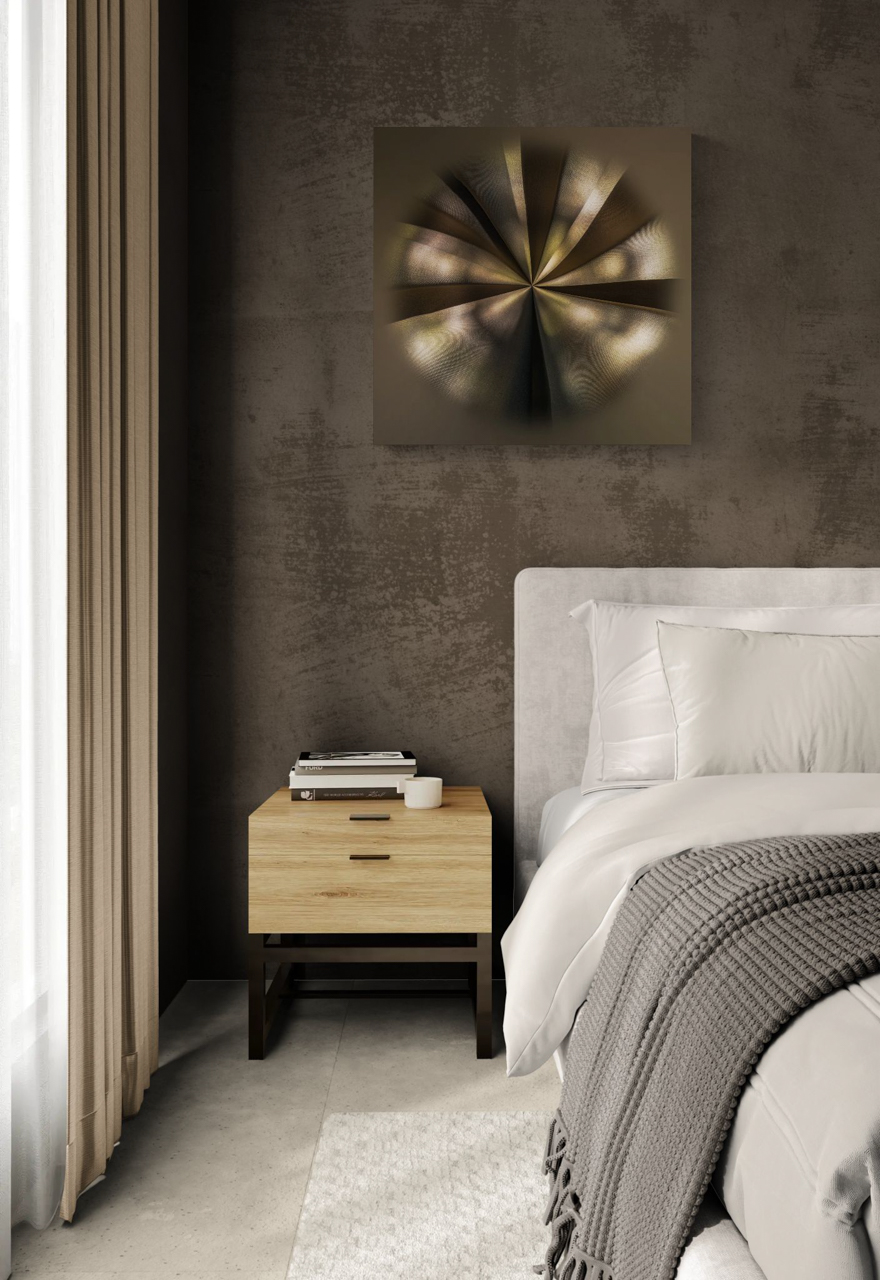
In the office: choose the proportions according to the intended use
In an office setting, consider the vantage point from which the work will be viewed: while working, during a conversation or from the entrance. Its scale should harmonise with the wall and the surrounding furniture.
A photograph can provide a focal point for contemplation without dominating the space. Avoid placing it somewhere where screens or objects on display would regularly obscure it.
Compare several dimensions before choosing
On an office wall, for example, use a template to compare a 60 × 60 cm square with an 80 × 80 cm one. For a smaller space, consider a smaller format. These measurements are intended to illustrate proportions; they do not indicate availability for all my works.
Also bear in mind the working light and reflections on the surface. For a reception area or meeting room, view the piece as a whole from the distance at which your visitors will be standing.
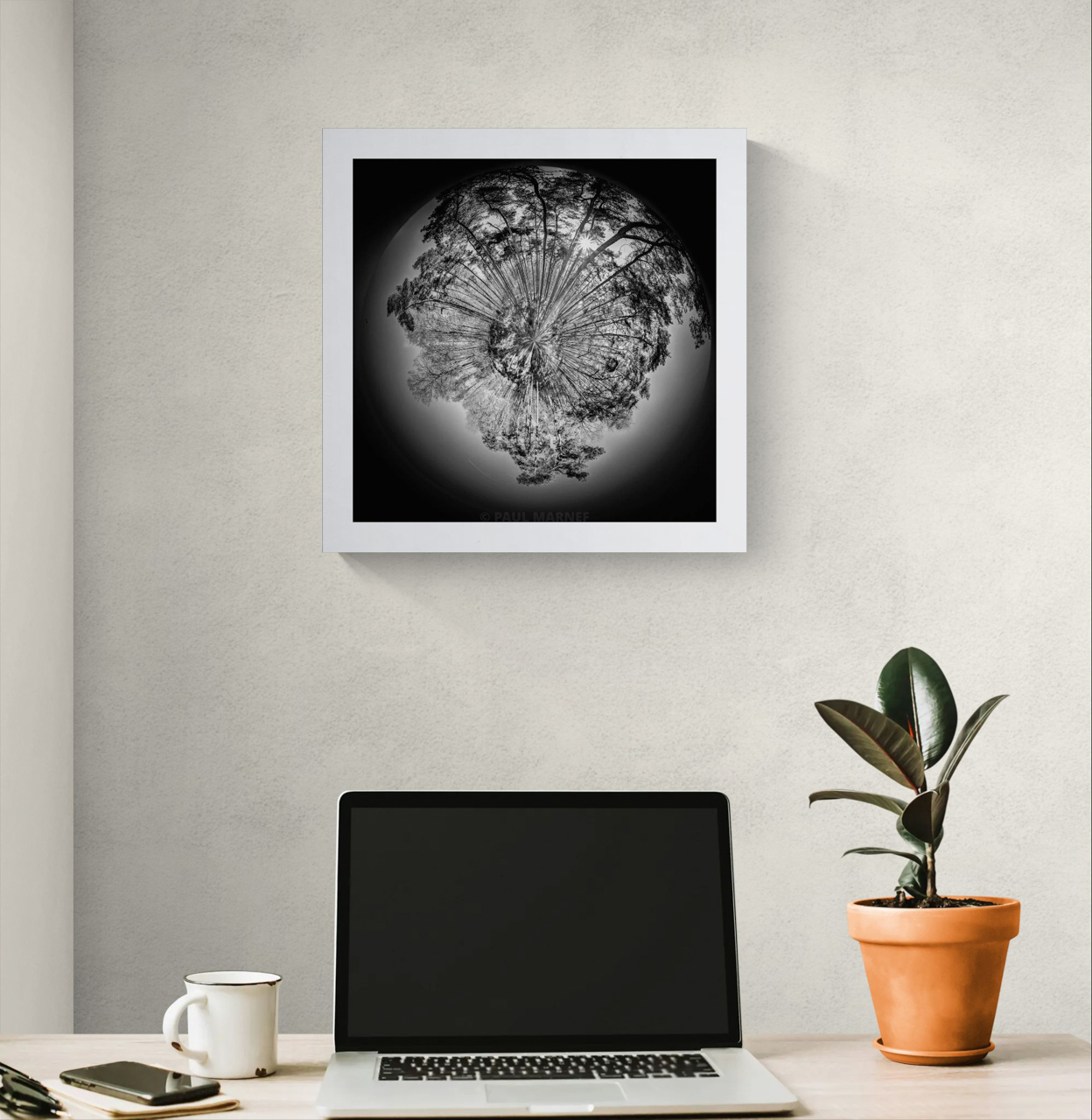
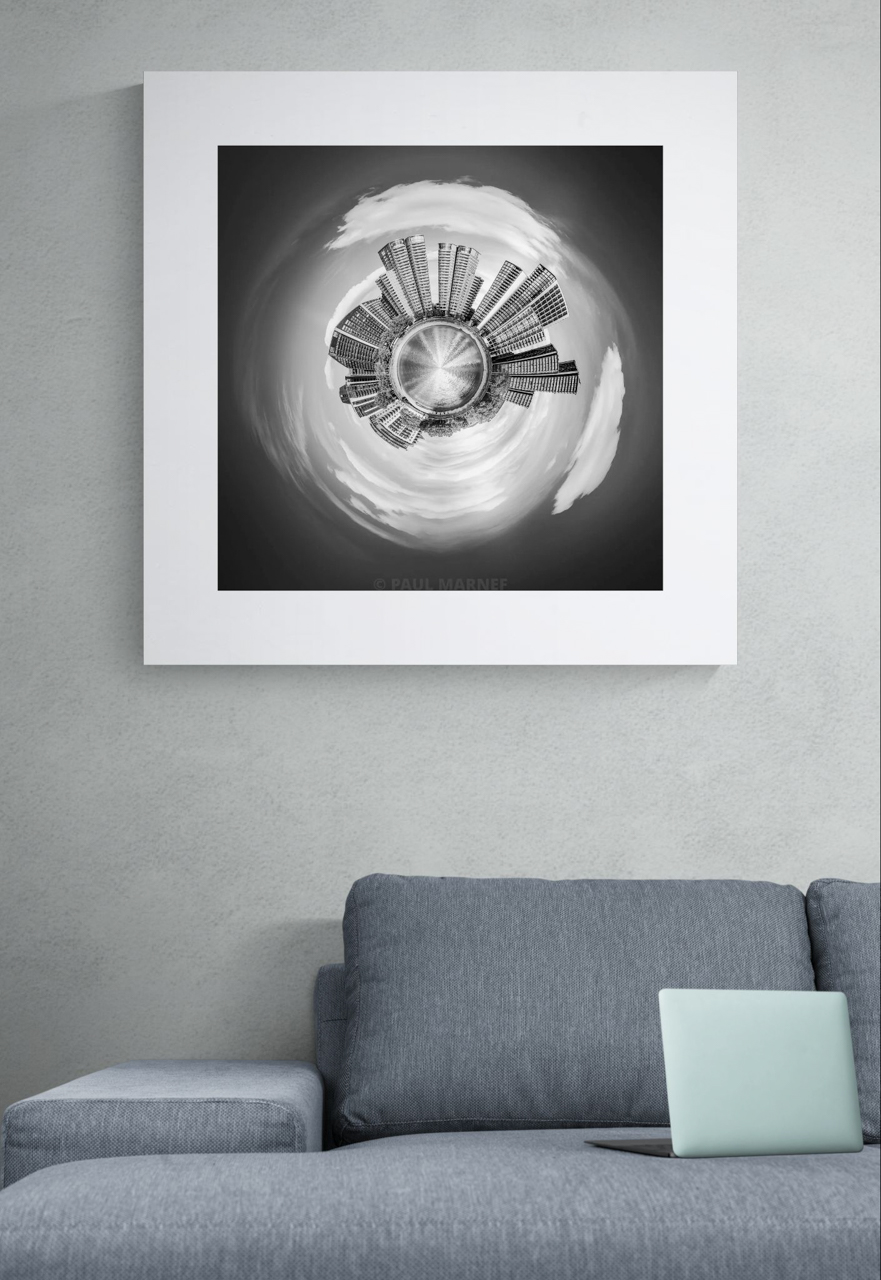
Small or large format for a black-and-white photograph?
Black and white can invite one to examine textures and shades of grey. A small print encourages an intimate viewing experience, whilst a large format lends a different presence to the contrasts.
Finish and lighting influence this perception. Look at the details, the dark areas and the transitions between shades of grey before making up your mind.
It is therefore not necessary to systematically choose a large format for a monochrome photograph. The right balance depends on the image and how you view it.
Dimensions do not define artistic value
Dimensions alone are not enough to define a fine art photograph. The artist’s approach, the print and the conditions of its production also matter, whether it is a small or large format.
A large print does not automatically have greater artistic value than a small one. First, choose a piece that moves you, then select a presentation that suits your space.
To learn more about this selection, see my guide to choosing a fine art photograph.
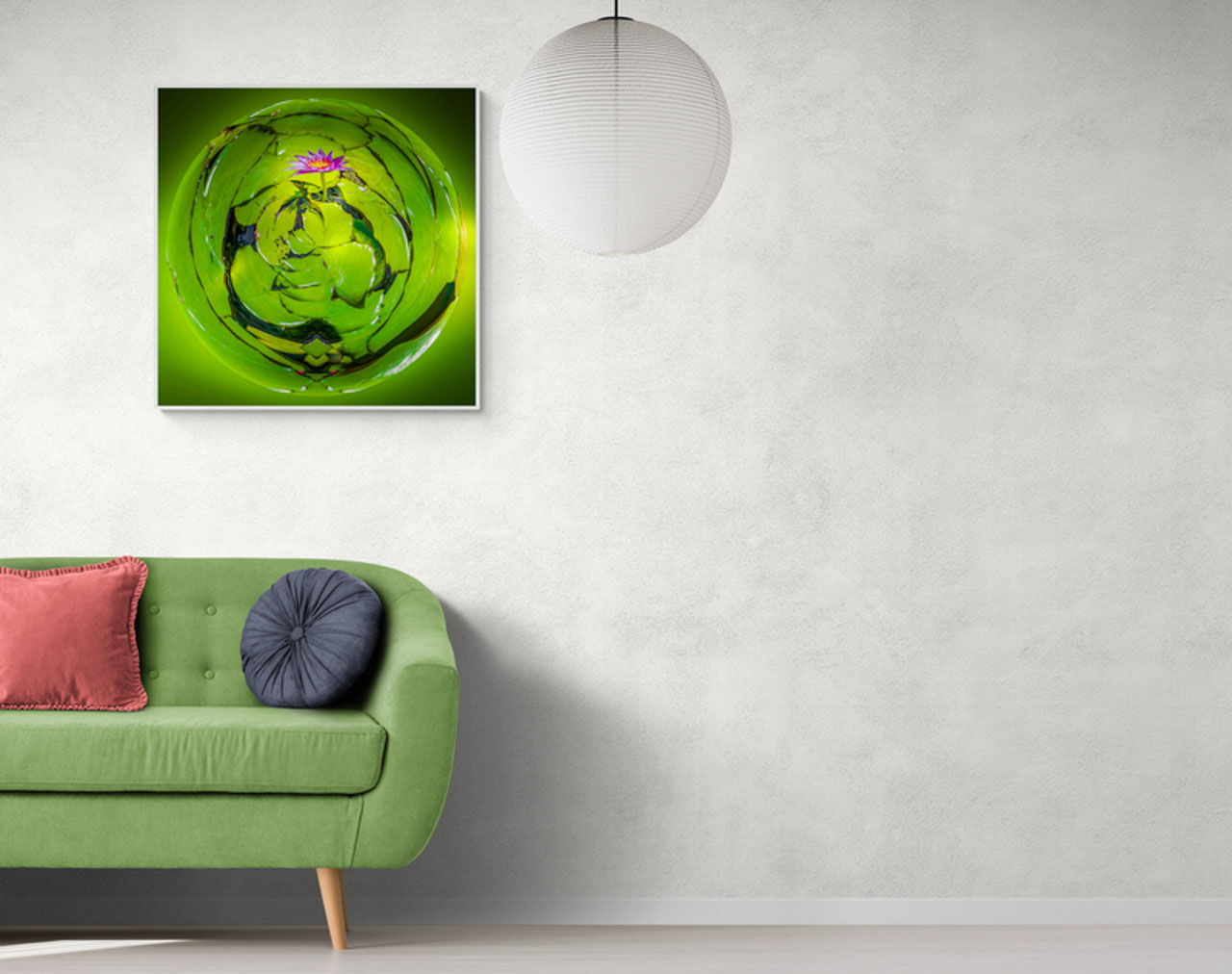
Take measurements before seeking advice.
To prepare your project, note down the room, the available dimensions, the viewing distance and any lighting constraints. Then choose the artwork and compare the formats actually on offer.
Please contact me with the title of the work and the dimensions of your space. I will be able to advise you on a suitable presentation, depending on the options for production and framing.
When creating a composition comprising several works, consider the whole before purchasing each size separately. It can also be built up gradually around a single visual principle.
Living room, hallway, study: keep the correct references.
In the living room, aim for a more expansive feel in relation to the furniture. In the hallway, prioritise close-up reading and ease of movement. In the study, seek a balance between contemplation, light and the use of space.
The scale remains a practical aid for translating dimensions into real-world perception. It allows you to assess the artwork in your everyday setting before deciding how to display it.
To explore the possibilities offered by my work, discover the formats of the Imaginary Planets. This page complements the individual specifications presented here.
Discover the works available in fine art finishes
My Imaginary Planets are available in limited editions, each signed and numbered, with a certificate of authenticity. The dimensions and finishes vary depending on each creation.