
When choosing a fine art photograph, I invite you first and foremost to listen to your own sensibilities. As a fine art photographer and creator of Imaginary Planets, I offer you here some guidelines for viewing a work, understanding its print and choosing the format that will suit your home.
Why choose a fine art photograph?
An art photograph is not merely a decorative image: it embodies a vision, an emotion, an artist’s perspective. It can awaken the senses, create a unique atmosphere, invite the viewer to dream, or signify an aesthetic commitment. It is also a photographic work printed using professional techniques on durable media, often in a limited edition.
Buying a fine art photograph means supporting contemporary creativity and bringing a fragment of the universe into your everyday life. That is why it is crucial to choose your fine art photograph carefully.
How do you choose a fine art photograph that resonates with your sensibility?
The first step is to reconnect with your artistic sensibility:
- The subject: are you drawn to landscapes, portraits, street scenes, abstraction, minimalism or dreamlike worlds such as Paul Marnef’s ‘Imaginary Planets’?
- Colours: do you prefer black and white for its emotional intensity, or colour for its richness and energy?
- Mood: are you seeking a soothing, dynamic, poetic, graphic or symbolic atmosphere?
An art photograph that moves you at first glance, evoking a memory, a place, an idea or a dream, is often the right choice. If several images appeal to you, I offer some pointers to help you compare similar art photographs without losing sight of the one that first caught your eye.
Technical criteria for choosing the right fine art photograph
To appreciate a photograph, observe how its visual choices serve the subject:
- Composition: contributes to the balance and intent of the image.
- Sharpness or blur must match the intended effect.
- Exposure: contrasts and tones contribute to the interpretation of the work.
- Retouching, when applied with restraint, can enhance the image without distorting it.
Technical mastery must serve the artist’s intention. A sharp image, a deliberate blur or a marked contrast can each contribute to a coherent photographic approach.
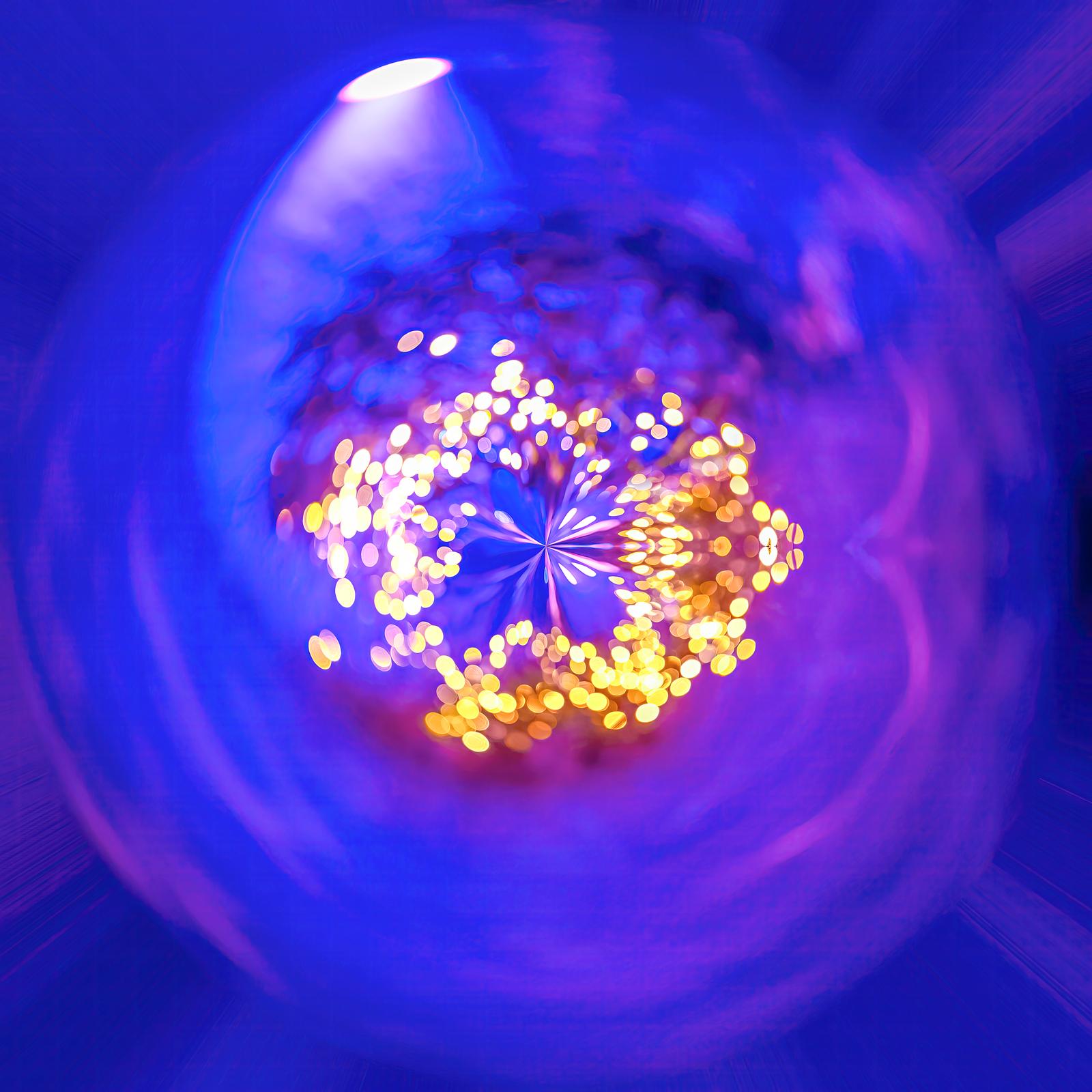
Choosing a photographic print: fine art, finish and medium
The print gives the image a physical presence. Whether on paper, aluminium or plexiglass, each finish offers a different relationship with light and material.
Fine Art print on paper: a print on fine art paper chosen for its texture and finish, matt or gloss depending on the substrate.
ChromaLuxe: a sublimation finish on an aluminium panel prepared to receive the image.
Alu Dibond: a rigid substrate onto which a print can be laminated; the final effect also depends on the paper and the mounting.
Mounting behind Plexiglas or framing: two ways of presenting and protecting the artwork.
I can advise you on the finishes available for the photograph you are interested in.
The right format for your fine art photograph
The choice of photo print format depends on the desired effect and the space available:
• Large formats (80x80cm, 100x100cm or even 120x120cm): suitable for a feature wall, a living room or a meeting room. They immediately catch the eye.
• Medium formats (50x50cm, 40x40cm): suitable for a bedroom, a study or a hallway. In my case, almost all the sizes on offer are square, with the exception of one or two round ones.
• Small sizes (30×30, 20×20): perfect for creating a triptych, a wall gallery or enhancing a more intimate space.
• Consider the artwork’s proportions in relation to the wall, the hanging height (ideally at eye level) and the room’s lighting.
Incorporating fine art photography into your interior décor
A successful fine art photograph engages with your interior. To ensure a beautiful harmony:
Observe the colours in the room, the light and the materials around you. A piece of art can create harmony or introduce contrast. That said, I would advise you to choose a photograph that moves you, rather than simply following decorative trends.
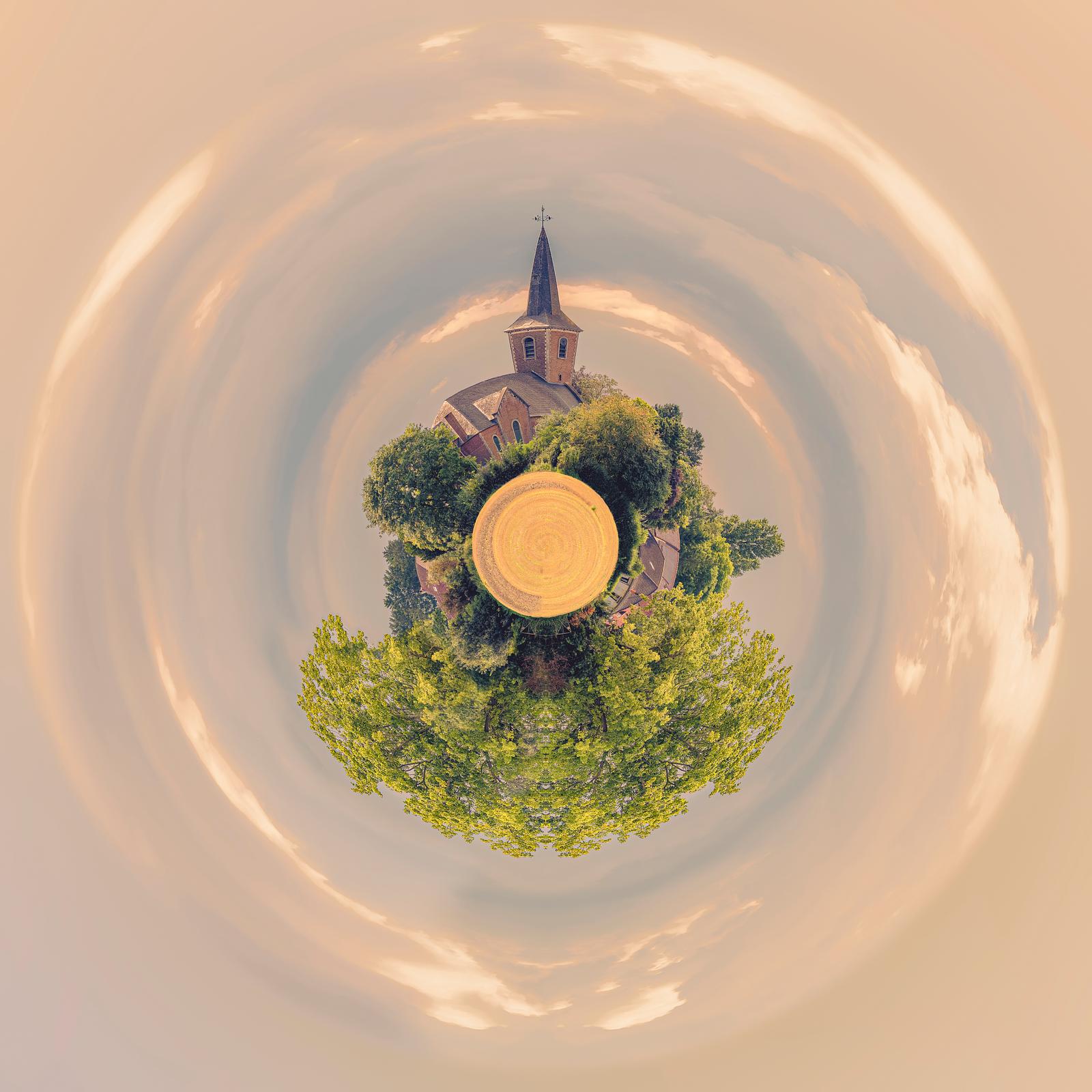
With my ‘Imaginary Planets’, I seek above all to offer a different perspective on the world. Their colours, textures and compositions can interact with a wide variety of interiors, sometimes in harmony, sometimes in contrast. But the essence lies elsewhere: choosing a work that speaks to us, one that we will enjoy living with and which will retain its ability to move us as time goes by.
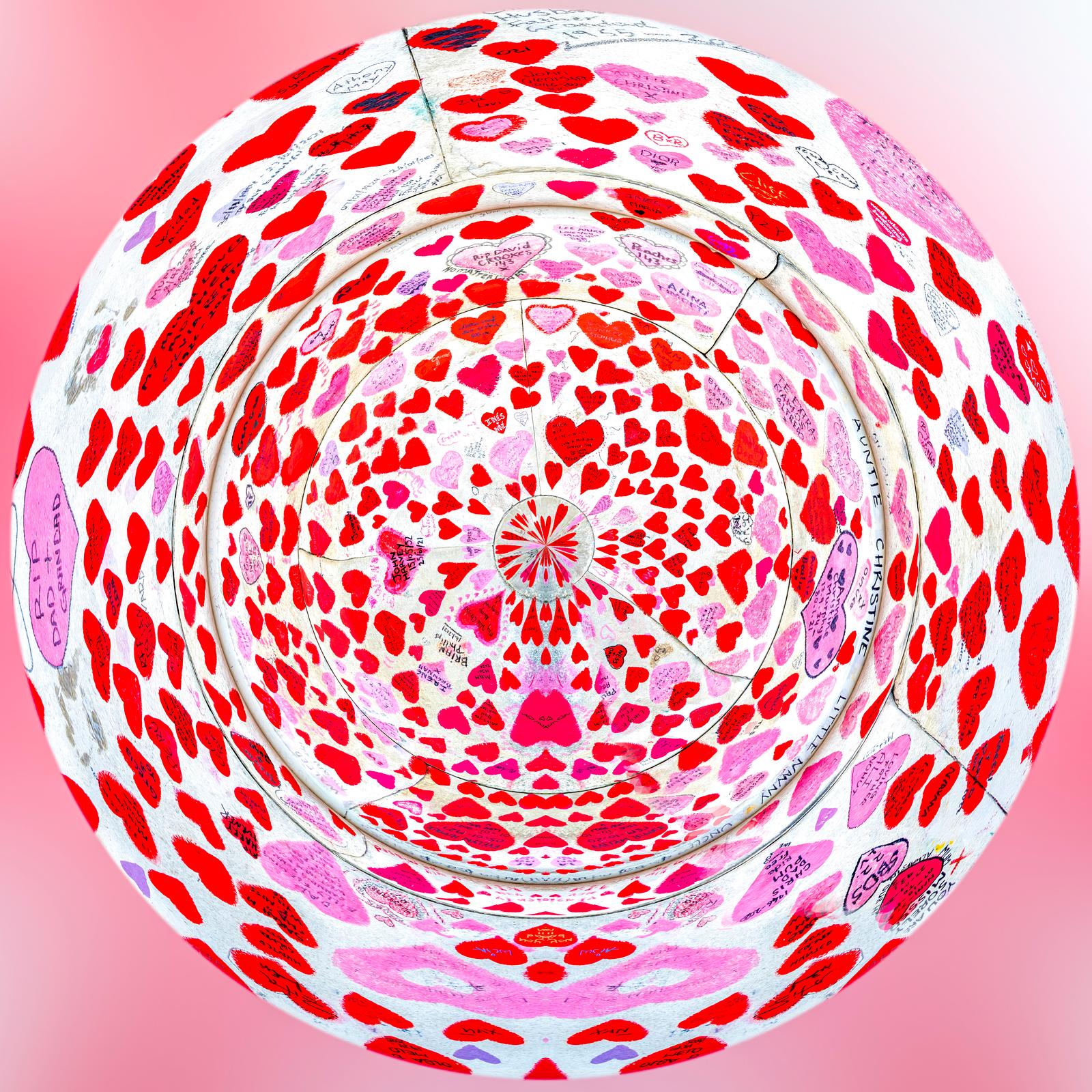
The authenticity of the work: limited edition, signature, certificate
What should you look for to identify a print?
• Be available as a limited edition, often comprising between 5 and 30 copies. My series Relief Planets is available as a limited edition of 3 copies plus 1 artist’s proof.
• Be signed and numbered by the artist.
• Be accompanied by a certificate of authenticity.
These elements enable the work to be precisely identified, its provenance documented and the terms of its edition established. They provide important assurances to collectors, whilst not, on their own, determining the artistic or market value of a photograph. My ‘Imaginary Planets’ are offered in limited editions, signed, numbered and accompanied by a certificate of authenticity.
Giving a fine art photograph: an original and poetic gift
On what occasions should one give a fine art photograph as a gift?
• A birthday, a wedding, a housewarming, a birth.
• A decoration for an office or waiting room.
• A unique gift for a loved one who is an art lover or photography enthusiast.
You can give a small-format ‘mini planet’ as a gift or opt for a large-format framed print.
Frequently Asked Questions (FAQ)
What is the difference between fine art photography and decorative photography?
The distinction lies primarily in the artist’s approach and intention. A fine art photograph expresses a personal vision and artistic exploration, regardless of its format, medium or number of copies. Indeed, a photograph may possess a genuine artistic dimension whilst also finding its place in interior design. My Imaginary Planets are photographic creations offered in limited editions, signed, numbered and accompanied by a certificate of authenticity.
Should you choose a colour or black-and-white photograph?
The choice between colour and black and white depends above all on your sensibility and the emotion you are seeking to evoke. Black and white can reveal the power of shapes, textures and contrasts, whilst colour opens up other possibilities for expression, sometimes luminous, sometimes more mysterious. In my ‘Imaginary Planets’, I explore both approaches: each offers a different interpretation of reality. Above all, choose the work that moves you most.
Could you advise me on the format and finish?
Yes. My Imaginary Planets are available in various formats and finishes, depending on the piece. I can also offer you personalised advice on choosing a photograph that suits your space, your tastes and the atmosphere you wish to create. Please do not hesitate to contact me to discuss this.
Should one choose a photograph in the hope of it increasing in value?
I recommend choosing a photograph for the emotion it evokes and the pleasure of living with it. Neither a signature nor a limited edition guarantees an increase in its market value. Meeting the artist and understanding their creative process also adds a more personal dimension to the purchase.
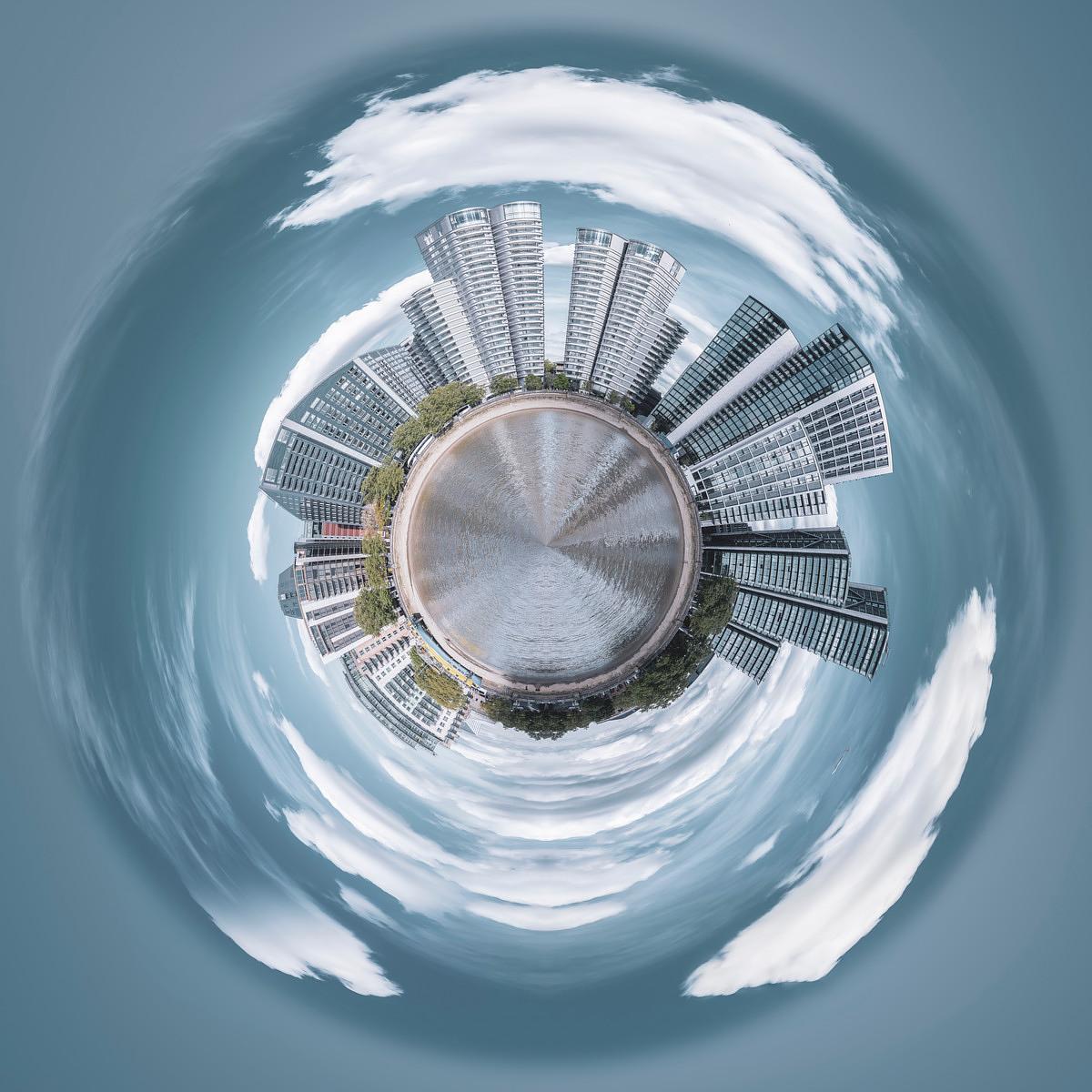
Conclusion: how to choose a fine art photograph?
Knowing how to choose a fine art photograph well means, first and foremost, letting yourself be guided by emotion. But it also involves careful evaluation: the quality of the print, the format, how well it complements your home, the authenticity of the work, and the artist’s style.
Dare to explore unique worlds, discover the original creations of contemporary photographers, and bring a photographic artwork that speaks to you into your home.
Are you torn between several photographs? Drop me a line to discuss your project. You can also explore my ‘Imaginary Planets’ and discover the works that immediately catch your eye.
Discover the works available in fine art finishes
The Imaginary Planets are available in several professional finishes: Fine Art prints, ChromaLuxe, Diachrome or other media depending on the artwork. Each print is produced as a limited edition, signed, numbered and accompanied by a certificate of authenticity.