
Collecting fine art photography is, above all, about choosing works that move us, challenge us or invite us to see the world in a different light. Beyond the image itself, every photograph has a story, an artistic vision and a physical presence through its print, format and finish.
How do you start a collection, recognise a limited edition, choose a medium or preserve your acquisitions? This guide offers some pointers to help you make informed choices, whether you are new to fine art photography or wish to expand an existing collection.
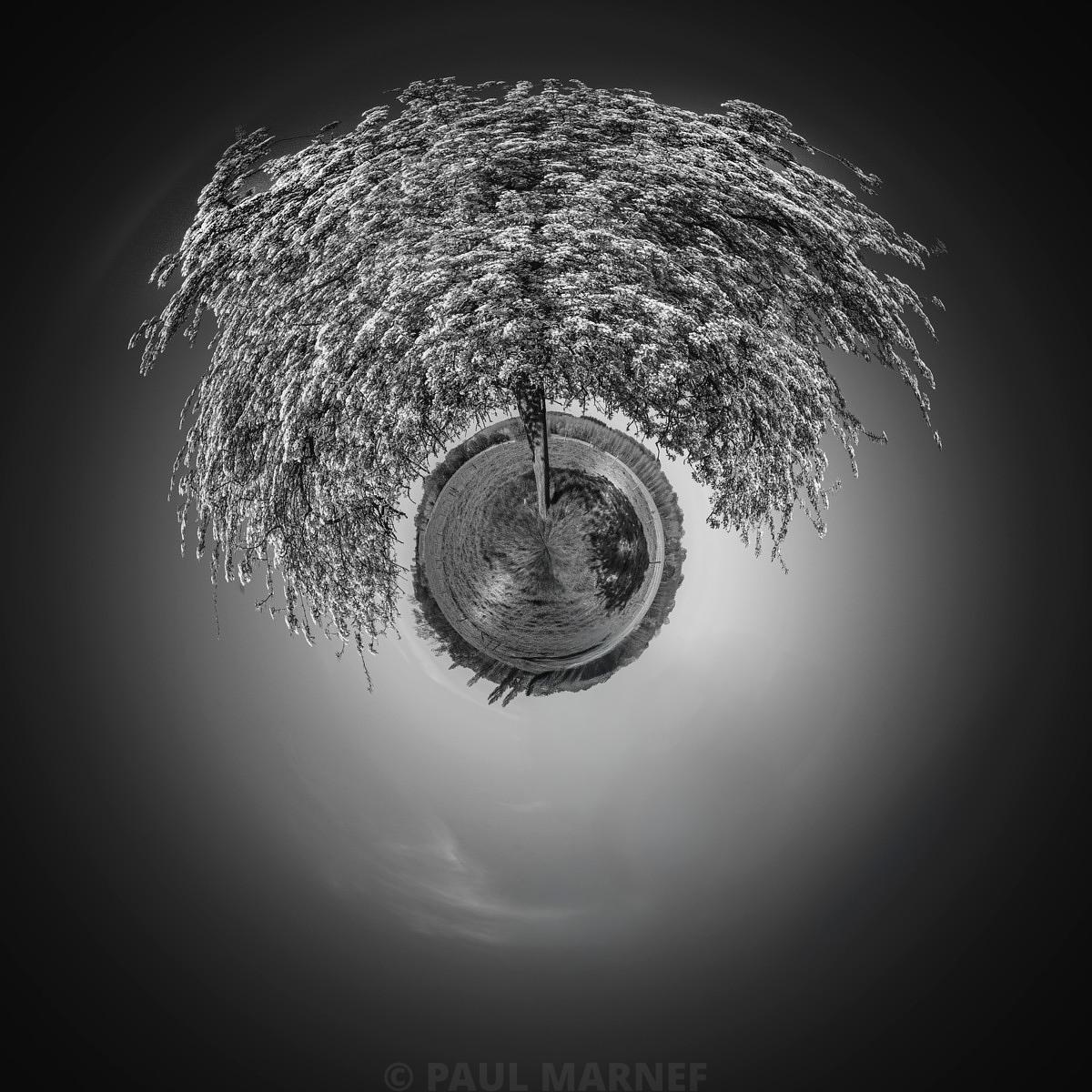
The benefits of collecting fine art photography
An accessible gateway into the world of art
Unlike other art forms, fine art photography often remains more affordable, even for limited-edition prints signed by the fine art photographer. It therefore enables many enthusiasts to start their collection on a reasonable budget, whilst gaining access to high-quality art, often exhibited in galleries or at contemporary art fairs.
Emotion and Narrative
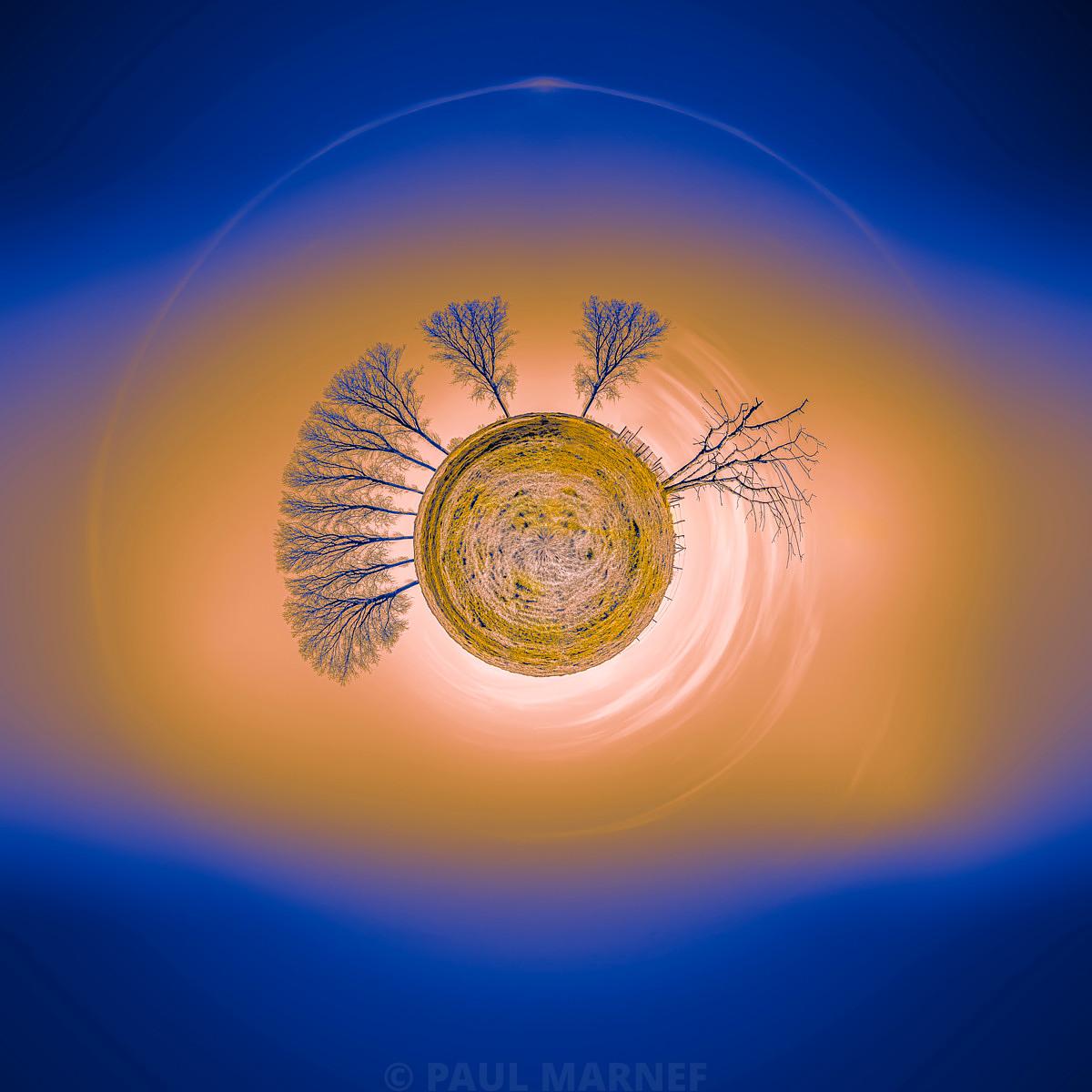
Every fine art photograph tells a story. As part of my ‘Imaginary Planets’ series, the image becomes a world unto itself, floating between realism and dream, sparking the imagination of every viewer. Collecting a photograph is sometimes more than simply buying a piece of art: it is forging an intimate connection with a poetic vision of the world.
Artistic value above all else
The value of a fine art photograph is not limited to its price: it lies above all in the artist’s creative process, the power of the work and the connection it forges with the collector. A limited edition, numbered, signed and accompanied by a certificate of authenticity, provides transparency regarding the print and its provenance, but does not guarantee an increase in its market value. Collecting remains, above all, an artistic and personal choice.
Art that blends into any interior
Contemporary photography—whether abstract, poetic or naturalistic—blends naturally into living and working spaces. It transforms a blank wall into a narrative canvas, introduces a visual breathing space and interacts with the architectural features of your home, office or gallery.
The various finishes prized by collectors
ChromaLuxe: depth and light
For some of my Imaginary Planets, I favour the ChromaLuxe finish for its luminous quality, the depth of its blacks and the richness of its colours. This technique is based on sublimation: the dyes penetrate a coating specially applied to an aluminium panel, producing an image with precise detail and a particularly refined finish. Chromaluxe offers good resistance to handling and everyday wear and tear; however, like any photographic work, it requires suitable display and care conditions to preserve its visual qualities over the long term.
Alu Dibond: the balance between simplicity and elegance
Mounting on Alu Dibond is another highly popular finish. Offering a flat, rigid surface, this technique showcases the image without excessive glare. Combined with pigment inkjet printing on Fine Art paper, it offers both colour fidelity and durability.
Plexi (Diasec or Plexi FineArt)
The image is protected here by a sheet of acrylic plexiglass. This adds depth to the image and accentuates the contrasts. Ideal for photographs with dark tones or very vibrant colours. This high-end finish creates a ‘gallery’ effect that is highly prized for exhibitions or collectors’ homes.
Fine art paper (Hahnemühle, Canson, etc.)
Some collectors prefer to purchase unmounted prints on fine art papers such as Photo Rag, Baryta or Metallic. These textured or satin-finish papers produce a refined finish, particularly for black-and-white prints or images with subtle colour nuances. They also offer the freedom to choose a fully bespoke frame.
Understanding limited editions of fine art photography
What is a limited-edition print?
This is a photographic work printed in a limited number of copies, generally between 3 and 30. Each copy is numbered, signed by the artist, and accompanied by a certificate of authenticity. This limitation defines the rarity of the edition and contributes to its uniqueness, without, however, guaranteeing an increase in the work’s market value.
Why do collectors prefer limited editions?
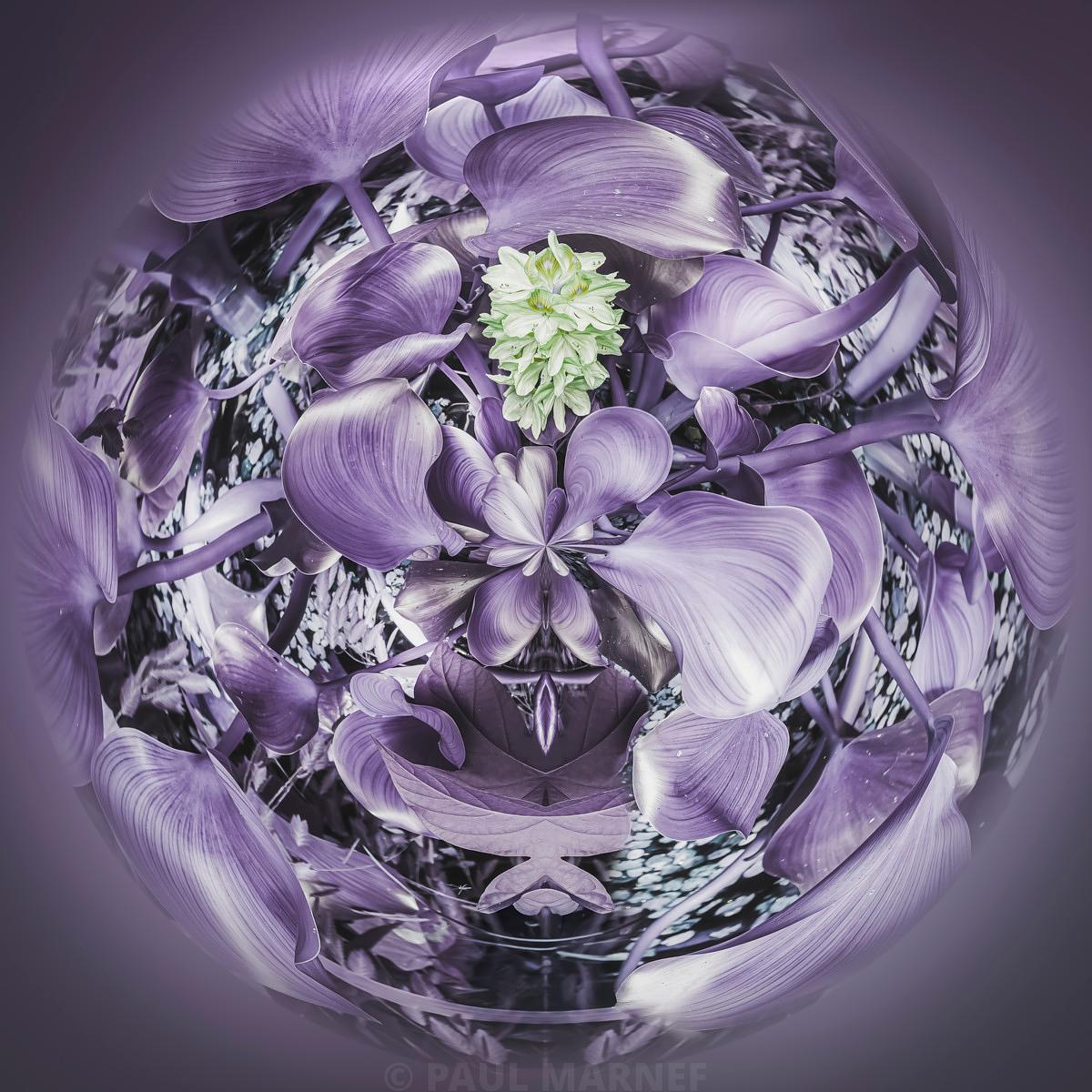
A limited edition distinguishes a work of art from a mere decorative print. It creates an exclusive link between the photographer and the buyer. For my Imaginary Planets series, each work is available in several formats, but always as numbered prints, which guarantees collectors genuine rarity.
Limited edition and decorative printing: what’s the difference?
A limited-edition fine art photograph differs from a decorative print produced without any limit on the number of copies. Each print forms part of an edition defined by the artist and is precisely traceable. As part of my ‘Imaginary Planets’ series, the works are signed, numbered and accompanied by a certificate of authenticity. Depending on the design and the finish chosen, they may be produced on Fine Art paper using pigment inks, by sublimation onto ChromaLuxe, or on other professional media selected for their aesthetic qualities and durability.
Advice on framing fine art photographs
Opt for a shadow box frame
This method involves mounting the photograph (usually on aluminium or plexiglass) within a frame that does not touch the artwork, creating a visual ‘floating’ effect. Understated, elegant and highly prized in galleries, this type of frame is perfect for showcasing contemporary works.
For prints on paper: mounted under glass with a mat.
Unmounted prints can be framed under glass, with a mat that allows the image to breathe. Choose anti-reflective glass (museum-grade or high-quality acrylic) to preserve sharpness and avoid light distortions.
Harmonising the frame and the photograph
The frame must never upstage the image. It must complement the work’s style and blend harmoniously into the exhibition space. Minimalist for clean-lined photographs, natural wood for more organic atmospheres, or matt black for an elegant contrast.
How to showcase and preserve your fine art photographs
Choosing the right exhibition venue
Avoid prolonged exposure to direct light or damp rooms (bathrooms, kitchens). Although certain finishes, such as ChromaLuxe, are extremely durable, it is still advisable to take precautions.
Maintaining humidity and temperature
Photographs printed on fine art paper require special care to preserve their quality over time. It is recommended that they be displayed away from direct sunlight, excessive humidity and significant temperature fluctuations. Framing using materials suitable for long-term preservation, in particular an acid-free mat and protective glass, helps to ensure their longevity. Unframed prints should be stored flat in suitable conservation sleeves or folders, in a stable environment.
Authenticity: the certificate, the print, the signature
Please store the certificate of authenticity that accompanies your fine art photograph in a safe place. This document certifies the origin of the work and specifies, in particular, its title, artist, characteristics and edition number. It serves as an important reference in the event of transfer, resale or valuation, although it does not guarantee the work’s market value. You should also keep the purchase invoice and any other documents relating to the artwork.
Photographing and archiving your acquisitions
A good collector maintains an up-to-date inventory of their works: a photograph of the work in its frame, the certificate, the invoice and the date of acquisition. This enables you to better track the development of your collection and see its value increase over time.
In conclusion
Fine art photography is an inexhaustible field of exploration. Each work is a window onto a universe, a fragment of a moment captured in its most subtle light. Collecting photographic works means building a dialogue with these suspended moments. It also means encouraging living artists, supporting a demanding practice, and investing in enduring pieces.
Whether you are drawn to the visual poetry of my Imaginary Planets or to other forms of contemporary photographic expression, this short guide to fine art photography is here to guide you through your choices, your emotions and your questions.
Starting or expanding a collection
The Imaginary Planets are available in a limited edition, each accompanied by a certificate of authenticity. Whether in affordable small formats, large formats or premium finishes, every piece is designed to endure.
Let’s discuss your project centred on a fine art photograph
Would you like to view a print, choose a finish or discuss a piece? Contact me for personalised advice, or explore my Imaginary Planets.