
The Benefits of Printing Your Photographs as Fine Art on Hahnemühle Fine Art Baryta Paper: A Guide for Artists and Collectors

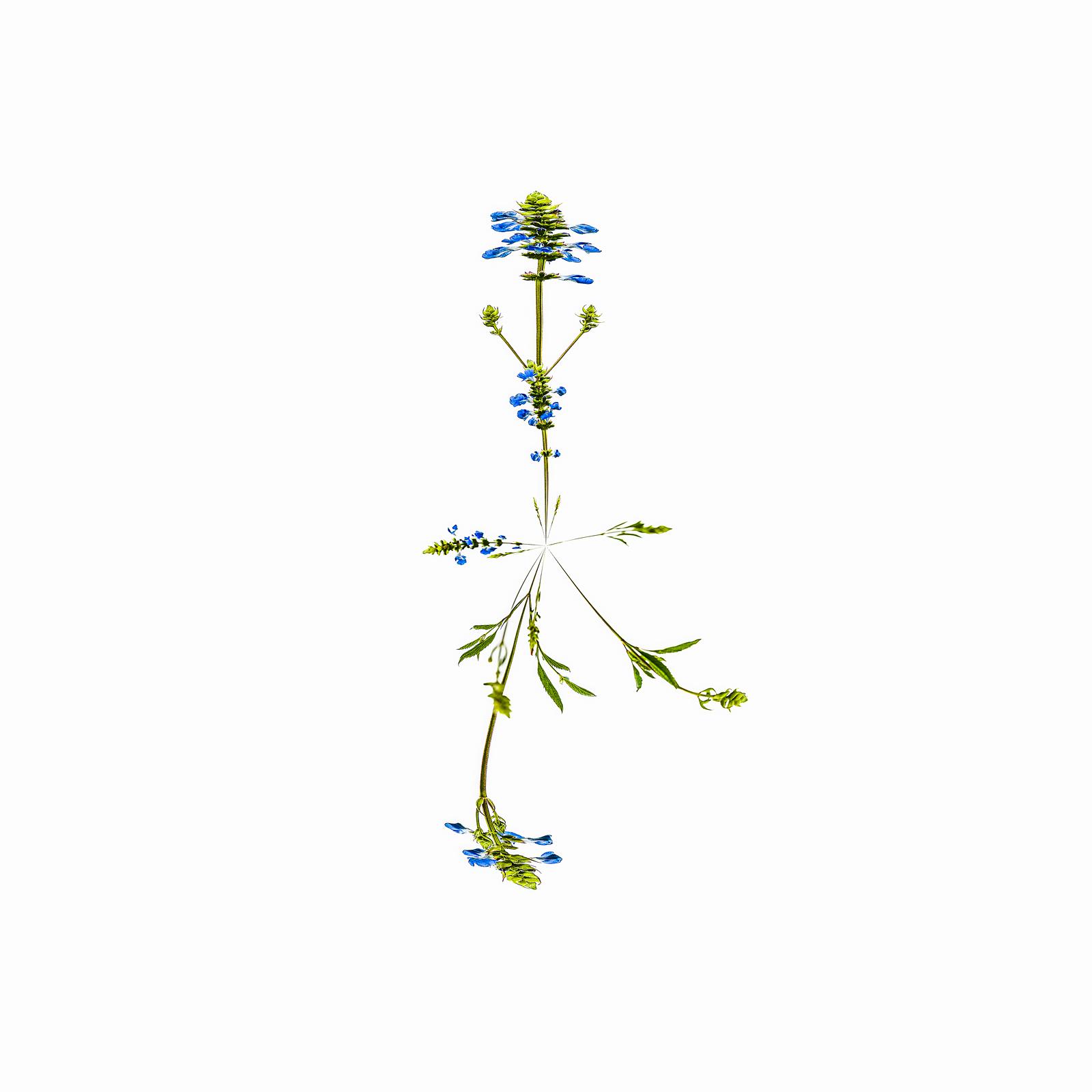
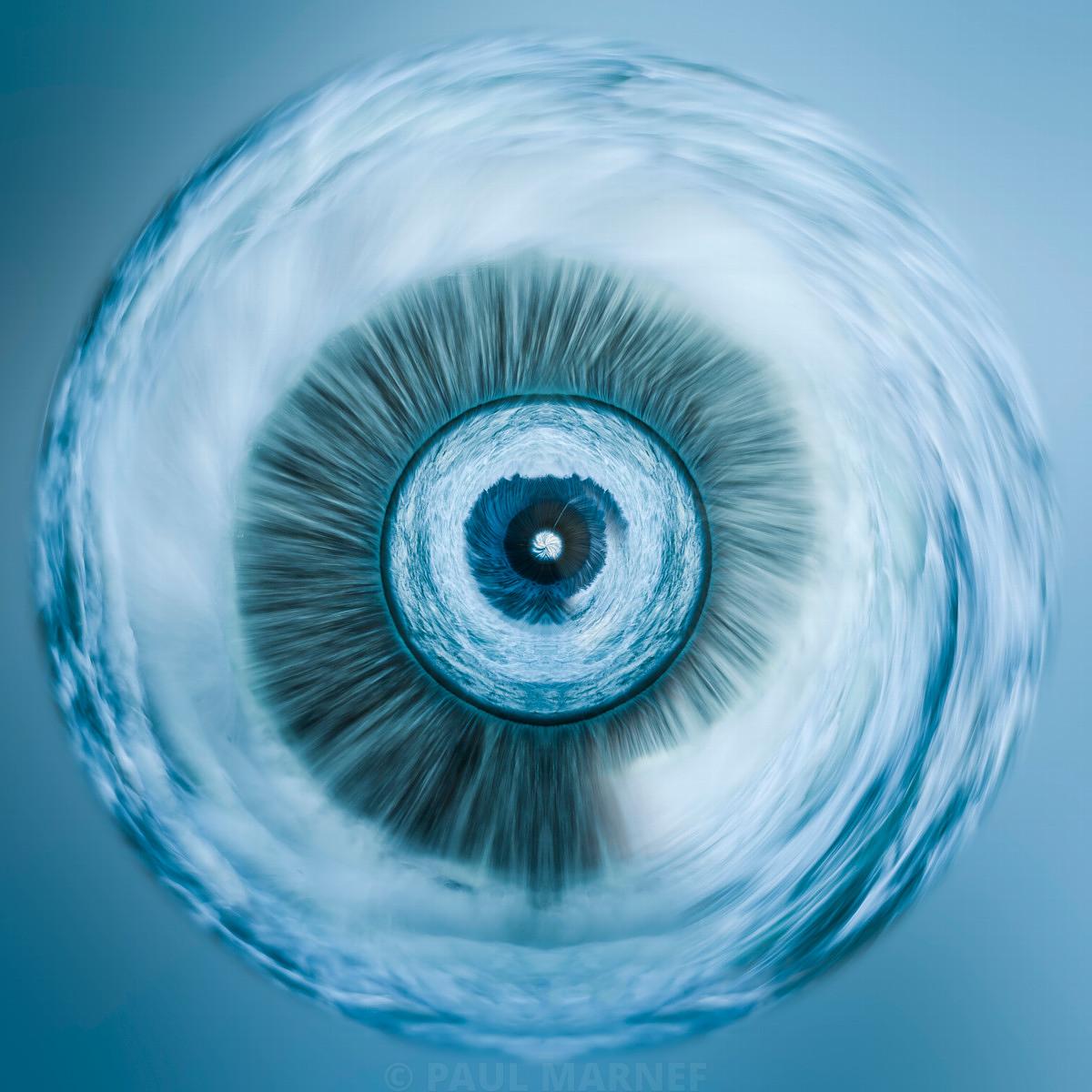
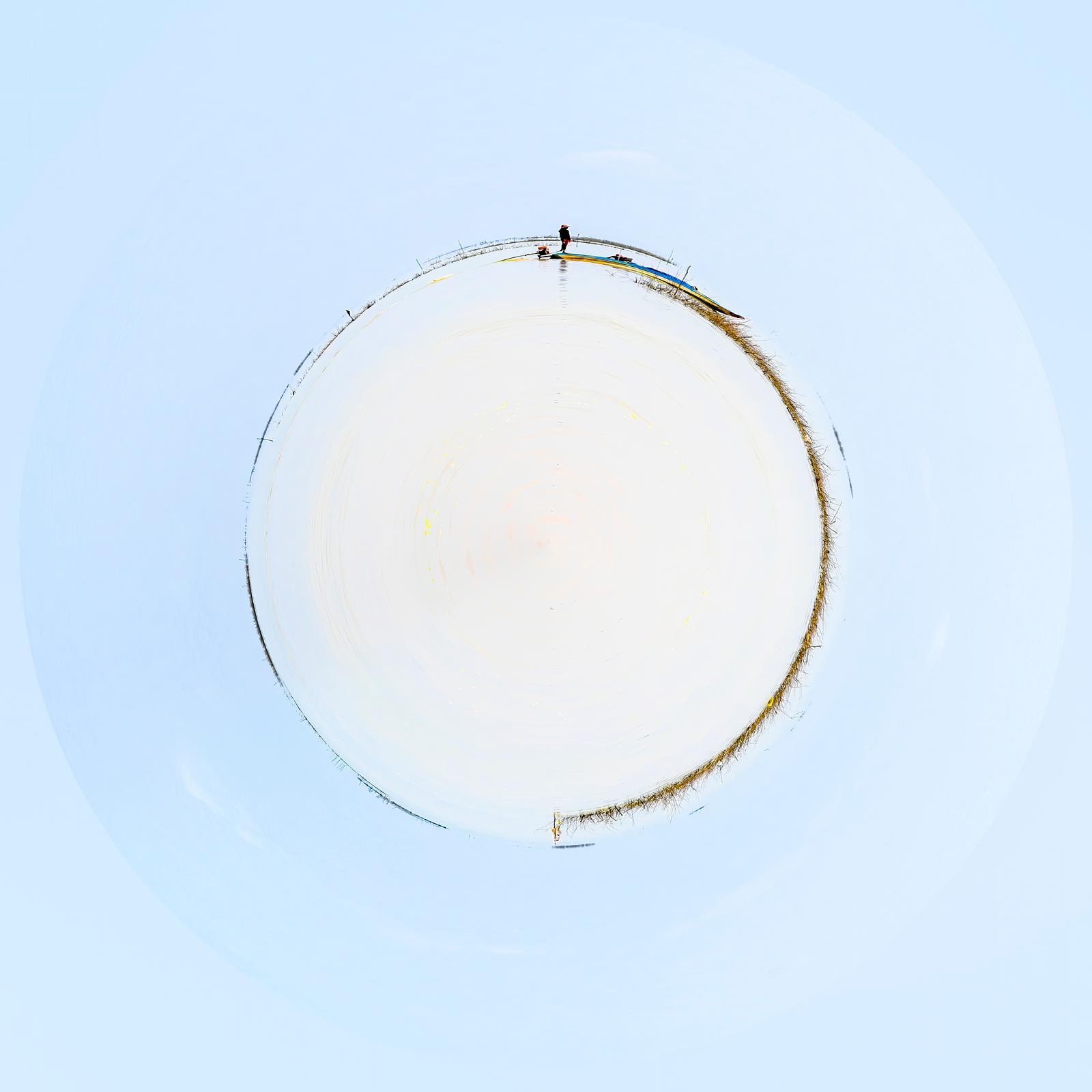
I am drawn to Hahnemühle’s FineArt Baryta paper for its glossy, textured surface and its rendering of contrasts. In my Imaginary Planets series, it can lend a distinctive presence to the blacks, the highlights and the details. The choice of paper depends on the image, the lighting conditions and the desired effect.
A Paper Inspired by the Tradition of Analogue Photography
FineArt Baryta takes its name and essence from the traditional baryta papers used in analogue photography. With barium sulphate in its coating, it faithfully reproduces the look and feel of classic prints, whilst incorporating modern advances in inkjet printing. This link to tradition makes it an ideal medium for artists wishing to combine authenticity with modernity.
Its dazzling white and high-gloss finish enable the reproduction of powerful contrasts and deep blacks – characteristics that are particularly sought after to enhance photographs. Works printed on this paper benefit from a striking visual effect, with remarkable depth and a three-dimensional quality.
A Versatile Medium for Timeless Works
One of the strengths of FineArt Baryta lies in its versatility. Whether you work in black and white or colour, this paper excels in both areas.
• For black-and-white photographs, it offers subtle gradation and excellent detail in the shadows, bringing out delicate nuances and textures. The deep black it produces is ideal for capturing the emotional intensity of monochrome images.
• For colour works, his specially designed inkjet printing process ensures faithful reproduction of tones, with vibrant saturation and exceptionally fine detail.
FineArt Baryta is also a medium of choice for large-format prints, allowing artists to fully realise their vision.
An Unrivalled Sensory Experience
In addition to its visual qualities, FineArt Baryta offers a valuable tactile dimension. Its delicately pronounced texture and 325 g/m² weight give it a unique feel, which enriches the viewer’s sensory experience. These qualities help to strengthen the emotional bond between the artwork and its audience, an essential aspect for artists wishing to leave a lasting impression.
A Durable Medium that Meets Museum Standards
The manufacturer describes FineArt Baryta as an acid-free paper that meets conservation requirements. This does not mean that a print will remain in good condition under all circumstances. Inks, light, humidity, mounting and handling also play a part. The Hahnemühle technical data sheet specifies the alpha-cellulose composition, the weight of 325 g/m² and the high-gloss surface.
This durability is a compelling argument for collectors, who invest in pieces intended to be passed down to future generations. For an artist, offering prints produced on paper that meets these standards is a mark of seriousness and professionalism.
Added Value for Collectors and Buyers
Art collectors and discerning buyers seek works that combine aesthetics, authenticity and longevity. Printing on FineArt Baryta perfectly meets these expectations:
1. Superior aesthetics: The paper provides a premium finish, highlighting the beauty and subtlety of the photographs.
2. Authenticity: The link with the tradition of silver-based baryta paper adds a heritage dimension to the works.
Preservation and limited editions are two distinct matters. The paper contributes to the appearance and durability of the print; authenticity and the number of copies are documented by the signature, numbering and certificate.
By investing in prints on this medium, collectors are not merely acquiring a visual work; they are investing in a timeless work of art, capable of fitting equally well into a private collection or an exhibition space.
The General Advantages of Baryta Photographic Papers
Beyond FineArt Baryta, baryta papers in general hold a special place in the world of photographic printing. They combine the following qualities:
• Excellent reproduction of detail: Their specific coating ensures a faithful reproduction of textures and nuances.
• High contrast: Baryta papers accentuate contrasts, making them ideal for striking images.
• Luxurious appearance: Their glossy or satin finish and generous paper weight give them a high-end look.
These qualities make baryta papers a popular choice for exhibitions, artists’ portfolios and prints intended for sale.
Choosing FineArt Baryta Paper: A Strategic Decision
For a fine art photographer such as Paul Marnef, who specialises in limited editions of artistic photographs, the use of FineArt Baryta paper is a strategic asset. This medium showcases the works whilst meeting the high expectations of art collectors and buyers.
As an artist, printing on FineArt Baryta allows one to stand out, whilst offering one’s audience a distinct aesthetic and tactile experience. For collectors, it provides the assurance of acquiring exceptional pieces that are both beautiful and durable.
In conclusion, Hahnemühle’s FineArt Baryta is not merely a printing medium; it is an extension of the artistic vision, a vehicle for emotion, and a guarantee of quality for collectors. For any artist keen to enhance their works and ensure their lasting impact, this paper is an essential choice.
Discover the works available as fine-art prints.
The Imaginary Planets are available in several professional finishes: Fine Art prints, ChromaLuxe, Diachrome or other media depending on the artwork. Each print is produced as a limited edition, signed, numbered and accompanied by a certificate of authenticity.
Fine Art Baryta paper: how do you compare the finish of a print?
Before selecting a photographic paper, I recommend examining a printed proof rather than relying on catalogue descriptions alone. On glossy paper, light can enhance the depth of blacks and colours, but it can also create reflections. The difference compared to matt or satin paper can be seen by changing your viewing angle slightly. For my photographs, this observation helps me decide whether the surface complements the composition or draws too much attention to itself.
File, printer and inks: quality is built together
Inkjet printing does not depend on the paper alone. The photo lab must calibrate the file, the printer, the inks and the colour settings. ICC profiles corresponding to the equipment and the paper provide guidelines; checking the proof remains essential. I examine the sharpness of the details, the gradients, the shadows and the highlights. A successful fine art print respects these relationships without seeking to make every colour more intense at all costs.
Formats, mounting and exhibition lighting
The 325 g/m² weight lends the sheet its rigidity; it does not replace careful consideration of how it will be framed. For large formats, or for prints mounted under glass or on backing boards, you will need to confirm the presentation with the laboratory. Bear in mind the overall dimensions including the frame, the margins, the hanging method and any reflections from your usual viewing position. To distinguish between the paper and the panel on which it can be mounted, see my article on Dibond aluminium backing. The two options complement each other and do not describe the same thing.
To continue your exploration
Would you like to find out more about a particular work or how it is presented? Please write to me to discuss it. You can also explore other topics on the fine art photography blog.
See also: Photo printing on Hahnemühle Photo Rag Metallic – Pantachrome; Torchon Fine Art Paper: texture enhancing my photographs.