
I am drawn to Awagami fine art paper for its texture and the way it creates a dialogue between the fibres and the image. In my Imaginary Planets series, the choice of medium serves a specific purpose: to allow light to diffuse, to emphasise a texture or to lend a softer quality to the landscape. Here are the criteria I consider before selecting a Japanese paper for a print.
Awagami: a family of Japanese papers, not a single texture
The Awagami Inkjet Papers range is designed for digital printing on washi. It comprises several variants: the fibres, colour, thickness and texture vary. It is therefore important to examine the specific paper on offer, rather than assuming the same qualities apply to the entire range. For me, this diversity opens up possibilities for presentation; however, it does not replace the need to carry out a test print.
The medium changes the way we see the image.
Paper is not merely a blank background. Its material contributes to the feel of the print: it can render light more diffused, bring out a light area or introduce visible grain. In an Imaginary Planet, I seek a dialogue between this presence and the details of the landscape. A highly expressive texture can enhance the atmosphere; it can also distract from the subject if it takes up too much space.
Nuances, colour and black and white: looking at a test print
I examine the shadows, highlights and transitions before finalising a pairing of image and paper. A screen does not allow one to fully assess these effects. The printed proof is viewed under natural light and from various distances. For a different type of surface, my article on FineArt Baryta paper presents a different approach to contrast and gloss.
Printing: matching the file, ink and paper
AIJP papers have a coating suitable for inkjet printing. The manufacturer provides ICC profiles for certain combinations of papers and printers. Choosing the correct profile, adjusting the print settings and checking the result remain essential. The paper’s reference number is also important in terms of its colour and performance: two sheets of different weights do not necessarily appear the same.
Presenting the paper without detracting from its character
I consider the margins, the mat and the frame alongside the format. If the paper’s appeal lies in its texture, the presentation must allow space for this to be appreciated. Whether the print is mounted or set under acrylic must be discussed with the laboratory to ensure the chosen method is appropriate. My article on framing a fine art photograph will help you distinguish between these options.
Preserving a print: paper isn’t everything
Preservation depends on the combination of paper, inks, mounting and display. I avoid promising a universal lifespan: direct sunlight, humidity and handling all influence ageing. Please ask for recommendations specific to your chosen print and avoid touching the printed surface.
Choosing a paper for a work of art, rather than for its name alone
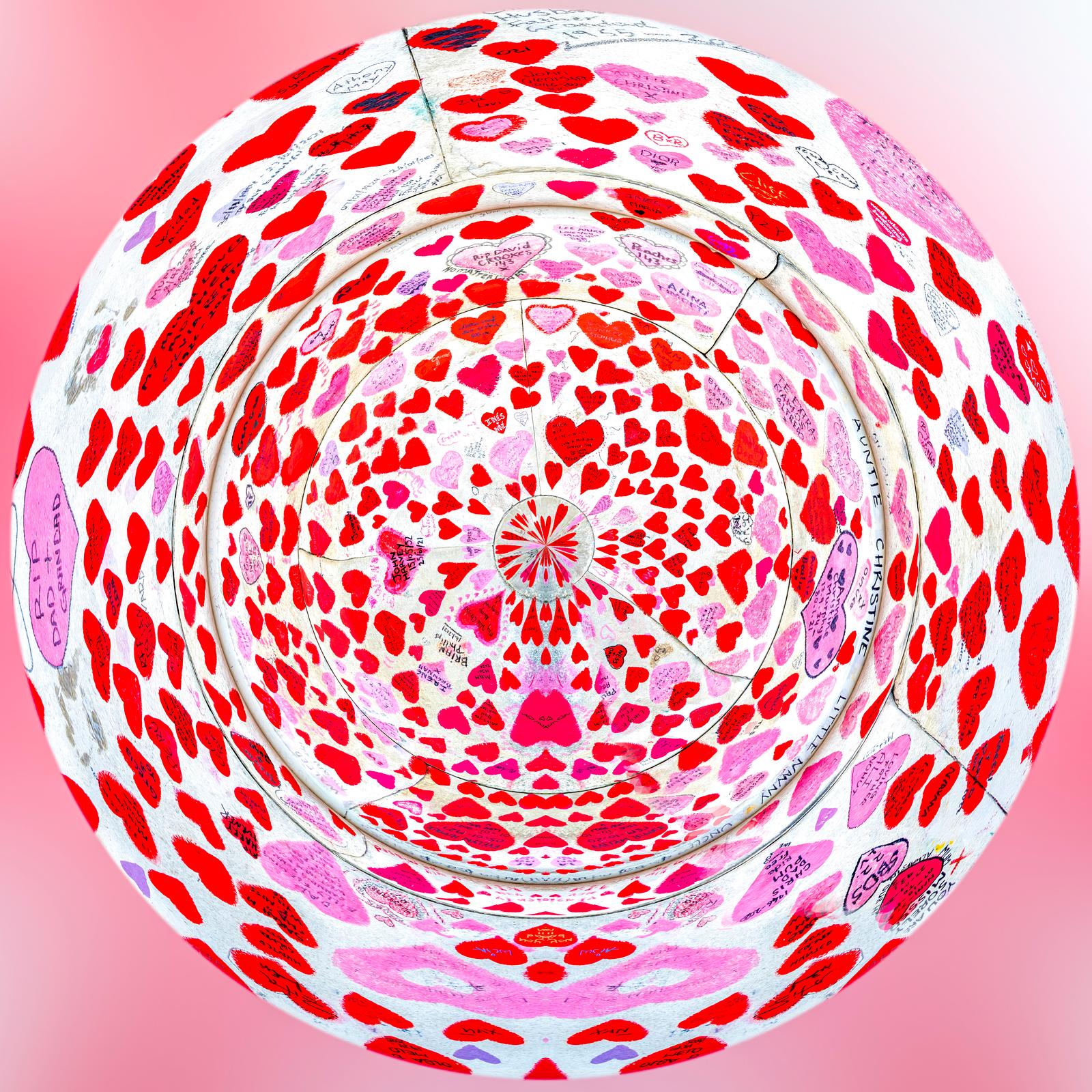
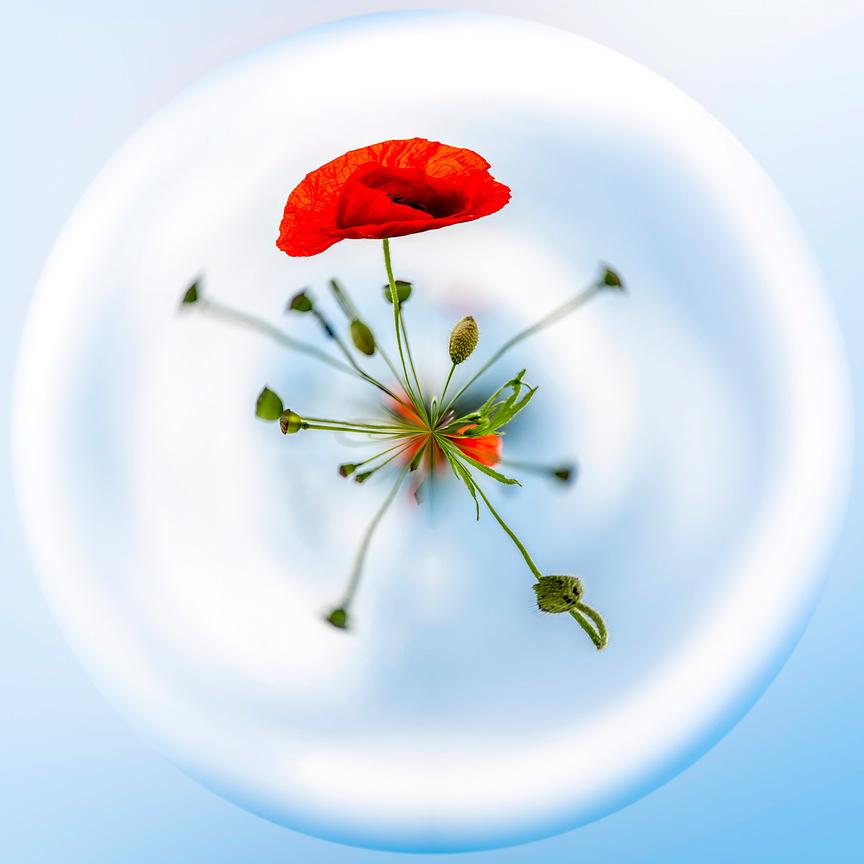
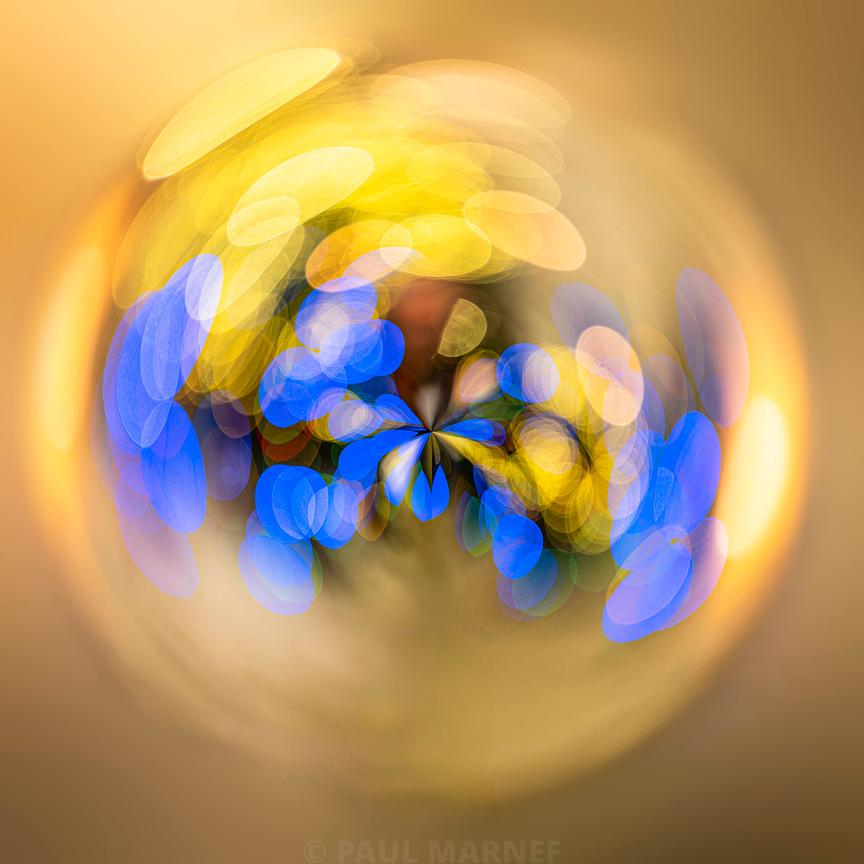
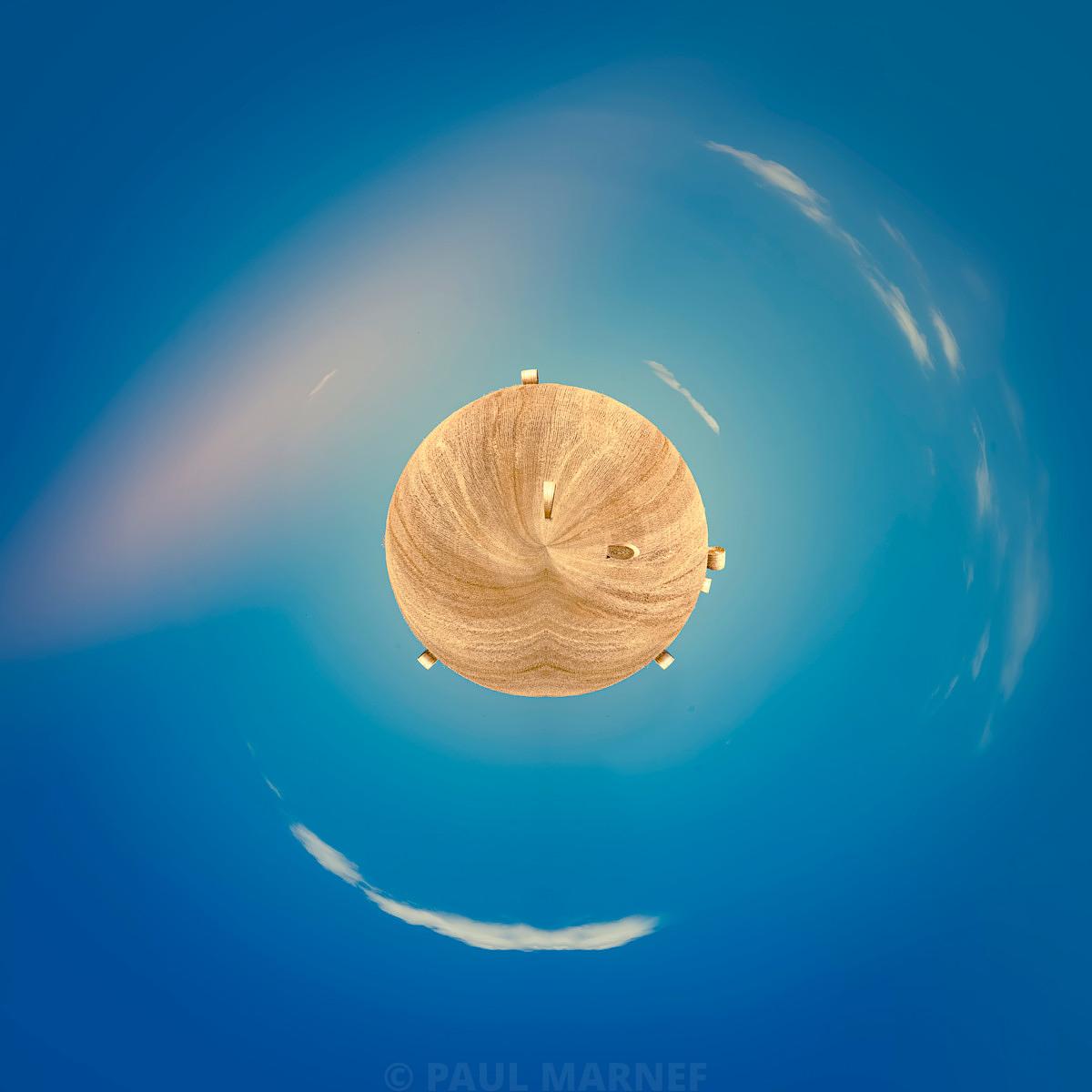
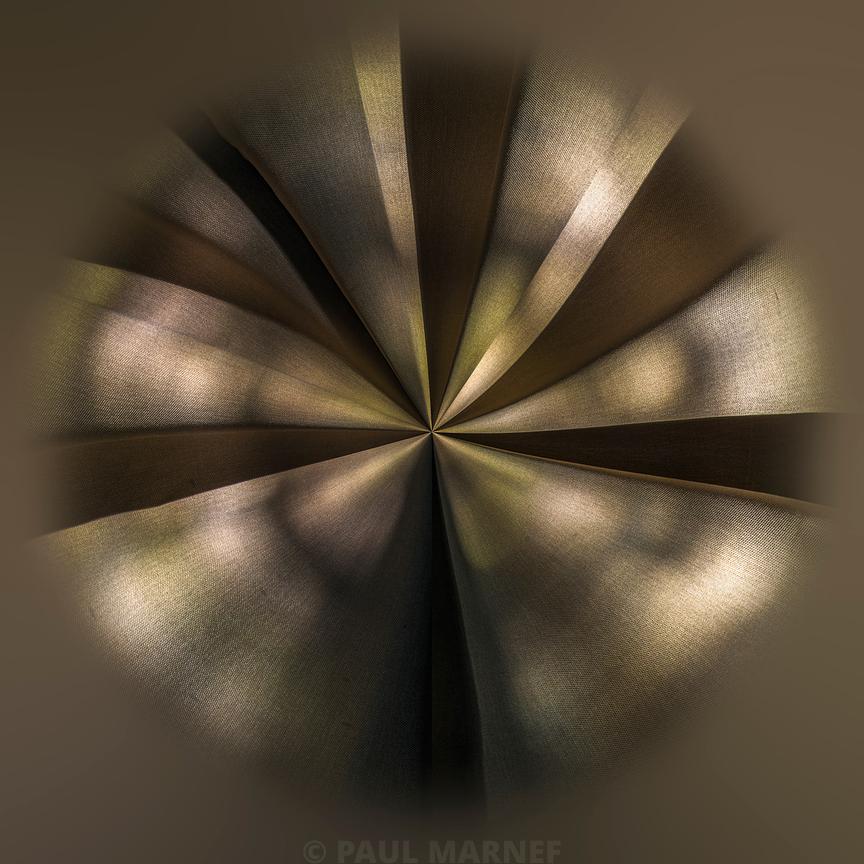
In my Imaginary Planets series, my guiding principle remains the coherence between the transformed landscape and its representation on paper. The illustrations in this article offer a glimpse into my world; an online image alone does not fully convey the quality of an Awagami print. If a piece catches your eye, we can check together the finishes available on its product page.
Some Imaginary Planets to discover
To continue your exploration
Would you like to find out more about a work or how it is presented? Please write to me to discuss it. You can also explore other topics on the fine art photography blog.