
Piezography: printing excellence for photographic artworks
I am drawn to piezography for the subtlety of its transitions and the way it reveals nuances in a black-and-white photograph. Some of my Imaginary Planets thus take on a different presence, with a focus on textures and light. Here is how this printing process contributes to their presentation. To continue this exploration of contrasts, do also explore the works in which black features; this selection also includes colour compositions.
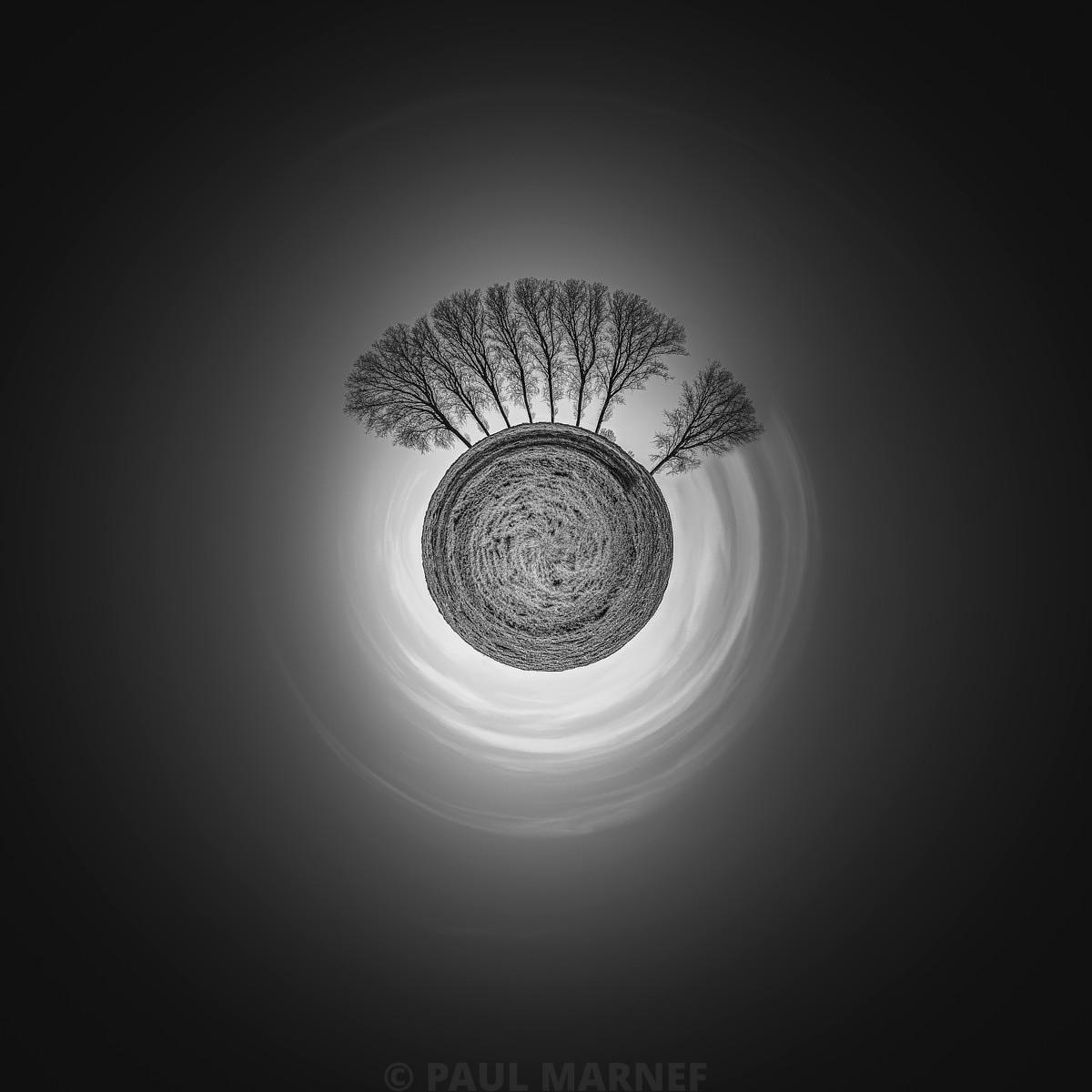
What is piezography?
Piezography is a specialist inkjet process dedicated to monochrome. Piezography systems employ dedicated ink sets and a calibration workflow to refine transitions and tonality. The result can be neutral, warm or cool, depending on the system and settings chosen.
Specialist inks are selected to match the printer, the paper and the calibration curves. This process gives the laboratory precise control over the monochrome output. It is not appropriate to reduce all systems to the same number of inks or to a single formula.
The term ‘piezo-graphy’ derives from the word ‘piezoelectric’, referring to the technology used by certain digital print heads to propel ink droplets onto the paper with microscopic precision.
The technical process: artisanal precision and digital excellence
1. Specially formulated inks
Specialist inks are selected to match the printer, the paper and the calibration curves. This process gives the laboratory precise control over the monochrome output. It is not appropriate to reduce all systems to the same number of inks or to a single formula.
2. A bespoke calibration
The laboratory fine-tunes the combination of printer, inks and paper. Piezography documentation distinguishes between print curves and preview profiles: this process involves more than simply selecting a standard ICC profile. The proof remains the decisive factor in validating the shadows and highlights.
3. Exceptional art papers
The paper is chosen according to the ink system and the desired finish. Matt or glossy surfaces may be considered depending on the setup; piezography does not universally require 100 per cent cotton paper weighing more than 300 g/m². I first look at the harmony between the image’s shades and the printed surface.
4. Editorial work in the service of the artwork
Finally, the preparation of the digital file intended for piezography printing involves a specialised process, with extreme attention paid to densities, contrasts and micro-details. Each print is carefully produced, checked, numbered and signed, in accordance with the standards for limited-edition fine art prints.
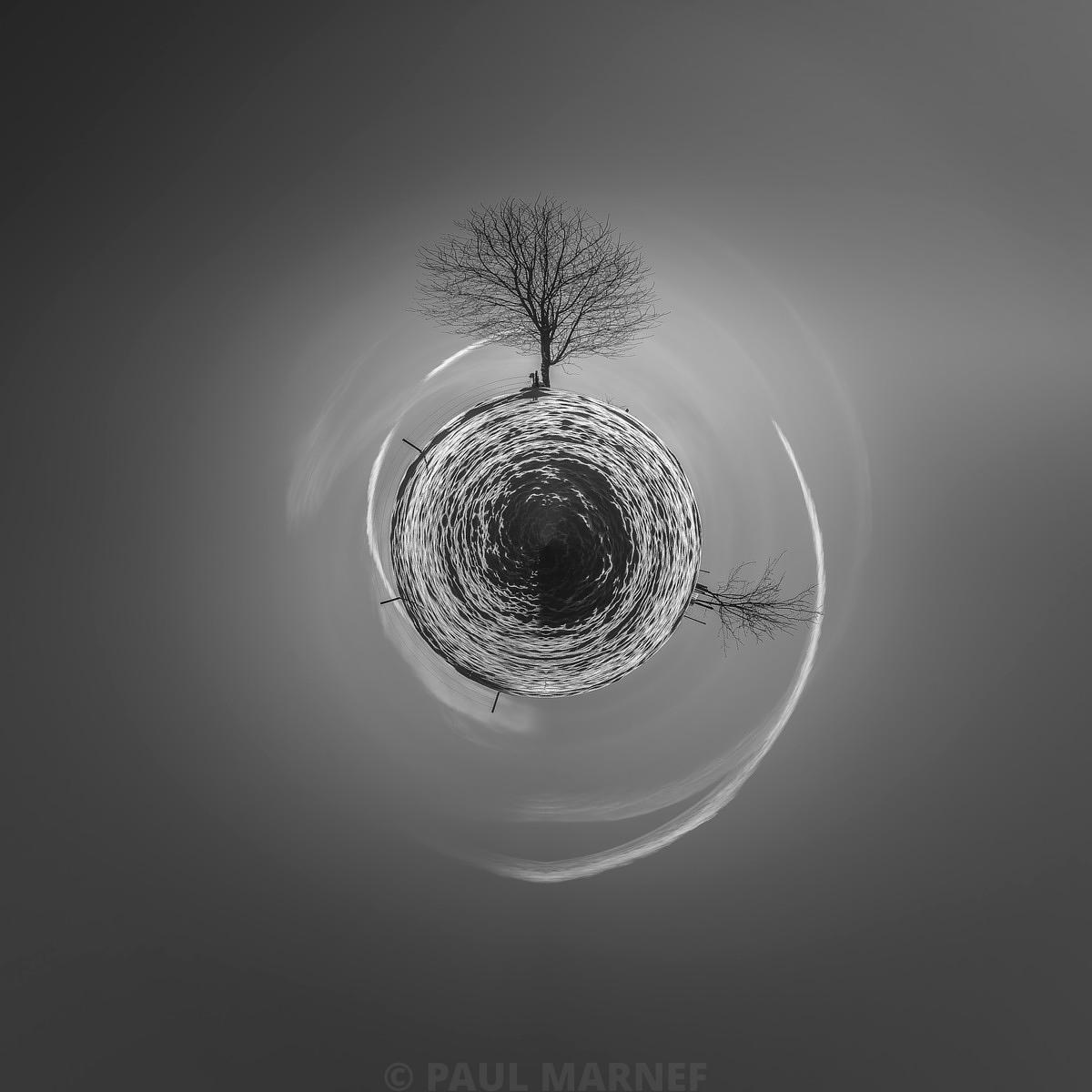
The advantages of piezography
Observing the transitions in black and white
• Ultra-smooth gradients, with no visible screen pattern or break in tone.
• Dense, deep blacks, free from glare, particularly on matt papers.
• Subtle greys, perfect for soft shadows, overcast skies or natural textures.
• No colour cast, unlike some prints produced using conventional printers.
A print in the service of photography
Piezography reveals all the poetry of a landscape, the power of a gaze, the texture of a tree, the echo of silence. It is ideal for bringing out the best in a black-and-white artwork, where every detail counts, with an exceptional finish.
A specialised translation to be checked against a proof
This type of photographic print is reserved for an elite group of fine art prints. Few photographic laboratories in Europe are equipped to produce a genuine piezography. This makes it an exclusive method, sought after by collectors, gallery owners, curators and foundations.
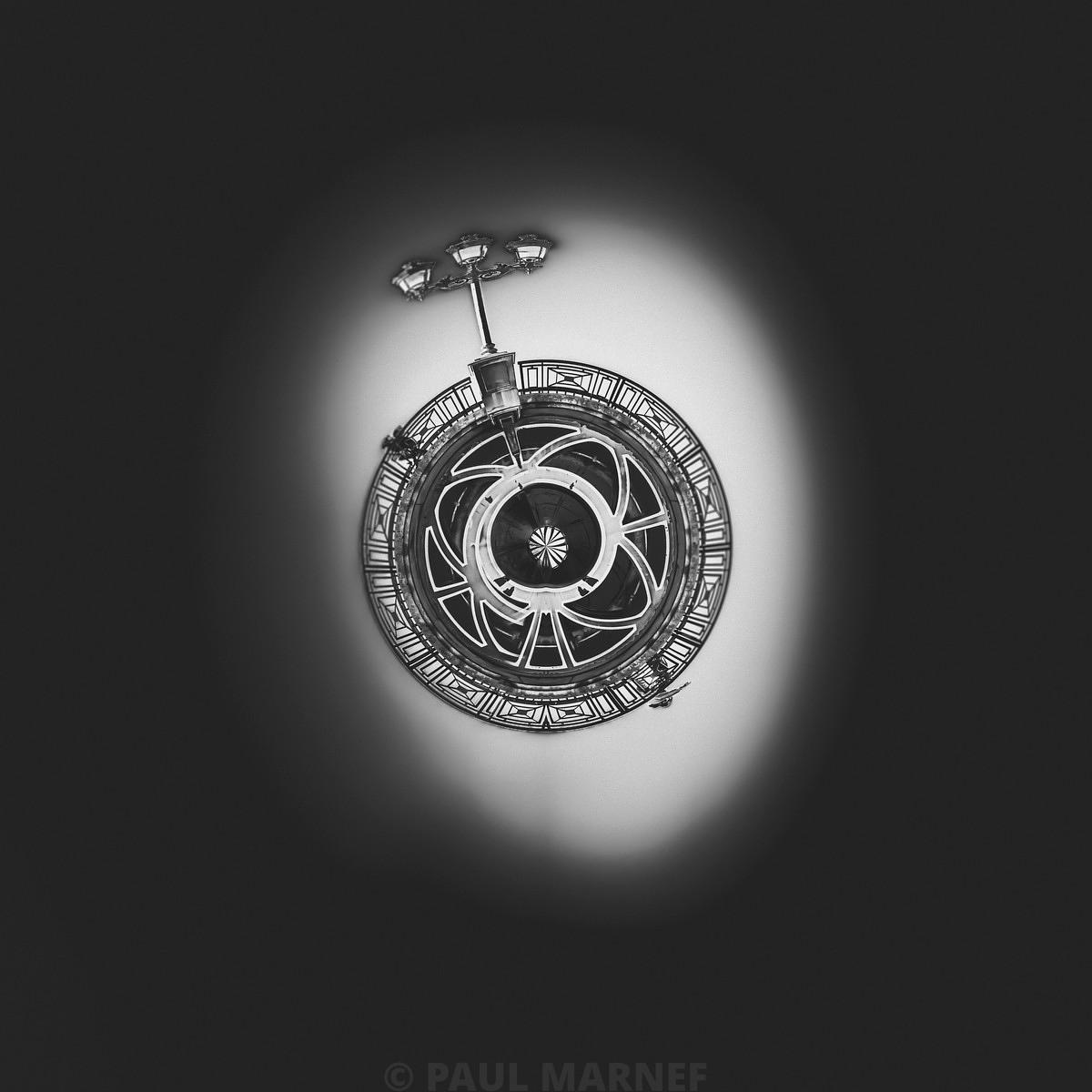
Why collectors are drawn to piezography
Process and authenticity: do not confuse the two.
Piezography describes a process, not the number of copies of a work. A limited edition is at the artist’s discretion and must be documented separately. For my Imaginary Planets, I specify the characteristics of the edition; no printing process guarantees future financial appreciation.
The edition is determined by the artist.
Piezography describes a process, not the number of copies of a work. A limited edition is at the artist’s discretion and must be documented separately. For my Imaginary Planets, I specify the characteristics of the edition; no printing process guarantees future financial appreciation.
A timeless aesthetic
Collectors who appreciate black and white are often drawn to the pure, unadulterated emotion conveyed by piezography. The matt, deep and organic finish evokes the tradition of analogue photography whilst offering the benefits of digital technology.
A prime piece for high-end interior design
The piezographic prints, carefully mounted (behind museum-grade glass, mounted on aluminium, in a natural wood or matt black frame), become centrepieces in contemporary or minimalist décor. They are at home in private interiors, architects’ offices, law firms or prestigious hotels.
Conclusion: Piézography and Imaginary Planets, a natural pairing
Some of my black-and-white Imaginary Planets are available as limited-edition, signed and numbered piezographic fine art prints, each accompanied by its certificate of authenticity. This choice arose naturally as a way of honouring the poetic richness of certain scenes, the delicacy of the lighting and the graphic balance of my black-and-white compositions.
I collaborate with a professional photographic laboratory specialising in piezography, a process that guarantees consistent quality and fidelity to my artistic vision. This approach allows me to present collectors and art lovers with a finished work that aligns with the exacting standards of contemporary fine art photography.
Find out more
To view the available Piezography works or to order a black-and-white Imaginary Planet in this exceptional finish, please visit the dedicated online gallery or contact me directly. I would be delighted to discuss with you the options for size, framing, or the story behind the image that has struck a chord with you.
Start or expand a collection of premium black-and-white photographs
The Imaginary Planets are available as a limited edition, each accompanied by a certificate of authenticity. The black-and-white fine art print, produced using piezography, offers a premium finish: each piece is designed to last.
To continue your exploration
Would you like to find out more about a work or how it is presented? Please write to me to discuss it. You can also explore other topics on the fine art photography blog.
See also: My first ZeroChrome-SbQ print: where photography, pigment and light meet; FineArt Baryta paper: contrast and texture for my photographic prints.