
The creation of my Imaginary Planets begins in the real world: a landscape, a light, a shape or a detail that catches my eye. The photographic process and the transformation of the image then open up a space between recognition and imagination. I invite you to follow this journey, from the moment the photograph is taken to the print that I sign.
The starting point: a landscape that catches my eye
My images are born from real places, from the light and forms that I photograph. A tree, a beach, a piece of architecture or a detail can become the starting point for a composition. I do not merely seek to document what I have seen: I wish to forge a different relationship with that place, somewhere between a travel memory and a mini-planet, sensation and imagination. The galleries of tree photographs and flower photographs allow you to compare different transformations of the same subject.
Transforming space without losing the connection to reality
The manipulation of the image shifts our points of reference and gives rise to a circular world. Sometimes the subject is recognisable; at other times, one might see an almost abstract form. This tension interests me: the landscape becomes both familiar and strange at the same time. Technical transformation is a compositional tool, serving the perspective I wish to share.
Light and colour set the tone
The same structure can appear peaceful, vibrant or mysterious depending on the nuances and contrasts. I work on these relationships to ensure the image retains its coherence. Black and white offers a different perspective, drawing attention to lines and textures. You can explore these differences in my selection of mini-planets by colour.
From file to print: bringing the image to life
The creative process continues with the choice of format and finish. The paper, whether glossy or matt, and the mounting all alter the viewer’s experience of the work. I check the final result before approving the print. The aim is not to apply the same finish to all images, but to find the one that best enhances their light and composition.
The limited edition: documenting the item on offer
My limited-edition prints are signed, numbered and accompanied by a certificate. The details of each edition can be found on the artwork’s information sheet. This documentation provides guidance for the purchaser; it is not a promise of financial return. The choice of a work remains, above all, an encounter with an image.
A piece for yourself, a collection or a gift
An Imaginary Planet can complement an interior, join a collection or mark a special occasion. I invite you to take the time to discover its story rather than simply choosing a single colour for your décor. The advice in my article ‘How to choose a fine art photograph?’ may help you pinpoint what resonates with you.
Explore further
Some of my photographs also feature animated content in augmented reality. This alternative way of experiencing the work does not replace the contemplation of the print: it offers a complementary experience. My article on photography and augmented reality explains this approach. You are also welcome to write to me to discuss the creation of an image or its presentation.
Some Imaginary Planets to discover
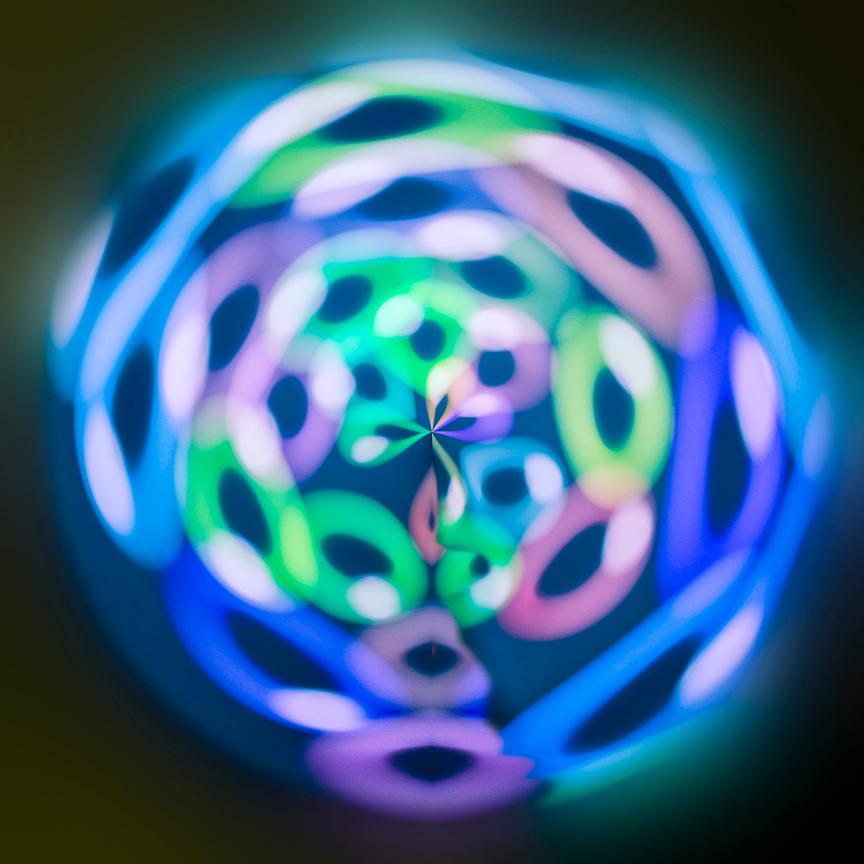
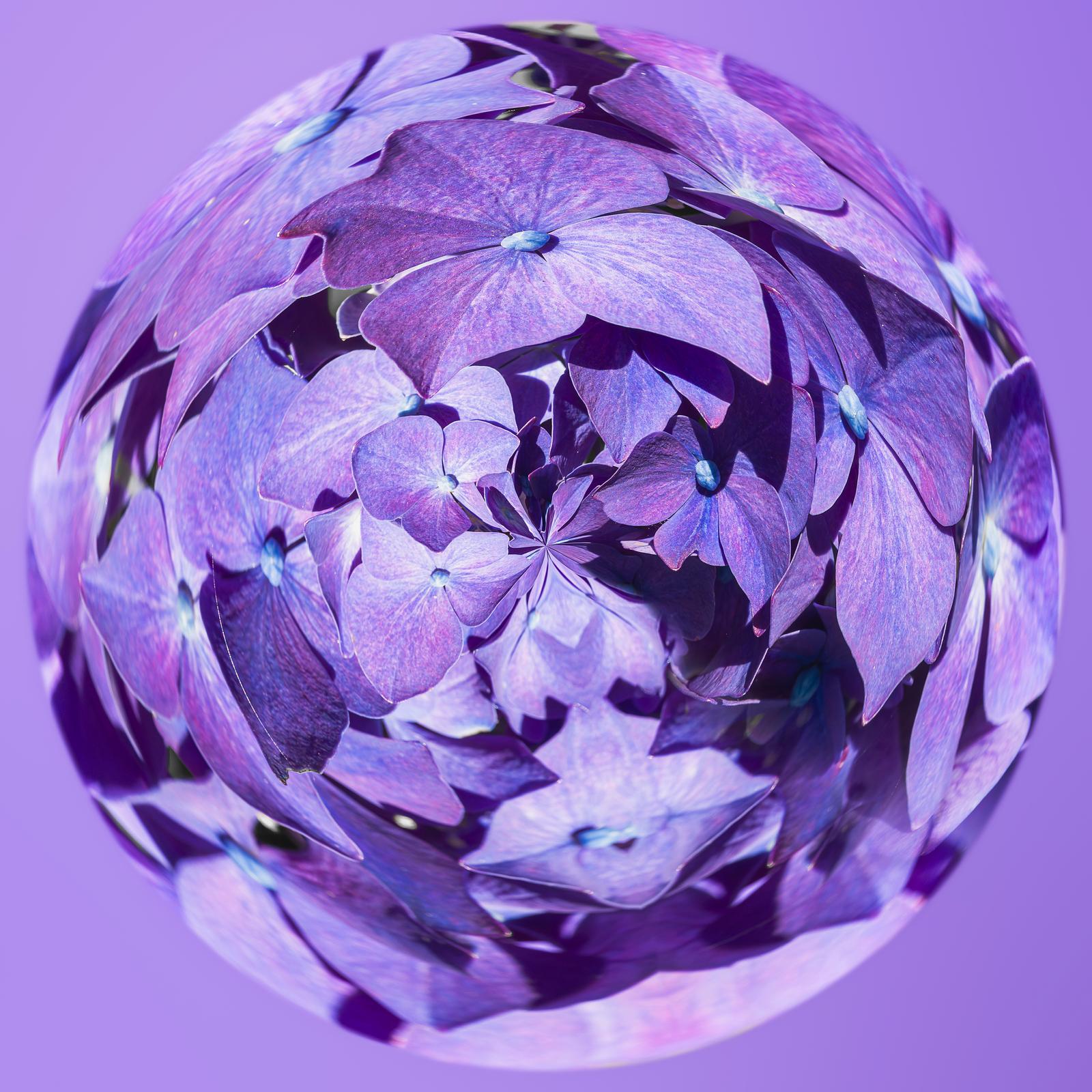
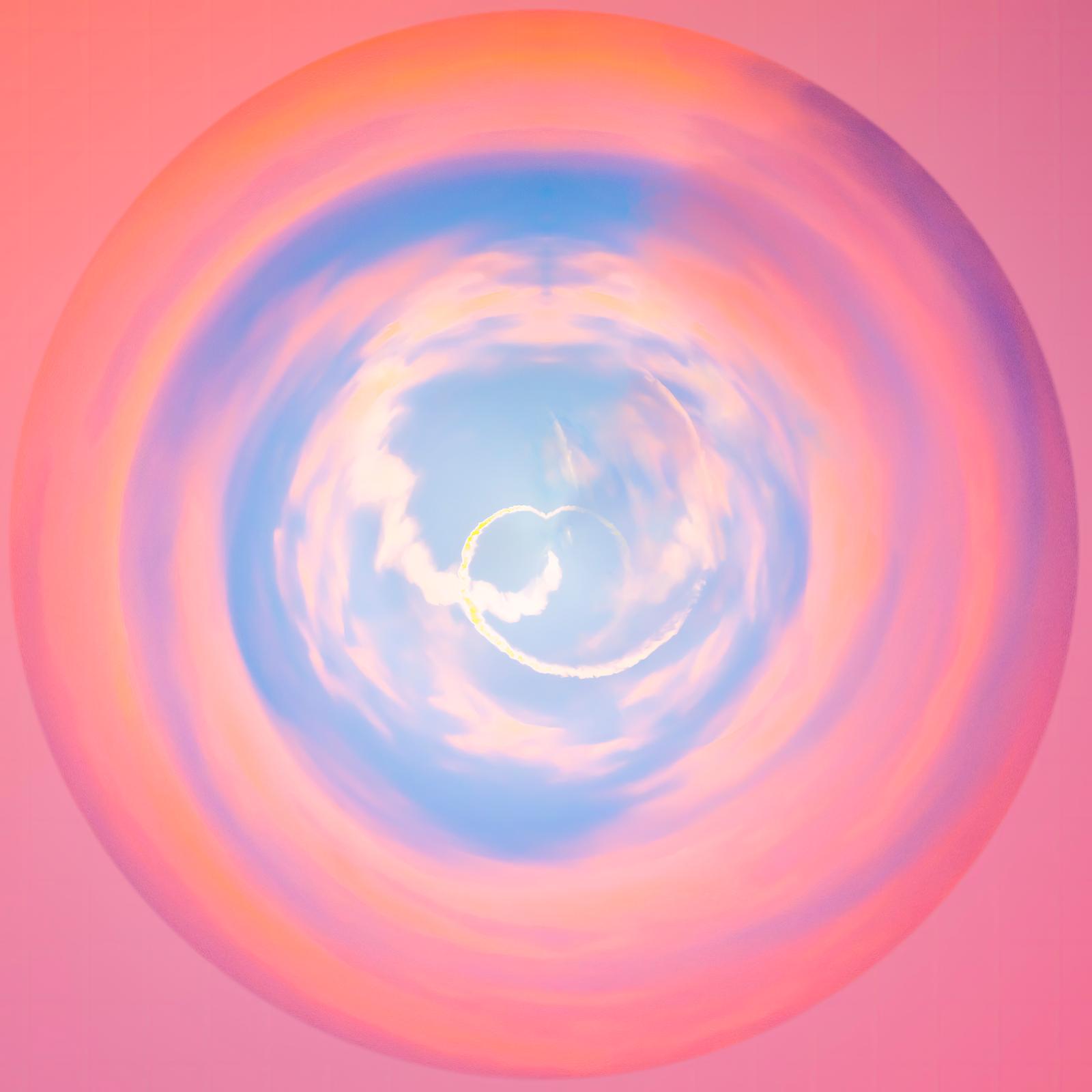
To continue your exploration
Would you like to find out more about a work or how it is presented? Please write to me to discuss it. You can also explore other topics on the fine art photography blog.
See also: Contemporary fine art photography: transforming reality to broaden our perspective; Fine art photography and augmented reality: extending the view of my works.