Which online gallery should you choose when looking for an art photograph?
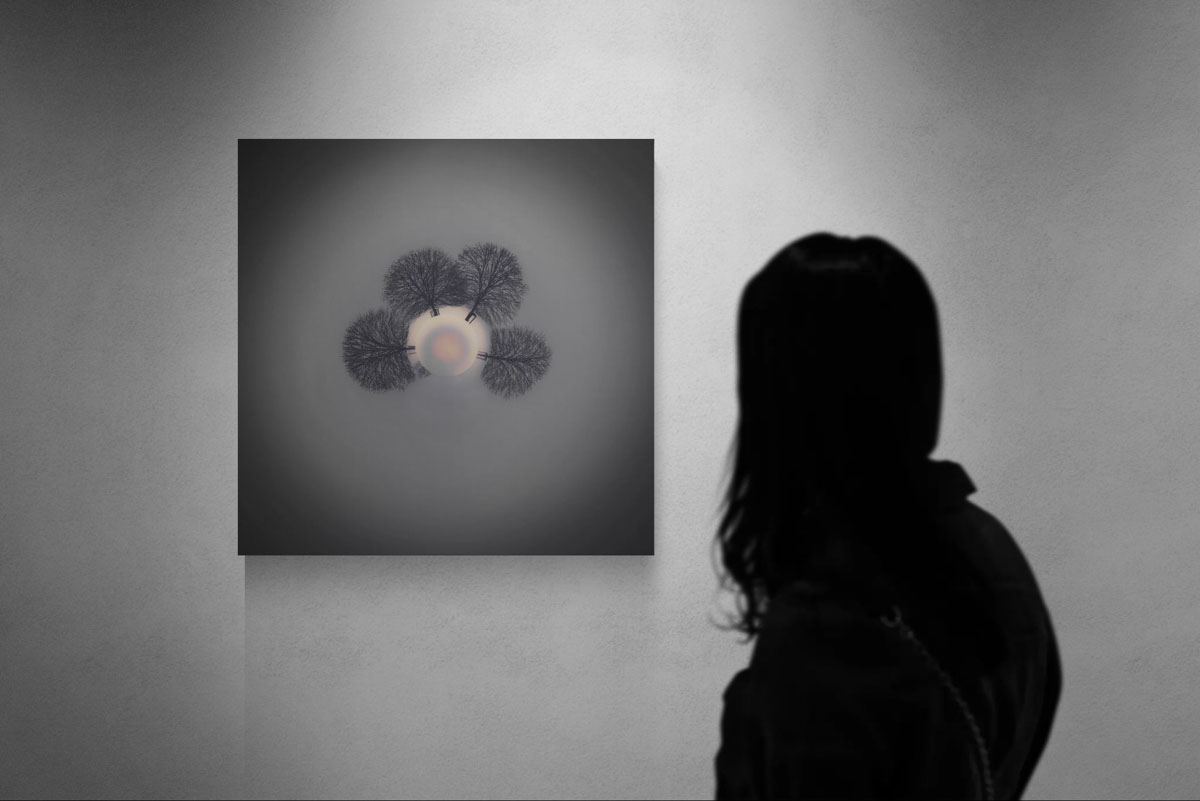
Welcome to the world of Imaginary Planets, a limited-edition series of fine art photographs where landscapes, trees, cities, flowers, the sea, and fragments of nature become poetic miniature worlds.
Browse my galleries according to your interests: new releases, large formats, accessible small formats, black and white, color, trees, landscapes, the sea, abstraction, or Crystalline Planets.
Discover my thematic galleries below


In the dynamic world of contemporary art, more and more art lovers, art collectors, and photographers are looking for a different way to experience art. Thanks to online galleries, it's now possible to discover artworks without leaving home, follow emerging artists, or even acquire a limited-edition photographic print from home.
But faced with such a plethora of options, a key question arises:
Which online gallery should you choose?
Here's a detailed guide to help you navigate the existing platforms and find the gallery that's right for you, whether you're an artist, a visual arts enthusiast, a collector, or simply curious.
1. Define your objectives: Why visit or join an online gallery?
First of all, identify what you expect from a art virtual art gallery:
• Are you a photographer or contemporary artist looking to exhibit your creations?
• Do you love visual art and are looking for an immersive, exhibition-like experience?
• Do you love visual art and are looking for an immersive, exhibition-like experience?
• Are you looking to give an artistic gift or decorate your home with high-quality prints?
Your goals will determine the type of gallery that suits you: an international platform, a specialized virtual gallery, or an artist's personal website.
The most beautiful photos of Occitania | Paul Marnef Photo2. The different types of online galleries
A. Art marketplaces
These are international platforms bringing together thousands of artists:
Artsper, Saatchi Art, Singulart, Artmajeur, etc.
Some of my mini-planet photo creations are also on Artsper.
They allow you to filter by style (photography, painting, sculpture, etc.), by budget, or by artist.
Advantages: high visibility, variety, secure payment.
Limitations: little human connection, sometimes impersonal selection, very standardized format.
B. Independent Online Galleries
These are often galleries, sometimes run by artists, professional photographers, or collectives, offering a coherent visual journey, with limited edition prints, sometimes accompanied by author texts, interviews, or virtual openings.
Example: Paul Marnef's online gallery – www.paulmarnef360.com
--) A poetic and immersive platform dedicated to art photography, with an iconic series: Les Planètes Imaginaires.
Advantages: authenticity, direct connection with the creator, unique works.
Limitations: smaller selection, but higher quality.
Find my Planètes Imaginaires on the following independent platforms:
C. Institutional Galleries
Museums and art centers offer virtual galleries to view their collections or purchase reproductions (posters, catalogs, limited editions).
Ideal for lovers of artistic heritage or modern art.
3. Essential criteria for choosing an online art gallery
Artistic specialization
Some galleries are focused on a specific type of art:
• Fine art photography
• Contemporary painting
• Sculpture
• Digital art
• Black and white
If you are passionate about contemporary photography, choose a gallery that values photographic work, professional media (Chromaluxe, Plexiglas, Photo Rag paper, etc.), and that emphasizes a strong artistic approach.
Presentation and usability
The quality of the visual experience matters. A clear, intuitive, and responsive interface on both desktop and mobile is a guarantee of reliability.
A good online gallery allows you to:
• Zoom in on works
• Filter by theme, color, or format
• Read detailed descriptions
• Add works to a wishlist
• Easily share a selection
Visibility and SEO
A well-referenced gallery allows you to easily find contemporary artists, series, or virtual exhibitions.
It can also include an art blog, interviews, or articles on current events in visual art.
Services offered to artists
For creators, an online gallery can offer:
• A virtual exhibition space
• The sale of limited-edition photo prints
• Visitor statistics
• Online events or exhibitions
• Support for the layout and presentation of works.
Payment and delivery
A reputable online gallery offers:
• Secure payments
• International shipping with tracking (in my case, shipping is free in Belgium)
• A certificate of authenticity
• Professional finishing (mounting, framing, fine art printing).
4. And why not create your own online gallery?
Are you a photographer, artist, or graphic designer? You can also create your own virtual art gallery via:
• WordPress with plugins like WooCommerce or Easy Digital Downloads
• Prestashop, for a gallery with integrated payment
• Jimdo, Wix, or Weebly, for a simple, no-code solution
• For my online galleries, I chose Photodeck, a photographer-oriented solution
• Specialized hosting services like Artlogic or Pixpa
The goal? To exhibit, tell stories, sell... while maintaining control over your visual universe.
5. Inspiring example: Paul Marnef's online gallery
Paul Marnef, a Belgian photographer, has designed an immersive artist gallery, centered primarily on an original series: Imaginary Planets.
Features:
• Limited edition works, available in various formats (small, accessible format or large formats for art collectors)
• Poetic texts for each work
• Seamless navigation by theme, color, mood, or style
• Direct contact with the artist for any questions or exhibition projects
This virtual gallery is a perfect example of what an artist can create to showcase their work and reach an international audience without relying on intermediaries.
6. Conclusion: Which online gallery should you choose? Follow your tastes, your values, and your perspective.
Whether you're a visual art enthusiast, a curious buyer, or an artist looking for an exhibition space, the choice of online gallery will depend on your tastes.
- Are you looking for a seamless, human, and artistic experience? Opt for an artist's gallery.
- Do you prefer a wide selection, without human contact? Turn to marketplaces.
- Do you enjoy exploring a coherent visual universe? Choose an artist's personal website.
And never forget: the important thing is not just what you see, but what you feel.
Discover a poetic and contemporary gallery: